
New here? This is lesson 230 of a free 240-lesson Japanese course.
The neighborhood meeting in Japanese
At a Yanaka residents’ meeting, Kenta wants a plan for heavy rain in the lane. Leo sees a smaller problem the group can solve first: reminding everyone about rubbish day.
People listen, object, and decide together. The discussion stays practical, even when the proposed plan is not everyone’s first choice.
Learn how to offer a suggestion, voice a mild objection, invite other views, and settle a decision by a show of hands.
By the end of this lesson
Propose an idea, express an objection, and take part in a group decision.
- 一つ、提案があります。I have a suggestion.
- この案に賛成です。I'm in favor of this plan.
- ちょっと、反対の意見があります。I have a slight objection.
- ほかに、ご意見はありますか。Does anyone else have a view?
- では、挙手で決めましょう。Let's decide by a show of hands.
- それでは、その方針でお願いします。Then let's go with that.
Scene — a practical agenda
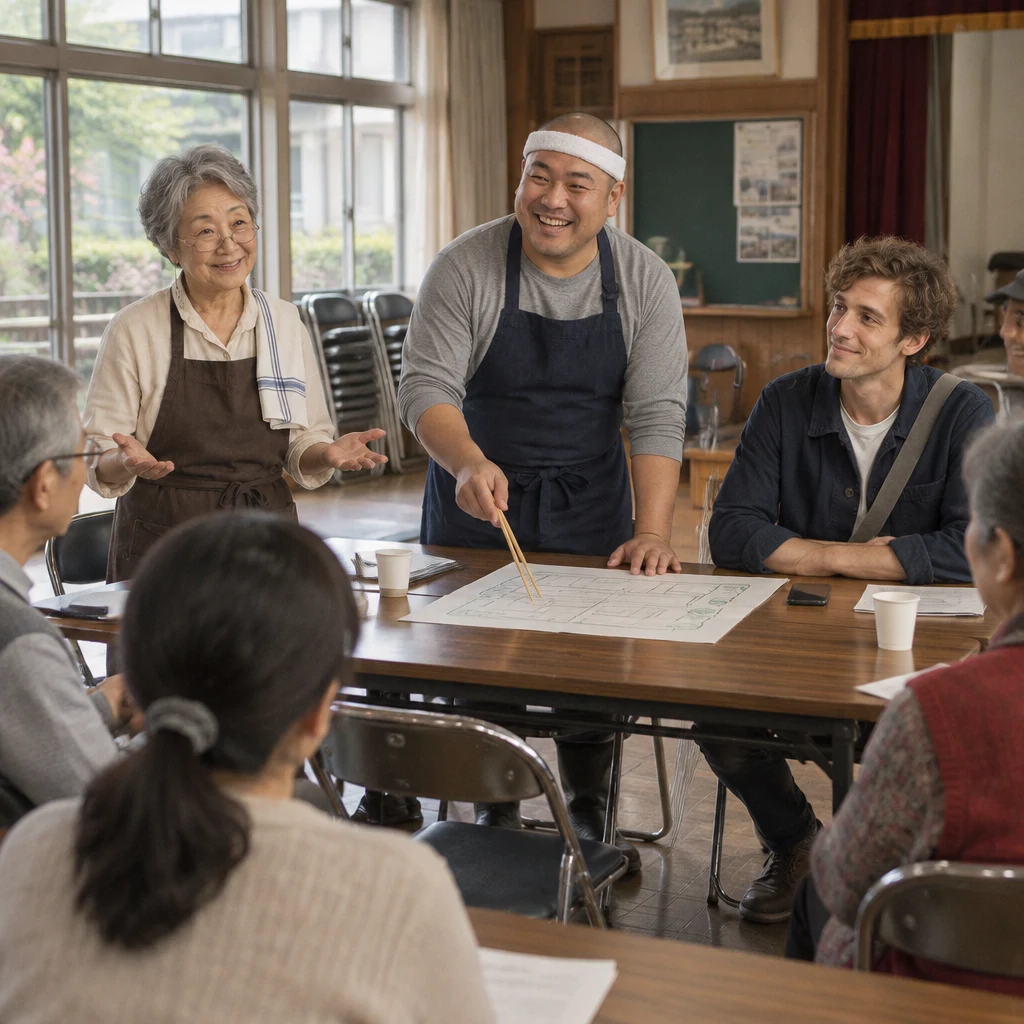
The residents of a Yanaka lane meet at the community hall. Kenta wants the group to plan for heavy rain, and neighbors listen around a long folding table.
Leo has a simpler idea about rubbish-day reminders. The meeting is calm, but not everyone has the same priority.
Learn — propose and decide
These six lines help you take part in a residents’ meeting, from putting forward an idea to confirming the group’s decision.
Notice how each phrase fits a different moment.

一つ、提案があります。
I have a suggestion.
When to use it: Use this to introduce a proposal at a meeting.
一つ introduces one point before you state your proposal.

この案に賛成です。
I'm in favor of this plan.
When to use it: Say this when you support a plan someone has put forward.
に marks the plan as the thing you support.

ちょっと、反対の意見があります。
I have a slight objection.
When to use it: Use this to raise a measured objection during discussion.
ちょっと softens the disagreement rather than making it blunt.
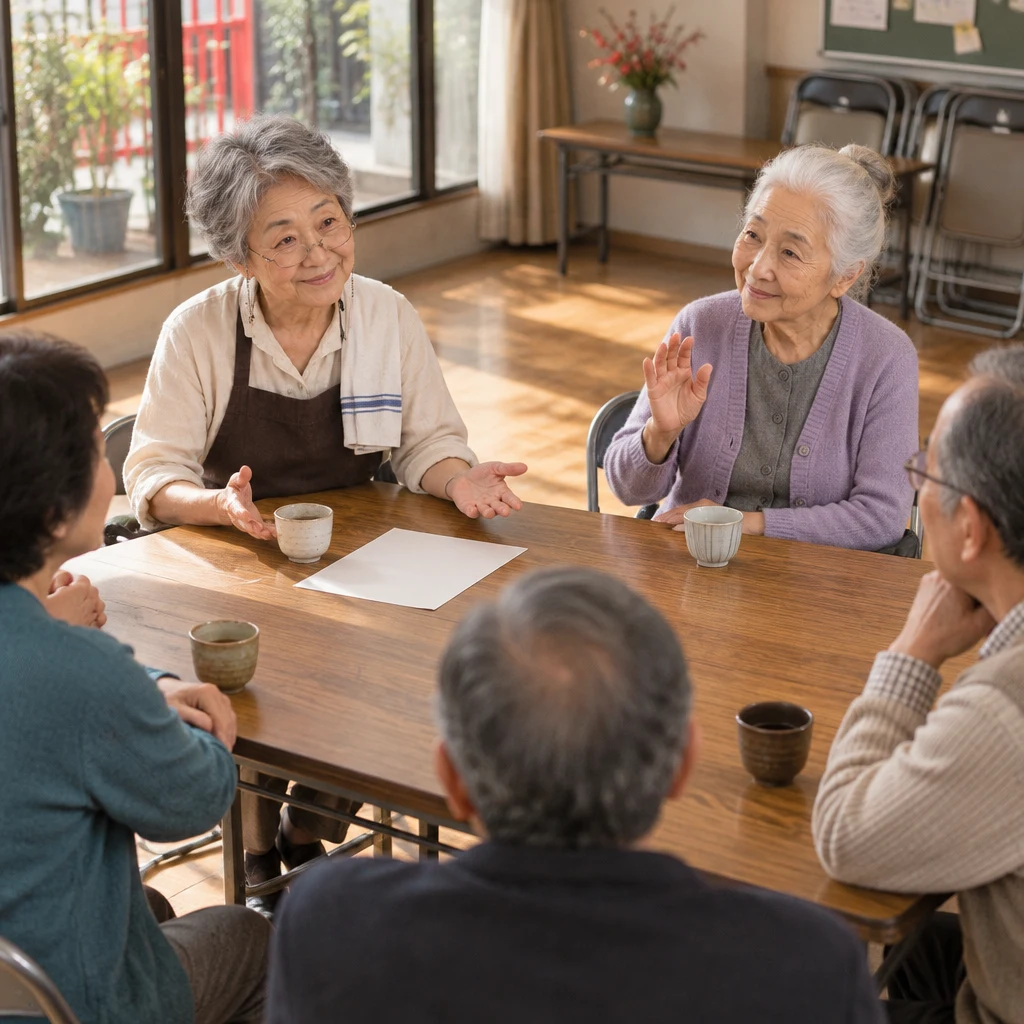
ほかに、ご意見はありますか。
Does anyone else have a view?
When to use it: Ask this to invite views from other people in the meeting.
ご意見 is a polite way to refer to participants’ opinions.

では、挙手で決めましょう。
Let's decide by a show of hands.
When to use it: Say this when the group is ready to vote by raising hands.
で marks 挙手 as the method for making the decision.

それでは、その方針でお願いします。
Then let's go with that.
When to use it: Use this to confirm the group’s agreed course of action.
方針 means the agreed course of action, and で marks the plan to follow.
Story — the lane votes
At a neighborhood meeting in Yanaka, Kenta brings up heavy-rain preparations. Leo suggests starting with a simple reminder about rubbish day.
Listen for the new phrases as the neighbors discuss and vote.
- The residents sit around a table at the community hall.
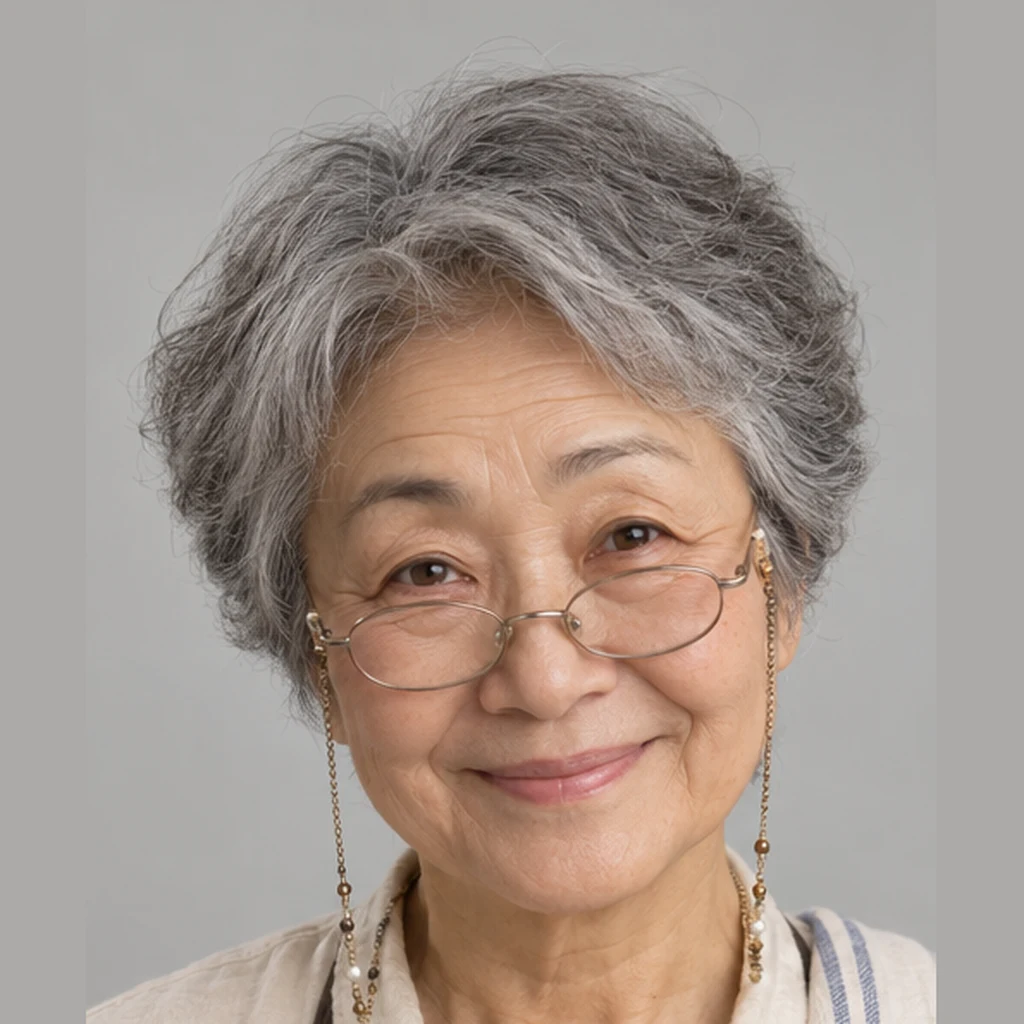 Masako皆さん、今日は町内会の集まりに来てくださってありがとうございます。雨の日の対応を話し合いましょう。Thank you for coming to the residents’ meeting today. Let’s discuss what to do on rainy days.
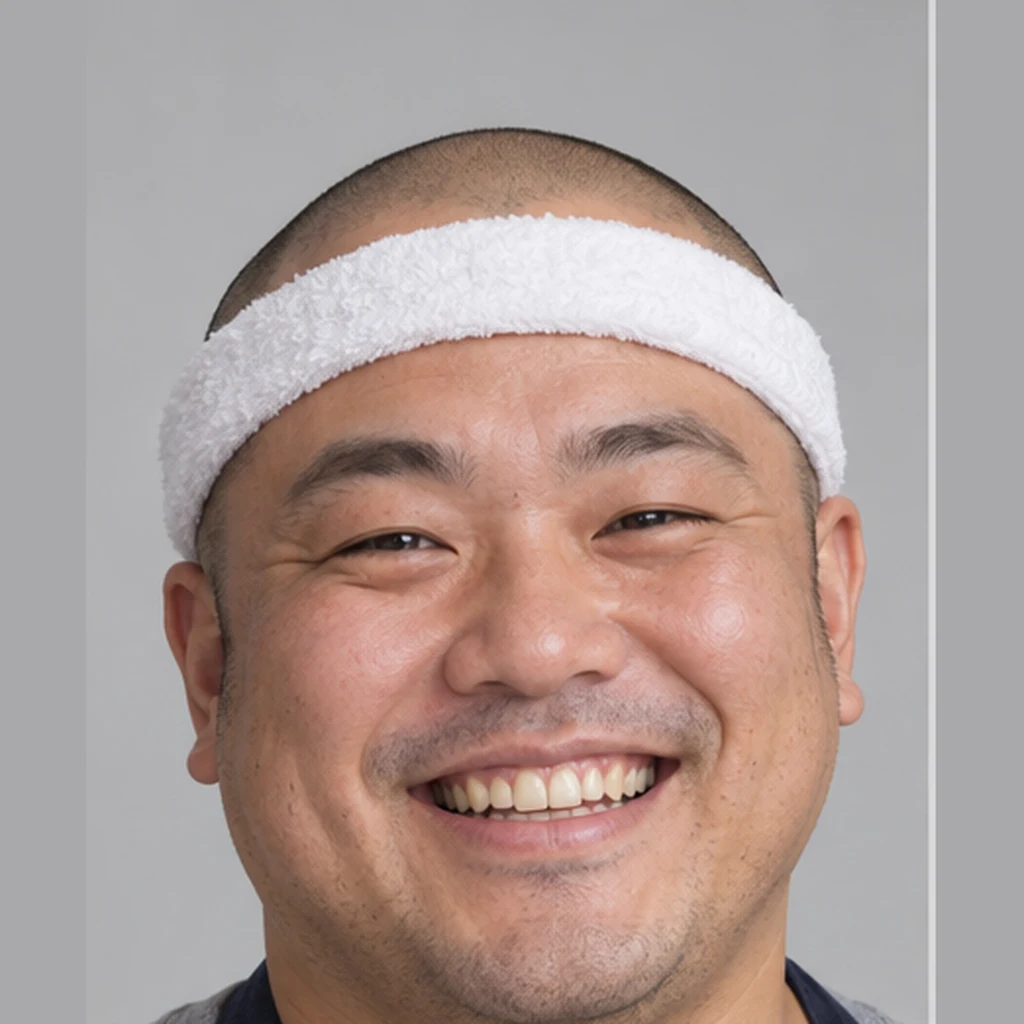 Kenta大雨の日は、ゴミ置き場にカバーをかける案を考えています。For heavy-rain days, I’m considering putting a cover over the rubbish area.
 Leoゴミの日はいつですか。When is rubbish day?
- Kentaゴミの日は月曜日です。Rubbish day is Monday.
- Leo一つ、提案があります。I have a suggestion.
- Leo前日にLINEで知らせるだけなら、準備も簡単です。If we just send a LINE reminder the day before, it’s easy to prepare.
- Masakoこの案に賛成です。I’m in favor of this plan.
- Kentaちょっと、反対の意見があります。雨の日の対策も必要です。I have a slight objection. We also need a plan for rainy days.
- Masakoほかに、ご意見はありますか。Does anyone else have a view?
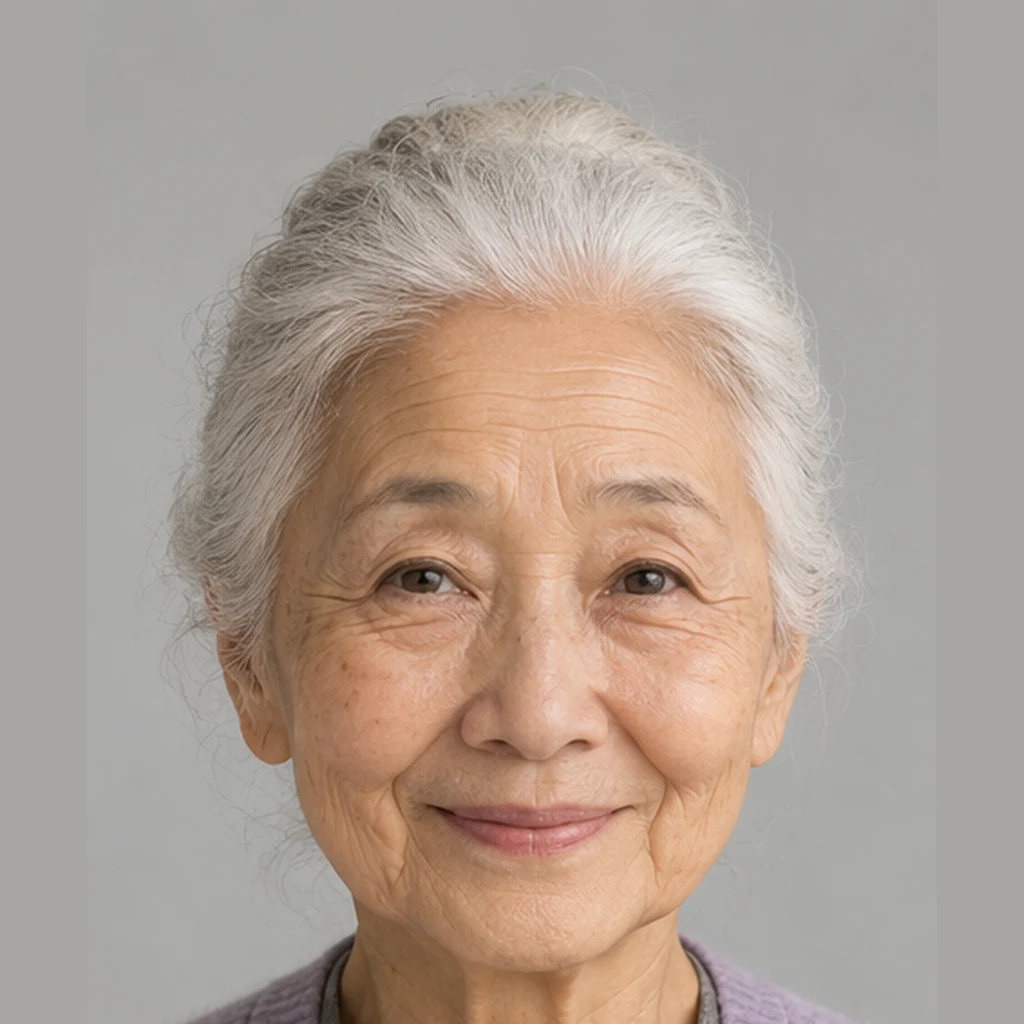 Ono-san私は、まずゴミの日の連絡を決めるのがいいと思います。I think it would be good to settle the rubbish-day reminder first.
- Masakoでは、挙手で決めましょう。Let’s decide by a show of hands.
- Most residents raise their hands for the reminder plan.
- Masakoそれでは、その方針でお願いします。Then let’s go with that.
- Kenta分かりました。雨の日のカバーについては、次回また話しましょう。All right. Let’s discuss the cover for rainy days again next time.
- Leoでは、前日にLINEで知らせます。Then I’ll send a LINE reminder the day before.
Practice — take part in the meeting
Listen for the meeting function, fill a particle gap, build a decision phrase, and spot a real learner mistake.
Then put a short exchange in order before you speak.
0 of 11 done
What did you hear?
What did you hear?
What do you say?
What do you say?
A neighbor has described a plan for the lane. You want to say that you support it.
Fill the gap
Fill the gap
I have a slight objection.
ちょっと、反対の意見____あります。
What do you say?
What do you say?
Two people have shared their views. You are chairing the meeting and want to invite anyone else to speak.
Build the line
Build the line
Let's decide by a show of hands.
、。
Tap the words in order.
What do you say?
What do you say?
The vote is over, and most residents chose the reminder plan. Confirm that the group will follow it.
What does it mean?
What does it mean?
ほかに、ご意見はありますか。
Find the mistake
Find the mistake
Put the chat in order
- LeoWhat comes first?
- Kenta…
- Masako…
- Ono-san…
- Kenta…
Pick the reply
Kenta says:
Pick the reply
ゴミの日はいつですか。
When is rubbish day?
And you reply with:
What does it mean?
What does it mean?
ゴミの日はいつですか。
Say it — your voice in the room
Imagine you are taking part in the residents’ meeting. Respond when the cue is yours, and keep your tone calm and clear.
Tap play to hear each prompt if you want; your recording stays on this device.
- Masako雨の日のカバー案について、どう思いますか。What do you think about the cover plan for rainy days?
- Leo (you)Raise a mild objection to the rain-cover plan.
Raise a mild objection to the rain-cover plan.
ちょっと、反対の意見があります。
I have a slight objection.
0 of 4 said
Recap — what you can say now
| Japanese | English | Play |
|---|---|---|
| 一つ、提案があります。 | I have a suggestion. | |
| この案に賛成です。 | I'm in favor of this plan. | |
| ちょっと、反対の意見があります。 | I have a slight objection. | |
| ほかに、ご意見はありますか。 | Does anyone else have a view? | |
| では、挙手で決めましょう。 | Let's decide by a show of hands. | |
| それでは、その方針でお願いします。 | Then let's go with that. |
Save your progress — it’s free
Keep your place in the course and see which lines you’ve learned.
Want the next lesson in your inbox?
Get the next lesson by email, one a day.
Join the newsletterDaily lesson emails are coming soon. Newsletter subscribers get them first.
Keep practicing with Yak Cards
Keep these meeting phrases close at hand. Open the Yak Cards for this lesson and review them before your next discussion.
A quick review helps you speak up, listen to other views, and close a decision smoothly.
Open Yak Cards