
New here? This is lesson 211 of a free 240-lesson Japanese course.
I heard in Japanese
A rainy morning brings Leo back to Kissa Hotaru in Yanaka. Kenta has heard a story about the old umbrella and shares it with Leo.
The lane has repeated the rumor for years, but nobody knows whether it is true. Masako has only heard it from someone nearby.
You will pass on what other people said and make clear when you are not certain.
Use these phrases to share a rumor without presenting it as a fact.
By the end of this lesson
Pass on something you heard while making clear that you are not sure it is true.
- 聞いた話ですが、___だそうです。I heard that ___.
- 健太さんが、そう言っていました。Kenta was saying so.
- うわさで聞いただけです。I only heard it as a rumor.
- 本当かどうかは、わかりません。I don't know if it's true.
- ___さんに聞いたほうがいいですよ。You should ask ___.
- そんな話、初めて聞きました。That's the first I've heard of that.
Scene — a rainy-day rumor
Rain taps the window at Kissa Hotaru in Yanaka. Kenta has stopped by the door, where the old black umbrella remains in its stand.
Leo is at the counter with Masako. Goro sits in the corner booth; his blend coffee is still untouched.

Learn — passing on what you heard
These six lines help you report secondhand information, identify who said it, and show what you do not know.
Use them to pass a story along without claiming you checked it yourself.
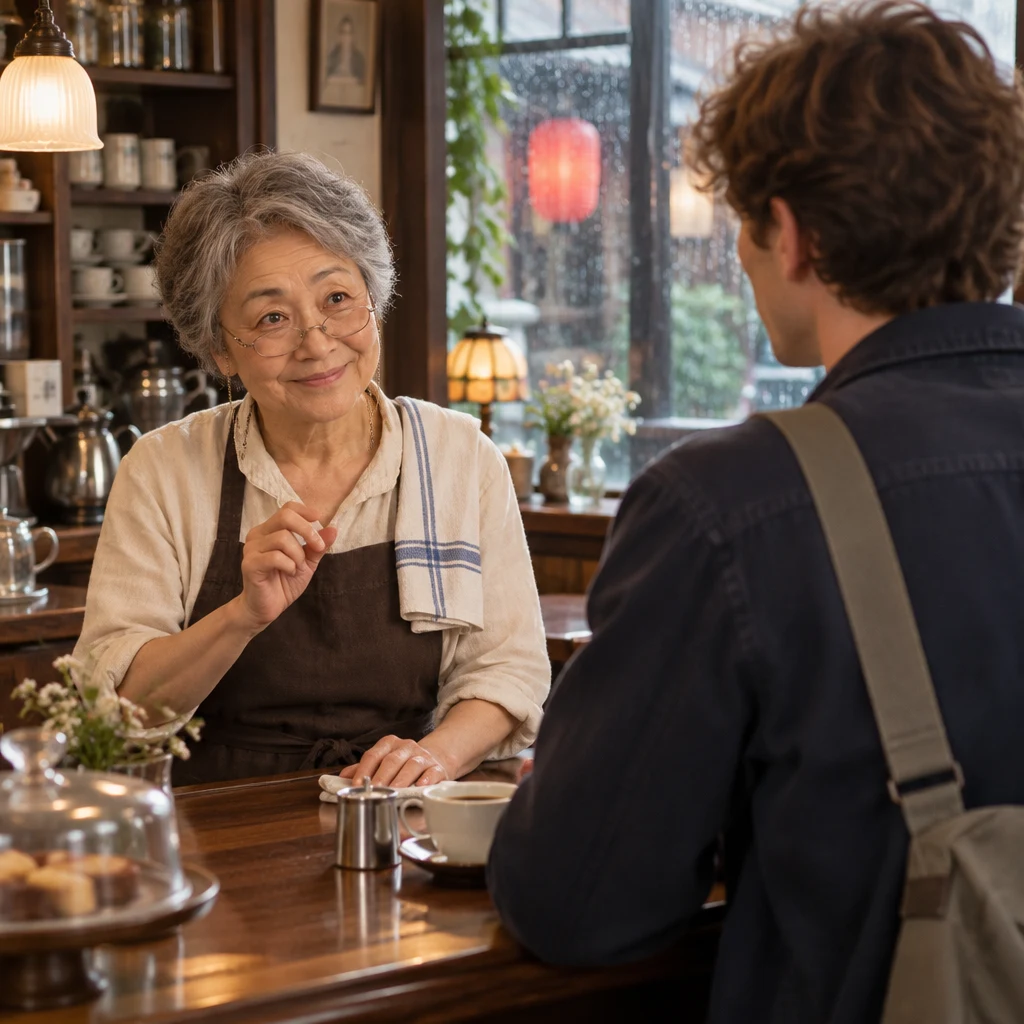
聞いた話ですが、___だそうです。
I heard that ___.
When to use it: Use this to pass along information you heard without claiming firsthand knowledge.
With だそうです, the blank is a noun phrase or a な-adjective phrase; use a plain form before そうです for verbs.

健太さんが、そう言っていました。
Kenta was saying so.
When to use it: Use this to identify whose words you are passing on.
そう points back to the content someone just said.

うわさで聞いただけです。
I only heard it as a rumor.
When to use it: Use this to clarify that you have only heard a rumor.
で marks the channel here: the information came through a rumor.
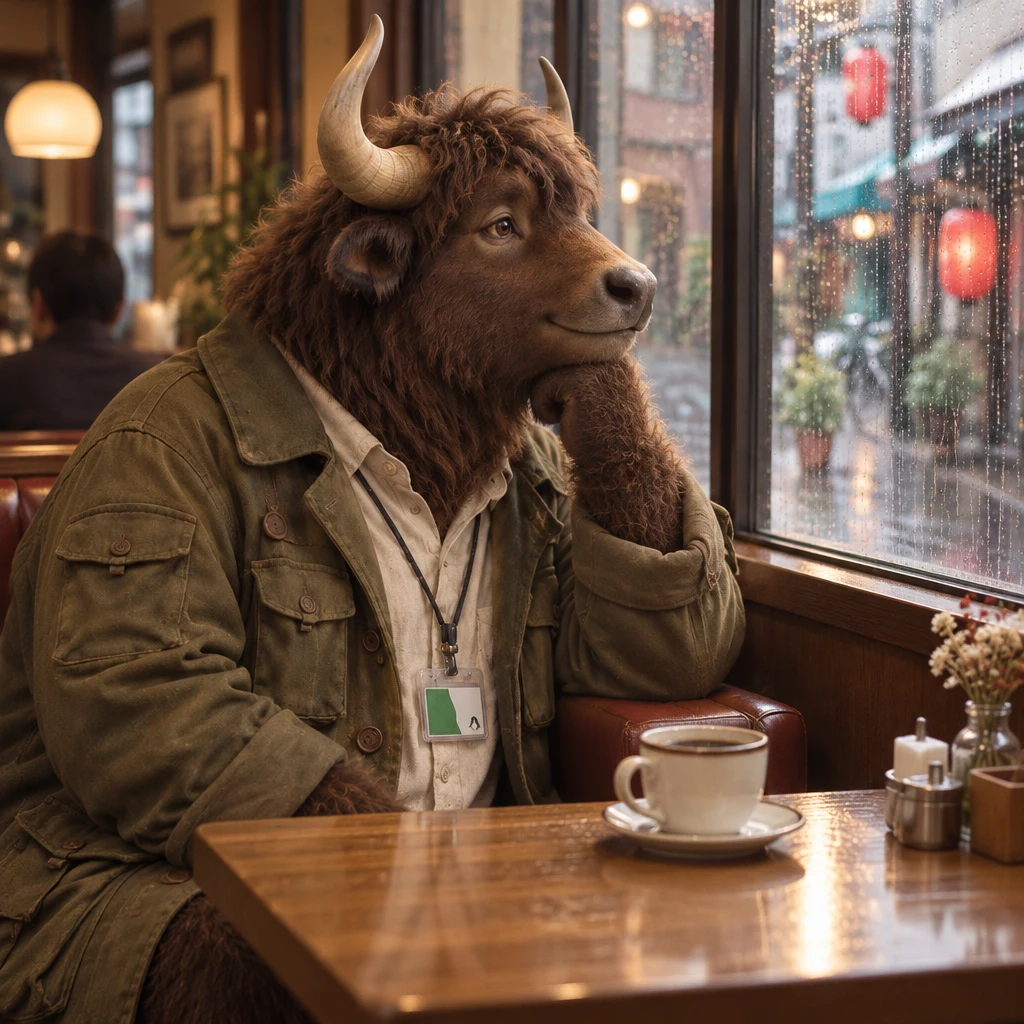
本当かどうかは、わかりません。
I don't know if it's true.
When to use it: Use this when you cannot confirm whether a report is true.
どうか frames the uncertainty as whether something is true or not.
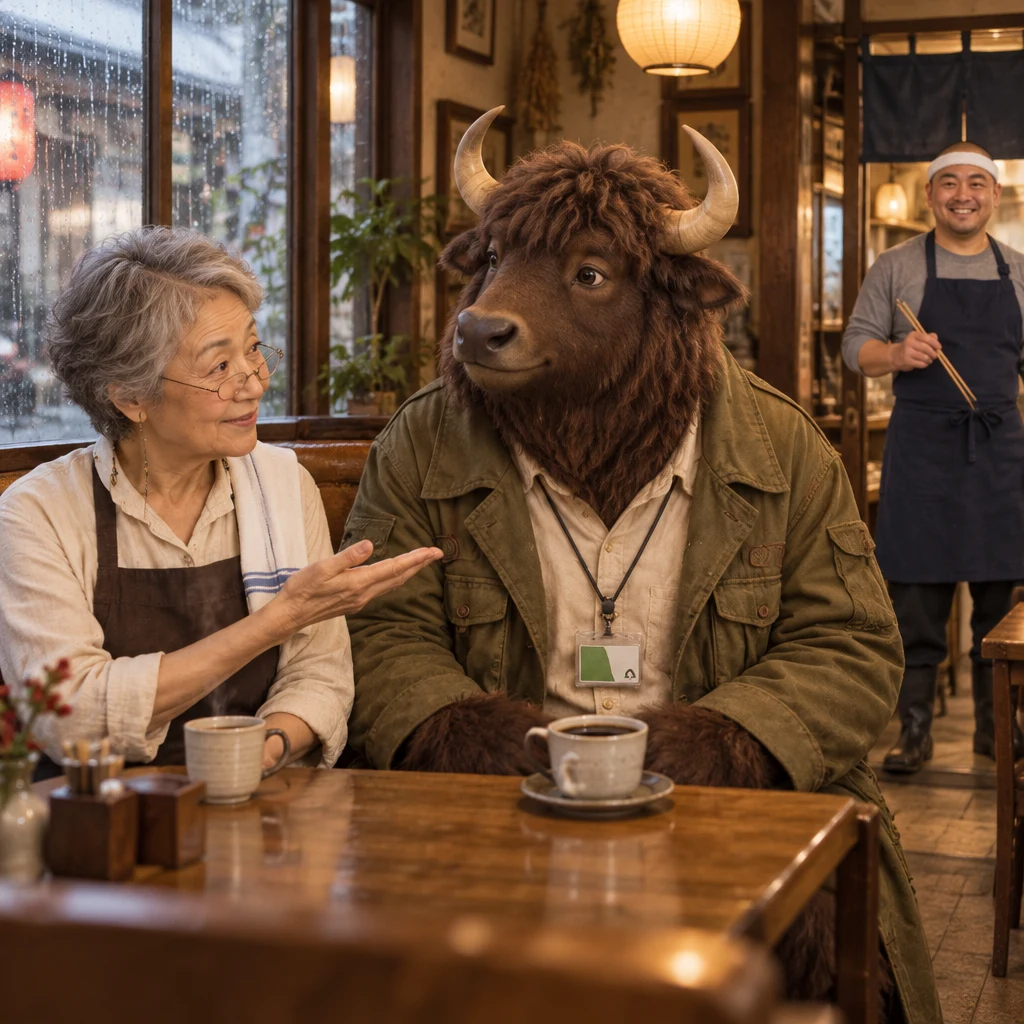
___さんに聞いたほうがいいですよ。
You should ask ___.
When to use it: Use this to recommend asking someone for more reliable information.
ほうがいいですよ gives gentle advice; fill the blank with the person's name.

そんな話、初めて聞きました。
That's the first I've heard of that.
When to use it: Use this when a story is genuinely new to you.
初めて makes clear that this is your first time hearing the story.
Story — news from the lane
Kenta shares what he heard about the old umbrella. Leo checks where the story came from, while Masako explains that she only heard it around the neighborhood.
Highlighted phrases are the new lines. Turn on Show English if you want a gloss.
 Kenta次の雨の日に持ち主が来るそうだよ。I heard the owner is coming on the next rainy day.
 Leoそれ、どうやって知ったんですか。How did you find that out?
- Kenta商店街で聞いたんだ。I heard it on the shopping street.
- Leoそんな話、初めて聞きました。That's the first I've heard of that.
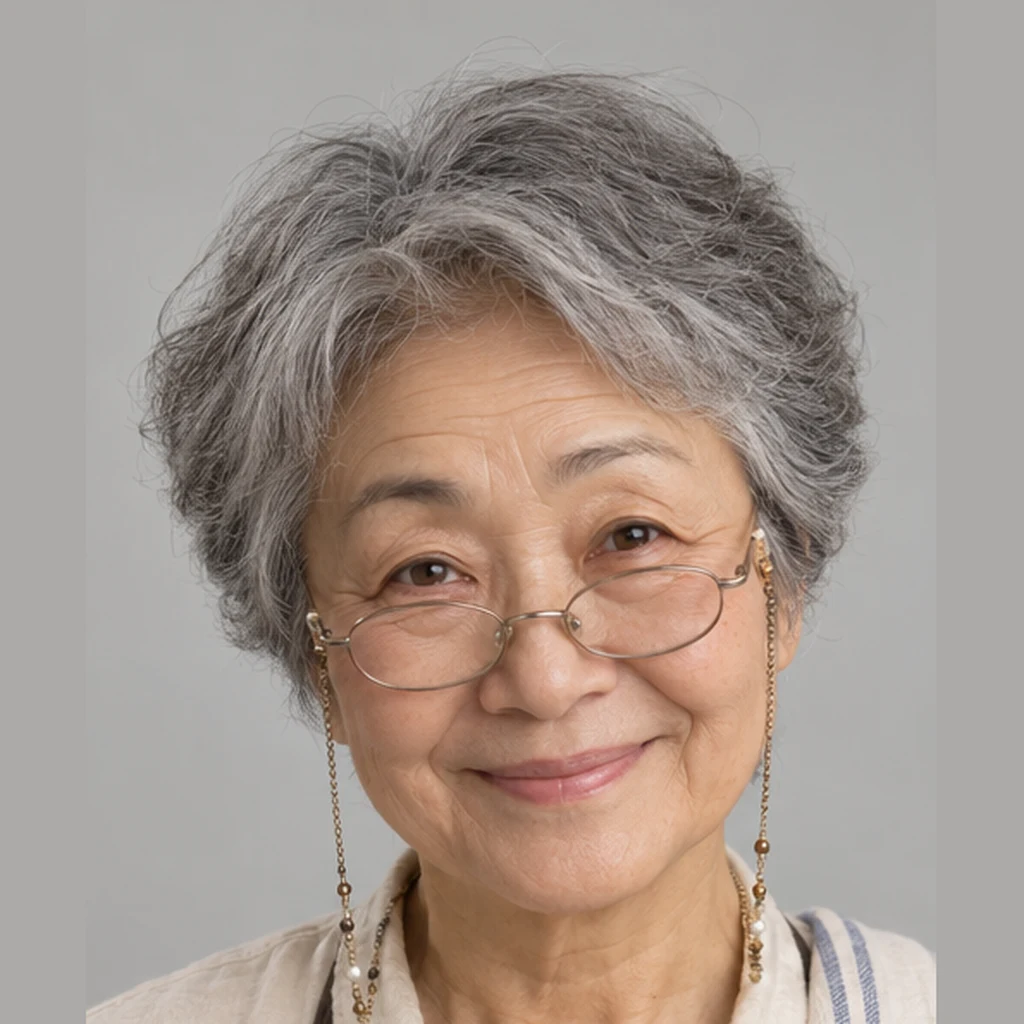 Masako健太さん、またその話?私は谷中の人から聞いただけだよ。Kenta, that story again? I only heard it from someone in Yanaka.
- Leoだれから聞いたんですか。Who did you hear that from?
- Masako近所の人からだよ。From someone nearby.
- Leoうわさで聞いただけです。I only heard it as a rumor.
- Masako聞いた話ですが、持ち主は次の雨の日に来る予定だそうです。I heard that the owner is expected to come on the next rainy day.
- Leo健太さんが、そう言っていました。Kenta was saying so.
 Goro本当かどうかは、わかりません。I don't know if it's true.
- Goro詳しいことは、誰に聞けばいいですか。Who should I ask for more details?
- Masakoゴローさん、詳しいことを知りたいなら、健太さんに聞いたほうがいいですよ。Goro, if you want to know more, you should ask Kenta.
- Goroそうですね。ブレンドコーヒーはまだ飲んでいません。That's true. I still haven't had my blend coffee.
Practice — keep the rumor uncertain
Listen for who said what, choose careful wording, and build a sentence about a rumor.
Some tasks ask you to separate a report from something you know for sure.
0 of 10 done
What did you hear?
What did you hear?
Fill the gap
Fill the gap
Kenta was saying so.
健太さんが、____言っていました。
What do you say?
What do you say?
Someone asks whether you checked the umbrella story yourself. Say you have only heard it as neighborhood gossip.
Build the line
Build the line
I don't know if it's true.
、。
Tap the words in order.
Pick the reply
Kenta says:
Pick the reply
この辺に来たばかりだし、傘の話は今初めて聞いたんだよね?
You just moved here, so this is the first time you're hearing the umbrella story, right?
And you reply with:
What do you say?
What do you say?
Goro asks who he should ask for reliable details. Fill the blank with Kenta's name and recommend asking him.
Find the mistake
Find the mistake
What do you say?
What do you say?
Ask Kenta how he learned about the umbrella rumor.
Pick the reply
Kenta says:
Pick the reply
商店街で聞いたんだ。前にも話したけど、誰から聞いたかはまだ言ってなかったよね。
I heard it on the shopping street. I told you about it before, but I haven't told you who I heard it from yet.
And you reply with:
What does it mean?
What does it mean?
聞いた話ですが、___だそうです。
Say it — pass it along carefully
You are Leo at Kissa Hotaru, hearing Kenta's version of the umbrella rumor.
Say the careful reply when it is your turn, then tell Masako what she could do to learn more.
- Kenta次の雨の日に持ち主が来るそうだよ。I heard the owner is coming on the next rainy day.
- Leo (you)Say this is the first time you have heard that story.
Say this is the first time you have heard that story.
そんな話、初めて聞きました。
That's the first I've heard of that.
0 of 5 said
Recap — what you can say now
| Japanese | English | Play |
|---|---|---|
| 聞いた話ですが、___だそうです。 | I heard that ___. | |
| 健太さんが、そう言っていました。 | Kenta was saying so. | |
| うわさで聞いただけです。 | I only heard it as a rumor. | |
| 本当かどうかは、わかりません。 | I don't know if it's true. | |
| ___さんに聞いたほうがいいですよ。 | You should ask ___. | |
| そんな話、初めて聞きました。 | That's the first I've heard of that. |
Save your progress — it’s free
Keep your place in the course and see which lines you’ve learned.
Want the next lesson in your inbox?
Get the next lesson by email, one a day.
Join the newsletterDaily lesson emails are coming soon. Newsletter subscribers get them first.
Keep practicing with Yak Cards
Save these careful phrases in your Yak Cards and practise passing on news without turning it into fact.
Review a rumor phrase before you share the next bit of neighborhood news.
Open Yak Cards