Welcome — you’re practicing clear problem explanations. In this B1 pack you’ll learn short frames to describe technical or service issues and politely ask what to do next. Listen, repeat, and then try them out in the practice section.
Level B1: This lesson focuses on useful polite phrases to explain a problem (機器や手続き、メールなど) and to ask someone to check or advise. You'll practice frames like “___に問題があります。” and “確認してもらえますか。” in short examples and a mini-conversation. CEFR-aligned and made for real situations — lesson 134 has hands-on phrases you can use right away.
After this lesson you'll be able to:
Be able to state that something is wrong: 「___に問題があります。」(___ ni mondai ga arimasu).
Describe malfunctioning items and error messages: 「___がうまく動きません。」(___ ga umaku ugokimasen).
Request a check or ask what to do next: 「確認してもらえますか。」(Kakunin shite moraemasu ka).
Explain when the issue started and what you already tried: 「___ときから、この問題が起きています。」(___ toki kara, kono mondai ga okite imasu)。
Ready? Let's go!
When you tap play on phrases, we track your progress through this lesson.
1. Reading + Listening Practice
Hear core phrases, repeat aloud.
___に問題があります。
___ ni mondai ga arimasu.
There's a problem with ___.
Meaning: There's a problem with ___.
When to use: Use this to tell someone there is a problem with an object, service, or situation. Put the thing that has the problem before に (e.g., パソコンに問題があります。).
Tip: Don't use が for the affected object here; use に to mark what has the problem.
プリンターに問題があります。
Purintā ni mondai ga arimasu.
There is a problem with the printer.
注文システムに問題があります。
Chūmon shisutemu ni mondai ga arimasu.
There is a problem with the ordering system.
___がうまく動きません。
___ ga umaku ugokimasen.
___ isn't working properly.
Meaning: ___ isn't working properly.
When to use: Good for machines, apps, or systems. Put the thing that isn't functioning with が (e.g., アプリがうまく動きません。).
Tip: Beginners sometimes say に動きません; use が for the subject that fails to work.
アプリがうまく動きません。
Apuri ga umaku ugokimasen.
The app isn't working properly.
エアコンがうまく動きません。
Eakon ga umaku ugokimasen.
The air conditioner isn't working correctly.
___で何か問題が起きました。
___ de nanika mondai ga okimashita.
Something went wrong with ___.
Meaning: Something went wrong with ___.
When to use: Put a process, task, or situation before で (e.g., 手続きで何か問題が起きました。) when an unexpected negative result occurred.
オンライン申請で何か問題が起きました。
Onrain shinsei de nanika mondai ga okimashita.
Something went wrong with the online application.
支払いで何か問題が起きました。
Shiharai de nanika mondai ga okimashita.
Something went wrong with the payment.
___をうまく動かせません。
___ o umaku ugokasemasen.
I can't get ___ to work.
Meaning: I can't get ___ to work.
When to use: Use when you try to operate a machine or app but cannot make it work. Put the item being operated before を (e.g., ドアをうまく動かせません。).
このプリンタをうまく動かせません。
Kono purinta o umaku ugokasemasen.
I can't get this printer to work.
リモコンをうまく動かせません。
Rimokon o umaku ugokasemasen.
I can't make the remote control work.
___が届いていません。
___ ga todoite imasen.
I didn't receive ___.
Meaning: I didn't receive ___.
When to use: Use for missing emails, packages, or documents. Put the expected item before が (e.g., メールが届いていません。).
確認メールが届いていません。
Kakunin mēru ga todoite imasen.
I haven't received the confirmation email.
書類が届いていません。
Shorui ga todoite imasen.
The documents haven't arrived.
前にも同じことがありました。
Mae ni mo onaji koto ga arimashita.
This has happened before.
Meaning: This has happened before.
When to use: Use to tell someone that the same problem occurred previously, which can be important information for diagnosing repeat issues.
前にも同じことがありました。
Mae ni mo onaji koto ga arimashita.
This has happened before.
前にも同じエラーがありました。
Mae ni mo onaji erā ga arimashita.
The same error happened before as well.
前は大丈夫でしたが、今は___。
Mae wa daijōbu deshita ga, ima wa ___.
It was fine before, but now ___.
Meaning: It was fine before, but now ___.
When to use: Use this to explain a recent change. Put the current problem after the comma (e.g., 前は大丈夫でしたが、今は動きません。).
前は大丈夫でしたが、今は動きません。
Mae wa daijōbu deshita ga, ima wa ugokimasen.
It was fine before, but now it doesn't work.
前は大丈夫でしたが、今はエラーが出ます。
Mae wa daijōbu deshita ga, ima wa erā ga demasu.
It was fine before, but now an error appears.
___と出ています。
___ to dete imasu.
It says ___.
Meaning: It says ___.
When to use: Use this to report an error or warning message you see on a screen. Put the message content before と (e.g., エラー404と出ています。).
「接続失敗」と出ています。
“Setsuzoku shippai” to dete imasu.
It says 'connection failed.'
「エラーコード123」と出ています。
“Erā kōdo 123” to dete imasu.
It says 'error code 123.'
確認してもらえますか。
Kakunin shite moraemasu ka.
Could you check it for me?
Meaning: Could you check it for me?
When to use: A polite request asking someone to check the problem. Use this in customer service or with a colleague (e.g., 確認してもらえますか。).
すみません、これを確認してもらえますか。
Sumimasen, kore o kakunin shite moraemasu ka.
Excuse me, could you check this for me?
メールの状況を確認してもらえますか。
Mēru no jōkyō o kakunin shite moraemasu ka.
Could you check the status of the email?
これからどうすればいいですか。
Kore kara dō sureba ii desu ka.
What should I do now?
Meaning: What should I do now?
When to use: Ask this when you want advice on next steps after a problem. It's polite and useful in support conversations (e.g., これからどうすればいいですか。).
これからどうすればいいですか。
Kore kara dō sureba ii desu ka.
What should I do now?
これからどうすればいいか教えてください。
Kore kara dō sureba ii ka oshiete kudasai.
Please tell me what I should do next.
___ときから、この問題が起きています。
___ toki kara, kono mondai ga okite imasu.
The issue started when ___.
Meaning: The issue started when ___.
When to use: Explain when a problem began by placing an event in plain form before とき (e.g., アップデートしたときから、この問題が起きています。).
アップデートしたときから、この問題が起きています。
Appudēto shita toki kara, kono mondai ga okite imasu.
This issue started when I updated.
設定を変えたときから、この問題が起きています。
Settei o kaeta toki kara, kono mondai ga okite imasu.
The problem started when I changed the settings.
___てみましたが、直りませんでした。
___ te mimashita ga, naorimasen deshita.
I tried to ___, but it didn't help.
Meaning: I tried to ___, but it didn't help.
When to use: Report an attempted fix that failed by using the て-form + みましたが (e.g., 再起動してみましたが、直りませんでした。).
再起動してみましたが、直りませんでした。
Saikidō shite mimashita ga, naorimasen deshita.
I tried restarting, but it didn't fix it.
ログアウトしてみましたが、直りませんでした。
Roguauto shite mimashita ga, naorimasen deshita.
I tried logging out, but it didn't help.
何度も___ます。
Nando mo ___ masu.
It keeps ___.
Meaning: It keeps ___.
When to use: Describe a repeated problem by putting a verb stem before ます (e.g., 何度も止まります → 何度も止まります - often you'll say a full verb: アプリが何度もフリーズします。).
アプリが何度もフリーズします。
Apuri ga nando mo furīzu shimasu.
The app freezes repeatedly.
何度も接続が切れます。
Nando mo setsuzoku ga kiremasu.
The connection drops many times.
2. Conversational Listening Practice
Hear phrases in a real mini-conversation.
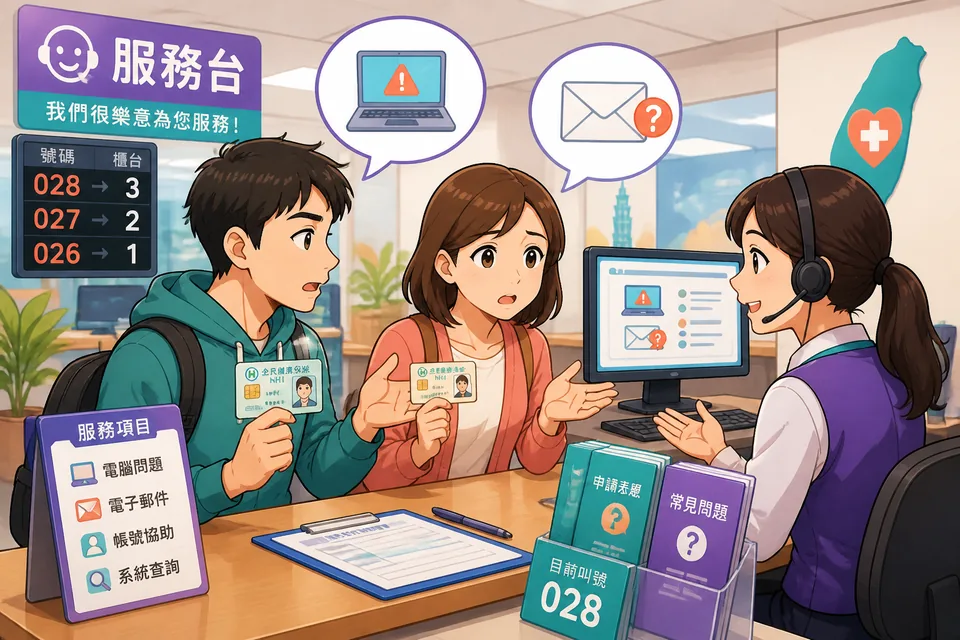
Help desk — laptop error and missing email
Anna
すみません、ノートPCに問題があります。再起動してみましたが、直りませんでした。
Sumimasen, nōto PC ni mondai ga arimasu. Saikidō shite mimashita ga, naorimasen deshita.
Excuse me, there's a problem with my laptop. I tried restarting, but it didn't fix it.
David
どのように動きませんか?エラーメッセージは出ていますか?
Dono yō ni ugokimasen ka? Erā messēji wa dete imasu ka?
How is it not working? Is there an error message?
Anna
「接続失敗」と出ています。あと、確認メールが届いていません。
“Setsuzoku shippai” to dete imasu. Ato, kakunin mēru ga todoite imasen.
It says 'connection failed.' Also, I haven't received the confirmation email.
David
わかりました。これからどうすればいいですか?まず、こちらで確認してもらえますか。
Wakarimashita. Kore kara dō sureba ii desu ka? Mazu, kochira de kakunin shite moraemasu ka.
Understood. What should you do now? First, can you let us check it here?
3. Guided Practice
Quizzes and matching to lock in meaning.
Which phrase politely asks someone to check the problem?
Which sentence explains that an expected item did not arrive?
Which choice correctly reports trying a fix that failed?
Which phrase tells when the problem began?
The correct completion is 起きています: 'The issue has been happening since I entered the password.'
パスワードを入力したときから、この問題が___。
Pasuwādo o nyūryoku shita toki kara, kono mondai ga ___.
出ています fits: 'It says
ウェブページで「エラー404」と___、ページが表示されません。
Web pēji de “Erā 404” to ___, pēji ga hyōji saremasen.
Match the core phrases
4. Speaking Practice
Say phrases yourself (mic/recording).
Recording stays on your device only. Check speech uses your browser's speech tools when available.