
New here? This is lesson 82 of a free 240-lesson Japanese course.
First this, then that in Japanese
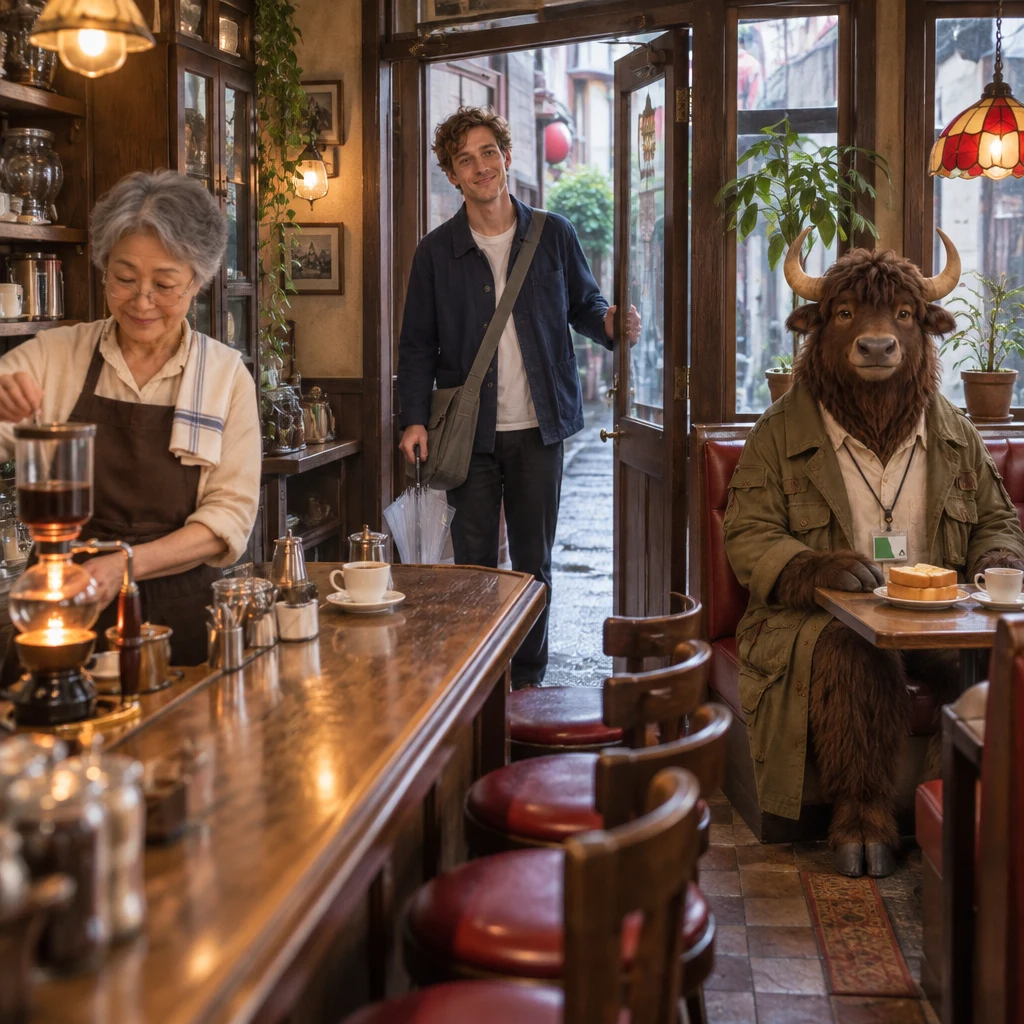
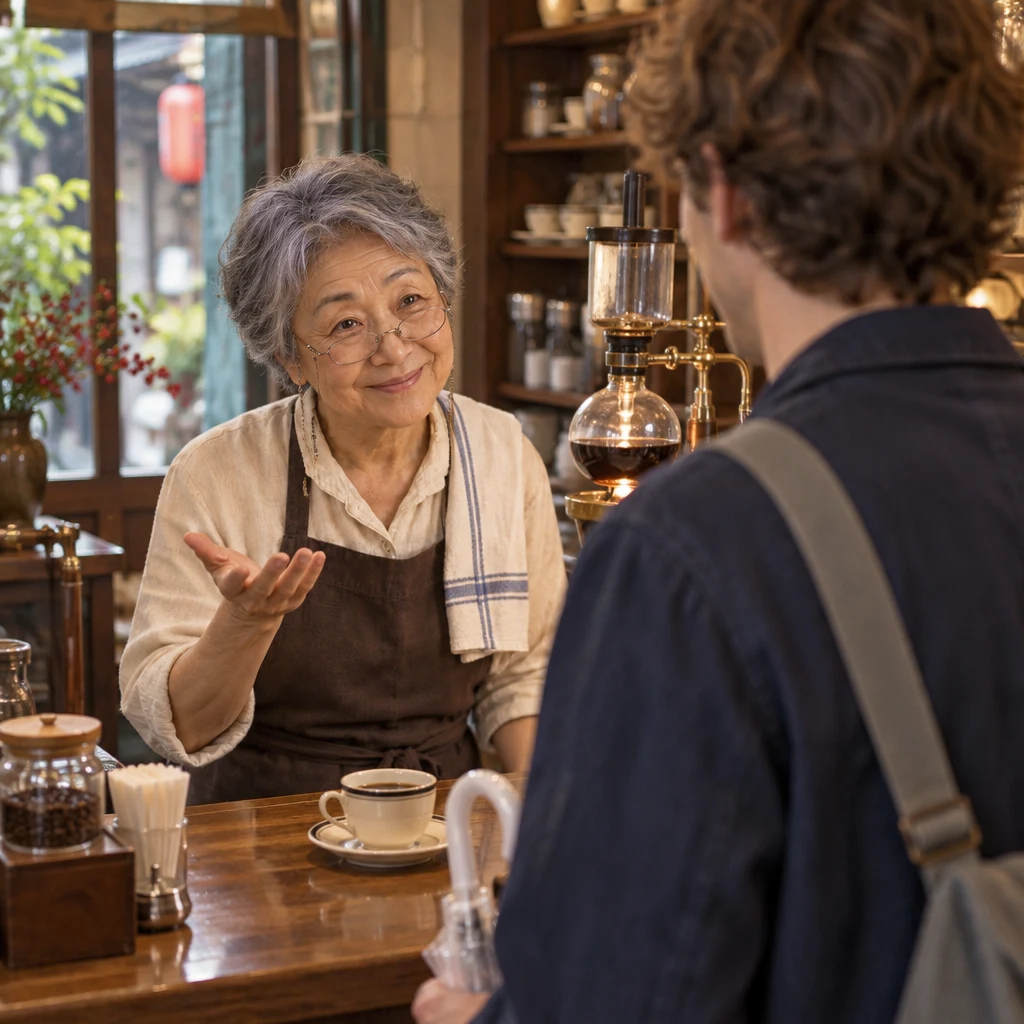
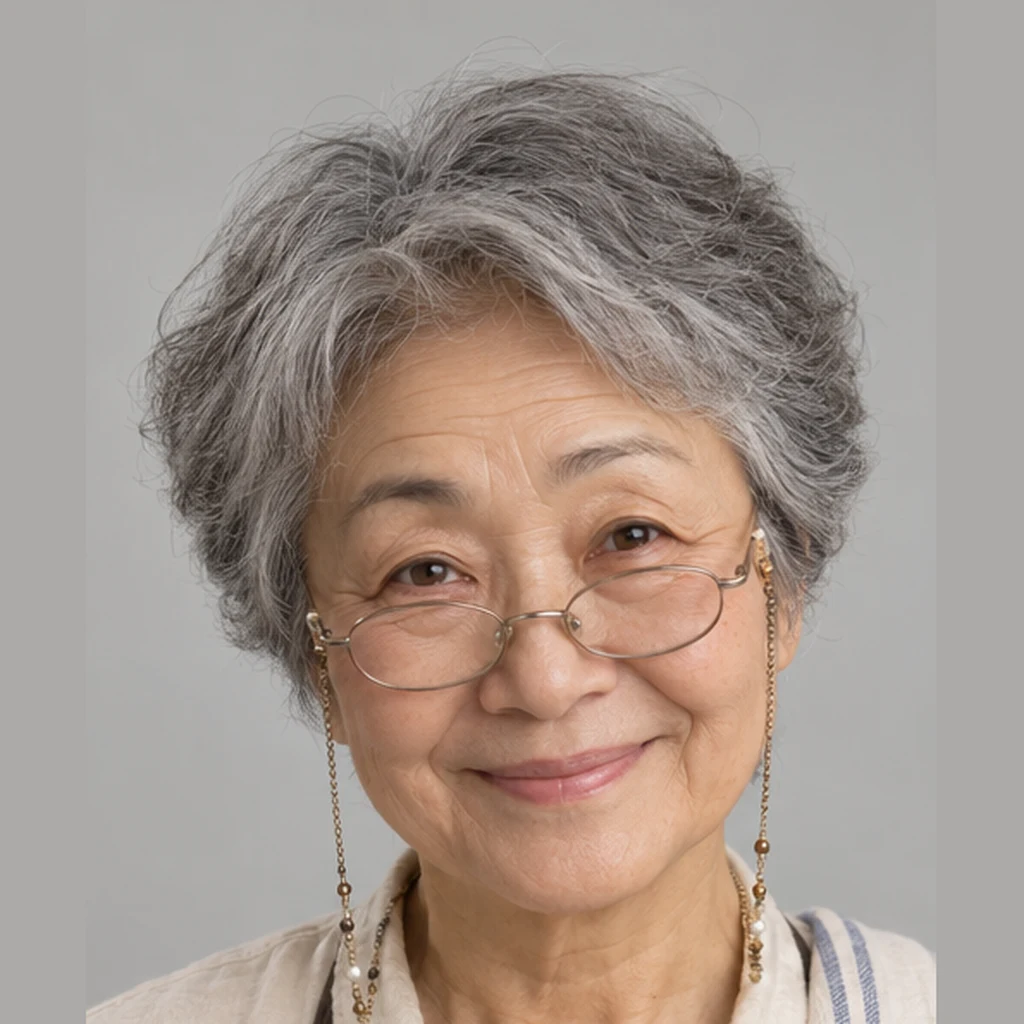
Leo is already at the wooden counter of Kissa Hotaru, but Masako has poured his blend before he sits. She wants the order of his morning, first this then that.
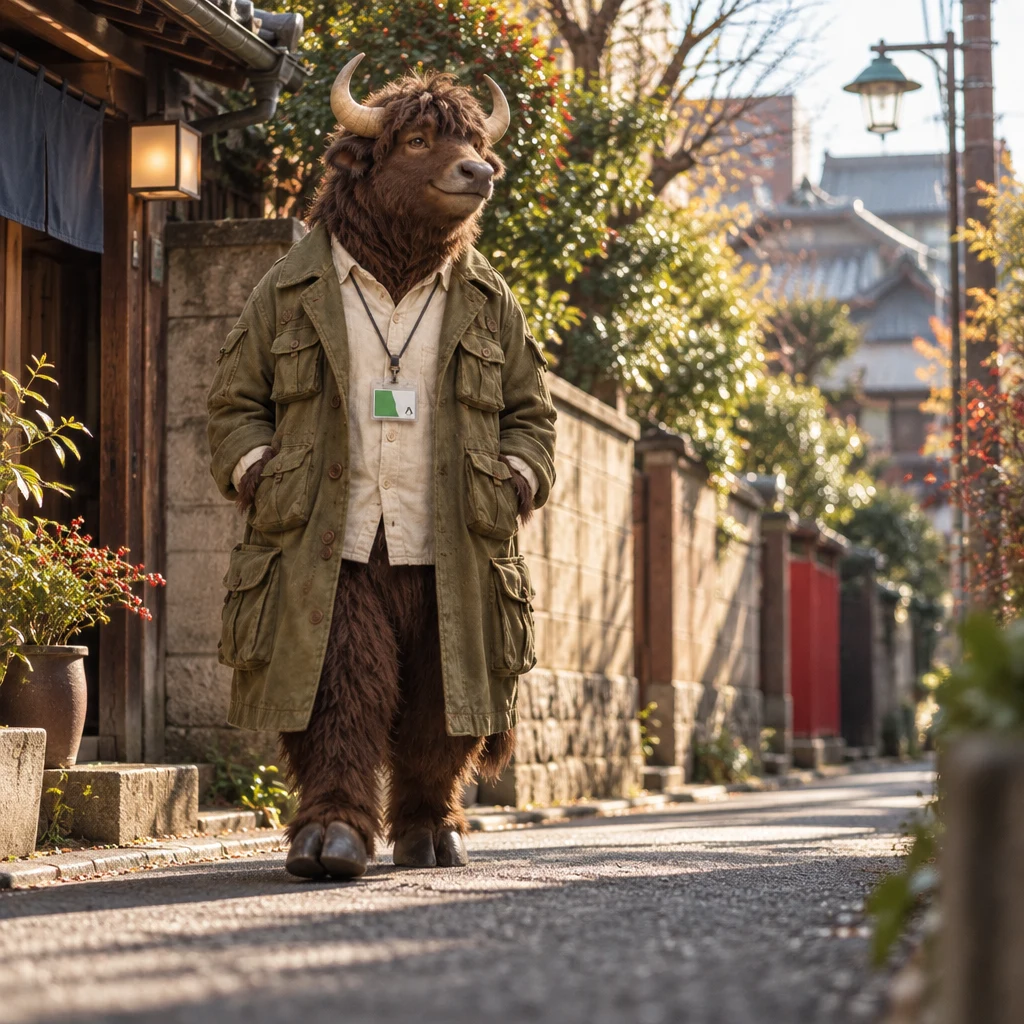
Goro, still on his unfinished coffee, has a simpler plan: first toast, then more toast.
You will say what you do first, what comes next, and what you do before or after something else.
Keep it polite. These lines fit a quiet weekday morning in Yanaka.
By the end of this lesson
Say what you do first, then, before, or after.
- まずコーヒーを飲みます。First I have coffee.
- それから仕事に行きます。Then I go to work.
- 寝る前に、本を読みます。I read before bed.
- 食べた後で、散歩します。After I eat I go for a walk.
- ___の前に、何をしますか。What do you do before ___?
- 最近、運動を始めました。I started exercising recently.
Scene — coffee before the chair
Masako is already at the siphon when Leo opens the door. His cup is waiting on the wooden counter, still too hot to hold.
In the corner booth Goro has buttered toast stacked like a plan, and a blend coffee he has not touched.
Leo has not sat down yet.
Learn — first, then, before, after
These six lines put your morning in order: first, then, before, and after.
One question asks what you do before something else.

まずコーヒーを飲みます。
First I have coffee.
When to use it: Use this to name the first thing you do.
まず marks the first step in a list of actions.
Say it: Hold the long vowels in コーヒー; do not cut them short.

それから仕事に行きます。
Then I go to work.
When to use it: Use this for the next step after that first thing.
それから follows the first action and names what comes next.

寝る前に、本を読みます。
I read before bed.
When to use it: Use this for what you do before another action.
Use the dictionary form of a verb before 前に to mean before that action.
食べた後で、散歩します。
After I eat I go for a walk.
When to use it: Use this for what you do after you finish something.
A past verb plus 後で means after that action is done.
___の前に、何をしますか。
What do you do before ___?
When to use it: Ask this to find out what comes before something.
Fill the blank with a noun naming an event or activity, such as work.

最近、運動を始めました。
I started exercising recently.
When to use it: Use this to say you started something not long ago.
始めました is the polite past of start.
Say it: Give ん in 運動 its own beat; do not skip it.
Story — toast, then toast
Masako has already poured. Leo says first coffee, then work. Goro's order is toast, then toast.
Highlighted phrases are the new lines. Turn on Show English if you want a gloss.
- Yanaka morning. Leo still stands at the counter.
 Masakoおはようございます。Good morning.
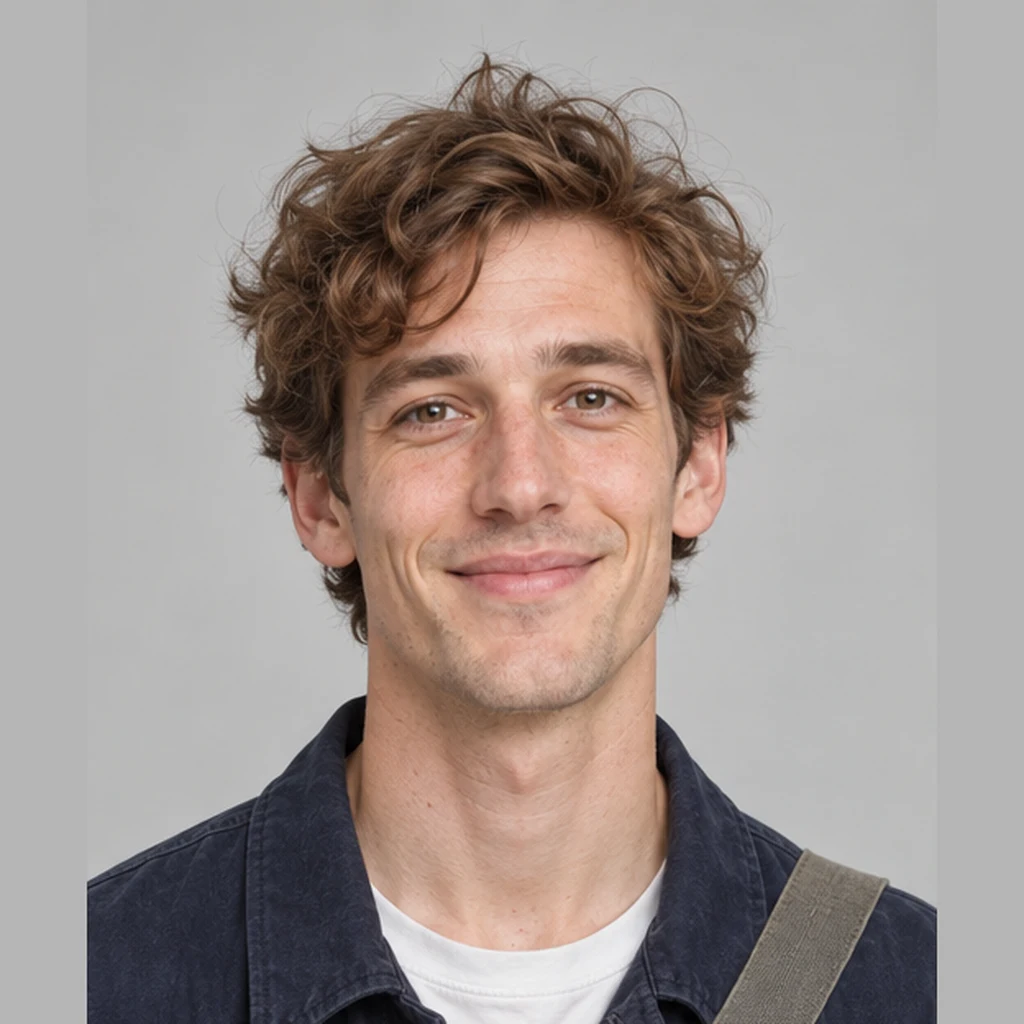 Leoおはようございます。Good morning.
- She has already poured. The cup waits by his hand.
- Masako仕事の前に、何をしますか。What do you do before work?
- Leoまずコーヒーを飲みます。First I have coffee.
- Leoそれから仕事に行きます。Then I go to work.
- Goro looks at his plate, then raises a hand.
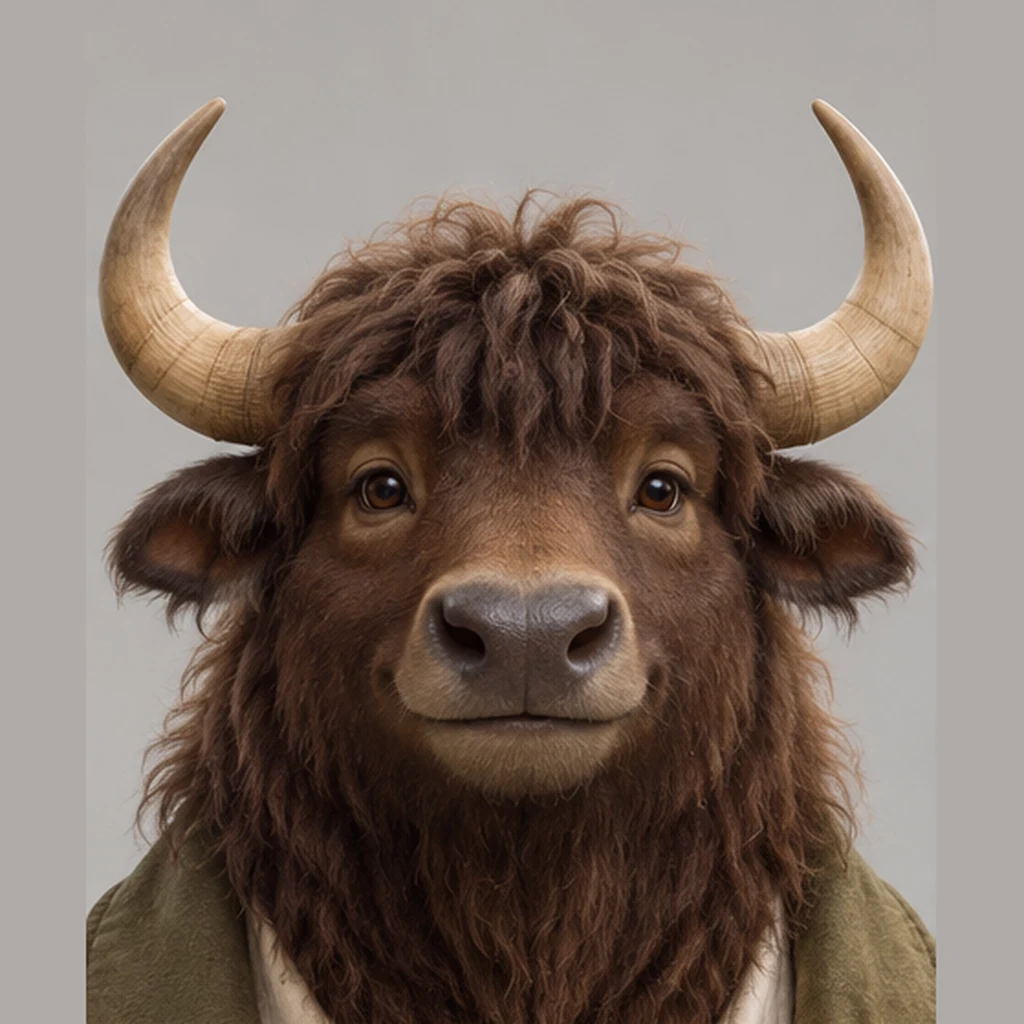 Goroバタートーストをください。Buttered toast, please.
- Masako少々お待ちください。Please wait a moment.
- Goroまずトーストを食べます。First I eat toast.
- Goroそれからトーストを食べます。Then I eat toast.
- Masako wipes the counter. Talk turns toward night.
- Masako寝る前に、何をしますか。What do you do before bed?
- Leo寝る前に、本を読みます。I read before bed.
- Leo11時に寝ます。I go to bed at eleven.
- Masako mentions her own afternoon walk.
- Masako食べた後で、散歩します。After I eat I go for a walk.
- Leo最近、運動を始めました。I started exercising recently.
Practice — put the morning in order
Eleven short tasks wait in this round. You will listen, fill a gap, swap a word, and build a line.
Each one is small, so you move on quickly.
0 of 11 done
What did you hear?
What did you hear?
What do you say?
What do you say?
Explain your morning sequence: coffee comes first, before you go to work.
Fill the gap
Fill the gap
Then I go to work.
____仕事に行きます。
What does it mean?
What does it mean?
最近、運動を始めました。
Pick the reply
Masako says:
Pick the reply
本はいつ読みますか。
When do you read books?
And you reply with:
Build the line
Build the line
After I eat I go for a walk.
、。
Tap the words in order.
Swap the word
Swap the word
Explain your morning sequence: coffee is the first step, before work.
____コーヒーを飲みます。
True or false?
True or false?
This asks what someone does before an event or activity.
Find the mistake
Find the mistake
What do you say?
What do you say?
Masako asks your bedtime; tell her it is eleven.
What do you say?
What do you say?
Order a plate of buttered toast from Masako.
Say it — your turn to speak
You are Leo at the counter before you sit. When the cue is yours, tap the microphone and say the line.
Listen first if you need a reminder, then record each answer as part of the conversation.
- Masako仕事の前に、何をしますか。What do you do before work?
- Leo (you)Say you have coffee first.
Say you have coffee first.
まずコーヒーを飲みます。
First I have coffee.
0 of 5 said
Recap — what you can say now
| Japanese | English | Play |
|---|---|---|
| まずコーヒーを飲みます。 | First I have coffee. | |
| それから仕事に行きます。 | Then I go to work. | |
| 寝る前に、本を読みます。 | I read before bed. | |
| 食べた後で、散歩します。 | After I eat I go for a walk. | |
| ___の前に、何をしますか。 | What do you do before ___? | |
| 最近、運動を始めました。 | I started exercising recently. |
Save your progress — it’s free
Keep your place in the course and see which lines you’ve learned.
Want the next lesson in your inbox?
Get the next lesson by email, one a day.
Join the newsletterDaily lesson emails are coming soon. Newsletter subscribers get them first.
Keep practicing with Yak Cards
Keep first, then, before, and after in your pocket. Open the Yak Cards for this lesson and run them on the train.
A short Yak Cards round after coffee keeps the order ready.
Open Yak Cards