
New here? This is lesson 128 of a free 240-lesson Japanese course.
When it happened in Japanese
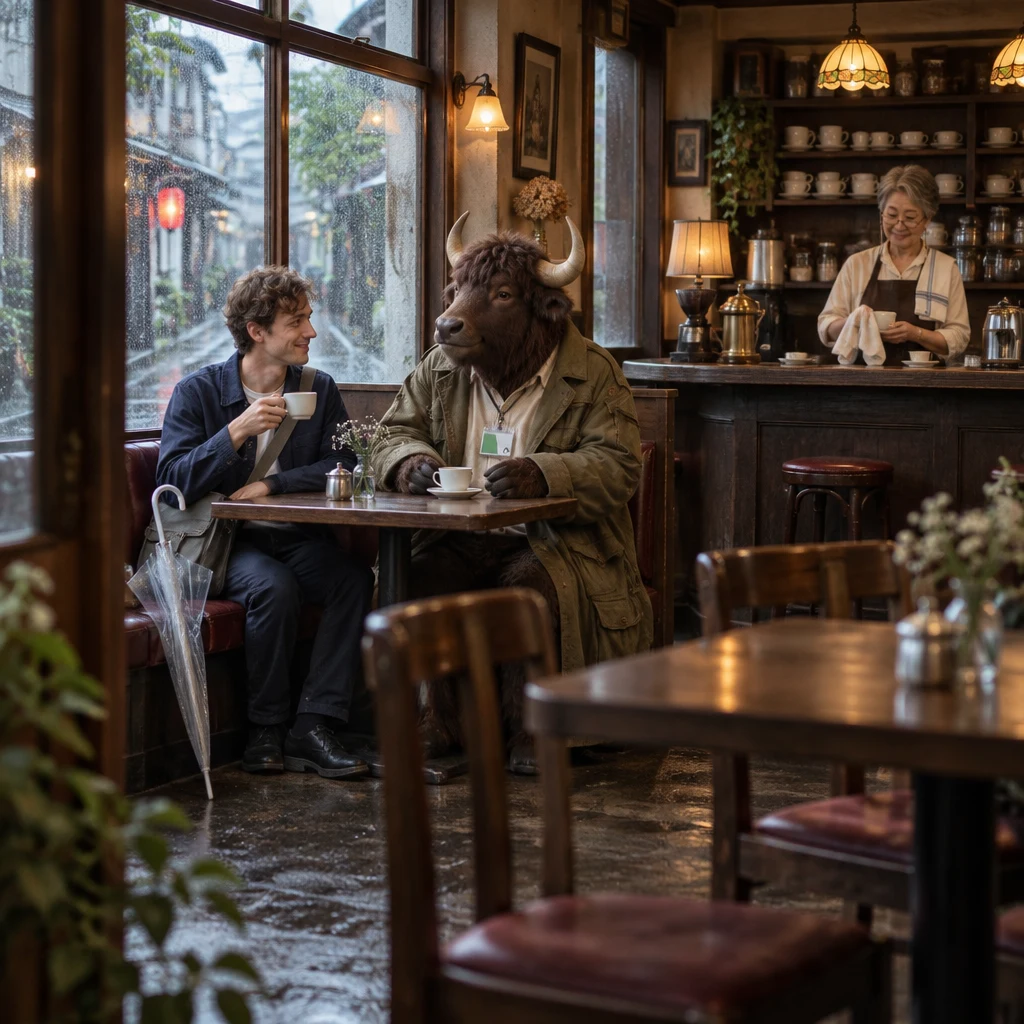
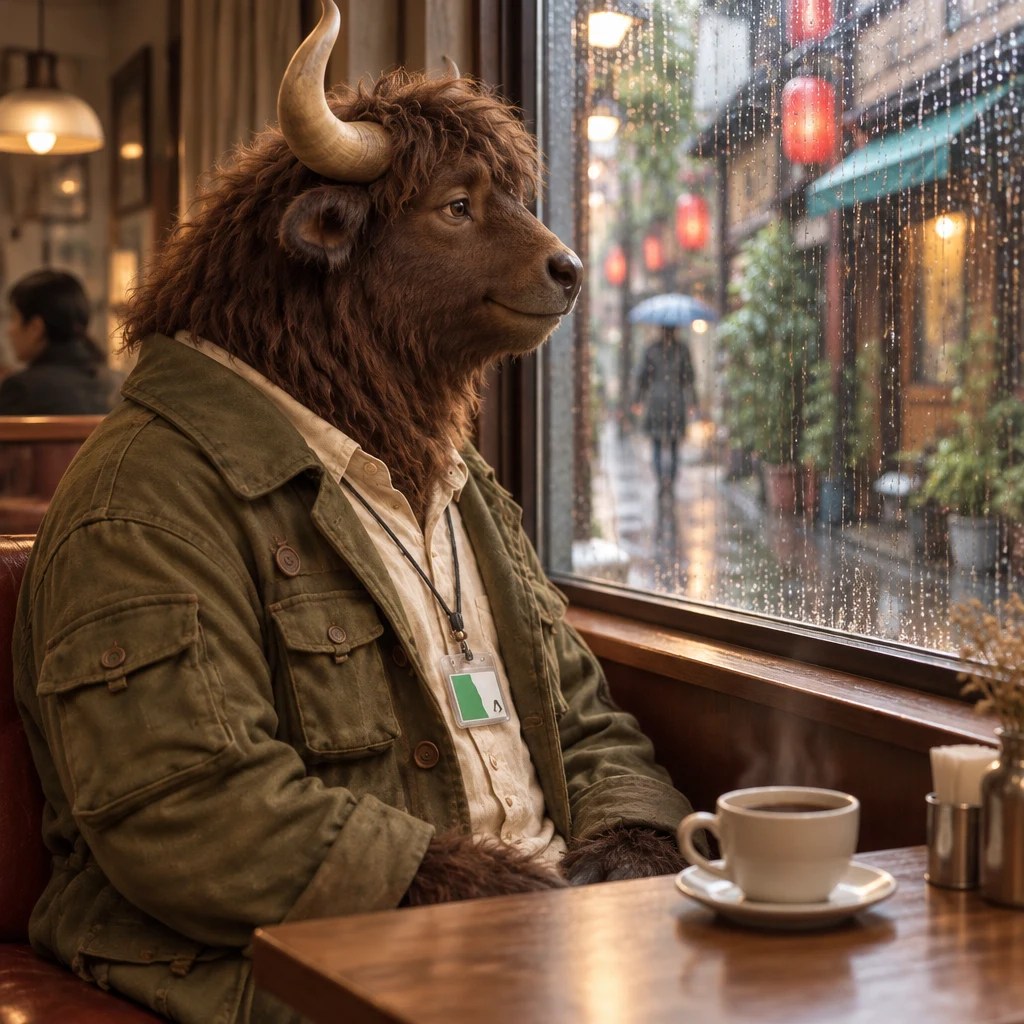
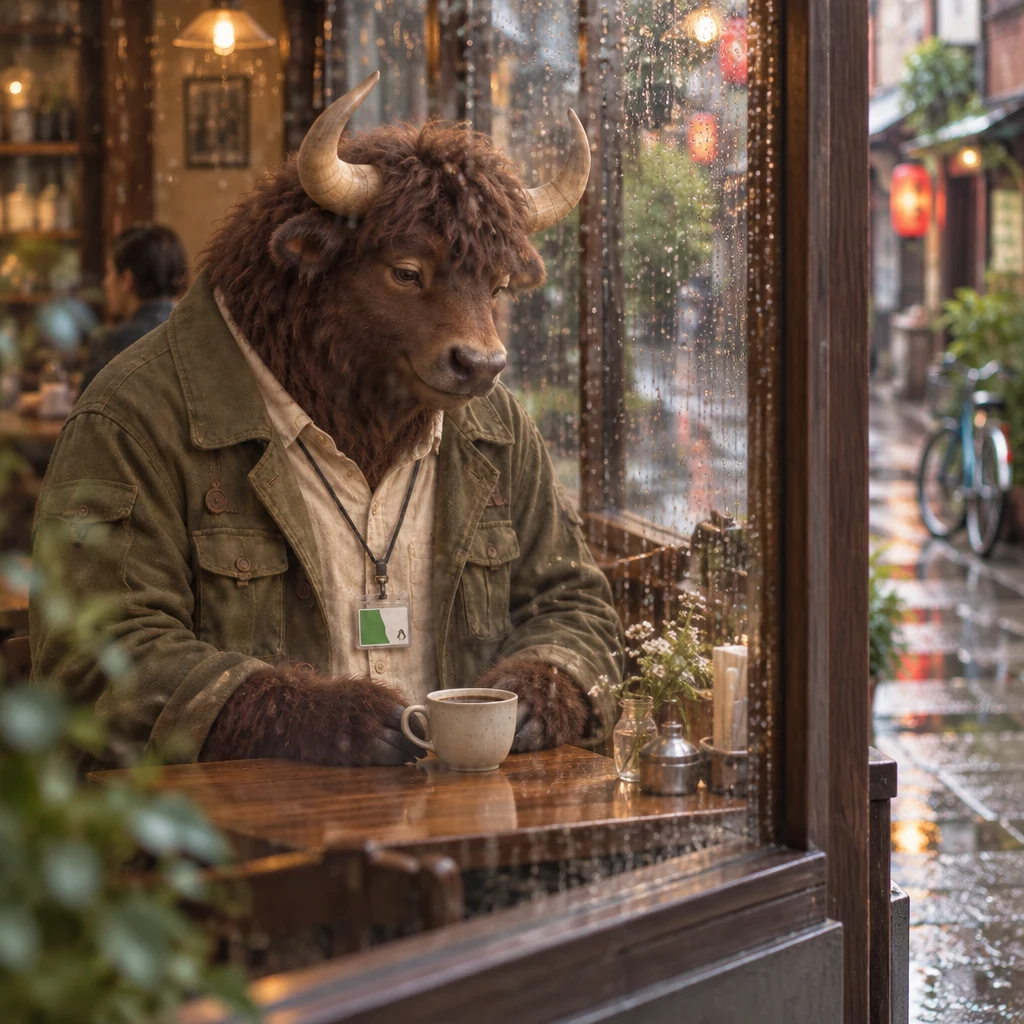
Rain sits on the kissa window while Goro stares at his blend coffee. He starts a story from years ago, then names the wrong year.
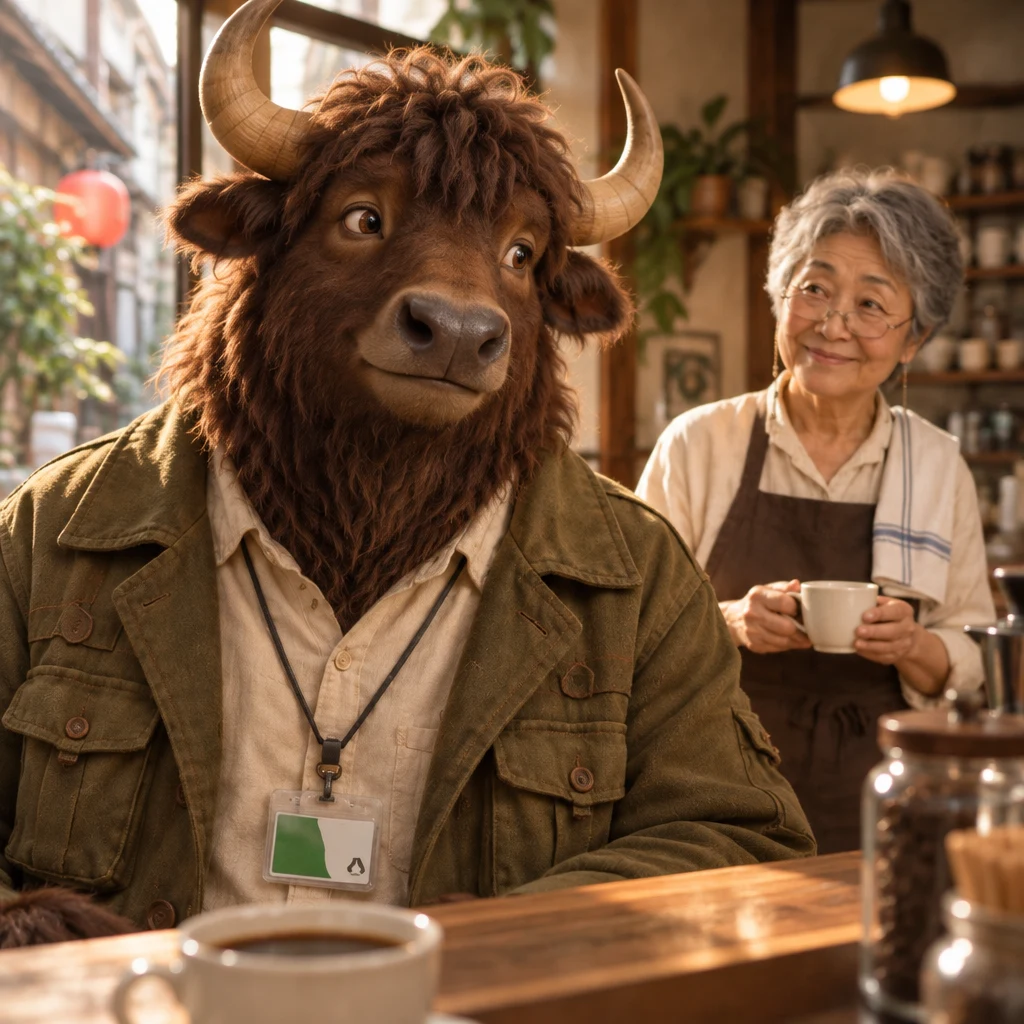
Masako corrects the year and nothing else. The rest of the tale can wait.
You will say when something happened, what you used to do, and how that day felt.
Keep it polite. These lines look back, then say how it went.
By the end of this lesson
Say when something happened in the past and how it went.
- 数年前、ここに来ました。A few years ago, I came here.
- 若いころは、よく歩いていました。I used to walk a lot when I was younger.
- 初めて行ったのは二年前でした。The first time I went was two years ago.
- そのあと、また行きました。After that, I went again.
- その日のことを覚えています。I remember that day.
- そんなに楽しいとは思いませんでした。I didn't expect it to be that fun.
Scene — the wrong year
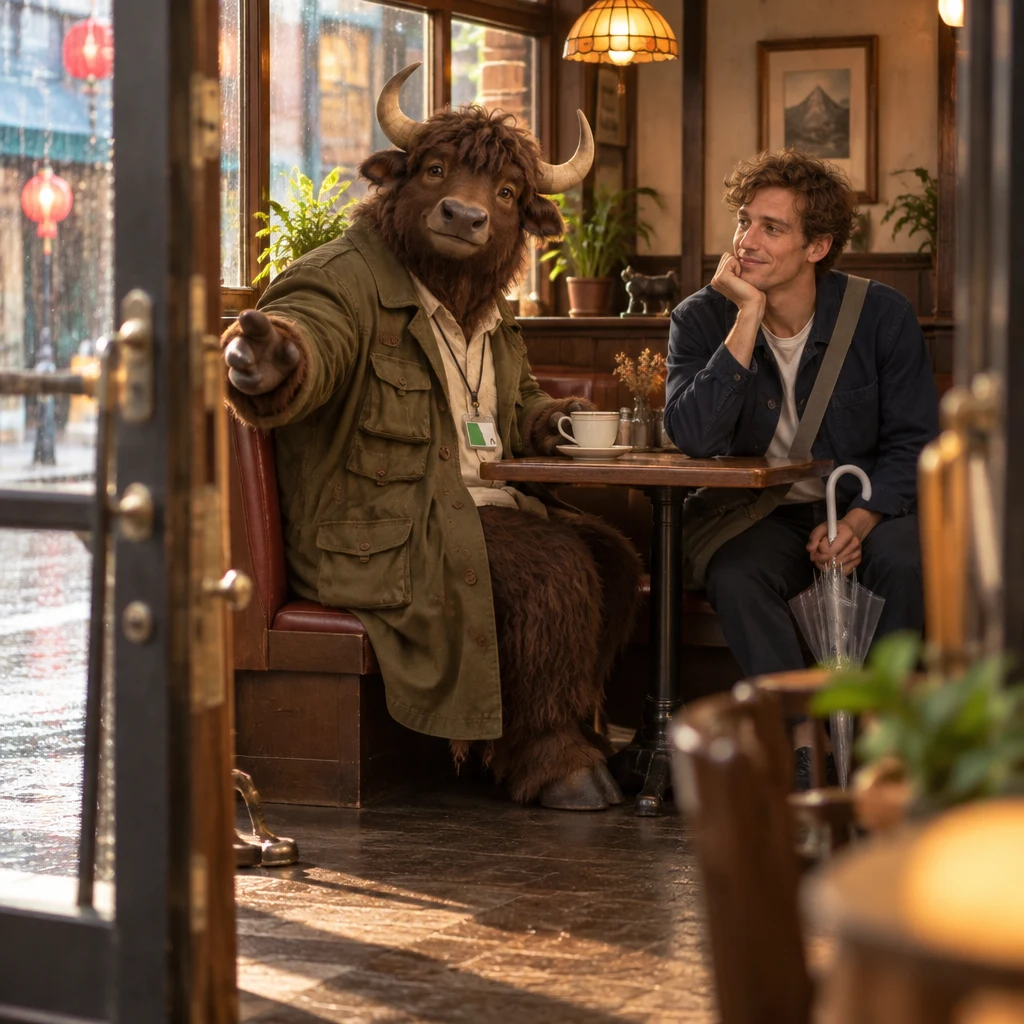
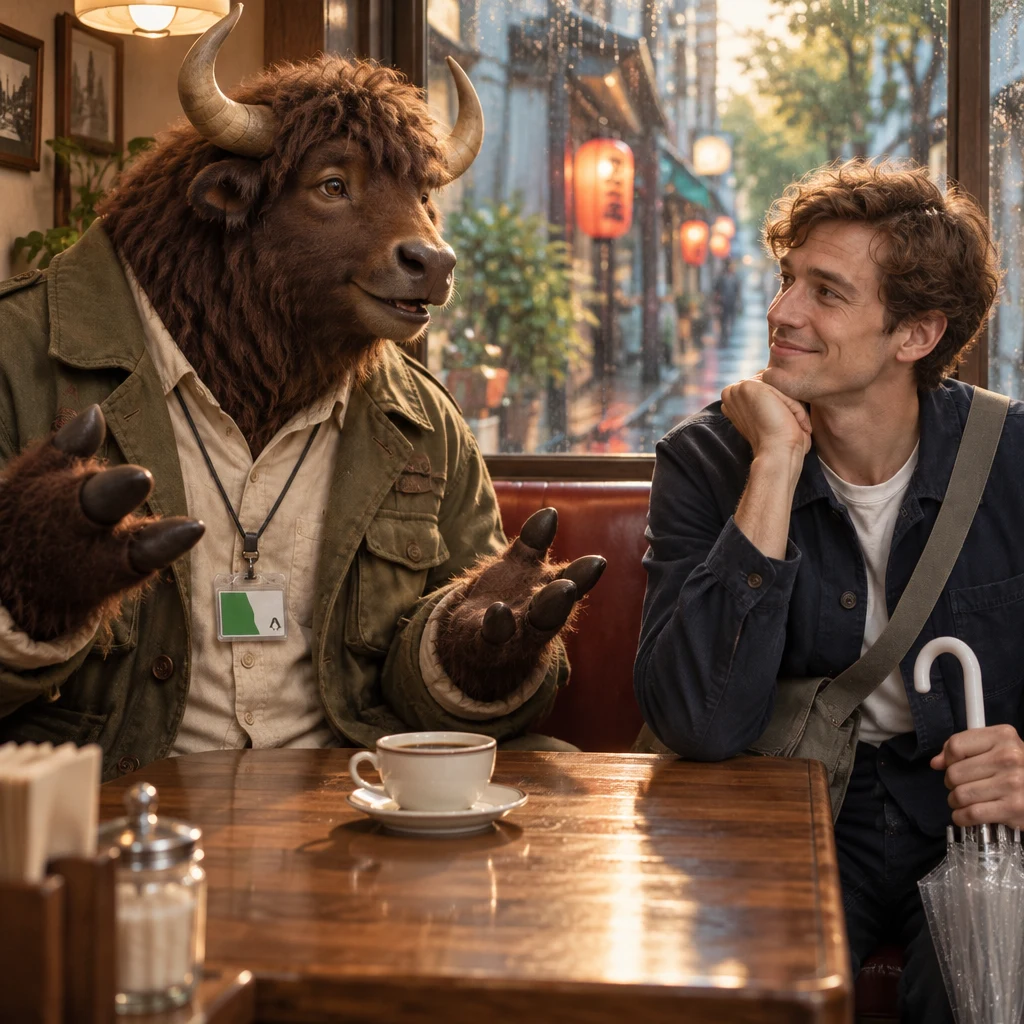
Afternoon light hits the booth at Kissa Hotaru. Leo sits across from Goro, whose blend coffee is still full. Masako wipes a cup at the counter.
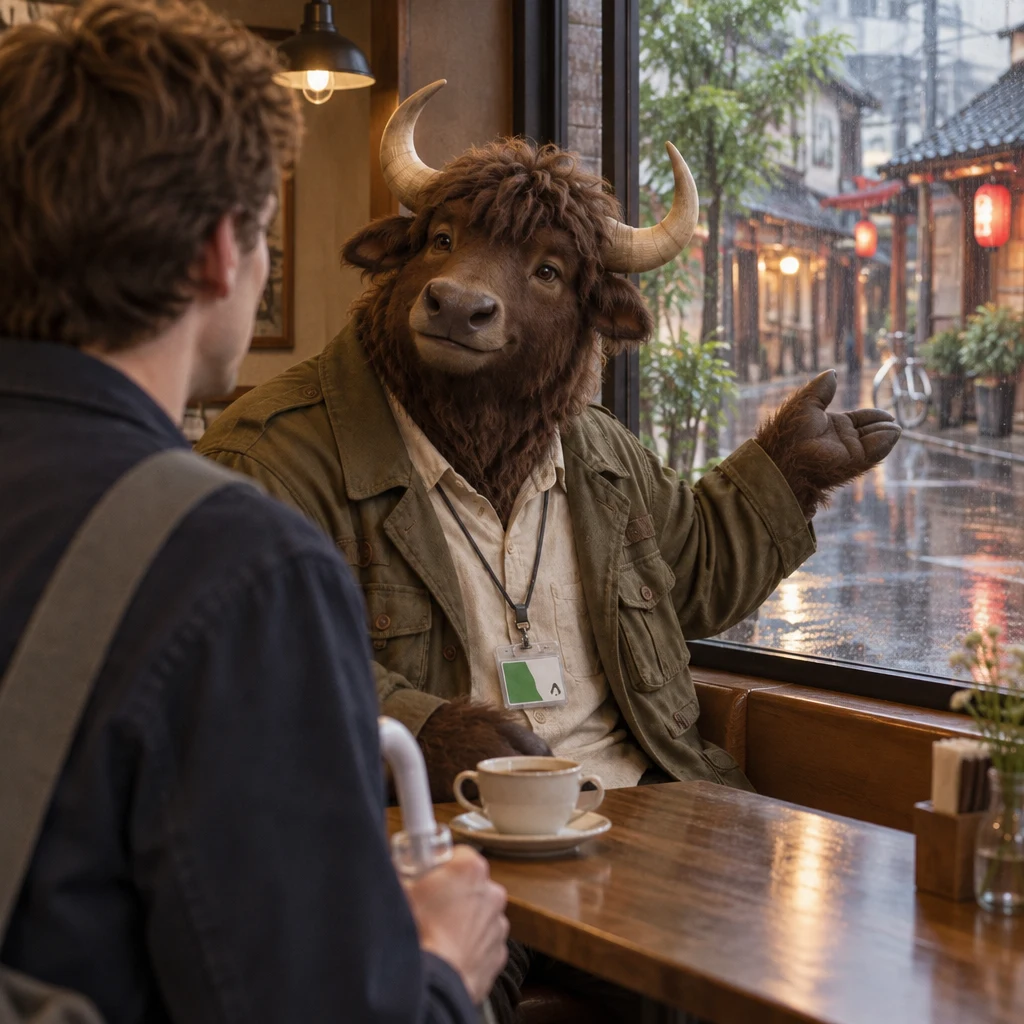
Goro looks at the rain and starts a story from years ago. He will get the year wrong.
Learn — when and how
These six new lines name a time in the past, a habit from younger days, and how a day felt.
You say when you went, then what happened after.
数年前、ここに来ました。
A few years ago, I came here.
When to use it: Use this to say you arrived somewhere a few years back.
に marks the place you came to. Put the time phrase first.
若いころは、よく歩いていました。
I used to walk a lot when I was younger.
When to use it: Use this for a habit you had when you were younger.
て-form plus いました shows a past habit, not one walk.
Say it: Keep the い in ていました as its own beat.
初めて行ったのは二年前でした。
The first time I went was two years ago.
When to use it: Use this to name when you first went somewhere.
の makes 行った into a noun-like phrase; は marks that phrase as the topic.
そのあと、また行きました。
After that, I went again.
When to use it: Use this to say you went back after that first time.
そのあと lines up the next past event after the one you just named.
その日のことを覚えています。
I remember that day.
When to use it: Use this when a past day is still clear in your mind.
を marks what you remember; ています is a present state.
そんなに楽しいとは思いませんでした。
I didn't expect it to be that fun.
When to use it: Use this when something was more fun than you expected.
とは before 思いませんでした marks the thought you did not have.
Say it: Give ん in 思いません its own beat.
Story — goro loses the year
Goro starts a story from years ago and names the wrong year. Masako corrects the year, not the tale.
Highlighted phrases are the new lines. Turn on Show English if you want a gloss.
- Afternoon in the booth. Goro still has not touched his coffee.
 Goro数年前、ここに来ました。A few years ago, I came here.
 Leoそれはいつでしたか。When was that?
- Goroええと、十年前です。Um, it was ten years ago.
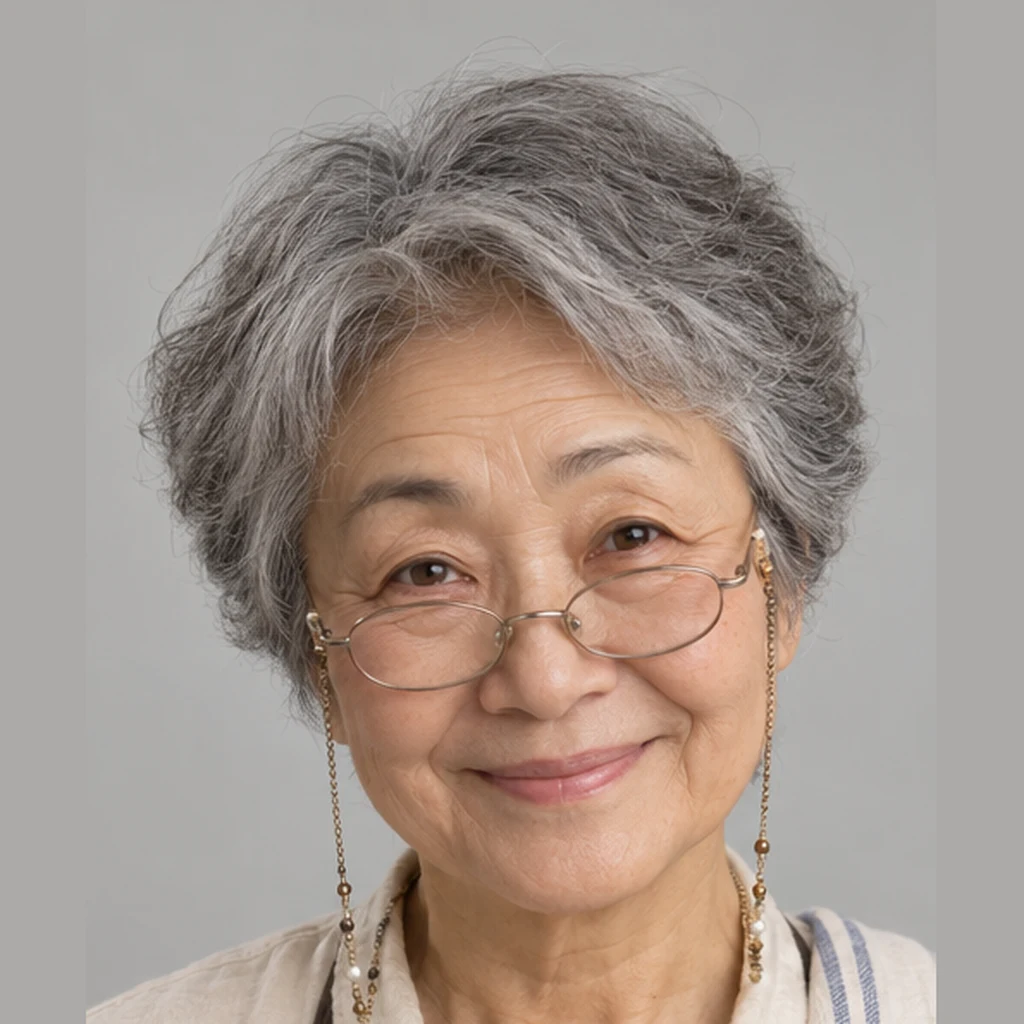 Masako違いますよ。五年前です。That's not right. It was five years ago.
- Goro blinks at her. He lost the year, not the rest.
- Goroそうでしたか。Oh, was it?
- He looks at the rain on the lane.
- Goro若いころは、よく歩いていました。I used to walk a lot when I was younger.
- He glances toward Ueno, beyond the wet lane.
- Goro上野にも行きました。I went to Ueno, too.
- Leo上野に初めて行ったのはいつでしたか。When was the first time you went to Ueno?
- Goro初めて行ったのは二年前でした。The first time I went was two years ago.
- Leoそのあと、どうなりましたか。What happened next?
- Goroそのあと、また行きました。After that, I went again.
- He stares at the cup. The first-time tale is still unfinished.
- Goroその日のことを覚えています。I remember that day.
- Masakoそうですか。I see.
- Goroそんなに楽しいとは思いませんでした。I didn't expect it to be that fun.
- Goro draws a breath to go on. Masako lifts a hand.
- Masako続きはまた今度ですよ。The rest can wait until next time.
Practice — pick the past
Ten short tasks wait in this round. You will listen, fill a gap, swap a word, and build a line.
Each one is small, so you move on quickly.
0 of 10 done
What did you hear?
What did you hear?
Match the pairs
Japanese
若いころは、よく歩いていました。Drop the English here初めて行ったのは二年前でした。Drop the English hereその日のことを覚えています。Drop the English hereEnglish
What do you say?
What do you say?
Goro mentioned a trip from years ago. You want the year, not how it felt.
Fill the gap
Fill the gap
A few years ago, I came here.
数年前、ここ____来ました。
Pick the reply
Goro says:
Pick the reply
初めて行ったのは二年前でした。
The first time I went was two years ago.
And you reply with:
Build the line
Build the line
After that, I went again.
、。
Tap the words in order.
What does it mean?
What does it mean?
そんなに楽しいとは思いませんでした。
Swap the word
Swap the word
You mean two years ago, not three. Fix the number.
初めて行ったのは____前でした。
Find the mistake
Find the mistake
What do you say?
What do you say?
You already know it was two years ago. Ask Goro what that day felt like.
Say it — your turn to speak
You are Leo in the booth. First help Goro with his own line about coming here years ago. Then the other cues are yours.
When the cue is yours, tap the microphone and say the line.
Tap play first if you want to hear it. The recording stays on this device.
- Goroええと、何と言いましたか。Um, what did I say?
- Leo (you)Help Goro: say you came here a few years ago.
Help Goro: say you came here a few years ago.
数年前、ここに来ました。
A few years ago, I came here.
0 of 6 said
Recap — what you can say now
| Japanese | English | Play |
|---|---|---|
| 数年前、ここに来ました。 | A few years ago, I came here. | |
| 若いころは、よく歩いていました。 | I used to walk a lot when I was younger. | |
| 初めて行ったのは二年前でした。 | The first time I went was two years ago. | |
| そのあと、また行きました。 | After that, I went again. | |
| その日のことを覚えています。 | I remember that day. | |
| そんなに楽しいとは思いませんでした。 | I didn't expect it to be that fun. |
Save your progress — it’s free
Keep your place in the course and see which lines you’ve learned.
Want the next lesson in your inbox?
Get the next lesson by email, one a day.
Join the newsletterDaily lesson emails are coming soon. Newsletter subscribers get them first.
Keep practicing with Yak Cards
Keep these past lines in your pocket. Open the Yak Cards for this lesson and run them on the train.
A short Yak Cards round keeps when and how ready for the next story.
Open Yak Cards