Japanese - Follow-up Questions

Lesson 26 of 168

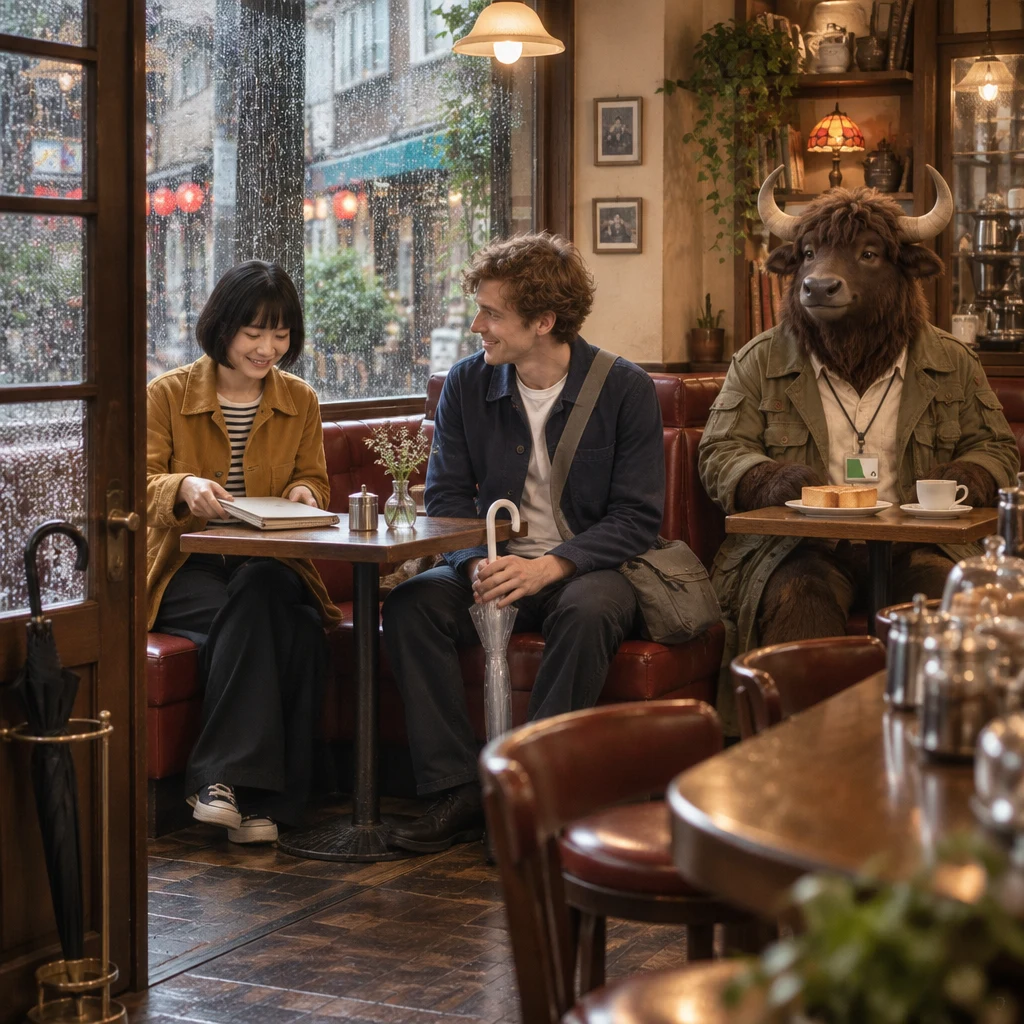
Two people in a café practicing polite Japanese follow-up questions, speech bubbles with Japanese phrases visible.

Goal: Ask for clarification and keep the conversation going

Free Japanese lessons with guided practice, audio, and speaking support.

Welcome back! In this lesson you'll practice polite follow-up questions that help conversations feel natural and clear. Listen, repeat, and use these phrases to ask for more information or to check you understood correctly.

Level A2: This short lesson focuses on polite follow-up questions you can use in everyday conversations — for example, asking "What do you mean?", "Can you speak more slowly?", and "What happened next?". You'll hear the phrases in a mini-dialogue, practice with quizzes and matching, and then say each phrase aloud. (CEFR-aligned.)

After this lesson you'll be able to:

  • Recognize and use common polite follow-up questions in conversation (Level A2).
  • Ask for clarification, details, time/place, and feelings politely.
  • Practice hearing and repeating these phrases so you can use them naturally.
A casual meeting scene where a learner asks follow-up questions in Japanese about someone's story.

Ready? Let's go!

When you tap play on phrases, we track your progress through this lesson.

1. Reading + Listening Practice

Hear core phrases, repeat aloud.

どういう意味ですか。

Dō iu imi desu ka.

What do you mean?

Meaning: What do you mean?

When to use: Use this to ask someone to explain the meaning of what they just said. Casual: 「どういう意味?」

Tip: Don't confuse this with どういうことですか。Both work, but どういう意味ですか focuses more on 'meaning'.

すみません、今の文はどういう意味ですか。

Sumimasen, ima no bun wa dō iu imi desu ka.

Excuse me, what does that sentence mean?
「先に進むって」って、どういう意味ですか。

「Saki ni susumu tte"tte, dō iu imi desu ka.

When you say 'move forward', what do you mean?

もう少しゆっくり話してもらえますか。

Mō sukoshi yukkuri hanashite moraemasu ka.

Can you speak more slowly, please?

Meaning: Can you speak more slowly, please?

When to use: Ask when the speaker is talking too fast and you need slower speech. This is polite and useful in conversations with new speakers.

Tip: Avoid saying おそく話して when you mean 'speak more slowly' — おそく means 'later' or 'slow' in a different sense. Use ゆっくり.

すみません、もう少しゆっくり話してもらえますか。

Sumimasen, mō sukoshi yukkuri hanashite moraemasu ka.

Excuse me, could you speak a little more slowly?
電話の相手が早いので、もう少しゆっくり話してもらえますかと頼みました。

Denwa no aite ga hayai node, mō sukoshi yukkuri hanashite moraemasu ka to tanomimashita.

The person on the phone was fast, so I asked them to speak more slowly.

___のスペルはどう書きますか?

___ no superu wa dō kakimasu ka?

How do you spell ___?

Meaning: How do you spell ___?

When to use: Use ___のスペルはどう書きますか? to ask for the spelling of a word or name, especially in English or foreign words. For Japanese names/kanji you can also use ___はどう書きますか?

ジョンのスペルはどう書きますか?

Jon no superu wa dō kakimasu ka?

How do you spell John?
この単語のスペルはどう書きますか?

Kono tango no superu wa dō kakimasu ka?

How do you spell this word?

___について、もう少し教えてもらえますか?

___ ni tsuite, mō sukoshi oshiete moraemasu ka?

Can you tell me more about ___?

Meaning: Can you tell me more about ___?

When to use: Use ___について、もう少し教えてもらえますか? to ask someone to give more detail about a topic already mentioned.

プロジェクトについて、もう少し教えてもらえますか?

Purojekuto ni tsuite, mō sukoshi oshiete moraemasu ka?

Can you tell me more about the project?
そのイベントについて、もう少し教えてもらえますか。

Sono ibento ni tsuite, mō sukoshi oshiete moraemasu ka.

Could you tell me more about that event?

そのあと、どうなりましたか?

Sono ato, dō narimashita ka?

What happened next?

Meaning: What happened next?

When to use: Ask for the next event in a story using そのあと、どうなりましたか? when someone pauses or ends without finishing the sequence.

そのあと、どうなりましたか?話の続きを聞かせてください。

Sono ato, dō narimashita ka? Hanashi no tsuzuki o kikasete kudasai.

What happened next? Please tell me the rest of the story.
事故の話を聞いて、思わず「そのあと、どうなりましたか?」と聞きました。

Jiko no hanashi o kiite, omowazu "sono ato, dō narimashita ka?" to kikimashita.

Hearing about the accident, I blurted out 'What happened next?'

どうしてそう思いますか?

Dōshite sō omoimasu ka?

Why do you think that?

Meaning: Why do you think that?

When to use: Use どうしてそう思いますか? to politely ask for the reason behind someone's opinion or statement.

A: この計画は難しいと思います。 B: どうしてそう思いますか?

A: Kono keikaku wa muzukashii to omoimasu. B: Dōshite sō omoimasu ka?

A: I think this plan is difficult. B: Why do you think that?
その意見に対して、どうしてそう思うのか尋ねました。

Sonoiken ni taishite, dōshite sō omou no ka tazunemashita.

I asked why they felt that way about the opinion.

それについて、どう感じましたか?

Sore ni tsuite, dō kanjimashita ka?

How did you feel about it?

Meaning: How did you feel about it?

When to use: Ask about someone's reaction or feelings with それについて、どう感じましたか?. For thoughts, どう思いましたか? is also common.

旅行に行って、現地の人に会ったとき、あなたはそれについてどう感じましたか?

Ryokō ni itte, genchi no hito ni atta toki, anata wa sore ni tsuite dō kanjimashita ka?

When you went on the trip and met locals, how did you feel about it?
インタビューを受けて、それについてどう感じましたかと聞かれた。

Intabyū o ukete, sore ni tsuite dō kanjimashita ka to kikareta.

After the interview I was asked how I felt about it.

あなたはどうですか?

Anata wa dō desu ka?

What about you?

Meaning: What about you?

When to use: Use あなたはどうですか? to return the same question politely. In natural speech, people often use a name + さんは? or casual forms.

Tip: Using あなた can sound direct in Japanese; using the person's name + さんは is often softer in real conversations.

私は寿司が好きです。あなたはどうですか?

Watashi wa sushi ga suki desu. Anata wa dō desu ka?

I like sushi. What about you?
旅行の話をした後で、彼女は「あなたはどうですか?」と尋ねた。

Ryokō no hanashi o shita ato de, kanojo wa "anata wa dō desu ka?" to tazuneta.

After talking about travel, she asked, 'What about you?'

どんな___ですか?

Donna ___ desu ka?

What kind of ___?

Meaning: What kind of ___?

When to use: Put a noun in the blank: どんな映画ですか? Use this when you want more specific info about type or category.

どんな映画ですか?コメディですか、それともドラマですか。

Donna eiga desu ka? Komedi desu ka, soretomo dorama desu ka?

What kind of movie is it? Is it a comedy or a drama?
どんな仕事ですか?と聞いて詳細を確認しました。

Donna shigoto desu ka? To kiite shōsai o kakunin shimashita.

I asked 'What kind of job is it?' to check the details.

どれのことですか?

Dore no koto desu ka?

Which one are you talking about?

Meaning: Which one are you talking about?

When to use: Use どれのことですか? to ask someone to identify a specific item or choice mentioned earlier.

たくさん写真があるね。どれのことですか?

Takusan shashin ga aru ne. Dore no koto desu ka?

There are many photos. Which one are you talking about?
その名前は複数あります。どれのことですかと確認した。

Sono namae wa fukusū arimasu. Dore no koto desu ka to kakunin shita.

There are several with that name. I checked which one they meant.

それはいつでしたか?

Sore wa itsu deshita ka?

When was that?

Meaning: When was that?

When to use: Ask それはいつでしたか? to find out the time of an event already mentioned.

コンサート、楽しかったです。A: それはいつでしたか?

Konsāto, tanoshikatta desu. A: Sore wa itsu deshita ka?

The concert was fun. A: When was that?
事故のことを聞いて、すぐにそれはいつでしたかと尋ねました。

Jiko no koto o kiite, sugu ni sore wa itsu deshita ka to tazunemashita.

I heard about the accident and immediately asked, 'When was that?'

それはどこで起きましたか?

Sore wa doko de okimashita ka?

Where did that happen?

Meaning: Where did that happen?

When to use: Use それはどこで起きましたか? to ask about the place of an event already mentioned.

ニュースの出来事について、記者が『それはどこで起きましたか?』と聞いた。

Nyūsu no dekigoto ni tsuite, kisha ga 'sore wa doko de okimashita ka?' to kiita.

Regarding the news event, the reporter asked, 'Where did that happen?'
そのケガはどこで起きましたかと病院で聞かれた。

Sono kega wa doko de okimashita ka to byōin de kikareta.

At the hospital I was asked, 'Where did that injury happen?'

だれと一緒にいましたか?

Dare to issho ni imashita ka?

Who were you with?

Meaning: Who were you with?

When to use: Ask だれと一緒にいましたか? to find out who was involved or accompanied someone during an event.

その時、だれと一緒にいましたか?と友達に聞きました。

Sono toki, dare to issho ni imashita ka? To tomodachi ni kikimashita.

I asked my friend, 'Who were you with at that time?'
事故について報告する際、警官はだれと一緒にいましたかと尋ねた。

Jiko ni tsuite hōkoku suru sai, keikan wa dare to issho ni imashita ka to tazuneta.

When reporting the accident, the officer asked, 'Who were you with?'

2. Conversational Listening Practice

Hear phrases in a real mini-conversation.

Anna tells a short story and David asks polite follow-up questions to understand details.

Anna and David sit at a table; Anna is telling a story and David asks polite clarification questions in Japanese.

What does David ask Anna to do after she speaks quickly?

Portrait of Anna in a Japanese lesson dialogue

Anna

昨日、小さな事故があって…

Kinō, chiisa na jiko ga atte…

Yesterday there was a small accident...

Portrait of David in a Japanese lesson dialogue

David

そのあと、どうなりましたか?

Sono ato, dō narimashita ka?

What happened next?

Portrait of Anna in a Japanese lesson dialogue

Anna

すぐに救急車が来て、病院に行きました。

Sugu ni kyūkyūsha ga kite, byōin ni ikimashita.

An ambulance came right away and we went to the hospital.

Portrait of David in a Japanese lesson dialogue

David

すみません、もう少しゆっくり話してもらえますか。

Sumimasen, mō sukoshi yukkuri hanashite moraemasu ka.

Excuse me, could you speak a bit more slowly?

Portrait of Anna in a Japanese lesson dialogue

Anna

はい、ごめんなさい。ええと、まず歩道で転んで…

Hai, gomen nasai. Ē to, mazu hodō de koronde…

Yes, sorry. Um, first I fell on the sidewalk...

Portrait of David in a Japanese lesson dialogue

David

だれと一緒にいましたか?

Dare to issho ni imashita ka?

Who were you with?

Portrait of Anna in a Japanese lesson dialogue

Anna

友達と一緒でした。あなたはどうですか?

Tomodachi to issho deshita. Anata wa dō desu ka?

I was with a friend. What about you?

3. Guided Practice

Quizzes and matching to lock in meaning.

Which phrase politely asks someone to explain the meaning?

You didn't catch the speaker because they were talking fast. Which phrase do you use?

Which question asks someone to tell you more about a topic?

You want to know when a past event happened. Which phrase do you choose?

I don't know how to write the new word you said. How do you spell ___?

あなたが言った新しい単語の書き方がわかりません。___

Hearing his story surprised me. I immediately asked, 'Where did that happen?'

彼の話を聞いて驚きました。すぐに、___ と聞きました。

I listened to the presentation and didn't understand, so at the end I asked, 'What do you mean?'

プレゼンを聞いて、よくわからなかったので、最後に相手に『___』と聞きました。

Match the core phrases

Match the extra phrases

4. Speaking Practice

Say phrases yourself (mic/recording).

Recording stays on your device only. Check speech uses your browser's speech tools when available.

Say this phrase out loud:

どういう意味ですか。

Dō iu imi desu ka.

What do you mean?

Say this phrase out loud:

もう少しゆっくり話してもらえますか。

Mō sukoshi yukkuri hanashite moraemasu ka.

Can you speak more slowly, please?

Say this phrase out loud:

___のスペルはどう書きますか?

___ no superu wa dō kakimasu ka?

How do you spell ___?

Say this phrase out loud:

___について、もう少し教えてもらえますか?

___ ni tsuite, mō sukoshi oshiete moraemasu ka?

Can you tell me more about ___?

Say this phrase out loud:

そのあと、どうなりましたか?

Sono ato, dō narimashita ka?

What happened next?

Say this phrase out loud:

どうしてそう思いますか?

Dōshite sō omoimasu ka?

Why do you think that?

Say this phrase out loud:

それについて、どう感じましたか?

Sore ni tsuite, dō kanjimashita ka?

How did you feel about it?

Say this phrase out loud:

あなたはどうですか?

Anata wa dō desu ka?

What about you?

Say this phrase out loud:

どんな___ですか?

Donna ___ desu ka?

What kind of ___?

Say this phrase out loud:

どれのことですか?

Dore no koto desu ka?

Which one are you talking about?

Say this phrase out loud:

それはいつでしたか?

Sore wa itsu deshita ka?

When was that?

Say this phrase out loud:

それはどこで起きましたか?

Sore wa doko de okimashita ka?

Where did that happen?

Say this phrase out loud:

だれと一緒にいましたか?

Dare to issho ni imashita ka?

Who were you with?