
New here? This is lesson 201 of a free 240-lesson Japanese course.
How I'm feeling in Japanese
A long meeting follows Leo from the Ueno office to Kissa Hotaru, where he meets Haruka as rain ticks against the window.
He tells her that work has been stressful and the meeting left him tired.
Learn to describe your mood and what caused it, using two useful patterns: one links a cause to a result, and one describes what happens when something occurs.
These are everyday ways to talk about your own feelings, not to react to someone else.
By the end of this lesson
Describe your mood and explain what caused it.
- 最近はストレスがたまっています。I've been stressed lately.
- 今日は気分がよくないです。I'm not in a great mood today.
- 会議が長くて疲れました。The meeting ran long, so I'm tired.
- それを考えるとうれしくなります。When I think of that, I feel happy.
- 今は少し楽になりました。I feel a bit lighter now.
- 雨の音を聞くと落ち着きます。The sound of rain calms me down.
Scene — rain after a long meeting
After a long meeting, Leo meets Haruka at Kissa Hotaru in Yanaka. Rain taps the window while the two friends settle into a red booth.
Goro sits in the corner with his blend coffee still untouched. The old black umbrella remains in its stand by the door.

Learn — name the feeling
These six lines help you describe stress, a low mood, tiredness, happiness, and feeling calmer.
Notice how one line connects a cause to a result, while another explains what tends to happen when you hear something.

最近はストレスがたまっています。
I've been stressed lately.
When to use it: Use this to describe stress that has been building up recently.
最近は signals a recent period, and たまっています describes stress that has built up and remains.

今日は気分がよくないです。
I'm not in a great mood today.
When to use it: Use this to describe your mood today without making it sound overly strong.
よくない is a natural, softer way to say your mood is bad.

会議が長くて疲れました。
The meeting ran long, so I'm tired.
When to use it: Use this to explain that a long meeting made you tired.
The て-form 長くて links the long meeting to 疲れました as its result.

それを考えるとうれしくなります。
When I think of that, I feel happy.
When to use it: Use this to say that thinking about something brings you happiness.
と after 考える marks a trigger: thinking of that brings on the happy feeling.

今は少し楽になりました。
I feel a bit lighter now.
When to use it: Use this when you feel a little better than you did before.
に after 楽 marks the new state you have reached.

雨の音を聞くと落ち着きます。
The sound of rain calms me down.
When to use it: Use this to describe how hearing rain tends to affect you.
と after 聞く describes a result that tends to happen when you hear rain.
Story — rain at the kissa
After work, Leo meets Haruka at the kissa and explains how the long meeting affected his mood.
Rain on the window steadies him. Highlighted phrases are new lines; turn on Show English for a gloss.
- Rain moves across the kissa window. Haruka slides into the booth beside Leo.
 Haruka最近、仕事どう?How has work been lately?
 Leo最近はストレスがたまっています。I've been stressed lately.
- Harukaそっか。今日はどんな感じ?I see. How are you feeling today?
- Leo今日は気分がよくないです。I'm not in a great mood today.
- Haruka何があったの?What happened?
- Leo会議が長くて疲れました。The meeting ran long, so I'm tired.
- Harukaそっか。京都の話でもしようか。I see. Want to talk about Kyoto?
- Leoそれを考えるとうれしくなります。When I think of that, I feel happy.
- Rain taps steadily against the glass. Goro sits in the corner with his coffee untouched.
- Haruka雨の音、いいね。The sound of rain is nice.
- Leo雨の音を聞くと落ち着きます。The sound of rain calms me down.
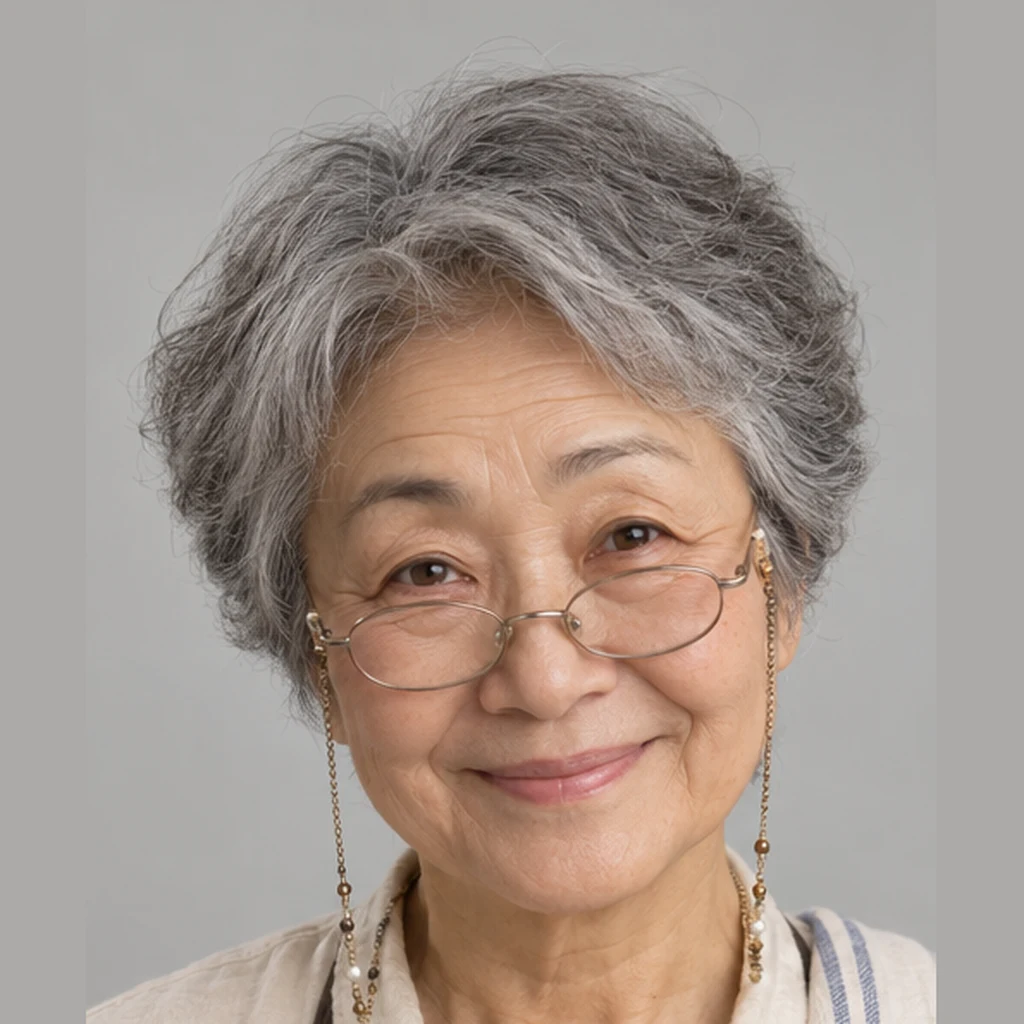 Masakoお水をどうぞ。Here's some water.
- Leoありがとうございます。Thank you.
- Masakoごゆっくりどうぞ。Take your time.
- Leo今は少し楽になりました。I feel a bit lighter now.
 Goro雨の日は、ゆっくりできますね。On rainy days, you can take your time.
Practice — say what caused it
Try ten short tasks: listen for meaning, fill a gap, build a sentence, and choose a fitting reply.
A few tasks also revisit earlier greetings and thanks, so you can switch naturally between topics.
0 of 10 done
What does it mean?
What does it mean?
最近はストレスがたまっています。
Fill the gap
Fill the gap
When I think of that, I feel happy.
それを考える____うれしくなります。
Pick the reply
Haruka says:
Pick the reply
最近、仕事どう?
How has work been lately?
And you reply with:
Build the line
Build the line
The sound of rain calms me down.
。
Tap the words in order.
What do you say?
What do you say?
Haruka asks how your mood is today. Describe today's mood, not your recent stress or the cause of your tiredness.
Swap the word
Swap the word
The meeting ran long and left you tired. Replace the word that says it was short.
会議が____疲れました。
What did you hear?
What did you hear?
Find the mistake
Find the mistake
What do you say?
What do you say?
You meet Haruka and want to greet her with a simple daytime hello.
What do you say?
What do you say?
Masako brings you water at the kissa. Thank her politely.
Say it — talk it through
Imagine you are Leo, catching up with Haruka after a tiring day at work.
Listen to her prompts, then say each line when it is your turn. This is a recording, not a scored speaking check.
- Haruka最近、仕事どう?How has work been lately?
- Leo (you)Tell her you've been stressed lately.
Tell her you've been stressed lately.
最近はストレスがたまっています。
I've been stressed lately.
0 of 4 said
Recap — what you can say now
| Japanese | English | Play |
|---|---|---|
| 最近はストレスがたまっています。 | I've been stressed lately. | |
| 今日は気分がよくないです。 | I'm not in a great mood today. | |
| 会議が長くて疲れました。 | The meeting ran long, so I'm tired. | |
| それを考えるとうれしくなります。 | When I think of that, I feel happy. | |
| 今は少し楽になりました。 | I feel a bit lighter now. | |
| 雨の音を聞くと落ち着きます。 | The sound of rain calms me down. |
Save your progress — it’s free
Keep your place in the course and see which lines you’ve learned.
Want the next lesson in your inbox?
Get the next lesson by email, one a day.
Join the newsletterDaily lesson emails are coming soon. Newsletter subscribers get them first.
Keep practicing with Yak Cards
Keep these mood phrases handy for everyday conversations. Open the Yak Cards for this lesson and practise the cause-and-feeling links.
A quick review helps you explain what affected your mood when someone asks.
Open Yak Cards