Ready to tell a travel story? This lesson helps you describe past trips, ask about experiences, and explain what made a trip memorable. Have fun — imagine souvenirs while you practice!
Level B1: In this lesson you'll practice useful phrases for describing travel experiences: saying where you went, asking if someone has been somewhere, talking about the best parts, surprises, problems, and whether you'd go again. This CEFR-aligned mini-module focuses on natural polite phrases you can use in conversation.
After this lesson you'll be able to:
Use polite phrases to say where you went and how long you stayed (e.g., 昨年、___に行きました。).
Ask and answer experience questions (___に行ったことがありますか。) and describe highlights (一番よかったのは___でした。).
Explain surprises, problems, and how things turned out (___にびっくりしました。, ___で問題がありました。, 最後は全部うまくいきました。).
Practice speaking all target phrases aloud (B1 conversation practice).
Ready? Let's go!
When you tap play on phrases, we track your progress through this lesson.
1. Reading + Listening Practice
Hear core phrases, repeat aloud.
去年、___に行きました。
Kyonen, ___ ni ikimashita.
I went to ___ last year.
Meaning: I went to ___ last year.
When to use: Put a place before に to say where you went in the past (polite).
Tip: Don't forget に after the place (e.g., 京都に).
去年、京都に行きました。
Kyōnen, Kyōto ni ikimashita.
I went to Kyoto last year.
去年、沖縄に行きました。
Kyōnen, Okinawa ni ikimashita.
I went to Okinawa last year.
___に行ったことがありますか。
___ ni itta koto ga arimasu ka.
Have you ever been to ___?
Meaning: Have you ever been to ___?
When to use: Use a place before に. 行ったことがありますか asks about life experience (polite).
Tip: Beginners sometimes use 行きましたか instead; 行ったことがありますか focuses on experience, not a single event.
大阪に行ったことがありますか。
Ōsaka ni itta koto ga arimasu ka.
Have you ever been to Osaka?
台湾に行ったことがありますか。
Taiwan ni itta koto ga arimasu ka.
Have you ever been to Taiwan?
今までで一番よかった旅行の一つでした。
Ima made de ichiban yokatta ryokō no hitotsu deshita.
It was one of the best trips I've ever taken.
Meaning: It was one of the best trips I've ever taken.
When to use: Use this to give a strong positive opinion about a trip (polite).
あのツアーは今までで一番よかった旅行の一つでした。
Ano tsuā wa ima made de ichiban yokatta ryokō no hitotsu deshita.
That tour was one of the best trips I've had.
家族旅行が今までで一番よかった旅行の一つでした。
Kazoku ryokō ga ima made de ichiban yokatta ryokō no hitotsu deshita.
The family trip was one of my best trips.
一番よかったのは___でした。
Ichiban yokatta no wa ___ deshita.
The best part was ___ .
Meaning: The best part was ___.
When to use: Put a noun or short phrase after のは to say what stood out (polite).
一番よかったのは地元の料理でした。
Ichiban yokatta no wa jimoto no ryōri deshita.
The best part was the local food.
一番よかったのは海でのシュノーケルでした。
Ichiban yokatta no wa umi de no shunōkeru deshita.
The best part was snorkeling in the sea.
___にびっくりしました。
___ ni bikkuri shimashita.
I was surprised by ___ .
Meaning: I was surprised by ___.
When to use: Use に after the thing that surprised you (polite).
値段の安さにびっくりしました。
Nedan no yasusa ni bikkuri shimashita.
I was surprised by how cheap the prices were.
景色の美しさにびっくりしました。
Keshiki no utsukushisa ni bikkuri shimashita.
I was surprised by the beauty of the scenery.
___で問題がありました。
___ de mondai ga arimashita.
We had a problem with ___ .
Meaning: We had a problem with ___.
When to use: Use で to mark the area or thing where the problem happened (polite).
予約で問題がありました。
Yoyaku de mondai ga arimashita.
We had a problem with the reservation.
荷物で問題がありましたが、すぐ直りました。
Nimotsu de mondai ga arimashita ga, sugu naorimashita.
We had a problem with luggage, but it was fixed quickly.
最後は全部うまくいきました。
Saigo wa zenbu umaku ikimashita.
In the end, everything was okay.
Meaning: In the end, everything was okay.
When to use: Use this to show that problems were resolved and things turned out well (polite).
遅延がありましたが、最後は全部うまくいきました。
Chien ga arimashita ga, saigo wa zenbu umaku ikimashita.
There was a delay, but in the end everything worked out.
トラブルが心配でしたが、最後は全部うまくいきました。
Toraburu ga shinpai deshita ga, saigo wa zenbu umaku ikimashita.
We were worried about trouble, but in the end everything was fine.
ぜひまた行きたいです。
Zehi mata ikitai desu.
I would definitely go back.
Meaning: I would definitely go back.
When to use: Say this to express you want to repeat the trip (polite).
お店もよかったし、ぜひまた行きたいです。
Omise mo yokatta shi, zehi mata ikitai desu.
The shops were great — I'd definitely like to go again.
ガイドの話が面白かったので、ぜひまた行きたいです。
Gaido no hanashi ga omoshirokatta node, zehi mata ikitai desu.
The guide was interesting, so I'd definitely go back.
旅行で一番よかったのは何ですか。
Ryokō de ichiban yokatta no wa nan desu ka.
What was the best part of your trip?
Meaning: What was the best part of your trip?
When to use: Ask for the most memorable part using 旅行で to mark 'during the trip' (polite).
旅行で一番よかったのは何ですか。
Ryokō de ichiban yokatta no wa nan desu ka.
What was the best part of your trip?
旅行で一番よかったのは写真を撮ることでした。
Ryokō de ichiban yokatta no wa shashin o toru koto deshita.
The best part was taking photos.
そこに行ったら、ぜひ___を試してみてください。
Soko ni ittara, zehi ___ o tameshite mite kudasai.
You should try ___ if you go there.
Meaning: You should try ___ if you go there.
When to use: Put the activity or food after を; use this to recommend something (polite).
そこに行ったら、ぜひ地元の寿司を試してみてください。
Soko ni ittara, zehi jimoto no sushi o tameshite mite kudasai.
If you go there, definitely try the local sushi.
そこに行ったら、ぜひ温泉を試してみてください。
Soko ni ittara, zehi onsen o tameshite mite kudasai.
If you go there, please try the hot springs.
ほとんどの時間を___に使いました。
Hotondo no jikan o ___ ni tsukaimashita.
I spent most of my time ___ .
Meaning: I spent most of my time ___.
When to use: Use a noun/activity before に to say what you mostly did during the trip (polite).
ほとんどの時間を観光に使いました。
Hotondo no jikan o kankō ni tsukaimashita.
I spent most of my time sightseeing.
ほとんどの時間を買い物に使いました。
Hotondo no jikan o kaimono ni tsukaimashita.
I spent most of my time shopping.
___に___日間泊まりました。
___ ni ___ nichi-kan tomarimashita.
We stayed in ___ for ___ days.
Meaning: We stayed in ___ for ___ days.
When to use: Put a place in the first blank and a number of days in the second (polite).
Tip: Be careful with particles and number forms (e.g., 三日間 = mikka-kan).
京都に三日間泊まりました。
Kyōto ni mikka-kan tomarimashita.
We stayed in Kyoto for three days.
東京に五日間泊まりました。
Tōkyō ni itsuka-kan tomarimashita.
We stayed in Tokyo for five days.
___をとても楽しみました。
___ o totemo tanoshimimashita.
I really enjoyed ___ .
Meaning: I really enjoyed ___.
When to use: Put an activity or place after を to say you enjoyed it (polite).
地元の料理をとても楽しみました。
Jimoto no ryōri o totemo tanoshimimashita.
I really enjoyed the local food.
美術館をとても楽しみました。
Bijutsukan o totemo tanoshimimashita.
I really enjoyed the art museum.
2. Conversational Listening Practice
Hear phrases in a real mini-conversation.
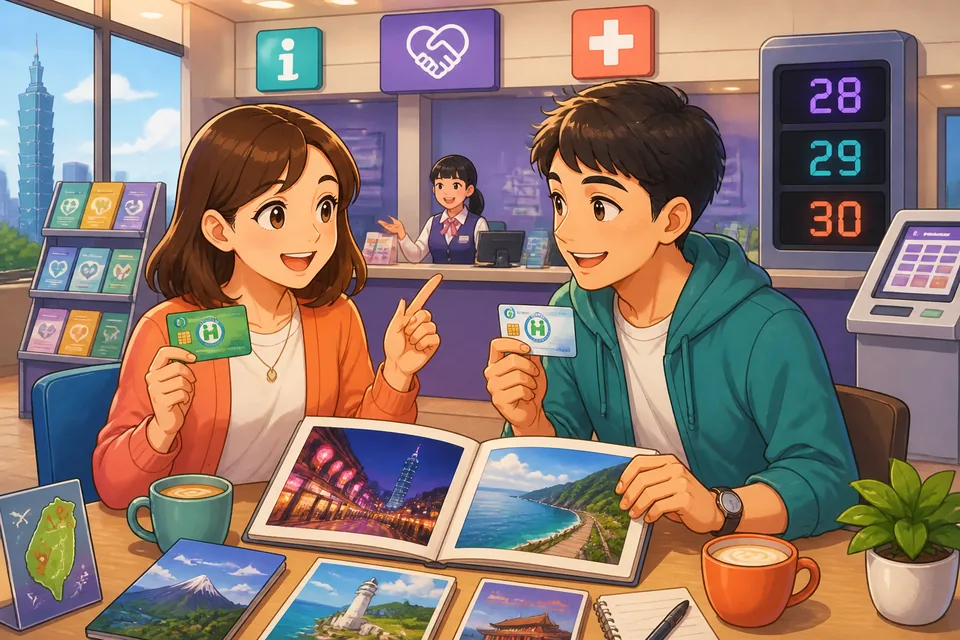
Anna and David compare last year's trips at a café.
Anna
去年、京都に行きました。ほとんどの時間を観光に使いました。
Kyōnen, Kyōto ni ikimashita. Hotondo no jikan o kankō ni tsukaimashita.
I went to Kyoto last year. I spent most of my time sightseeing.
David
いいですね。京都に行ったことがありますか。
Ii desu ne. Kyōto ni itta koto ga arimasu ka.
Nice. Have you ever been to Kyoto?
Anna
はい。今までで一番よかった旅行の一つでした。一番よかったのは寺院でした。
Hai. Ima made de ichiban yokatta ryokō no hitotsu deshita. Ichiban yokatta no wa jiin deshita.
Yes. It was one of the best trips I've had. The best part was the temples.
David
何かびっくりしたことはありましたか?
Nani ka bikkuri shita koto wa arimashita ka?
Was there anything that surprised you?
Anna
人の多さにびっくりしました。でも、最後は全部うまくいきました。ぜひまた行きたいです。
Hito no ōsa ni bikkuri shimashita. Demo, saigo wa zenbu umaku ikimashita. Zehi mata ikitai desu.
I was surprised by how crowded it was. But in the end everything worked out. I'd definitely go again.
3. Guided Practice
Quizzes and matching to lock in meaning.
Which sentence means: 'Have you ever been to Osaka?'
Which sentence says: 'We stayed in Tokyo for five days.'?
Which sentence means: 'In the end, everything was okay.'?
Which sentence is a recommendation: 'If you go there, you should try the hot springs.'?
I went to Kyoto last year. It was a beautiful city.
去年、___に行きました。美しい街でした。
Kyōnen, ___ ni ikimashita. Utsukushii machi deshita.
The best part of the trip was the temples. I can't forget the scenery.
旅行で一番よかったのは___でした。景色が忘れられません。
Ryokō de ichiban yokatta no wa ___ deshita. Keshiki ga wasureraremasen.
I spent most of my time sightseeing. I walked a lot.
ほとんどの時間を___に使いました。たくさん歩きました。
Hotondo no jikan o ___ ni tsukaimashita. Takusan arukimashita.
Match the core phrases
Match the extra phrases
4. Speaking Practice
Say phrases yourself (mic/recording).
Recording stays on your device only. Check speech uses your browser's speech tools when available.
Say this phrase out loud:
去年、___に行きました。
Kyōnen, ___ ni ikimashita.
I went to ___ last year.
Say this phrase out loud:
___に行ったことがありますか。
___ ni itta koto ga arimasu ka.
Have you ever been to ___?
Say this phrase out loud:
今までで一番よかった旅行の一つでした。
Ima made de ichiban yokatta ryokō no hitotsu deshita.
It was one of the best trips I've ever taken.
Say this phrase out loud:
一番よかったのは___でした。
Ichiban yokatta no wa ___ deshita.
The best part was ___.
Say this phrase out loud:
___にびっくりしました。
___ ni bikkuri shimashita.
I was surprised by ___.
Say this phrase out loud:
___で問題がありました。
___ de mondai ga arimashita.
We had a problem with ___.
Say this phrase out loud:
最後は全部うまくいきました。
Saigo wa zenbu umaku ikimashita.
In the end, everything was okay.
Say this phrase out loud:
ぜひまた行きたいです。
Zehi mata ikitai desu.
I would definitely go back.
Say this phrase out loud:
旅行で一番よかったのは何ですか。
Ryokō de ichiban yokatta no wa nan desu ka.
What was the best part of your trip?
Say this phrase out loud:
そこに行ったら、ぜひ___を試してみてください。
Soko ni ittara, zehi ___ o tameshite mite kudasai.