
New here? This is lesson 9 of a free 240-lesson Japanese course.
I'm off, I'm home in Japanese
Leo treats Kissa Hotaru like home. He stands at the door, says he is off, and waits for the line you say to someone leaving.
Masako answers from the counter. Goro never stands up, then says he is home anyway.
By the end, you'll leave, come back, and answer both.
You'll also say a short I'll head out first.
These are set pieces. Learn each as one piece and reply with the matching line.
By the end of this lesson
Use the set phrases for leaving and coming back, and answer them.
- いってきます。I'm off.
- いってらっしゃい。See you, take care.
- ただいま。I'm home.
- お帰りなさい。Welcome back.
- お先に。I'll head out first.
- 今出ます。I'm heading out now.
Scene — the kissa door
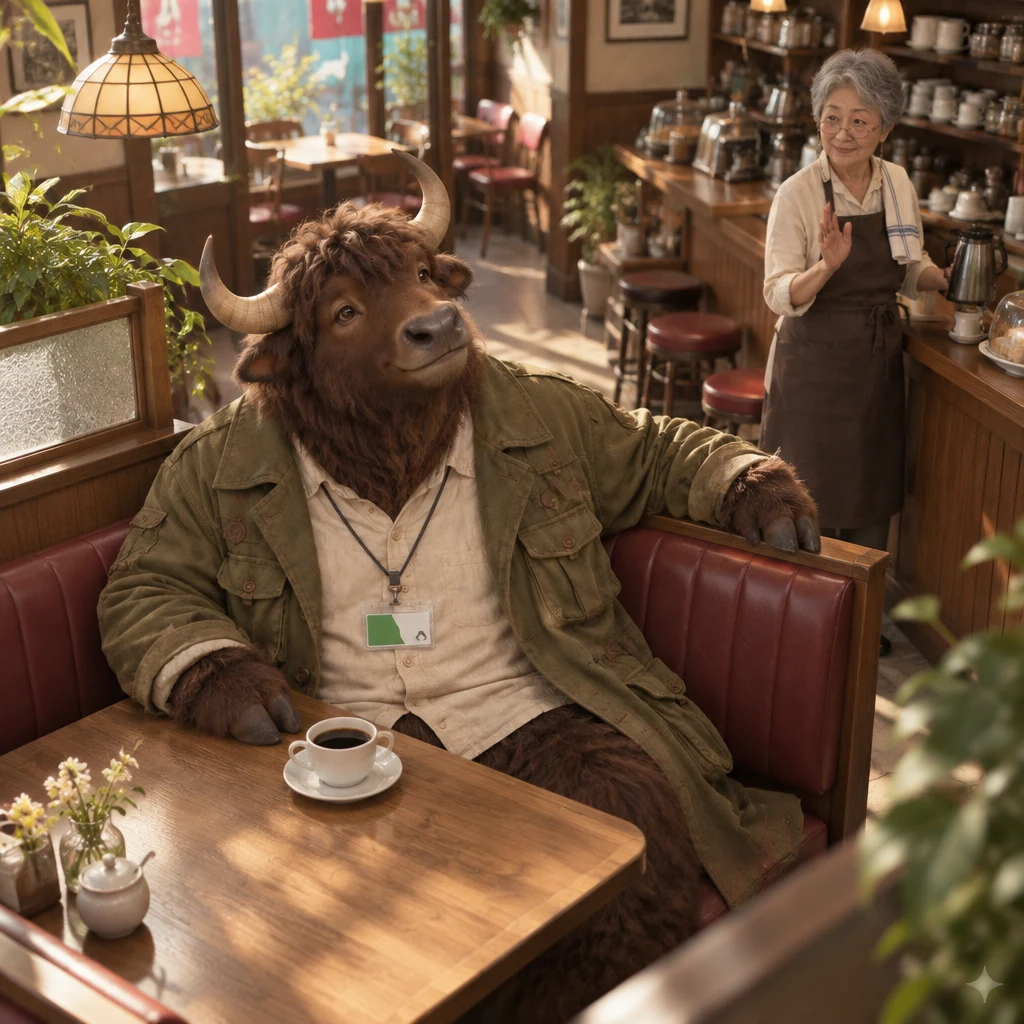
Late morning at Kissa Hotaru. Leo stands at the door with his bag, as if this were home.
Masako watches from the counter. Goro still fills two seats in the corner booth, with a blend coffee he has not touched.

Learn — leaving and coming back
Six set phrases cover leaving, coming back, and the answers you give.
You'll also get a short line for leaving first, and one for walking out now.

いってきます。
I'm off.
When to use it: Say this when you leave home, to the people staying.
Learn it as one piece for leaving.
Say it: The small っ is a tight stop before て.

いってらっしゃい。
See you, take care.
When to use it: Say this to someone leaving, if you are staying.
Learn it as one piece to send them off.

ただいま。
I'm home.
When to use it: Say this when you walk back in the door.
Learn it as one piece for coming home.

お帰りなさい。
Welcome back.
When to use it: Say this when someone comes back through the door.
Learn it as one piece to welcome them home.
お先に。
I'll head out first.
When to use it: Say this when you leave before the others.
Learn it as one piece, a short leave-first line.

今出ます。
I'm heading out now.
When to use it: Say this when you are walking out the door now.
Learn it as one piece to say you are leaving.
Story — as if it were home
Watch Leo treat the kissa door like home. Masako sends him off. Goro never stands, then says he is home.
The highlighted words are the lines you just learned. Turn on Show English if you need it.
- Rain has stopped. Leo stands at the booth with his bag.
 Leoお先に。I'll head out first.
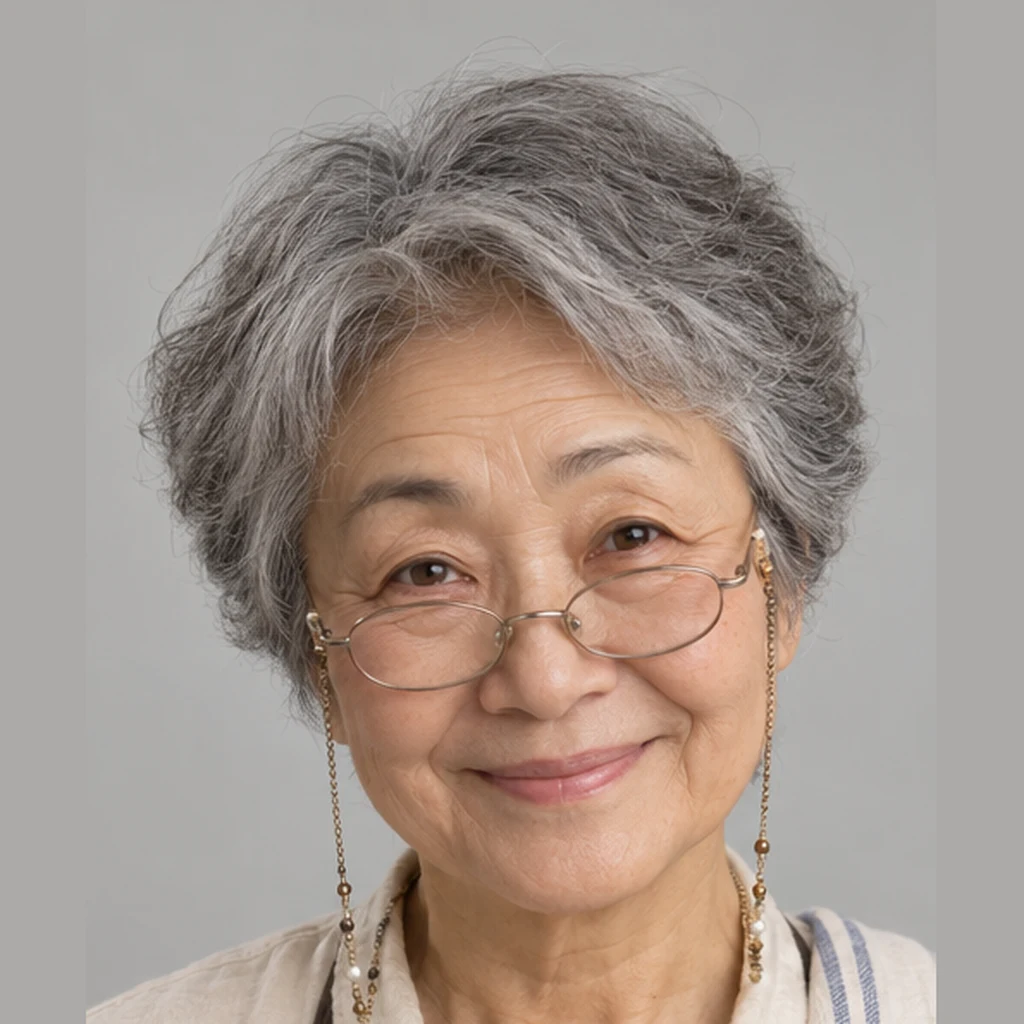 Masakoどうぞ。Go ahead.
- At the door, Leo treats the kissa like home.
- Leoいってきます。I'm off.
- Masakoいってらっしゃい。See you, take care.
- Goro stays in the booth. His blend coffee is still full.
 Goroただいま。I'm home.
- Masakoまだですよ。Not yet.
- A little later. Leo pushes the door open.
- Masakoいらっしゃいませ。Welcome.
- Leoただいま。I'm home.
- Masakoお帰りなさい。Welcome back.
- Leo takes his bag from the seat.
- Leo今出ます。I'm heading out now.
Practice — off or back
Eleven quick exercises wait here. You'll listen, match, fill a gap, and build a line.
They stay tiny, so the round moves fast.
0 of 11 done
What did you hear?
What did you hear?
Match the pairs
Japanese
いってきます。Drop the English hereいってらっしゃい。Drop the English hereただいま。Drop the English hereお帰りなさい。Drop the English hereEnglish
What do you say?
What do you say?
You stand at the kissa door, treating it like home. You are the one leaving.
Pick the reply
Masako says:
Pick the reply
いってきます。
I'm off.
And you reply with:
Fill the gap
Fill the gap
I'll head out first.
____に。
What does it mean?
What does it mean?
ただいま。
Swap the word
Swap the word
You are at the door, on your way out this minute.
今____。
Build the line
Build the line
Welcome back.
。
Tap the words in order.
Which one doesn’t belong?
Which one doesn’t belong?
True or false?
True or false?
Say this when you come home.
Put the chat in order
- LeoWhat comes first?
- Masako…
- Leo…
- Masako…
Say it — say it at the door
Now you're Leo at the kissa door. When it's your turn, tap the microphone and speak the line.
Tap ▶ first if you want to hear the line. Your recording stays on your device.
- Leo (you)Say you're off, as if this were home.
Say you're off, as if this were home.
いってきます。
I'm off.
0 of 3 said
Recap — what you can say now
| Japanese | English | Play |
|---|---|---|
| いってきます。 | I'm off. | |
| いってらっしゃい。 | See you, take care. | |
| ただいま。 | I'm home. | |
| お帰りなさい。 | Welcome back. | |
| お先に。 | I'll head out first. | |
| 今出ます。 | I'm heading out now. |
Save your progress — it’s free
Keep your place in the course and see which lines you’ve learned.
Want the next lesson in your inbox?
Get the next lesson by email, one a day.
Join the newsletterDaily lesson emails are coming soon. Newsletter subscribers get them first.
Keep practicing with Yak Cards
Want to keep these leave-home lines handy? Grab the Yak Cards for this lesson and review them anywhere.
A quick round with the Yak Cards each day keeps your leave-home lines ready for the door.
Open Yak Cards