
New here? This is lesson 206 of a free 240-lesson Japanese course.
If, then in Japanese
Haruka has a sketch to finish, and Saturday plans are taking shape at Kissa Hotaru. A condition can keep an invitation open without making a promise.
Leo practices possible outcomes: if he has time, if rain cancels the outing, and what to do if the plan fails.
Listen for the difference between たら and なら in the Japanese lines. The conditions are ordinary; the cafe's yak is not.
By the end of this lesson
Talk about possible outcomes and make a backup plan.
- 時間があったら行きます。If I have time, I'll go.
- よかったら来てください。If you'd like, please come.
- うまくいかなかったらどうしますか。If it doesn't work out, then what?
- 行きたいならいつでもどうぞ。If you want to go, anytime is fine.
- 雨が降ったら中止です。If it rains, it's cancelled.
- だめなら別の日にしましょう。If not, let's make it another day.
Scene — a sketch and a Saturday plan
At Kissa Hotaru in Yanaka, Haruka has spread her sketchbook on the table. She is nearly done with a drawing and is considering a Saturday outing with Leo.
Masako makes an invitation. Goro sits in the corner booth with his blend coffee, still unfinished, and waits for his toast.

Learn — set up a condition
Six useful lines cover open invitations, likely outcomes, cancellations, and a plan B. Notice how the condition sets up what follows.

時間があったら行きます。
If I have time, I'll go.
When to use it: Use this when you might go, depending on whether you have time.
たら introduces a possible condition; 行きます gives the result.
Say it: The small っ in あったら makes a brief stop before た.

よかったら来てください。
If you'd like, please come.
When to use it: Use this to make a friendly, low-pressure invitation.
よかったら softens an invitation: if it suits you, please come.
Say it: The small っ in よかったら makes a brief stop before た.

うまくいかなかったらどうしますか。
If it doesn't work out, then what?
When to use it: Use this to ask what someone will do if a plan fails.
たら presents a possible situation before asking about the result.
Say it: The small っ in なかったら makes a brief stop before た.

行きたいならいつでもどうぞ。
If you want to go, anytime is fine.
When to use it: Use this when responding to someone's wish to go somewhere.
なら responds to a wish or topic: if you want to go, anytime works.

雨が降ったら中止です。
If it rains, it's cancelled.
When to use it: Use this to state that rain will cancel an event.
降ったら gives the condition, and 中止です states the result.
Say it: The small っ in 降ったら makes a brief stop before た.

だめなら別の日にしましょう。
If not, let's make it another day.
When to use it: Use this to suggest another day when the current plan won't work.
なら sets up a backup plan after the first option is ruled out.
Story — plans at Kissa Hotaru
Haruka is finishing a sketch and may join a Saturday outing if she has time. Leo and the cafe regulars work out what to do if the plan changes.
Highlighted phrases are the new lines. Turn on Show English if you want a gloss.
- Haruka's sketch is nearly finished. She may stop by after she completes it, if time allows.
 Leoこんにちは。Hello.
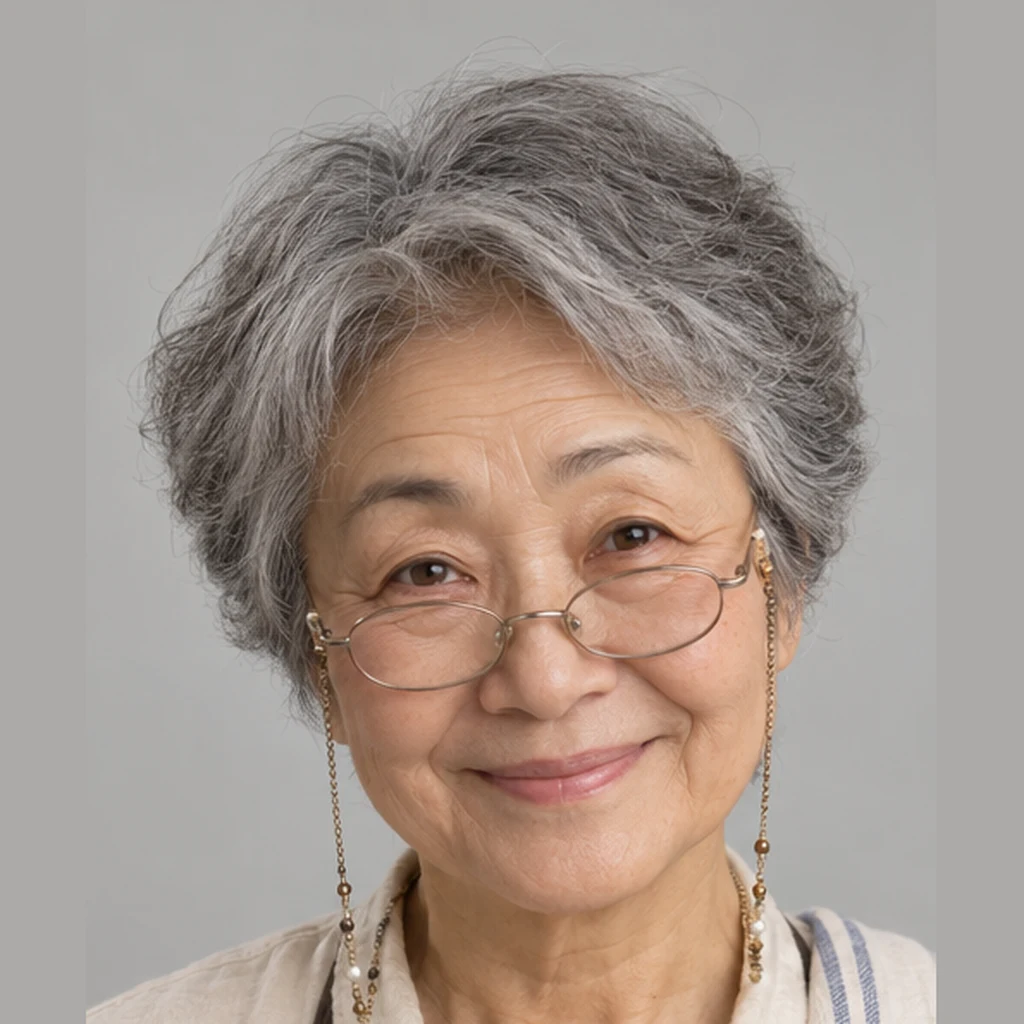 Masakoよかったら来てください。If you'd like, please come.
 Haruka時間があったら行きます。If I have time, I'll go.
- Leo土曜日なら大丈夫です。Saturday works for me.
- Harukaうまくいかなかったらどうしますか。If it doesn't work out, then what?
- Leoだめなら別の日にしましょう。If not, let's make it another day.
- Harukaそれがいいね。That sounds good.
- Leo雨が降ったら中止です。If it rains, it's cancelled.
 Goroトーストができたら、動きません。If the toast is ready, I'm not moving.
- Leo天気がよかったら、出かけます。If the weather is good, I'll go out.
- Masakoゴローさん、コーヒーも冷めますよ。Goro, your coffee will get cold too.
- Harukaスケッチを描いた場所に行きたいな。I'd like to go to the place where I drew the sketch.
- Leo行きたいならいつでもどうぞ。If you want to go, anytime is fine.
Practice — choose what follows
Ten tasks mix listening, choosing, filling gaps, building, replying, spotting an error, ordering turns, and matching meanings. Keep each situation in view.
0 of 11 done
What did you hear?
What did you hear?
What do you say?
What do you say?
Invite Haruka to join the outing, but make it clear that coming is optional.
Fill the gap
Fill the gap
If it doesn't work out, then what?
うまく____どうしますか。
Build the line
Build the line
If it rains, it's cancelled.
。
Tap the words in order.
Pick the reply
Haruka says:
Pick the reply
土曜日はちょっと無理そう。どうする?
Saturday might not work. What should we do?
And you reply with:
Find the mistake
Find the mistake
Put the chat in order
- HarukaWhat comes first?
- Leo…
- Haruka…
Match the pairs
Japanese
時間があったら行きます。Drop the English hereよかったら来てください。Drop the English here雨が降ったら中止です。Drop the English hereEnglish
What do you say?
What do you say?
Haruka says she wants to see your sketching spot. Tell her she can come whenever she likes if she wants to go.
True or false?
True or false?
The speaker will go out if the weather is good.
What do you say?
What do you say?
Leo says Saturday works for him. Say that Saturday is okay, if Saturday is the day being considered.
Say it — talk through the plan
Take Leo's place in the cafe conversation. Respond when a cue invites you, and connect each condition to a practical plan.
These turns are for your own recording; there is no pronunciation score.
- Masakoよかったら来てください。If you'd like, please come.
- Leo (you)Say you will go if you have time.
Say you will go if you have time.
時間があったら行きます。
If I have time, I'll go.
0 of 4 said
Recap — what you can say now
| Japanese | English | Play |
|---|---|---|
| 時間があったら行きます。 | If I have time, I'll go. | |
| よかったら来てください。 | If you'd like, please come. | |
| うまくいかなかったらどうしますか。 | If it doesn't work out, then what? | |
| 行きたいならいつでもどうぞ。 | If you want to go, anytime is fine. | |
| 雨が降ったら中止です。 | If it rains, it's cancelled. | |
| だめなら別の日にしましょう。 | If not, let's make it another day. |
Save your progress — it’s free
Keep your place in the course and see which lines you’ve learned.
Want the next lesson in your inbox?
Get the next lesson by email, one a day.
Join the newsletterDaily lesson emails are coming soon. Newsletter subscribers get them first.
Keep practicing with Yak Cards
Keep these conditional lines ready for invitations and changing plans. Open the Yak Cards for this lesson and review them on the train.
A quick review helps you choose a natural plan B when the weather or your schedule changes.
Open Yak Cards