
New here? This is lesson 225 of a free 240-lesson Japanese course.
A polite complaint in Japanese
At Kissa Hotaru, Leo picks up a takeaway cup and notices it is not what he ordered. Masako is busy, but he wants to explain the issue without sounding accusatory.
He opens politely, states the mismatch, and asks for an exchange. Then he suggests a small improvement to the order-checking process.
The cup is replaced before the conversation is over.
By the end of this lesson
Raise a shop problem politely and ask for a suitable fix.
- 申し訳ないんですが、一つ確認したいです。Sorry, I'd like to check something.
- 注文したものと違うんです。This isn't what I ordered.
- ご対応をお願いできますか。Could you look into this for me?
- 責めているわけではないんです。I'm not trying to blame anyone.
- 交換していただけますか。Could I have it exchanged?
- 改善していただければ助かります。I'd appreciate it if this could be improved.
Scene — the wrong takeaway cup
After work, Leo stops at Kissa Hotaru for an iced coffee to take away. The wooden counter is busy, and Masako hands him a cup.
He notices the drink is hot, not iced. Goro sits in the corner booth beside his untouched blend coffee; the old black umbrella remains by the door.

Learn — raise the issue politely
These six lines help you explain a shop problem and ask for a specific response.
Notice how the phrasing stays courteous while making the issue and the requested fix clear.

申し訳ないんですが、一つ確認したいです。
Sorry, I'd like to check something.
When to use it: Use this careful opening before pointing out a problem.
んですが softens the lead-in and leaves room for a concern.

注文したものと違うんです。
This isn't what I ordered.
When to use it: Use this to explain that you received something different from your order.
と marks the comparison between what you ordered and what you received.

ご対応をお願いできますか。
Could you look into this for me?
When to use it: Use this to ask staff to handle an issue without specifying the solution.
ご対応 respectfully refers to how staff handle an issue.

責めているわけではないんです。
I'm not trying to blame anyone.
When to use it: Use this to clarify that your complaint is not an accusation.
わけではない denies an interpretation, here the idea that you are assigning blame.

交換していただけますか。
Could I have it exchanged?
When to use it: Use this when you want the incorrect item replaced with the right one.
いただけますか makes a request courteous rather than demanding.

改善していただければ助かります。
I'd appreciate it if this could be improved.
When to use it: Use this to suggest a change that would help prevent a problem in the future.
~ていただければ助かります presents an action as something that would help you.
Story — a quick cup swap
Leo notices that the takeaway drink is wrong and raises the issue without accusing Masako. Watch how his courteous phrasing leads to a quick replacement and a practical suggestion.
Highlighted phrases are the new lines. Turn on Show English if you want a gloss.
- After work, Leo arrives at the kissa for a takeaway coffee.
 Leoこんにちは。Hello.
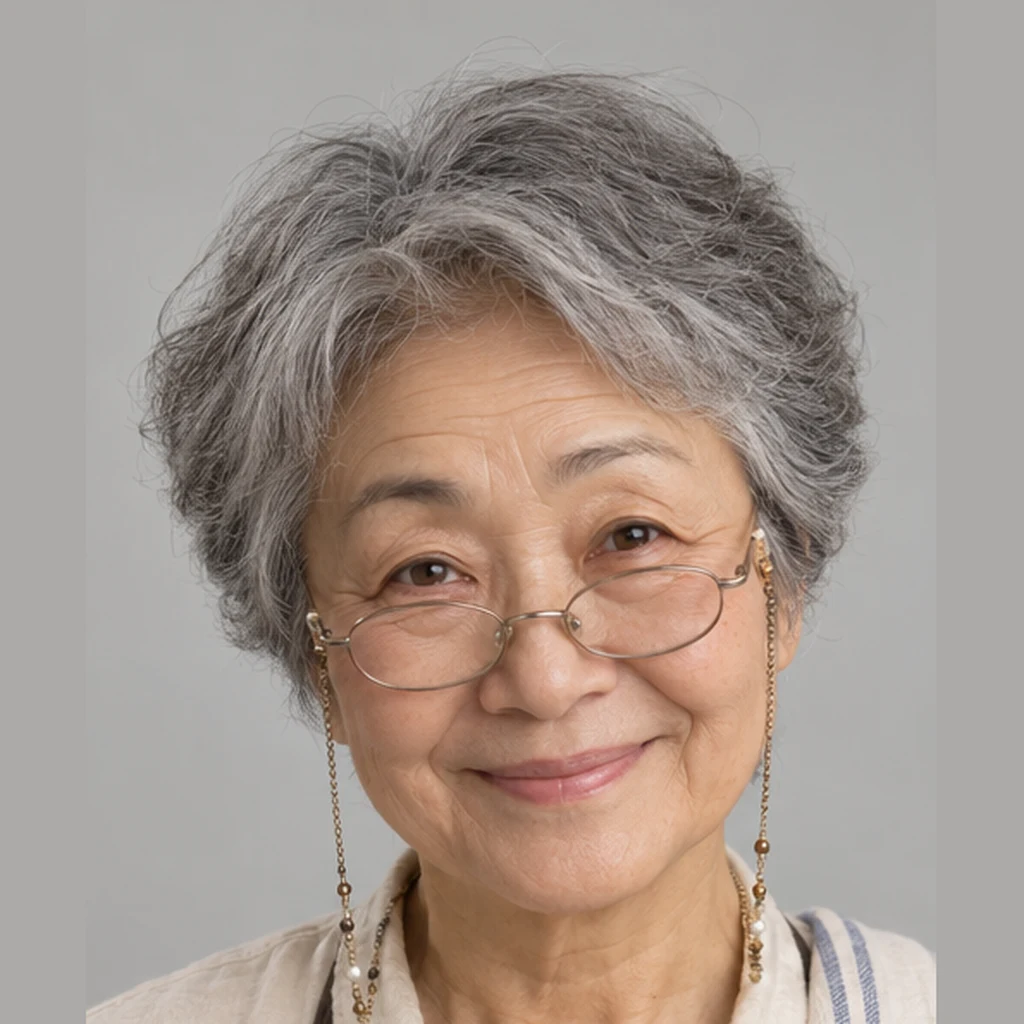 Masakoいらっしゃいませ。Welcome.
- Masakoアイスコーヒーです。お待たせしました。Here's your iced coffee. Thanks for waiting.
- Leoありがとうございます。Thank you.
 Goroレオさん、今日は持ち帰りですか。Leo, are you taking it away today?
- Leoはい、そうです。Yes, that's right.
- Leo申し訳ないんですが、一つ確認したいです。Sorry, I'd like to check something.
- Masakoはい、どうされましたか。Yes, what seems to be the matter?
- Leo注文したものと違うんです。This isn't what I ordered.
- Leoご対応をお願いできますか。Could you look into this for me?
- Masako失礼しました。どのような対応をご希望ですか。I'm sorry. What would you like us to do?
- Leo責めているわけではないんです。I'm not trying to blame anyone.
- Leo交換していただけますか。Could I have it exchanged?
- Masakoもちろんです。すぐ交換します。Of course. I'll exchange it right away.
- Leo改善していただければ助かります。I'd appreciate it if this could be improved.
- Masako承知しました。次から注文票を確認します。Understood. I'll check the order slip next time.
- Goroええと、話がまとまりましたね。Well, it sounds like you've sorted it out.
- Masako新しいアイスコーヒーです。お待たせしました。Here's a new iced coffee. Thanks for waiting.
- Leoありがとうございます。Thank you.
- Leo gets the right drink before taking a sip of the wrong one. Goro's blend coffee remains untouched, and the old umbrella stays by the door.
Practice — explain and ask for a fix
Work through listening, choosing a response, building a request, and checking the tone of a complaint.
The goal is to be clear without making the other person feel blamed.
0 of 9 done
What did you hear?
What did you hear?
What do you say?
What do you say?
A shop gives you a hot drink, but you ordered it iced. State the mismatch clearly.
Build the line
Build the line
Could you look into this for me?
。
Tap the words in order.
Fill the gap
Fill the gap
I'm not trying to blame anyone.
責めているわけで____ないんです。
What do you say?
What do you say?
You received the wrong drink and want the shop to exchange it for the one you ordered.
Find the mistake
Find the mistake
What does it mean?
What does it mean?
改善していただければ助かります。
What do you say?
What do you say?
You arrive at Kissa Hotaru during the afternoon and greet Masako at the counter.
What do you say?
What do you say?
Masako hands you the correct drink after fixing the mistake. Thank her.
Say it — make your request
You are Leo at the counter. Practise opening the complaint, explaining the mismatch, and asking for an exchange.
Say each line clearly and politely. This is a recording practice, not a pronunciation score.
- Masakoはい、どうされましたか。Yes, what seems to be the matter?
- Leo (you)Open carefully and say you would like to check something.
Open carefully and say you would like to check something.
申し訳ないんですが、一つ確認したいです。
Sorry, I'd like to check something.
0 of 4 said
Recap — what you can say now
| Japanese | English | Play |
|---|---|---|
| 申し訳ないんですが、一つ確認したいです。 | Sorry, I'd like to check something. | |
| 注文したものと違うんです。 | This isn't what I ordered. | |
| ご対応をお願いできますか。 | Could you look into this for me? | |
| 責めているわけではないんです。 | I'm not trying to blame anyone. | |
| 交換していただけますか。 | Could I have it exchanged? | |
| 改善していただければ助かります。 | I'd appreciate it if this could be improved. |
Save your progress — it’s free
Keep your place in the course and see which lines you’ve learned.
Want the next lesson in your inbox?
Get the next lesson by email, one a day.
Join the newsletterDaily lesson emails are coming soon. Newsletter subscribers get them first.
Keep practicing with Yak Cards
Save these courteous complaint phrases for a real shop visit. Open the Yak Cards for this lesson and practise asking for a clear fix.
A quick review helps you stay courteous and clear when an order needs correcting.
Open Yak Cards