
New here? This is lesson 165 of a free 240-lesson Japanese course.
I agree in Japanese
Mori-san sits down at Kissa Hotaru with a tablet and a firm proposal: meetings should end after thirty minutes.
Leo is ready to back her. Goro, in the corner booth, is ready too, but about the toast.
You will practice several ways to agree, from sharing a thought to confirming that someone is exactly right.
You will also ask whether someone supports a proposal and say that you share their opinion.
By the end of this lesson
Agree with different strengths.
- 賛成です。I agree.
- 私もそう思います。I think so too.
- 確かにそうです。That’s true.
- そのとおりです。That’s exactly right.
- 賛成ですか。Do you agree?
- 私も同じ意見です。I’m of the same opinion.
Scene — after a long meeting
Kissa Hotaru is quiet after lunch in Yanaka, Taito, Tokyo. Mori-san sets her tablet on the booth table. Leo sits across from her.
Goro occupies two red seats with thick toast and an unfinished blend coffee. Masako listens from the wooden counter.

Learn — soft to strong yes
These six lines help you support a proposal, share an opinion, or acknowledge a true point.
Choose your response to fit what the other person said.

賛成です。
I agree.
When to use it: Use this to clearly support a proposal or suggestion.
賛成 is a noun, so its polite ending is です.
Say it: Give ん its own beat before moving into the next sound.

私もそう思います。
I think so too.
When to use it: Use this after someone expresses a thought that you share.
も after 私 adds the meaning of too.

確かにそうです。
That’s true.
When to use it: Use this to acknowledge that someone has made a valid point.
に turns 確か into a word that adds certainty to the statement.

そのとおりです。
That’s exactly right.
When to use it: Use this to firmly confirm that someone has described something exactly right.
そのとおり refers back to what the other person just said.
Say it: Hold the long vowel in とおり for two beats.

賛成ですか。
Do you agree?
When to use it: Ask this when you want to know whether someone supports a proposal.
か turns the statement of support into a polite question.

私も同じ意見です。
I’m of the same opinion.
When to use it: Use this to explicitly state that you share someone’s opinion, especially in a discussion.
同じ directly describes 意見 without an extra word between them.
Story — agreement about toast
Mori-san proposes a firm limit after a meeting runs long. Leo supports her reasons.
Goro joins the agreement, although his attention has stayed on his toast.
- Mori-san opens her tablet. Goro studies the thick slice on his plate.
 Mori今日の会議は長すぎましたね。Today’s meeting ran too long, didn’t it?
 Leoそうですね。Yes, it did.
- Mori次の打ち合わせは、三十分の予定です。The next meeting is scheduled for thirty minutes.
- Mori次からは、必ず三十分で終わりましょう。From next time, let’s make sure we finish within thirty minutes.
- Mori-san turns toward Leo.
- Mori賛成ですか。Do you agree?
- Leo賛成です。I agree.
- Mori準備が大事だと思います。I think preparation matters.
- Leo私もそう思います。I think so too.
- Mori会議が長いと、作業の時間が減りますから。Long meetings leave less time to get the work done.
- Leo確かにそうです。That’s true.
- Mori短くても、必要なことは話せます。Even a short meeting can cover what we need.
- Leoそのとおりです。That’s exactly right.
- Goro looks up from his plate and nods enthusiastically.
 Goro私も同じ意見です。トーストは厚いほうがいいです。I’m of the same opinion. Thicker toast is better.
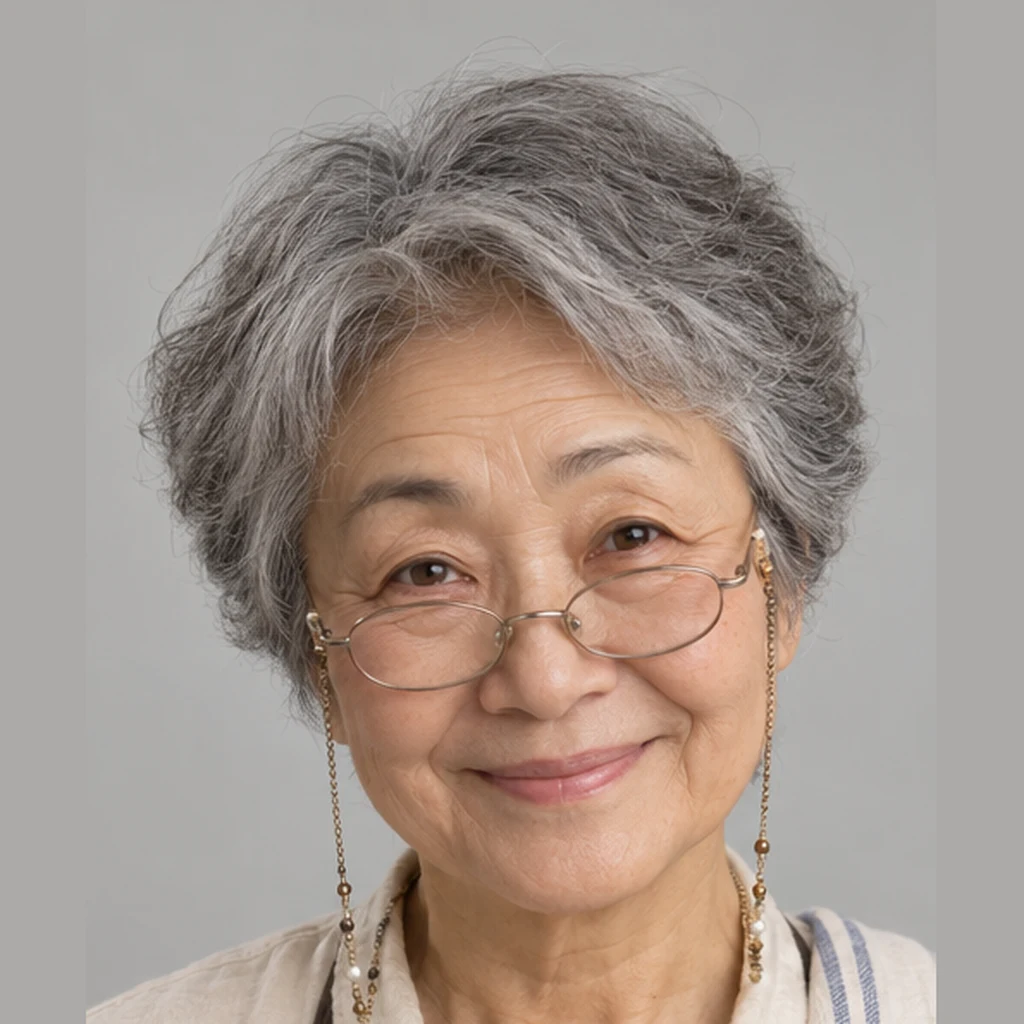 Masako今は会議の話ですよ。We’re talking about meetings right now.
- Goroあ、そうでしたか。Oh, I see.
- Mori-san saves the thirty-minute limit. Goro returns to his toast, leaving his blend coffee unfinished.
Practice — pick the right yes
Eleven short tasks help you recognize agreement and choose a fitting response.
Listen for the exact phrase, rebuild a sentence, and review language for shorter meetings.
0 of 11 done
What did you hear?
What did you hear?
What do you say?
What do you say?
You have proposed a thirty-minute limit and want to ask whether Mori-san supports it.
Pick the reply
Mori says:
Pick the reply
今日の会議、長すぎました。
Today’s meeting ran too long.
And you reply with:
Fill the gap
Fill the gap
I think so too.
私____そう思います。
What does it mean?
What does it mean?
そのとおりです。
Build the line
Build the line
I’m of the same opinion.
。
Tap the words in order.
Swap the word
Swap the word
You share Mori-san’s opinion, so change the word that currently says your view differs.
私も____意見です。
Find the mistake
Find the mistake
True or false?
True or false?
The scheduled duration is thirty minutes.
Which one doesn’t belong?
Which one doesn’t belong?
True or false?
True or false?
The speaker says they think so.
Say it — your turn to agree
You are Leo, discussing shorter meetings with Mori-san at the booth.
Record each response using the cue, then listen back for the difference between shared thoughts and firm confirmation.
- Mori次からは三十分で終わりましょう。From next time, let’s finish within thirty minutes.
- Leo (you)Clearly support her proposal.
Clearly support her proposal.
賛成です。
I agree.
0 of 5 said
Recap — what you can say now
| Japanese | English | Play |
|---|---|---|
| 賛成です。 | I agree. | |
| 私もそう思います。 | I think so too. | |
| 確かにそうです。 | That’s true. | |
| そのとおりです。 | That’s exactly right. | |
| 賛成ですか。 | Do you agree? | |
| 私も同じ意見です。 | I’m of the same opinion. |
Save your progress — it’s free
Keep your place in the course and see which lines you’ve learned.
Want the next lesson in your inbox?
Get the next lesson by email, one a day.
Join the newsletterDaily lesson emails are coming soon. Newsletter subscribers get them first.
Keep practicing with Yak Cards
Practice these responses with Yak Cards before your next discussion.
Picture a proposal, a shared opinion, and a true point as you review.
Open Yak Cards