Japanese - Conversation Repair

Lesson 46 of 168

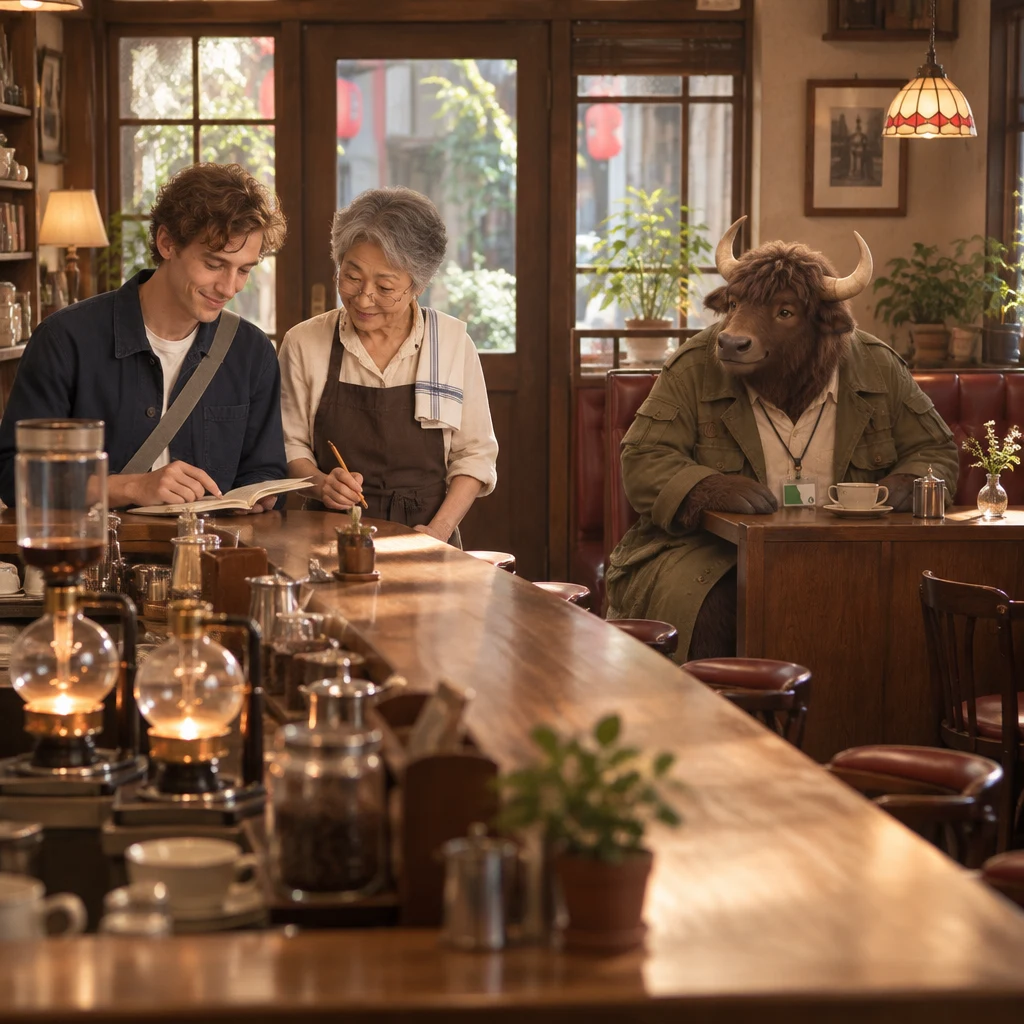
Two people politely talking in Japanese about a missed word — lesson on conversation repair phrases in Japanese.

Goal: Polite ways to ask for repeats, clarification, and examples

Free Japanese lessons with guided practice, audio, and speaking support.

Nice work coming back for Lesson 46 — we’ll make misunderstandings disappear (or at least sound polite while fixing them). This lesson is short, friendly, and focused: hear the phrases, practice them, then say them out loud.

Level A2: In Lesson 46 you'll practice polite phrases for repairing conversation — asking someone to repeat, to write something down, to explain more simply, and checking your understanding. This CEFR-aligned session gives you ready-to-use lines to keep conversations flowing when you miss a word or need clarification.

After this lesson you'll be able to:

  • Recognize and use polite repair phrases like 「すみません、もう一度言ってもらえますか?」 (Sumimasen, mō ichido itte moraemasu ka?)
  • Ask someone to write, spell, or give an example to clarify meaning
  • Check and confirm your understanding with phrases like 「私の理解で合っていますか?」 (Watashi no rikai de atte imasu ka?)
  • Practice saying these lines aloud for natural, polite conversation (Level A2)
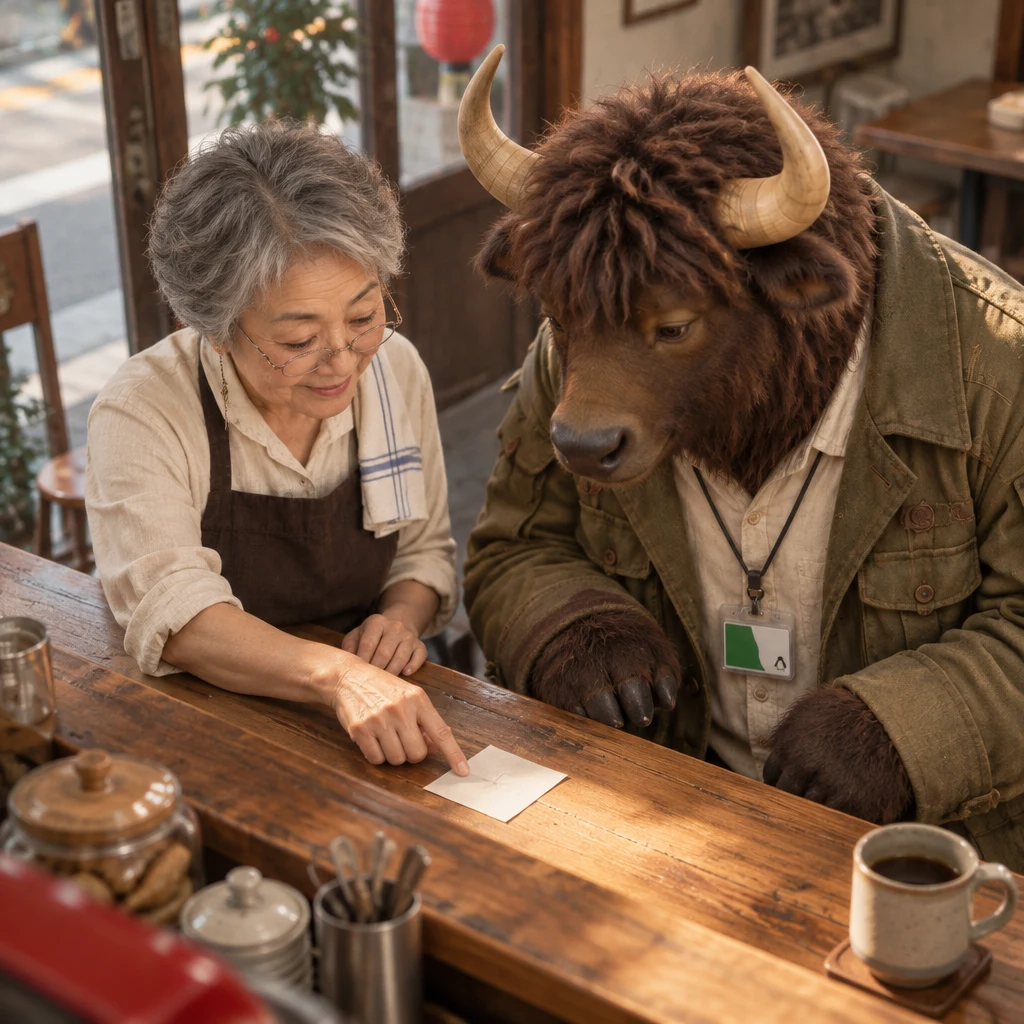
A student and a colleague in a cafe asking for repeats and clarifications in Japanese, showing polite repair phrases.

Ready? Let's go!

When you tap play on phrases, we track your progress through this lesson.

1. Reading + Listening Practice

Hear core phrases, repeat aloud.

すみません、もう一度言ってもらえますか?

Sumimasen, mō ichido itte moraemasu ka?

Sorry, can you repeat that?

Meaning: Sorry, can you repeat that?

When to use: 聞き返す時の丁寧で自然な表現です。もっと丁寧にするなら「もう一度言っていただけますか?」。

すみません、もう一度言ってもらえますか?ゆっくりお願いします。

Sumimasen, mō ichido itte moraemasu ka? Yukkuri onegaishimasu.

Sorry, could you say that again? Slowly please.
相手が早く話したときに「すみません、もう一度言ってもらえますか?」と言う。

Aite ga hayaku hanashita toki ni 'Sumimasen, mō ichido itte moraemasu ka?' to iu.

When the other person spoke quickly, say 'Sorry, can you repeat that?'

すみません、聞き取れませんでした。

Sumimasen, kikitoremasen deshita.

I didn't catch that.

Meaning: I didn't catch that.

When to use: 音として聞き取れなかった時に使います。意味が分からない時は「よく分かりませんでした」が自然です。

すみません、聞き取れませんでした。もう一度お願いします。

Sumimasen, kikitoremasen deshita. Mō ichido onegaishimasu.

Sorry, I didn't catch that. Please say it again.
電車の中で聞き取れなくて「すみません、聞き取れませんでした」と言った。

Densha no naka de kikitorenakute 'Sumimasen, kikitoremasen deshita' to itta.

On the train I couldn't hear, so I said 'I didn't catch that.'

すみません、書いてもらえますか?

Sumimasen, kaite moraemasu ka?

Can you write it down, please?

Meaning: Can you write it down, please?

When to use: 情報を書いてほしい時に使います。より丁寧には「書いていただけますか?」。

すみません、書いてもらえますか?漢字でお願いします。

Sumimasen, kaite moraemasu ka? Kanji de onegaishimasu.

Could you write it down? Please in kanji.
住所を聞き逃したときに「書いてもらえますか?」と言った。

Jūsho o kikinogashita toki ni 'Kaite moraemasu ka?' to itta.

When I missed the address I said 'Can you write it down?'

分かっているか、ちょっと自信がありません。

Wakatte iru ka, chotto jishin ga arimasen.

I'm not sure I understand.

Meaning: I'm not sure I understand.

When to use: 理解があいまいな時に使います。もっと簡単には「ちょっと分からないです」。

Tip: Learners sometimes say 「分かりません」 too bluntly; this phrase is softer and more natural.

分かっているか、ちょっと自信がありません。もう一度説明してもらえますか?

Wakatte iru ka, chotto jishin ga arimasen. Mō ichido setsumei shite moraemasu ka?

I'm not sure I understand. Could you explain again?
授業で説明された後に「分かっているか、ちょっと自信がありません」と言った。

Jugyō de setsumei sareta ato ni 'Wakatte iru ka, chotto jishin ga arimasen' to itta.

After the class explanation I said, 'I'm not sure I understand.'

もっと簡単に説明してもらえますか?

Motto kantan ni setsumei shite moraemasu ka?

Can you explain it more simply?

Meaning: Can you explain it more simply?

When to use: 説明をやさしくしてほしい時に使います。より丁寧には「説明していただけますか?」。

もっと簡単に説明してもらえますか?専門用語は少なめでお願いします。

Motto kantan ni setsumei shite moraemasu ka? Senmon yōgo wa sukuname de onegaishimasu.

Can you explain it more simply? Please use fewer technical terms.
先生に「もっと簡単に説明してもらえますか?」とお願いした。

Sensei ni 'Motto kantan ni setsumei shite moraemasu ka?' to onegai shita.

I asked the teacher, 'Can you explain it more simply?'

___ は日本語で何と言いますか?

___ wa Nihongo de nan to iimasu ka?

I don't know the word for ___.

Meaning: How do you say ___ in Japanese?

When to use: ___ には知りたい物・考え・英語の単語などを入れます。助詞は「は」を使います。

『reservation』は日本語で何と言いますか?

'Reservation' wa Nihongo de nan to iimasu ka?

How do you say 'reservation' in Japanese?
この道具の名前は日本語で何と言いますか?写真を見せて聞く。

Kono dōgu no namae wa Nihongo de nan to iimasu ka? Shashin o misete kiku.

What's this tool called in Japanese? I ask while showing a photo.

スペルを教えてもらえますか?

Superu o oshiete moraemasu ka?

Can you spell that, please?

Meaning: Can you spell that, please?

When to use: 英語の名前や単語のつづりを聞くときに使います。日本語の漢字を聞くなら「どう書きますか?」が自然です。

スペルを教えてもらえますか?メールアドレスを確認したいです。

Superu o oshiete moraemasu ka? Mēru adoresu o kakunin shitai desu.

Can you tell me the spelling? I want to confirm the email address.
名前が珍しいので「スペルを教えてもらえますか?」と聞いた。

Namae ga mezurashii node 'Superu o oshiete moraemasu ka?' to kiita.

Because the name was uncommon, I asked 'Can you spell it?'

例を一つ出してもらえますか?

Rei o hitotsu dashite moraemasu ka?

Can you give me an example?

Meaning: Can you give me an example?

When to use: 「例」は「れい」と読みます。少しカジュアルに「例を一つお願いできますか?」とも言えます。

例を一つ出してもらえますか?具体的な場面で教えてください。

Rei o hitotsu dashite moraemasu ka? Gutaiteki na bamen de oshiete kudasai.

Can you give an example? Please show a concrete situation.
文法が難しいと感じたので先生に「例を一つ出してもらえますか?」と頼んだ。

Bunpō ga muzukashii to kanjita node sensei ni 'Rei o hitotsu dashite moraemasu ka?' to tanonda.

I found the grammar hard, so I asked the teacher for an example.

私の理解で合っていますか?

Watashi no rikai de atte imasu ka?

Did I understand correctly?

Meaning: Did I understand correctly?

When to use: 自分の理解を確認するときに使います。「これで合っていますか?」でも自然です。

私の理解で合っていますか?要点はこれで合っていますか?

Watashi no rikai de atte imasu ka? Yōten wa kore de atte imasu ka?

Did I understand correctly? Are these the main points?
会議でメモを読み上げて「私の理解で合っていますか?」と確認した。

Kaigi de memo o yomiagete 'Watashi no rikai de atte imasu ka?' to kakunin shita.

I read my notes at the meeting and asked, 'Did I understand correctly?'

一部しか分かりませんでした。

Ichibu shika wakarimasen deshita.

I only understood part of that.

Meaning: I only understood part of that.

When to use: そのあとに「もう一度お願いします」を足すと、聞き返しとして自然です。

一部しか分かりませんでした。もう一度お願いします。

Ichibu shika wakarimasen deshita. Mō ichido onegaishimasu.

I only understood part of it. Please say it again.
説明が早くて「一部しか分かりませんでした」と伝えた。

Setsumei ga hayakute 'Ichibu shika wakarimasen deshita' to tsutaeta.

The explanation was fast, so I said 'I only understood part of that.'

言い方を変えてもいいですか?

Iikata o kaete mo ii desu ka?

Can I say it another way?

Meaning: Can I say it another way?

When to use: 自分の説明を言い直したいときに使います。カジュアルなら「言い方変えてもいい?」。

言い方を変えてもいいですか?別の言葉で説明します。

Iikata o kaete mo ii desu ka? Betsu no kotoba de setsumei shimasu.

Can I say it another way? I'll explain with different words.
混乱していたので「言い方を変えてもいいですか?」と頼んだ。

Konran shite ita node 'Iikata o kaete mo ii desu ka?' to tanonda.

I was confused, so I asked to rephrase.

もう一度言ってみます。

Mō ichido itte mimasu.

Let me try again.

Meaning: Let me try again.

When to use: 言い直す前に使います。行動全般なら「もう一度やってみます」。

もう一度言ってみます。今度はゆっくり言いますね。

Mō ichido itte mimasu. Kondo wa yukkuri iimasu ne.

Let me try again. I'll say it slowly this time.
説明に失敗したあとで「もう一度言ってみます」と言った。

Setsumei ni shippai shita ato de 'Mō ichido itte mimasu' to itta.

After failing to explain, I said, 'Let me try again.'

___じゃなくて、___です。

___ ja nakute, ___ desu.

Not ___, but ___.

Meaning: Not ___, but ___.

When to use: ___には名詞や短いフレーズを入れます。動詞や形容詞を入れる場合は形を調整する必要があります。丁寧寄りなら「___ではなく、___です」。

Tip: Beginners sometimes use casual 「じゃない」 in polite situations; keep 「じゃなくて」 or 「ではなく」 for politeness.

『ねこ』じゃなくて、『いぬ』です。

'Neko' ja nakute, 'inu' desu.

Not 'neko', but 'inu'.
色は『青』じゃなくて、『緑』です。すみません、言い直します。

Iro wa 'ao' ja nakute, 'midori' desu. Sumimasen, iinaoshimasu.

The color is not 'blue' but 'green'. Sorry, I'll correct myself.

2. Conversational Listening Practice

Hear phrases in a real mini-conversation.

At a café, Anna and David checking details about a reservation

Anna and David sit with notebooks while Anna asks David to write something down and repeat a phrase in Japanese.

Who asks David to write something down?

Portrait of Anna in a Japanese lesson dialogue

Anna

すみません、もう一度言ってもらえますか?

Sumimasen, mō ichido itte moraemasu ka?

Sorry, can you say that again?

Portrait of David in a Japanese lesson dialogue

David

もちろん。日付は6月15日です。

Mochiron. Hizuke wa rokugatsu jūgo-nichi desu.

Of course. The date is June 15th.

Portrait of Anna in a Japanese lesson dialogue

Anna

すみません、書いてもらえますか?確認したいです。

Sumimasen, kaite moraemasu ka? Kakunin shitai desu.

Could you write it down? I want to check.

Portrait of David in a Japanese lesson dialogue

David

はい、どうぞ。これで大丈夫ですか?

Hai, dōzo. Kore de daijōbu desu ka?

Sure, here. Is this okay?

Portrait of Anna in a Japanese lesson dialogue

Anna

私の理解で合っていますか?時間は午後7時で。

Watashi no rikai de atte imasu ka? Jikan wa gogo shichi-ji de.

Did I understand correctly? The time is 7 PM.

Portrait of David in a Japanese lesson dialogue

David

一部しか分かりませんでしたか?いいえ、大丈夫ですよ。

Ichibu shika wakarimasen deshita ka? Iie, daijōbu desu yo.

Did you only understand part of it? No, it's fine.

3. Guided Practice

Quizzes and matching to lock in meaning.

Which phrase politely asks someone to repeat what they said?

If you didn't hear a word because it was too fast, which is most natural to say?

Which phrase should you use when you want the speaker to write the word down?

Which phrase is best when you want someone to explain using simpler words?

The train announcement was fast, so I didn't catch that. Please say it again.

電車のアナウンスが早くて、___。もう一度お願いします。

The explanation was hard, so I asked the teacher, 'Can you explain it more simply?'

説明が難しいので、先生に「___」とお願いした。

I didn't know how to say the English word, so I asked the clerk, 'How do you say ___ in Japanese?'

英語の単語の言い方が分からなくて、店員に『___』と聞いた。

Match the core phrases

Match the extra phrases

4. Speaking Practice

Say phrases yourself (mic/recording).

Recording stays on your device only. Check speech uses your browser's speech tools when available.

Say this phrase out loud:

すみません、もう一度言ってもらえますか?

Sumimasen, mō ichido itte moraemasu ka?

Sorry, can you repeat that?

Say this phrase out loud:

すみません、聞き取れませんでした。

Sumimasen, kikitoremasen deshita.

I didn't catch that.

Say this phrase out loud:

すみません、書いてもらえますか?

Sumimasen, kaite moraemasu ka?

Can you write it down, please?

Say this phrase out loud:

分かっているか、ちょっと自信がありません。

Wakatte iru ka, chotto jishin ga arimasen.

I'm not sure I understand.

Say this phrase out loud:

もっと簡単に説明してもらえますか?

Motto kantan ni setsumei shite moraemasu ka?

Can you explain it more simply?

Say this phrase out loud:

___ は日本語で何と言いますか?

___ wa Nihongo de nan to iimasu ka?

How do you say ___ in Japanese?

Say this phrase out loud:

スペルを教えてもらえますか?

Superu o oshiete moraemasu ka?

Can you spell that, please?

Say this phrase out loud:

例を一つ出してもらえますか?

Rei o hitotsu dashite moraemasu ka?

Can you give me an example?

Say this phrase out loud:

私の理解で合っていますか?

Watashi no rikai de atte imasu ka?

Did I understand correctly?

Say this phrase out loud:

一部しか分かりませんでした。

Ichibu shika wakarimasen deshita.

I only understood part of that.

Say this phrase out loud:

言い方を変えてもいいですか?

Iikata o kaete mo ii desu ka?

Can I say it another way?

Say this phrase out loud:

もう一度言ってみます。

Mō ichido itte mimasu.

Let me try again.

Say this phrase out loud:

___じゃなくて、___です。

___ ja nakute, ___ desu.

Not ___, but ___.