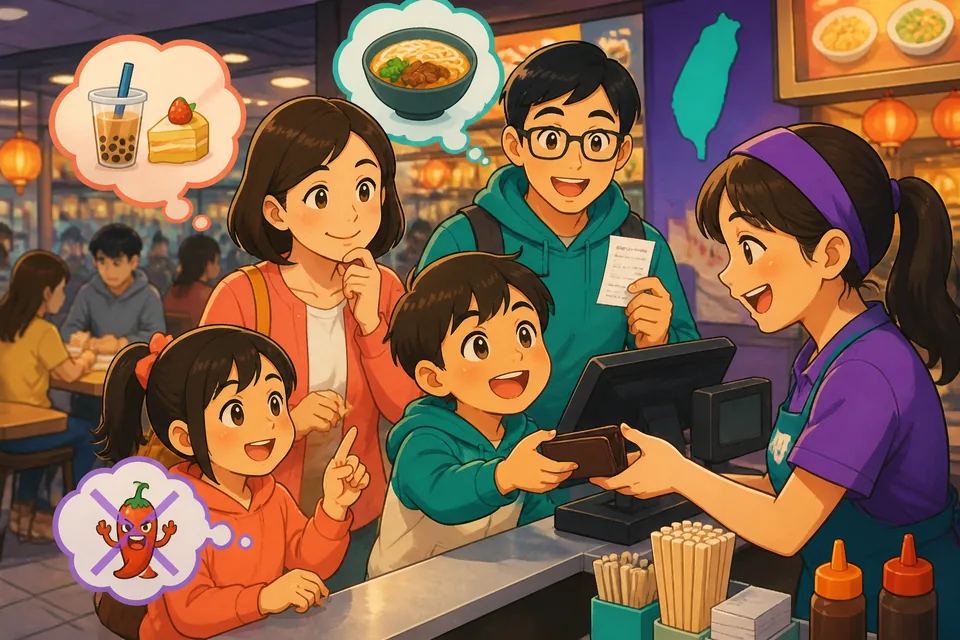
Welcome back — ready to ask for things and say what you need? This short lesson helps you speak up politely. You'll listen, repeat, and use these phrases in tiny conversations.
Level A1: In this lesson you'll practice useful, polite phrases for wants and needs — saying I want (〜がほしいです), I want to do (〜たいです), I need (〜が必要です), asking for items (〜をください / 〜をお願いします), and other handy lines like もう少しください and これを試してもいいですか。 These CEFR-aligned phrases help in shops, cafés, and travel.
After this lesson you'll be able to:
Use simple polite phrases to say what you want and need (e.g. 「水がほしいです。」).
Ask for items or permission politely (e.g. 「〜をください。」 / 「〜を試してもいいですか。」).
Make short suggestions and requests (e.g. 「〜ましょう。」, 「もう少しください。」).
Level A1: practice listening, repeating, and using these chunks in a short dialogue.
Ready? Let's go!
When you tap play on phrases, we track your progress through this lesson.
1. Reading + Listening Practice
Hear core phrases, repeat aloud.
___がほしいです。
___ ga hoshii desu.
I want ___.
Meaning: I want ___.
When to use: Use with nouns to say you want something. The thing you want usually takes が: 水がほしいです (“I want water”). Use polite speech.
水がほしいです。
Mizu ga hoshii desu.
I want water.
新しいかばんがほしいです。
Atarashii kaban ga hoshii desu.
I want a new bag.
___たいです。
___ tai desu.
I want to ___.
Meaning: I want to ___.
When to use: Put the verb ます-stem before たいです to say you want to do an action: 食べたいです, 行きたいです. This is polite and simple.
Tip: Do not attach たい to the ます-form (e.g., ×食べますたい). Use the verb stem: 食べ→食べたいです。
寿司を食べたいです。
Sushi o tabetai desu.
I want to eat sushi.
日本に行きたいです。
Nihon ni ikitai desu.
I want to go to Japan.
___はほしくないです。
___ wa hoshikunai desu.
I don't want ___.
Meaning: I don't want ___.
When to use: Use with nouns to say you do not want something. は often marks the topic/contrast: それはほしくないです。 When refusing an offer, 〜はいりません is also common.
Tip: Beginners sometimes use が instead of は here; は shows contrast (I don't want that), while が would just mark the subject.
お金はほしくないです。
Okane wa hoshikunai desu.
I don't want money.
それはほしくないです。
Sore wa hoshikunai desu.
I don't want that.
___が必要です。
___ ga hitsuyō desu.
I need ___.
Meaning: I need ___.
When to use: Use with nouns. The needed thing usually takes が: パスポートが必要です (“I need a passport”). Use polite speech for requests or explanations.
パスポートが必要です。
Pasupōto ga hitsuyō desu.
I need a passport.
もっと時間が必要です。
Motto jikan ga hitsuyō desu.
I need more time.
___必要があります。
___ hitsuyō ga arimasu.
I need to ___.
Meaning: I need to ___.
When to use: Put a dictionary-form verb before 必要があります to say an action is necessary: 行く必要があります, 勉強する必要があります. This expresses obligation or necessity.
行く必要があります。
Iku hitsuyō ga arimasu.
I need to go.
勉強する必要があります。
Benkyō suru hitsuyō ga arimasu.
I need to study.
___をください。
___ o kudasai.
Can I have ___?
Meaning: Can I have ___? / ___ please.
When to use: Put the item before を: コーヒーをください. In shops or restaurants the を is often omitted (コーヒーください). Use to ask politely for items.
Tip: In shops many omit を; beginners sometimes worry it's always required. Both 「コーヒーをください」 and 「コーヒーください」 are natural.
コーヒーをください。
Kōhī o kudasai.
Coffee, please.
メニューをください。
Menyū o kudasai.
The menu, please.
___をお願いします。
___ o onegai shimasu.
I would like ___.
Meaning: I would like ___.
When to use: Put the item before をお願いします: これをお願いします. Natural and polite for ordering or requesting at a counter or restaurant.
これをお願いします。
Kore o onegai shimasu.
I'd like this, please.
水をお願いします。
Mizu o onegai shimasu.
Water, please.
___がほしいですか?
___ ga hoshii desu ka?
Do you want ___?
Meaning: Do you want ___?
When to use: Use with nouns to ask if someone wants something: ケーキがほしいですか? For offers or choices, 何がいいですか/〜はいりますか can sound softer.
何がほしいですか。
Nani ga hoshii desu ka.
What do you want?
ケーキがほしいですか?
Kēki ga hoshii desu ka?
Do you want cake?
___が必要ですか?
___ ga hitsuyō desu ka?
Do you need ___?
Meaning: Do you need ___?
When to use: Use with nouns: 助けが必要ですか? asks if someone needs help. The needed thing usually takes が.
助けが必要ですか?
Tasuke ga hitsuyō desu ka?
Do you need help?
パスポートが必要ですか?
Pasupōto ga hitsuyō desu ka?
Do you need a passport?
何がほしいですか。
Nani ga hoshii desu ka.
What do you want?
Meaning: What do you want?
When to use: Use to ask what someone wants. 何がいいですか can be a softer alternative. This is polite and common in shops or when offering choices.
何がほしいですか。
Nani ga hoshii desu ka.
What do you want?
今日は何がほしいですか。
Kyō wa nani ga hoshii desu ka.
What do you want today?
___を試してもいいですか。
___ o tameshite mo ii desu ka.
Can I try ___?
Meaning: Can I try ___?
When to use: Put the item before を試してもいいですか to ask permission to try something (物). For trying actions, use verbて-form+みてもいいですか.
これを試してもいいですか。
Kore o tameshite mo ii desu ka.
Can I try this?
そのズボンを試してもいいですか。
Sono zubon o tameshite mo ii desu ka.
Can I try those pants?
___ましょう。
___ mashō.
Let's ___.
Meaning: Let's ___.
When to use: Attach ましょう to a verb stem to make a suggestion: 行きましょう, 食べましょう. For noun activities, use 〜をしましょう. Polite and friendly.
行きましょう
Ikimashō.
Let's go.
食べましょう
Tabemashō.
Let's eat.
もう少しください。
Mō sukoshi kudasai.
More, please.
Meaning: More, please.
When to use: Use when asking for a little more of something: food, drink, or time. For one more item, say もう一つください.
パンをもう少しください。
Pan o mō sukoshi kudasai.
More bread, please.
時間をもう少しください。
Jikan o mō sukoshi kudasai.
Please give me a little more time.
2. Conversational Listening Practice
Hear phrases in a real mini-conversation.
At a small café ordering counter
Anna
すみません、何がほしいですか。
Sumimasen, nani ga hoshii desu ka.
Excuse me, what do you want?
David
コーヒーがほしいです。あと、パンをもう少しください。
Kōhī ga hoshii desu. Ato, pan o mō sukoshi kudasai.
I want coffee. Also, more bread, please.
Anna
これをお願いします。
Kore o onegai shimasu.
I'll bring this (for you), please.
David
これを試してもいいですか。
Kore o tameshite mo ii desu ka.
Can I try this?
Anna
どうぞ。食べましょう。
Dōzo. Tabemashō.
Go ahead. Let's eat.
David
いいですね。行きましょう。
Ii desu ne. Ikimashō.
Sounds good. Let's go.
3. Guided Practice
Quizzes and matching to lock in meaning.
How do you say "I want water."?
How do you ask "Do you need help?"
What's the polite way to ask "Can I try this?"
How do you say "I don't want that." politely?
At the restaurant you say to the waiter: 'More bread, please.'
レストランでウェイターに言います: 「パンをもう少し___。」
Resutoran de weitā ni iimasu: 'Pan o mō sukoshi ___.'
In the fitting room you ask the clerk: 'Can I try these pants?'
試着室で店員に聞きます: 「このズボンを___か。」
Shichakushitsu de ten'in ni kikimasu: 'Kono zubon o ___ ka.'
Before the trip at the airport counter you ask: 'Do you need a passport?'
旅行の前に空港のカウンターで聞きます: 「パスポートが___。」
Ryokō no mae ni kūkō no kauntā de kikimasu: 'Pasupōto ga ___.'
Match the core phrases
Match the extra phrases
4. Speaking Practice
Say phrases yourself (mic/recording).
Recording stays on your device only. Check speech uses your browser's speech tools when available.