
New here? This is lesson 29 of a free 240-lesson Japanese course.
In front, behind, beside in Japanese
Leo ducks into Kissa Hotaru with a wet umbrella and looks for a place to put it. Masako points to the stand in front by the door.
He then looks for a seat. Goro's booth is behind, and the free spot is beside a yak who already uses two seats.
By the end, you can say where something is: in front, behind, next to, under, inside, or outside.
Keep it polite. One short line is enough.
By the end of this lesson
Say where one thing is in relation to another.
- 前にあります。It's in front.
- 後ろにあります。It's behind.
- 隣にあります。It's next to it.
- 下にあります。It's underneath.
- 中にあります。It's inside.
- 外にあります。It's outside.
Scene — the stand by the door
A rainy afternoon in Yanaka. Leo enters Kissa Hotaru holding his wet umbrella. The stand is directly in front of him, just inside the door.
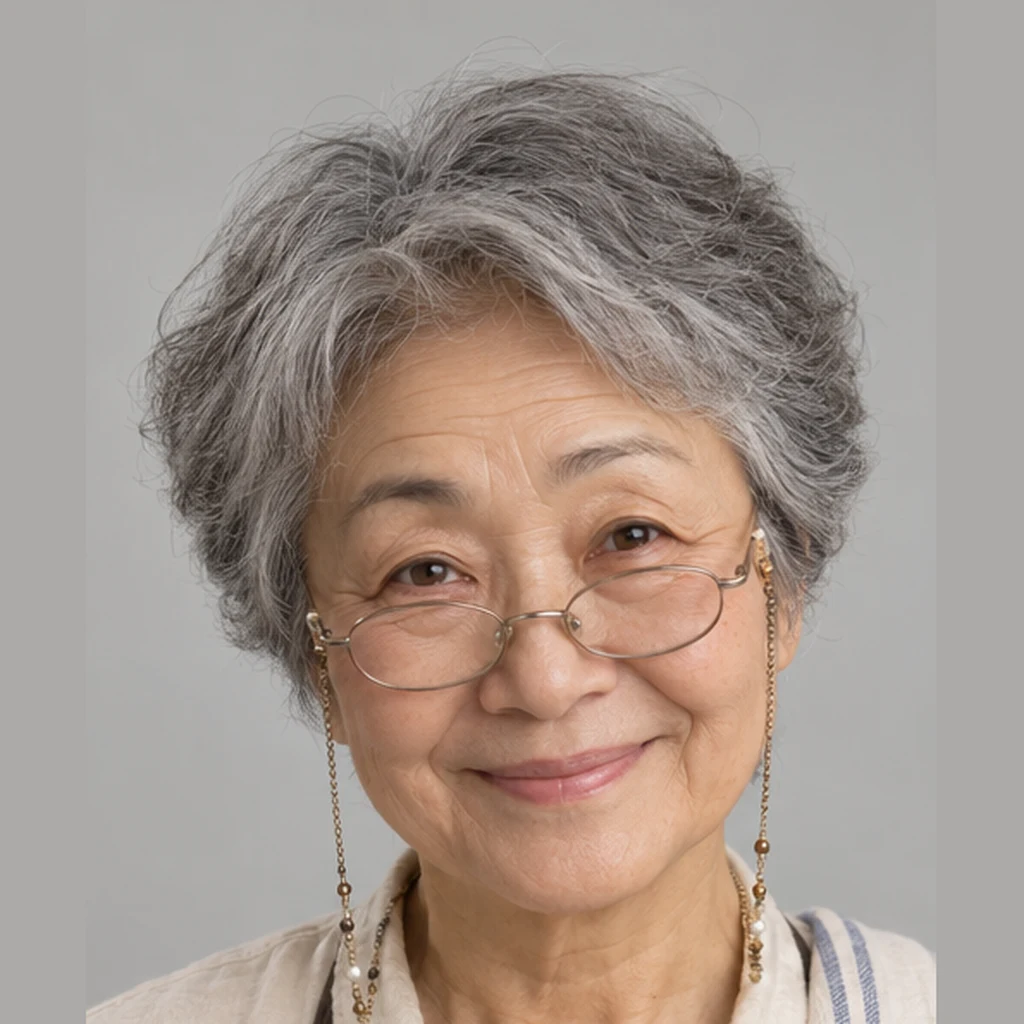
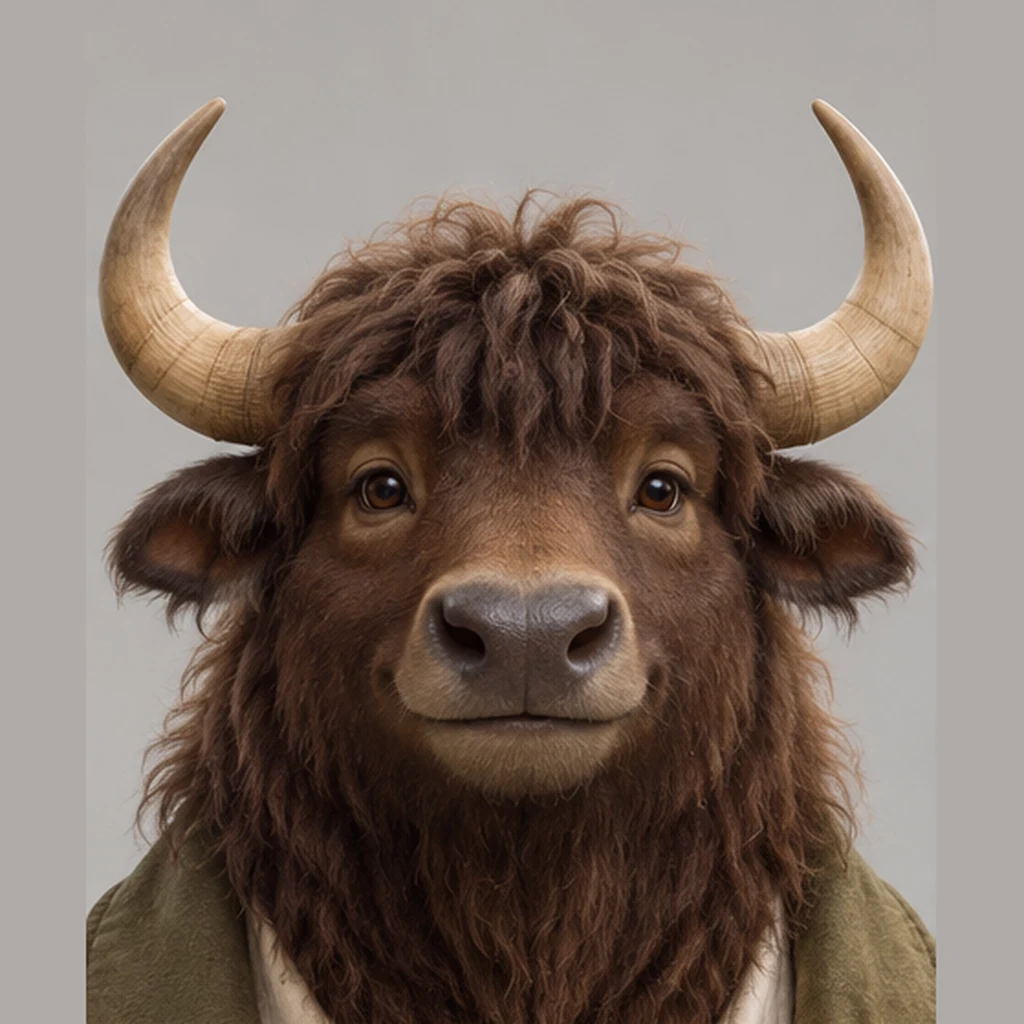
Masako watches from the counter. Behind Leo, Goro occupies two seats in the corner booth beside his buttered toast and unfinished blend coffee.
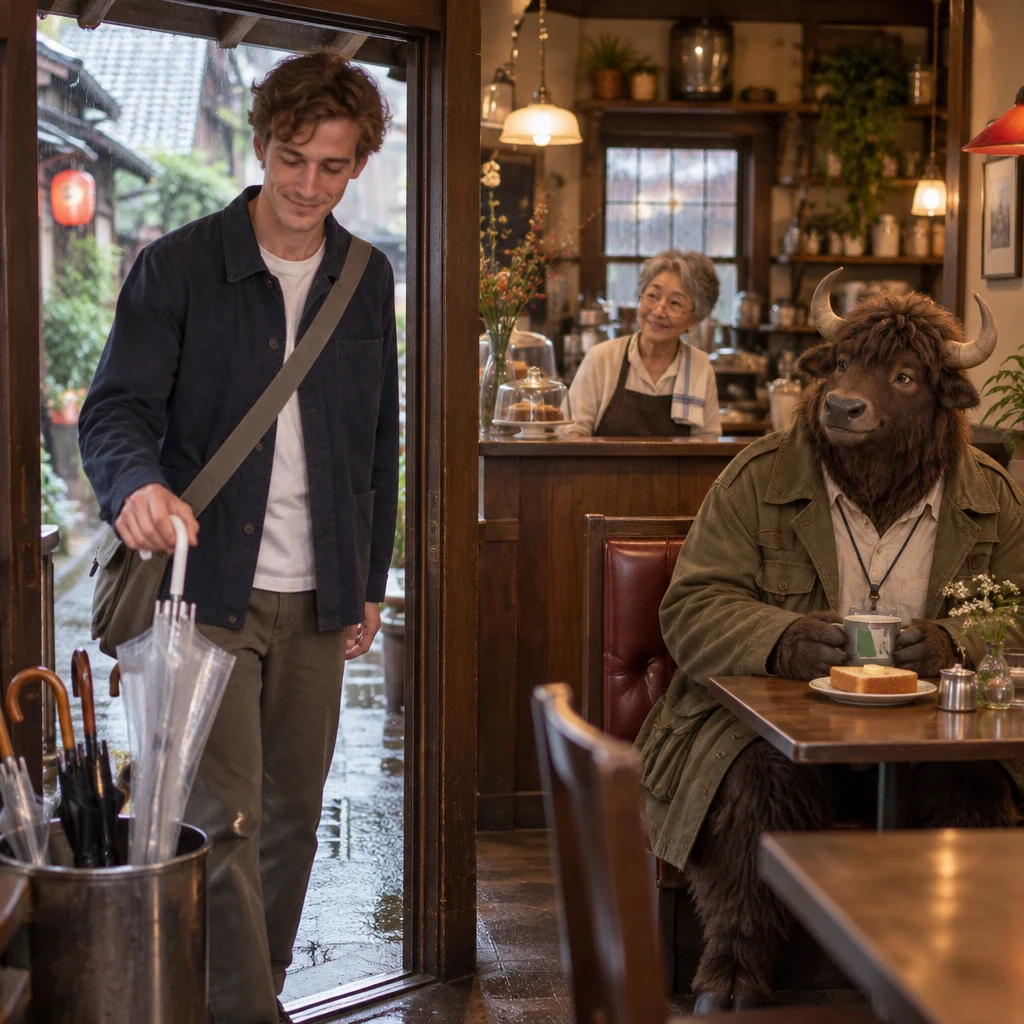
Learn — in front and behind
Six short lines say where something is: in front, behind, next to, under, inside, or outside.
Learn each as one piece, then point as you speak.
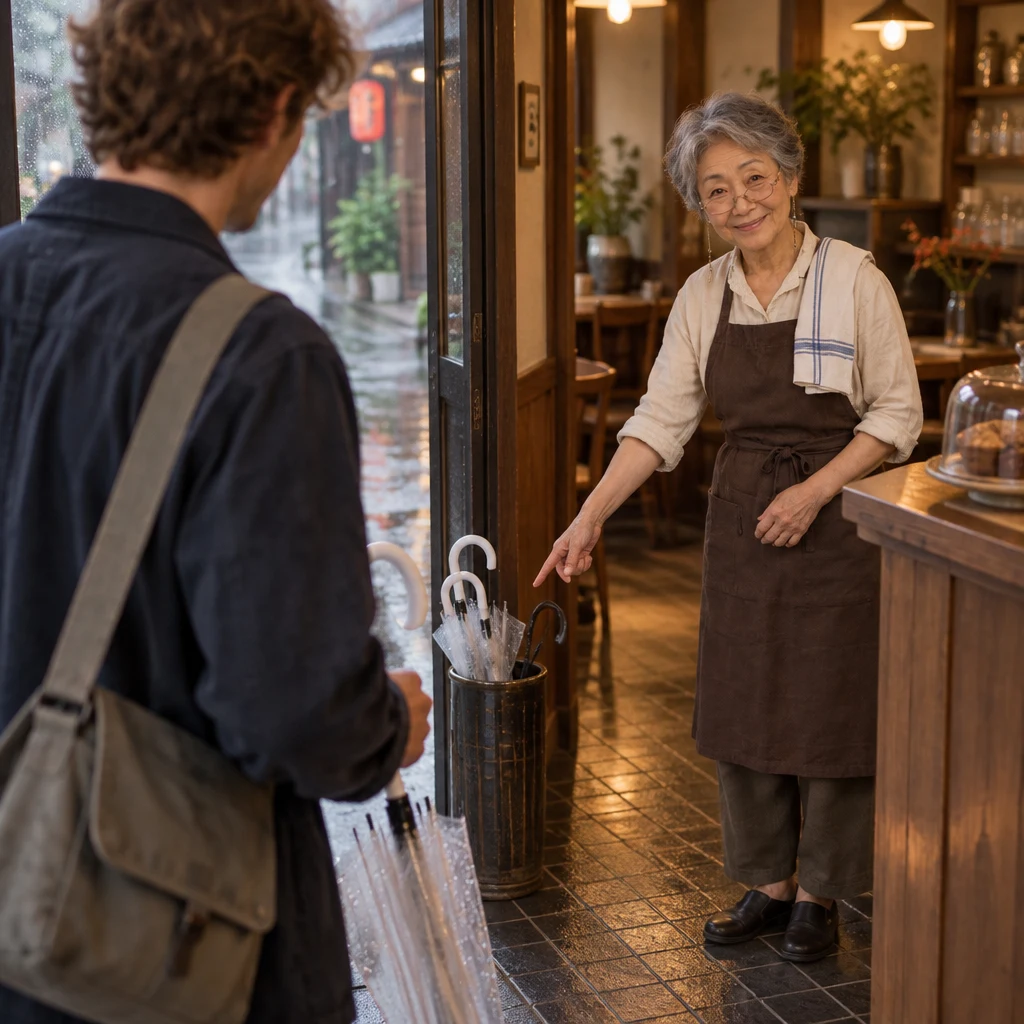
前にあります。
It's in front.
When to use it: Say this when something is in front of you or another understood reference point.
Learn it as one piece for something in front.
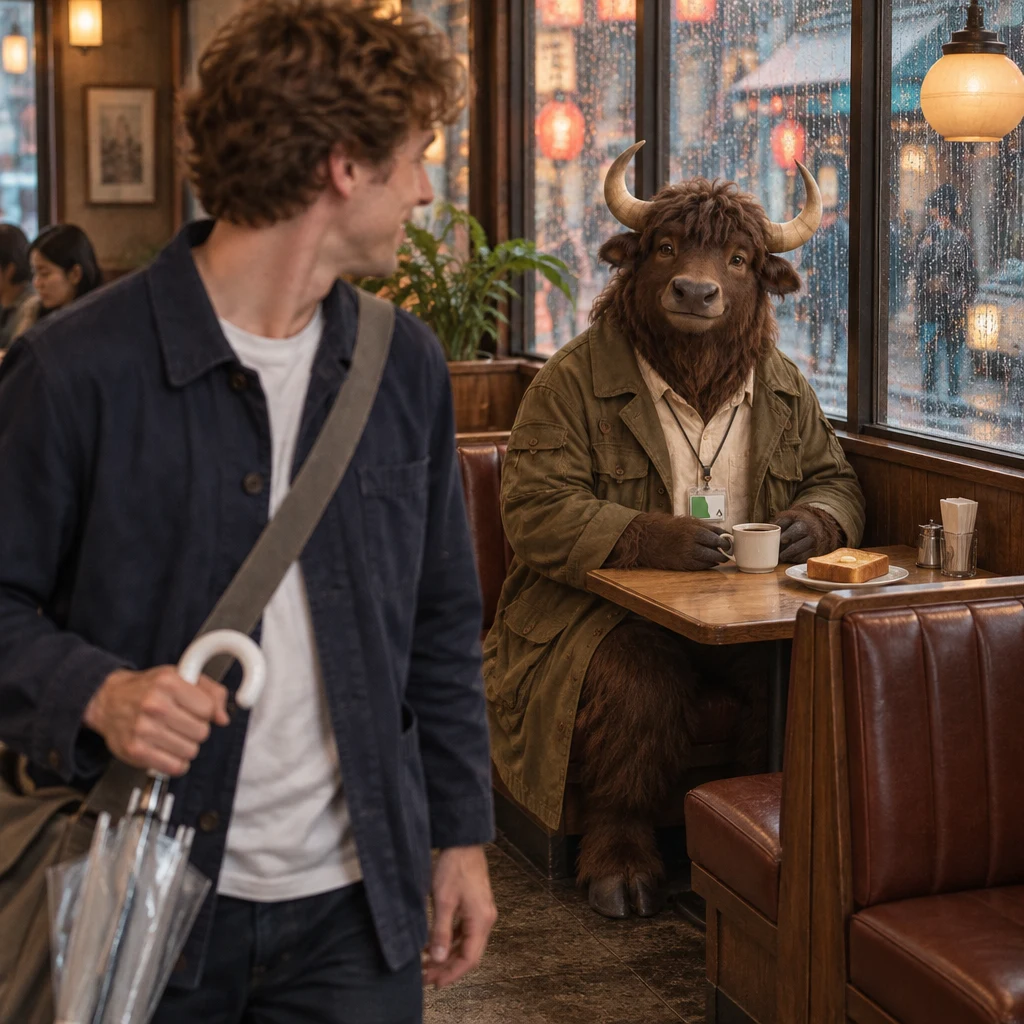
後ろにあります。
It's behind.
When to use it: Say this when something is behind you or another understood reference point.
Learn it as one piece for something behind.
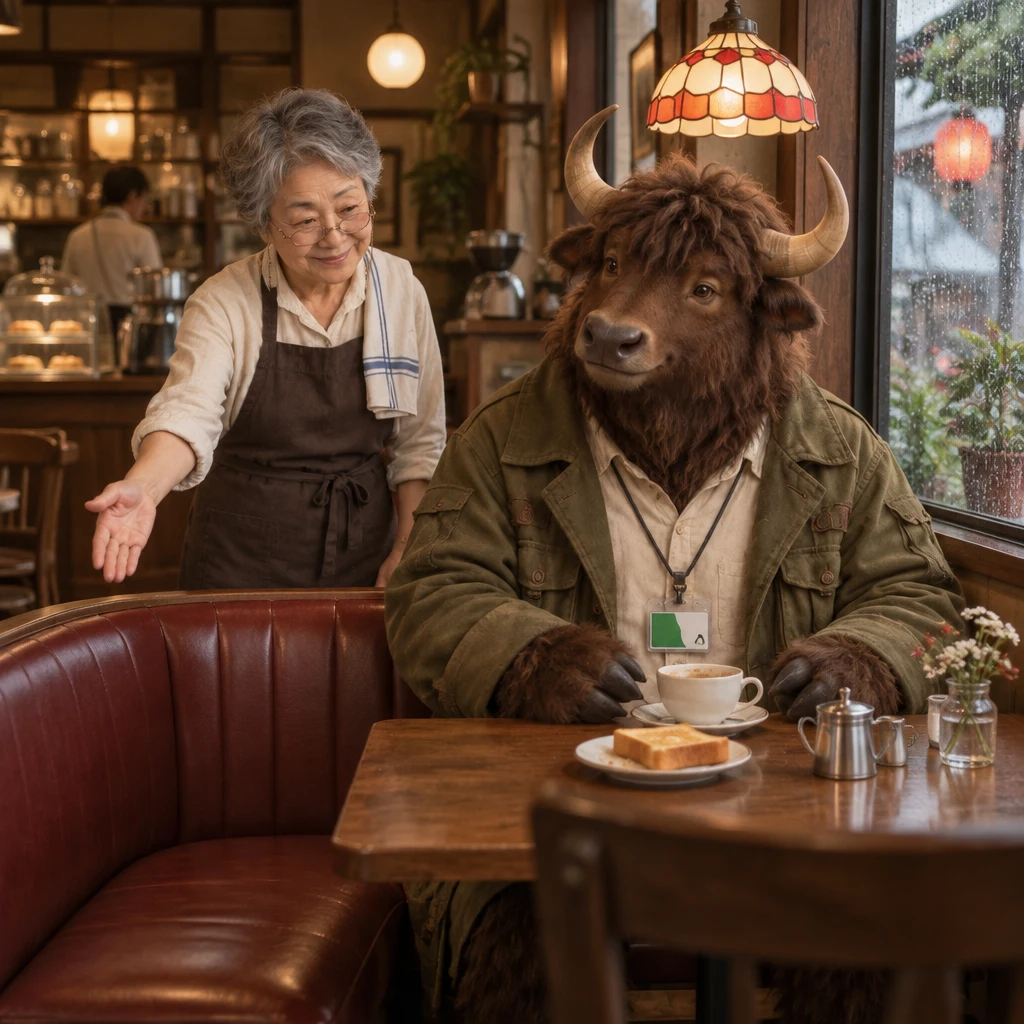
隣にあります。
It's next to it.
When to use it: Say this when something sits immediately beside another thing.
Learn it as one piece for something next to it.
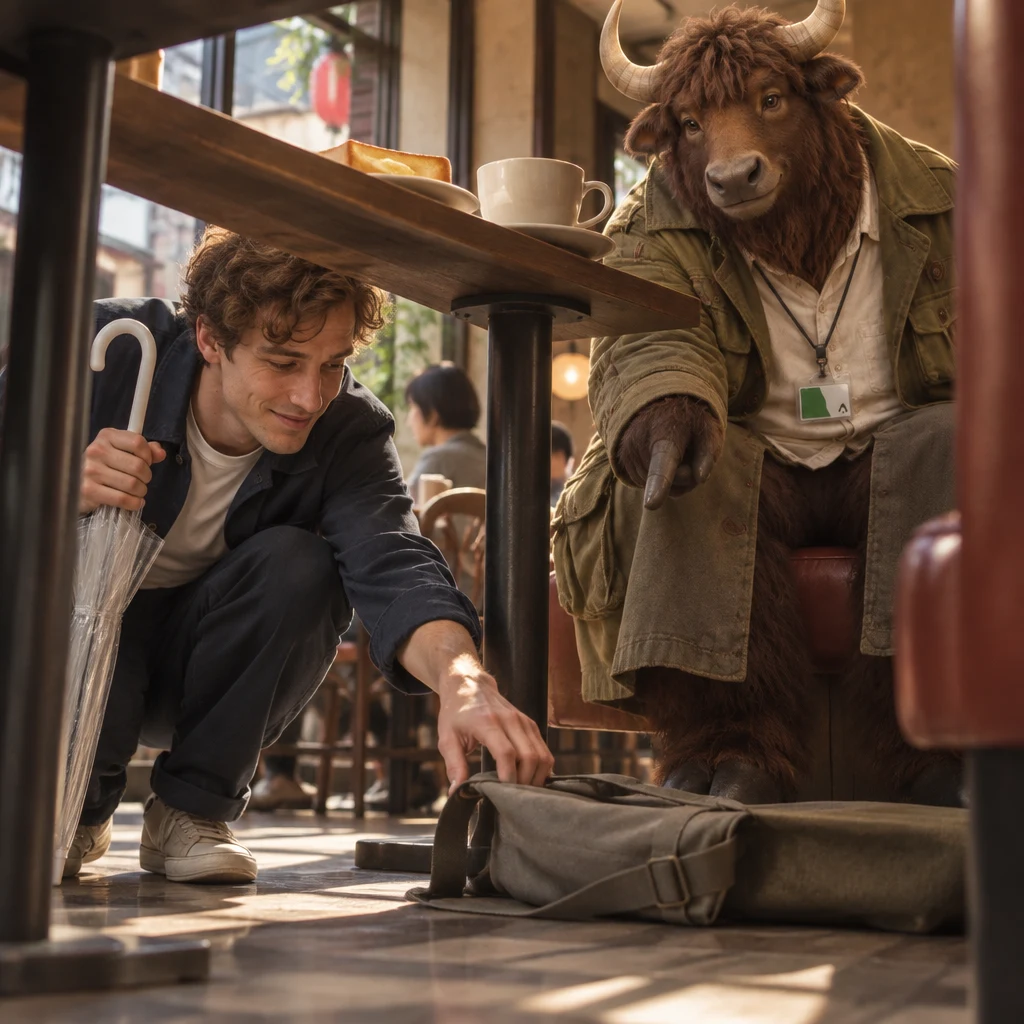
下にあります。
It's underneath.
When to use it: Say this when something is under a table or shelf.
Learn it as one piece for something underneath.

中にあります。
It's inside.
When to use it: Say this when something is inside a bag, container, or room.
Learn it as one piece for something inside.
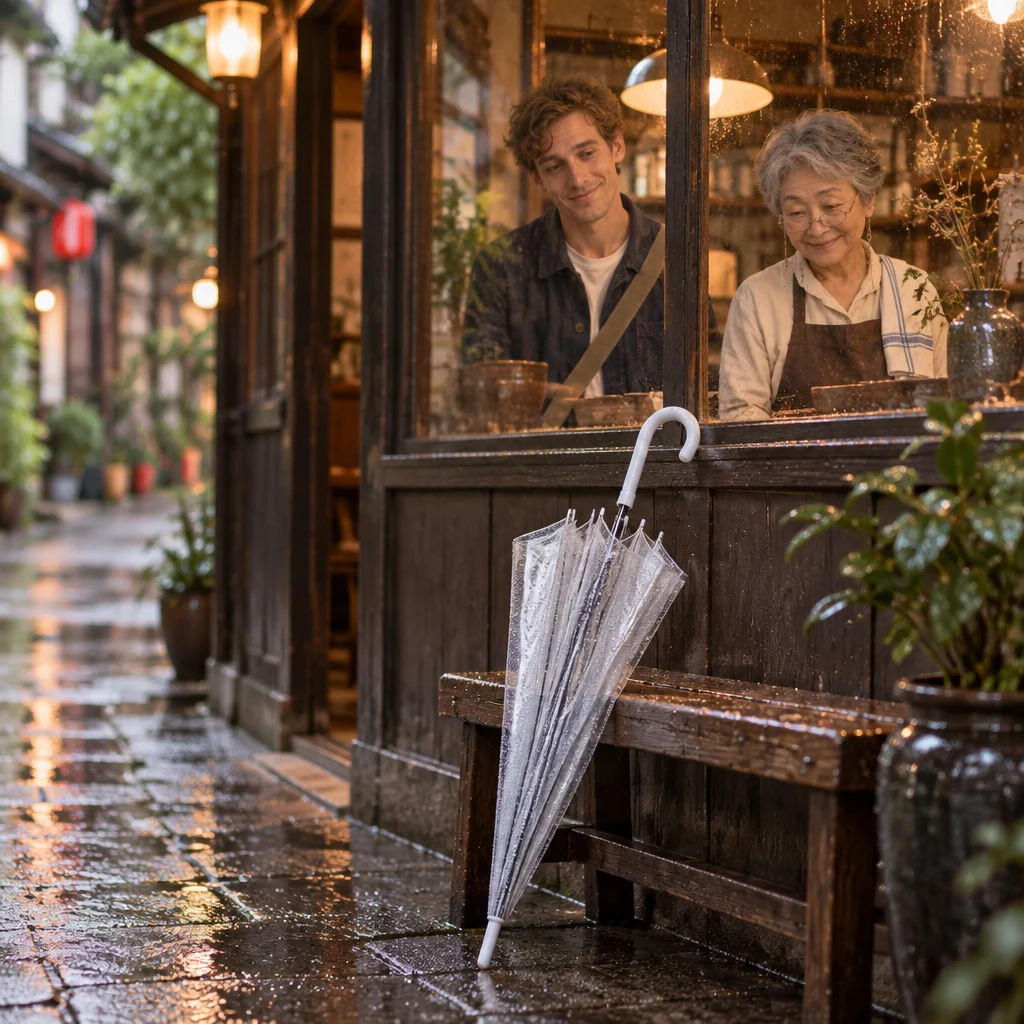
外にあります。
It's outside.
When to use it: Say this when something is outside a room, building, or container.
Learn it as one piece for something outside.
Story — two seats
Watch Leo hunt for a stand and a seat at Kissa Hotaru. The stand is in front; the booth is behind.
The highlighted words are the lines you just learned. Turn on Show English if you need it.
- Leo holds his wet umbrella. The stand is directly ahead, just inside the door.
 Leo傘立てはどこですか。Where is the umbrella stand?
 Masako前にあります。It's in front.
- Leo puts his clear umbrella in the stand. The old black umbrella stays untouched.
- Masako席が空いています。A seat is free.
- Leo席はどこですか。Where is the seat?
- Masako後ろにあります。It's behind.
- Leo turns toward Goro's booth. One yak fills two seats. Masako points to the free seat beside the booth.
- Masako隣にあります。It's next to it.
- Leo reaches for his bag. Goro points under the table, where Leo just put it.
 Goro下にあります。It's underneath.
- Leo pats his jacket for his phone. He opens his bag and spots it inside.
- Leo中にあります。It's inside.
- Through the window, Leo notices a customer's umbrella beside the outdoor bench. Masako follows his glance.
- Masako外にあります。It's outside.
Practice — where is it
Ten quick exercises wait here. You will listen, pick, match, fill a gap, and build a line.
They stay tiny, so the round moves fast.
0 of 10 done
What did you hear?
What did you hear?
Match the pairs
Japanese
下にあります。Drop the English here中にあります。Drop the English here外にあります。Drop the English hereEnglish
What do you say?
What do you say?
Masako asks where the free seat is. It is directly behind you, inside the cafe. Tell her its position.
Fill the gap
Fill the gap
It's next to it.
____にあります。
What does it mean?
What does it mean?
下にあります。
Swap the word
Swap the word
Goro's Suica card is completely inside its plastic sleeve. Change the location word to describe it.
____にあります。
Build the line
Build the line
It's outside.
。
Tap the words in order.
Pick the reply
Masako says:
Pick the reply
傘立てはどこですか。
Where is the umbrella stand?
And you reply with:
Which one doesn’t belong?
Which one doesn’t belong?
True or false?
True or false?
This asks where something is.
Say it — point and say
You are Leo at Kissa Hotaru. Masako and Goro ask where things are. When the cue is yours, tap the microphone and say the line.
Tap play first if you want to hear it. The recording stays on this device.
- Masako傘立てはどこですか。Where is the umbrella stand?
- Leo (you)The stand is directly ahead of you, inside the door. Tell her it is in front.
The stand is directly ahead of you, inside the door. Tell her it is in front.
前にあります。
It's in front.
0 of 6 said
Recap — what you can say now
| Japanese | English | Play |
|---|---|---|
| 前にあります。 | It's in front. | |
| 後ろにあります。 | It's behind. | |
| 隣にあります。 | It's next to it. | |
| 下にあります。 | It's underneath. | |
| 中にあります。 | It's inside. | |
| 外にあります。 | It's outside. |
Save your progress — it’s free
Keep your place in the course and see which lines you’ve learned.
Want the next lesson in your inbox?
Get the next lesson by email, one a day.
Join the newsletterDaily lesson emails are coming soon. Newsletter subscribers get them first.
Keep practicing with Yak Cards
Keep these place words handy with the Yak Cards for this lesson and review them anywhere.
A quick round with the Yak Cards each day keeps these place words ready.
Open Yak Cards