
New here? This is lesson 181 of a free 240-lesson Japanese course.
The story grows in Japanese
Leo and Haruka sit down at Kissa Hotaru after the Kyoto weekend. Haruka starts the Kodama mix-up, then the story grows: more rain, more people, a near miss in a sweet shop.
Masako has already heard a larger version from someone else. Goro listens from the booth and does not finish his coffee.
You will start a retelling, notice when a story grows, and pull it back to what really happened.
Keep the Japanese everyday. The odd part is how the tale changes, not the sentences.
By the end of this lesson
Retell something and notice how a story grows.
- 話はこうです。Here's how it went.
- 昨日聞いた話と違います。The version I heard yesterday was different.
- 話すたびに大きくなりますね。It gets bigger every time you tell it.
- そんなに大げさじゃなかったです。It wasn't actually that dramatic.
- 本当のことみたいに話しますね。You tell it as if it were true.
- そういう話じゃなかったですよ。That's not how it was.
Scene — back at the kissa
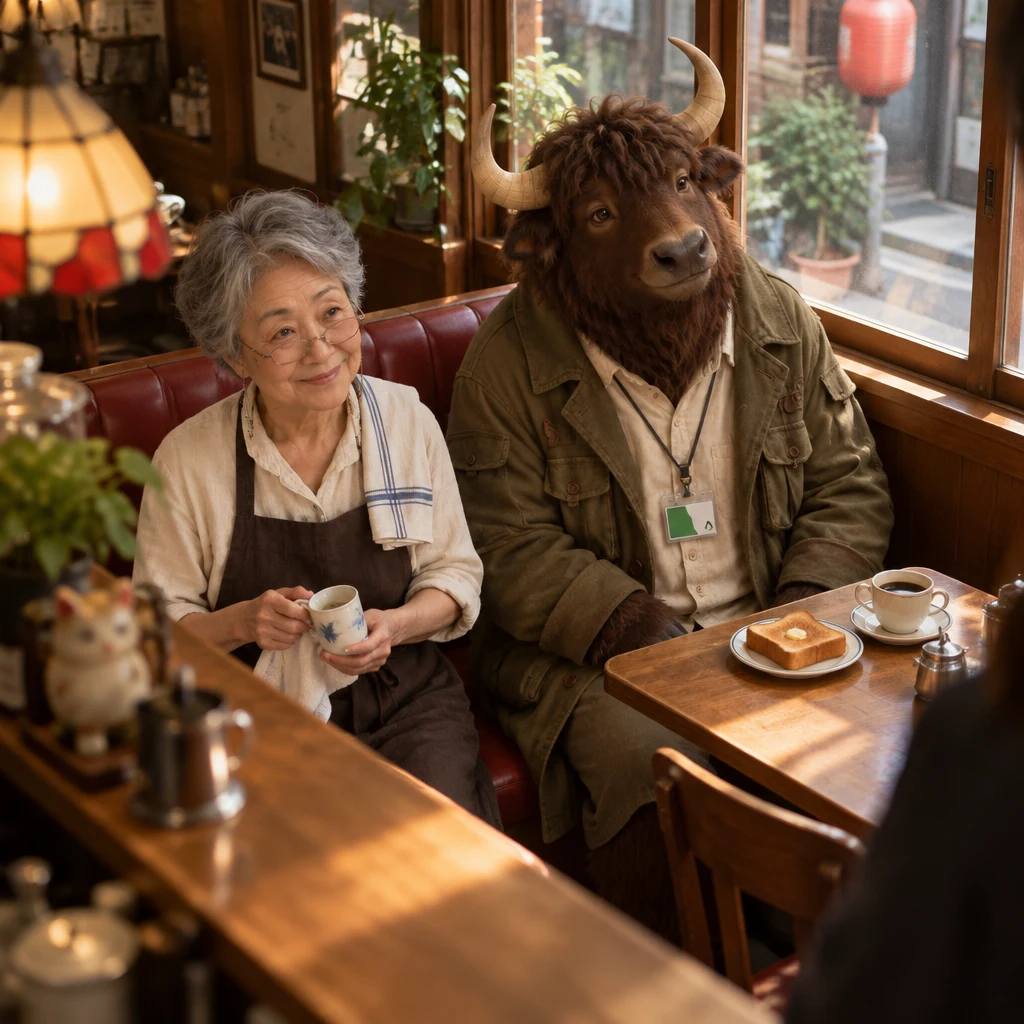
Afternoon light hits the wooden counter at Kissa Hotaru. Leo and Haruka slide into a booth. Haruka's sketchbook is open to a Kyoto lane that looks busier than it was.
Masako wipes a cup that does not match the others. In the corner, Goro occupies two red seats beside toast and a blend coffee he has not sipped.

Learn — when the tale grows
These six lines help you start a retelling and push back when the tale grows.
You will mark a different version, and say what was not that dramatic.

話はこうです。
Here's how it went.
When to use it: Use this to start a retelling from the beginning.
は marks 話 as the topic you are about to tell.

昨日聞いた話と違います。
The version I heard yesterday was different.
When to use it: Use this when a new version does not match.
と marks the thing you compare against; here, the story you heard.
話すたびに大きくなりますね。
It gets bigger every time you tell it.
When to use it: Use this when a tale grows with each telling.
たびに after a verb means every time that action happens.

そんなに大げさじゃなかったです。
It wasn't actually that dramatic.
When to use it: Use this to pull a story back to size.
じゃなかったです is the polite past negative of だ.
Say it: Hold both お sounds in 大げさ; do not clip them.

本当のことみたいに話しますね。
You tell it as if it were true.
When to use it: Use this when someone tells it as fact.
みたいに means you tell it in the manner of something true.

そういう話じゃなかったですよ。
That's not how it was.
When to use it: Use this to reject a version that is off.
よ adds a push that you were there and know.
Story — bigger each round
Haruka retells the Kyoto mix-up at the kissa. Each round the story grows, and Masako has already heard a larger version.
Highlighted phrases are the new lines. Turn on Show English if you want a gloss.
- Afternoon at Kissa Hotaru. Haruka and Leo sit in a booth with her sketchbook open.
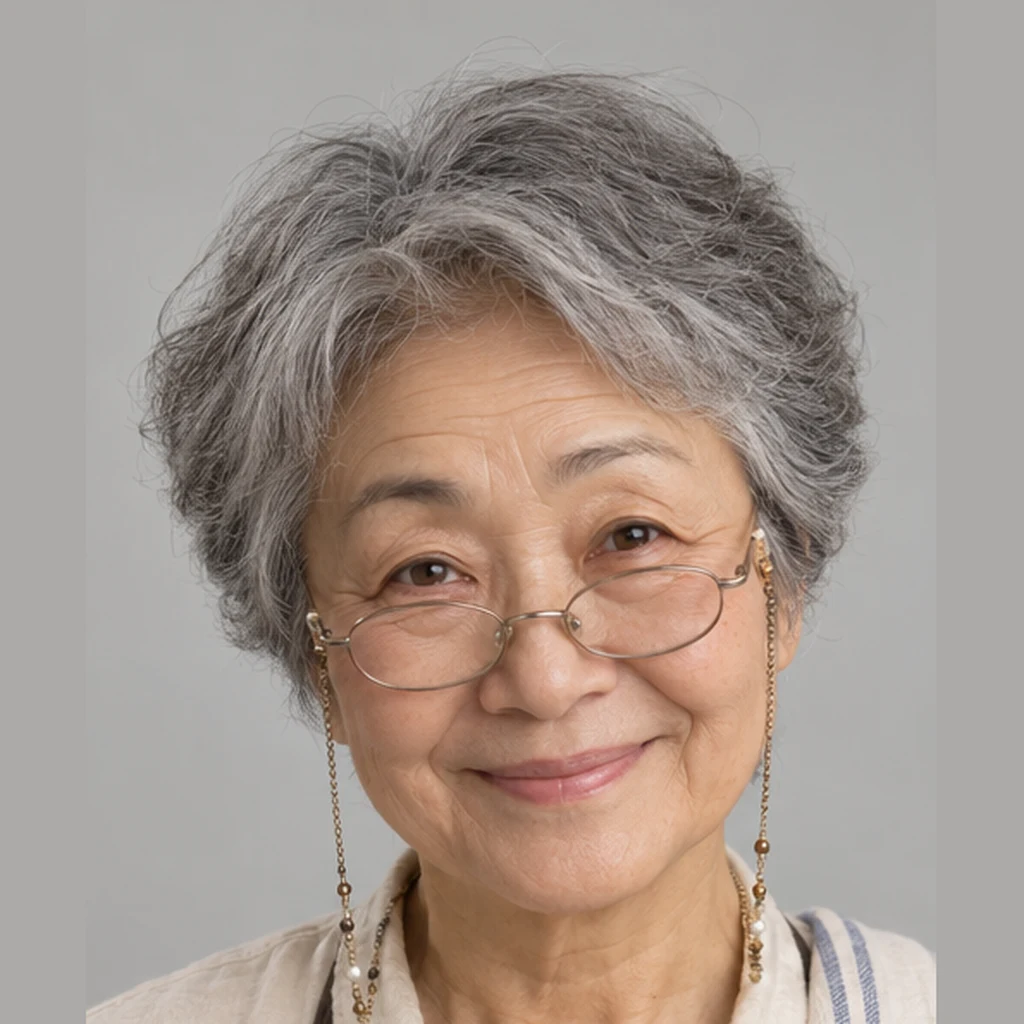 Masako週末はどうでしたか。How was your weekend?
 Haruka話はこうです。Here's how it went.
- Harukaこだまに乗って、和菓子屋の前で大事件になったの。We took the Kodama and it turned into a huge incident in front of a sweet shop.
 Leoそんなに大げさじゃなかったです。It wasn't actually that dramatic.
- Haruka leans in. The Kyoto lane in her sketch looks packed.
- Haruka人が多くて、雨も降ってきたよ。It was crowded, and it started raining too.
 Goro本当ですか。Really?
- Masako昨日聞いた話と違います。The version I heard yesterday was different.
- Leoそういう話じゃなかったですよ。That's not how it was.
- Goro looks toward the stand by the door, then back at his unfinished coffee.
- Goro雨の日の話ですか。Is this a rainy-day story?
- Haruka途中でちょっと降っただけ。It only rained a little on the way.
- Masako話すたびに大きくなりますね。It gets bigger every time you tell it.
- Haruka本当のことだよ。It is what happened.
- Leo本当のことみたいに話しますね。You tell it as if it were true.
- Harukaちょっと大きくしただけ。I only made it a little bigger.
- Masako健太さんも、もっと大きい話をしてたよ。Kenta told an even bigger version too.
- Leo旅行は予定どおりにいきませんでした。The trip didn't go as planned.
- Goroなるほど。That makes sense.
- Harukaでも、楽しかったよ。But it was fun.
Practice — catch the growing tale
Eleven short tasks sit here. You will listen, fill a gap, swap a word, and pick a reply.
Each item is small, so you move on quickly.
0 of 11 done
What did you hear?
What did you hear?
Match the pairs
Japanese
昨日聞いた話と違います。Drop the English here話すたびに大きくなりますね。Drop the English here本当のことみたいに話しますね。Drop the English hereEnglish
What do you say?
What do you say?
Haruka makes the Kyoto mix-up sound huge. You were there. Pull the story back.
Fill the gap
Fill the gap
The version I heard yesterday was different.
昨日聞いた話____違います。
Pick the reply
Haruka says:
Pick the reply
京都で三日も歩いて、雨にずっと降られてたよ。
We walked three days in Kyoto and got rained on the whole time.
And you reply with:
Build the line
Build the line
It gets bigger every time you tell it.
。
Tap the words in order.
What does it mean?
What does it mean?
本当のことみたいに話しますね。
Swap the word
Swap the word
You want to start the retelling. Fix the pointing word.
話は____です。
What do you say?
What do you say?
Masako stayed behind in Tokyo while you went to Kyoto. Ask how her weekend was.
Pick the reply
Haruka says:
Pick the reply
甘いもの屋の前に、百人も並んでたよ。
There were a hundred people in line in front of the sweet shop.
And you reply with:
True or false?
True or false?
This line says the trip went exactly as planned.
Say it — your turn to speak
You are Leo at the kissa after Kyoto. When the cue is yours, tap the microphone and say the line.
Tap play first if you want to hear it. The recording stays on this device.
- Masako週末はどうでしたか。How was your weekend?
- Leo (you)Start the story from the beginning.
Start the story from the beginning.
話はこうです。
Here's how it went.
0 of 6 said
Recap — what you can say now
| Japanese | English | Play |
|---|---|---|
| 話はこうです。 | Here's how it went. | |
| 昨日聞いた話と違います。 | The version I heard yesterday was different. | |
| 話すたびに大きくなりますね。 | It gets bigger every time you tell it. | |
| そんなに大げさじゃなかったです。 | It wasn't actually that dramatic. | |
| 本当のことみたいに話しますね。 | You tell it as if it were true. | |
| そういう話じゃなかったですよ。 | That's not how it was. |
Save your progress — it’s free
Keep your place in the course and see which lines you’ve learned.
Want the next lesson in your inbox?
Get the next lesson by email, one a day.
Join the newsletterDaily lesson emails are coming soon. Newsletter subscribers get them first.
Keep practicing with Yak Cards
Keep these retelling lines in your pocket. Open the Yak Cards for this lesson and run them on the train.
A short Yak Cards round after a story keeps the retelling lines ready.
Open Yak Cards