
New here? This is lesson 78 of a free 240-lesson Japanese course.
Free time in Japanese
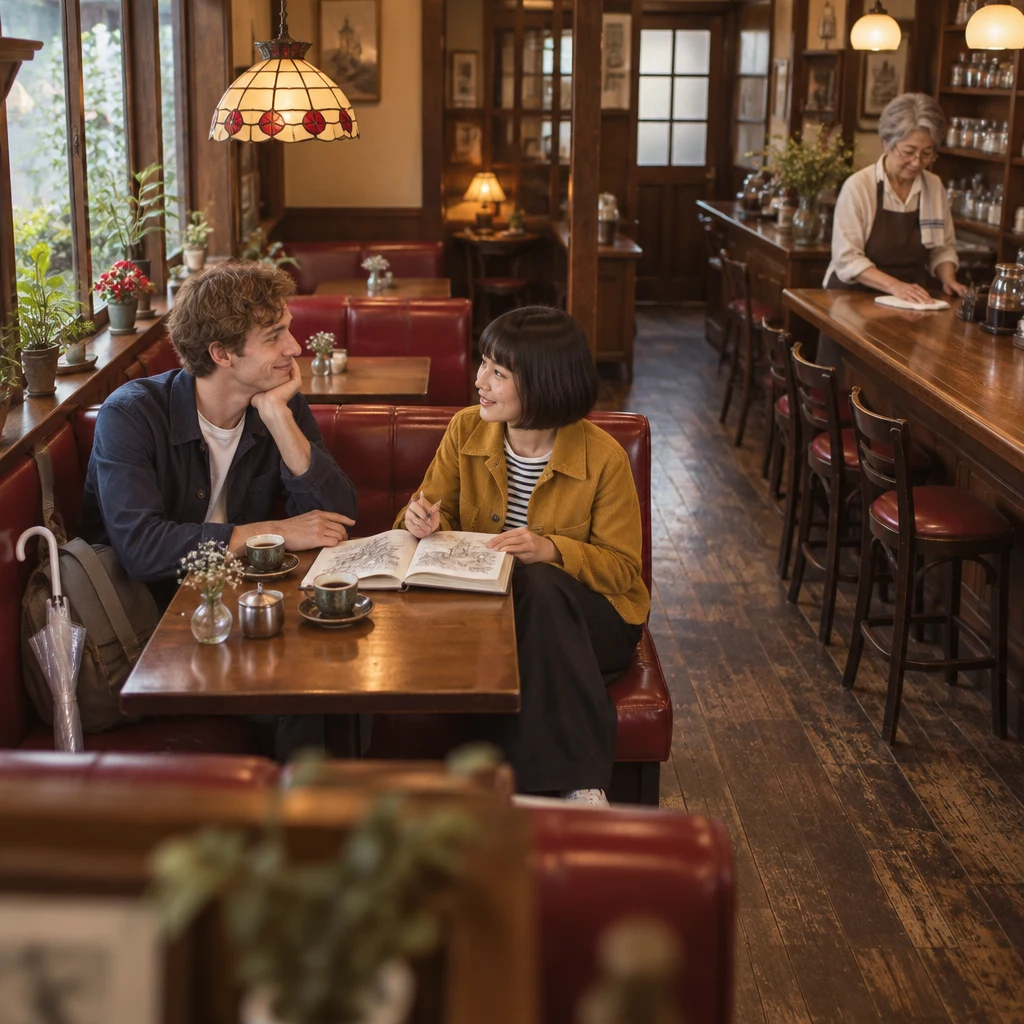
Haruka is already at a booth in Kissa Hotaru, sketchbook open, when Leo sits down. She asks what he does when he is free.
He says walking, though he has not taken the Yanaka walk yet. She starts sketching the lane anyway.
You will ask about hobbies and free time, say what you like to do, and invite someone along.
Keep it polite. Skill talk comes next.
By the end of this lesson
Say what you do in your free time and ask what others do.
- 趣味は何ですか。What are your hobbies?
- 暇なときは何をしますか。What do you do in your free time?
- 暇なときに___のが好きです。I like to ___ when I'm free.
- 一緒に___をしませんか。Would you like to ___ with me?
- それをすると、リラックスできます。It helps me relax.
- 一人でするのも好きです。I also like doing things on my own.
Scene — Saturday in the booth
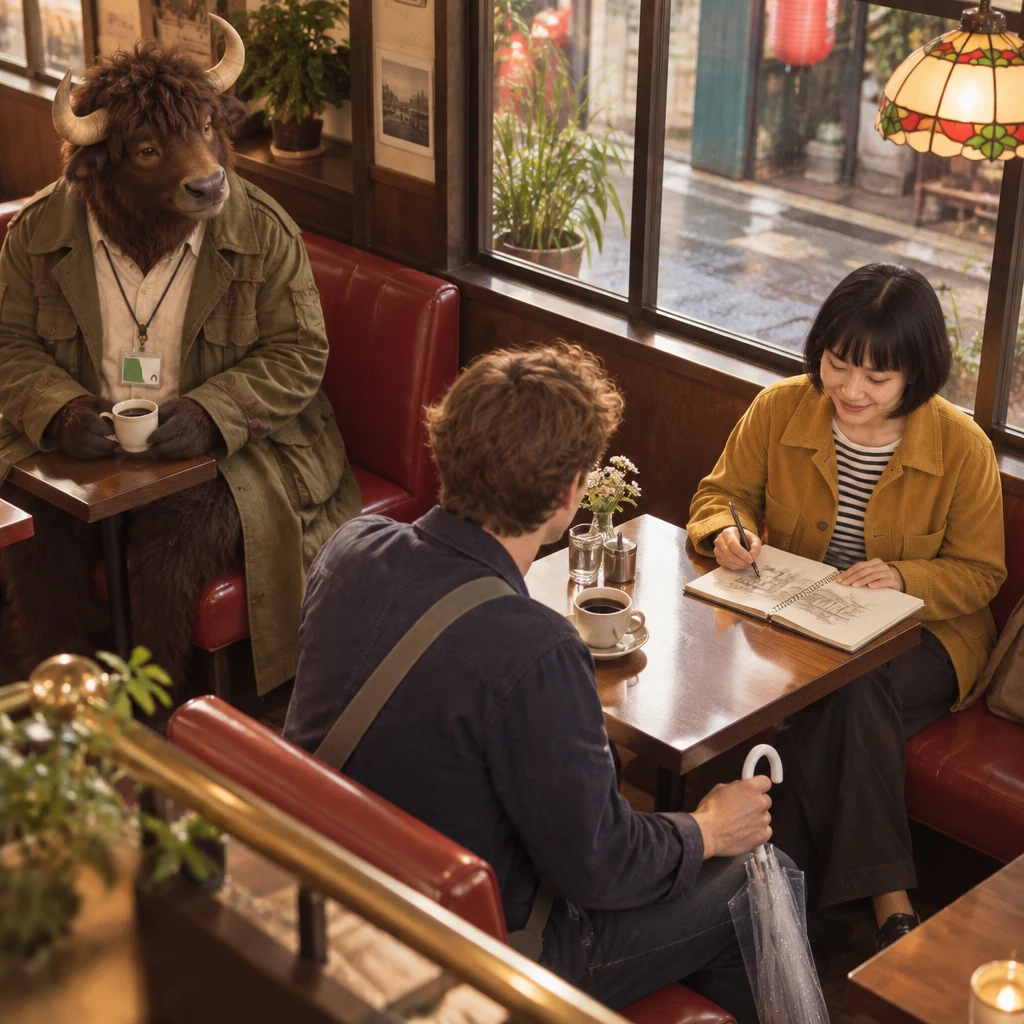
Saturday afternoon at Kissa Hotaru. Haruka has a mustard jacket on and a sketchbook open on the booth table. Leo sits across from her with a clear umbrella by his bag.
Goro occupies two red seats in the corner. His blend coffee is still full. Masako wipes the wooden counter and does not look over.
Learn — hobbies and free time
These six lines ask about hobbies and free time, then say what you like to do.
You can invite someone along, or say you like doing it alone.

趣味は何ですか。
What are your hobbies?
When to use it: Ask this to learn what someone enjoys.
は marks hobbies as the topic of this question.

暇なときは何をしますか。
What do you do in your free time?
When to use it: Ask what someone does with spare time.
暇なとき means when you are free, and は sets that topic.

暇なときに___のが好きです。
I like to ___ when I'm free.
When to use it: Name something you like to do when you are free.
Put the plain verb in the blank; の turns it into a thing you like.

一緒に___をしませんか。
Would you like to ___ with me?
When to use it: Invite someone to do an activity with you.
Put a noun in the blank; しませんか makes a polite invite.

それをすると、リラックスできます。
It helps me relax.
When to use it: Say that an activity helps you unwind.
と after する means when you do that, the next thing follows.
Say it: Briefly close the airflow before the k in リラックス.
一人でするのも好きです。
I also like doing things on my own.
When to use it: Add that you also like doing things alone.
も after の adds this as one more thing you like.
Story — a walk she already drew
Haruka asks Leo what he does when he is free. He says walking, and she is already drawing the walk.
Highlighted phrases are the new lines. Turn on Show English if you want a gloss.
- Haruka looks up from the sketchbook.
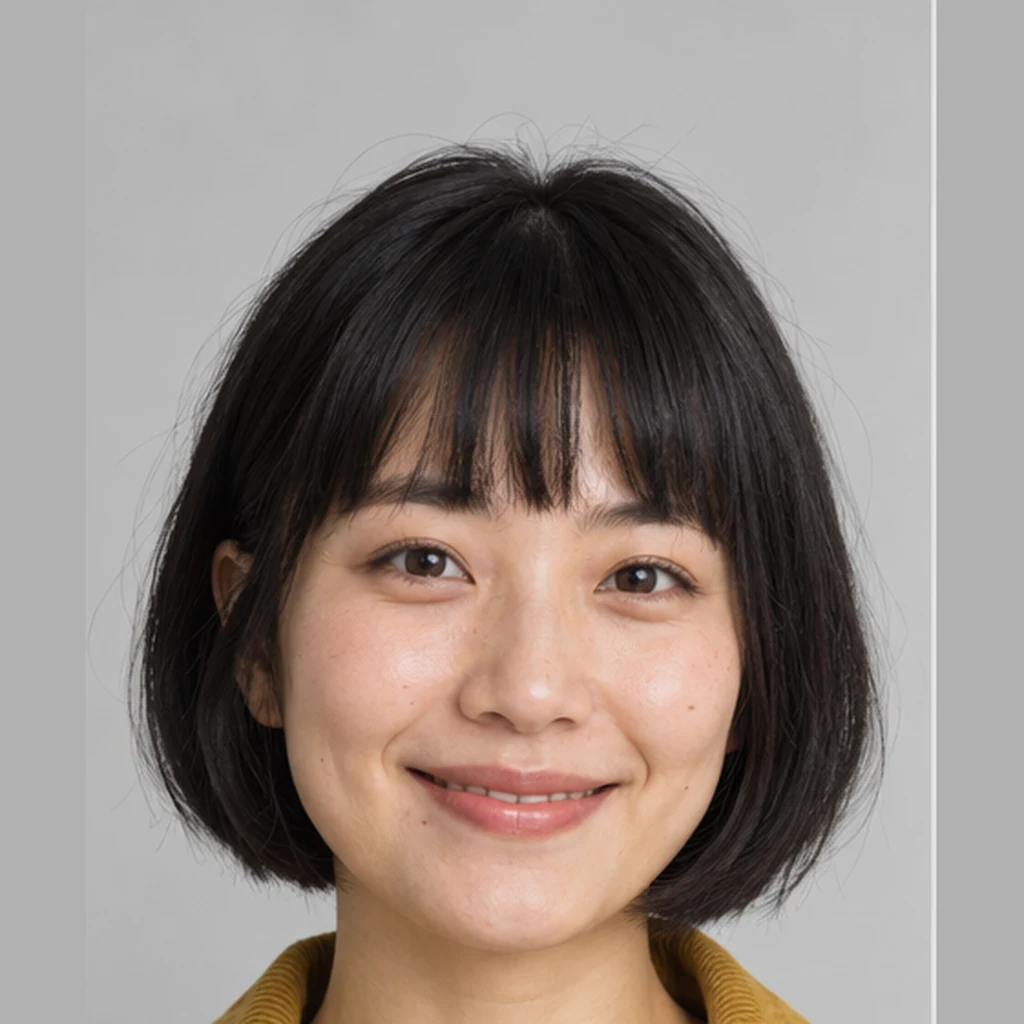 Harukaこんにちは。Hello.
 Leoこんにちは。Hello.
- Haruka趣味は何ですか。What are your hobbies?
- Leoええと、散歩です。Um, walking.
- Haruka暇なときは何をしますか。What do you do in your free time?
- Leo暇なときに歩くのが好きです。I like to walk when I'm free.
- She is already sketching the Yanaka lane.
- Haruka一緒に散歩をしませんか。Would you like to take a walk with me?
- Leo一人でするのも好きです。I also like doing things on my own.
- Haruka何が好きですか。What do you like?
- Leo散歩が好きです。I like walking.
- Goro looks over from the corner booth. His coffee is still full.
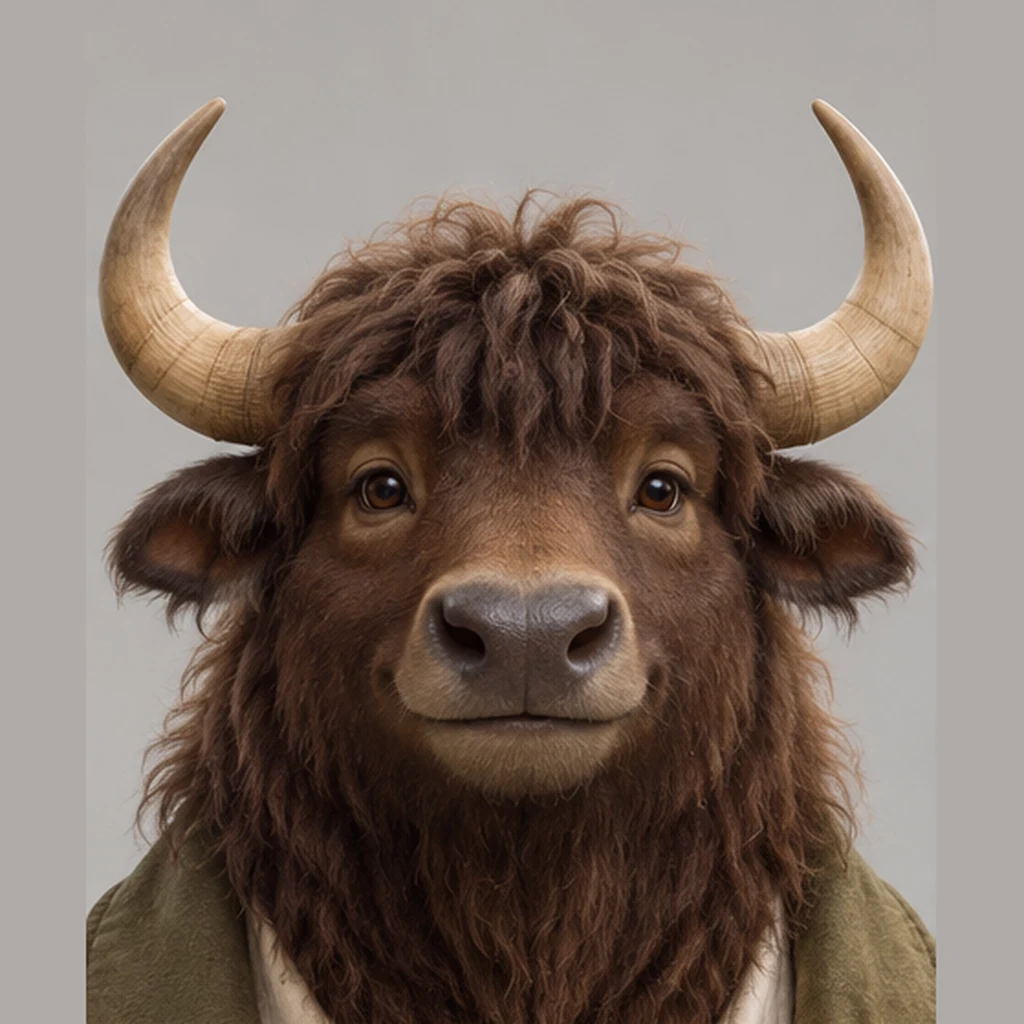 Goroなるほど。I see.
- Leoそれをすると、リラックスできます。It helps me relax.
- Harukaもう描いています。I'm already drawing it.
Practice — pick the right free-time line
Eleven short tasks wait in this round. You will listen, match meanings, fill a gap, and then build a line.
Each one is small, so you move on quickly.
0 of 11 done
What did you hear?
What did you hear?
Match the pairs
Japanese
趣味は何ですか。Drop the English here暇なときは何をしますか。Drop the English here一人でするのも好きです。Drop the English hereEnglish
What do you say?
What do you say?
You sit down with Haruka. Ask about her hobbies.
Fill the gap
Fill the gap
What do you do in your free time?
暇なときは何____しますか。
What does it mean?
What does it mean?
それをすると、リラックスできます。
Pick the reply
Haruka says:
Pick the reply
暇なときは何をしますか。
What do you do in your free time?
And you reply with:
Build the line
Build the line
I also like doing things on my own.
。
Tap the words in order.
Swap the word
Swap the word
You already said you like walking. Add that you also like doing things alone.
一人でするの____好きです。
What do you say?
What do you say?
You want Haruka to walk the Yanaka lanes with you.
True or false?
True or false?
This asks what someone likes.
What do you say?
What do you say?
Haruka asks what you like. Name walks.
Say it — your turn to speak
You are Leo in the booth with Haruka. When the cue is yours, tap the microphone and say the line.
Tap play first if you want to hear it. The recording stays on this device.
- Haruka趣味は何ですか。What are your hobbies?
- Leo (you)Say you like to walk when you are free.
Say you like to walk when you are free.
暇なときに___のが好きです。
I like to ___ when I'm free.
0 of 5 said
Recap — what you can say now
| Japanese | English | Play |
|---|---|---|
| 趣味は何ですか。 | What are your hobbies? | |
| 暇なときは何をしますか。 | What do you do in your free time? | |
| 暇なときに___のが好きです。 | I like to ___ when I'm free. | |
| 一緒に___をしませんか。 | Would you like to ___ with me? | |
| それをすると、リラックスできます。 | It helps me relax. | |
| 一人でするのも好きです。 | I also like doing things on my own. |
Save your progress — it’s free
Keep your place in the course and see which lines you’ve learned.
Want the next lesson in your inbox?
Get the next lesson by email, one a day.
Join the newsletterDaily lesson emails are coming soon. Newsletter subscribers get them first.
Keep practicing with Yak Cards
Keep these free-time lines in your pocket. Open the Yak Cards for this lesson and run them on the train.
A short Yak Cards round keeps hobby talk ready for the booth.
Open Yak Cards