
New here? This is lesson 191 of a free 240-lesson Japanese course.
Small steps in Japanese
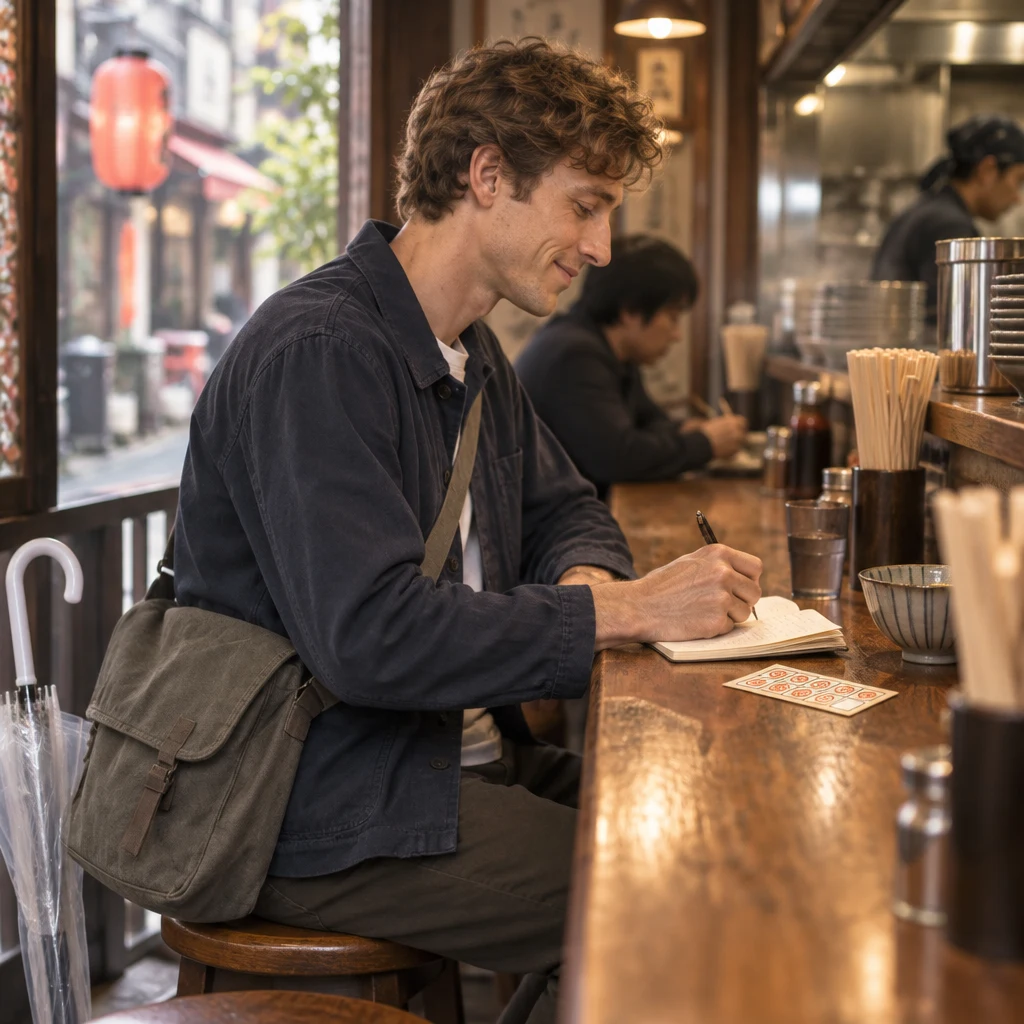
Leo's stamp card at Kissa Hotaru is still one stamp short. He feels stuck, but Masako treats the missing box as proof he has been coming.
Goro looks up from untouched blend coffee and asks what is hard.
You will report slow progress, name the hard part, and set a small next goal.
Keep the steps small. Big goals wait for another lesson.
By the end of this lesson
Report progress, name what is hard, and set a small next goal.
- ___は少しずつ進んでいます。I'm making progress with ___.
- いちばん大変なのは___です。The hardest part is ___.
- 時間はかかりますができると思います。It will take time, but I think I can do it.
- 小さい目標を立てています。I'm setting small goals.
- それをどうやって達成するつもりですか。How are you going to achieve that?
- 一歩ずつやっていきます。I'll take it step by step.
Scene — one stamp short
Afternoon light hits the wooden counter at Kissa Hotaru in Yanaka. Leo slides his stamp card toward Masako. One box is still empty.
In the corner booth, a large yak occupies two red seats. His blend coffee sits untouched beside thick toast.

Learn — small steps
These six lines help you report slow progress, name what is hard, and set a small next goal.
Fill the blanks with the thing you are working on.

___は少しずつ進んでいます。
I'm making progress with ___.
When to use it: Use this when something is moving forward slowly, not finished yet.
は marks the thing you are slowly moving forward on.
Say it: ずつ has no small っ; say ず and つ as two short, clear beats.

いちばん大変なのは___です。
The hardest part is ___.
When to use it: Use this to name the one part that feels hardest.
の after な turns that hard part into the topic.
Say it: Give ん in いちばん its own beat.

時間はかかりますができると思います。
It will take time, but I think I can do it.
When to use it: Use this when the work is slow but you still believe you can finish.
が here means but, and it joins the two halves.
小さい目標を立てています。
I'm setting small goals.
When to use it: Use this to say you are working with small targets, not huge ones.
立てています is the て-form plus いる, so the setting is ongoing.
Say it: The す in ます is almost silent, so the line ends on ま.

それをどうやって達成するつもりですか。
How are you going to achieve that?
When to use it: Ask this after someone names a goal, to hear their plan.
つもりですか asks what they plan to do, not what might happen.
Say it: Hold the small っ in 達成.

一歩ずつやっていきます。
I'll take it step by step.
When to use it: Use this when you will keep going in small steps.
いきます after て means you will keep going from here.
Story — the empty box
Leo's stamp card is still one stamp short. Masako calls that progress and asks for a small next goal.
Highlighted phrases are the new lines. Turn on Show English if you want a gloss.
- Leo slides the stamp card across the wooden counter. One box is still empty.
 Leoあと一つ足りません。It's one stamp short.
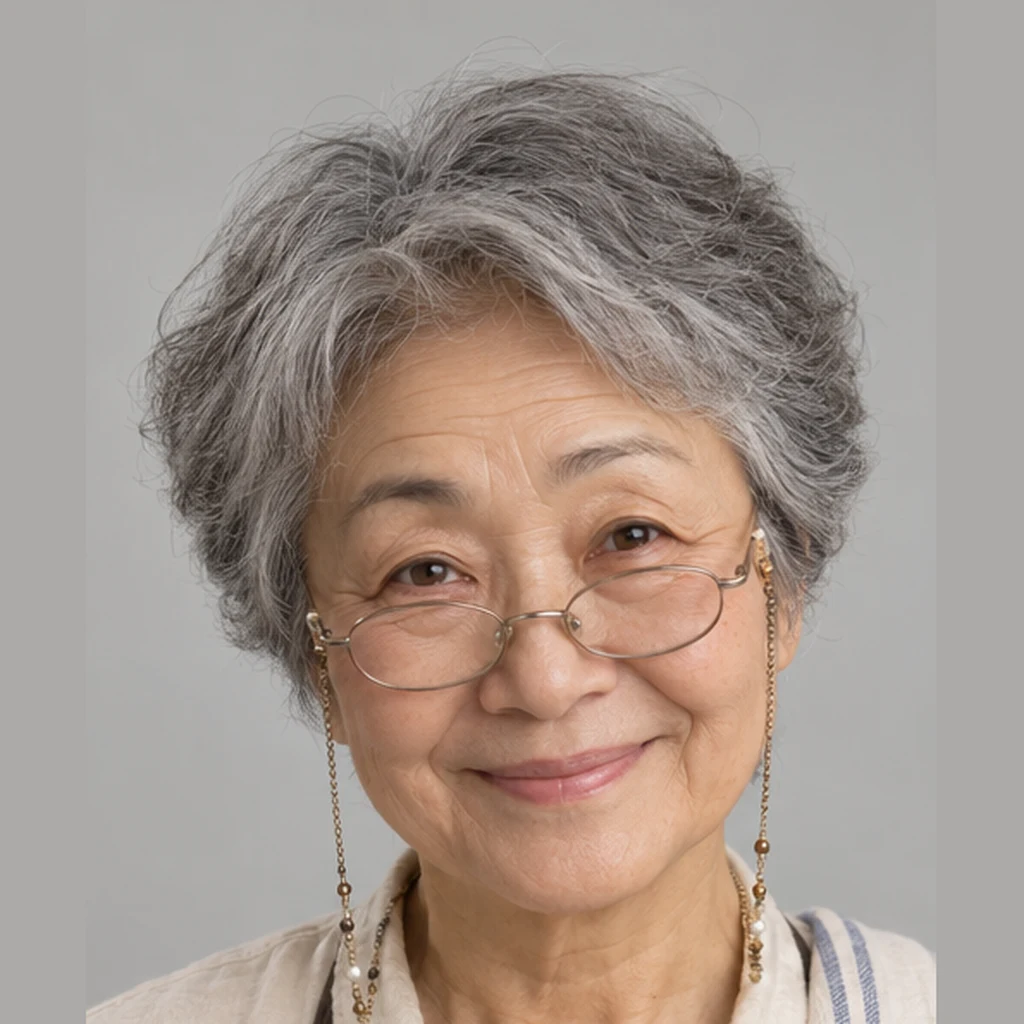 Masakoええ、でも来てますよ。Yes, but you have been coming.
- Leoスタンプは少しずつ進んでいます。I'm making progress with the stamps.
- From the corner booth, Goro looks up. His blend coffee is still full.
 Goro何が大変ですか。What's hard?
- Leoいちばん大変なのは最後の一つです。The hardest part is the last one.
- Masako時間はかかりますができると思います。It will take time, but I think you can do it.
- Leo小さい目標を立てています。I'm setting small goals.
- Masakoそれをどうやって達成するつもりですか。How are you going to achieve that?
- Leo一歩ずつやっていきます。I'll take it step by step.
- Masakoじゃあ、明日来てください。Then please come tomorrow.
- Leoはい、わかりました。Yes, I understand.
- Goroもうすぐできますか。Almost ready?
- Masako今、焼いてますよ。I'm toasting it now.
- Masako turns back to Leo and taps the empty box.
- Masakoまた明日。See you tomorrow.
Practice — pick the next step
Eleven short tasks wait in this round. You will listen, match meanings, fill a gap, and build a line.
Each one is small, so you move on quickly.
0 of 11 done
What did you hear?
What did you hear?
Match the pairs
Japanese
___は少しずつ進んでいます。Drop the English here小さい目標を立てています。Drop the English here一歩ずつやっていきます。Drop the English hereEnglish
What do you say?
What do you say?
You show Masako a stamp card that is still one short. Report slow progress with it.
Fill the gap
Fill the gap
It will take time, but I think I can do it.
時間はかかります____できると思います。
What does it mean?
What does it mean?
それをどうやって達成するつもりですか。
Pick the reply
Masako says:
Pick the reply
それをどうやって達成するつもりですか。
How are you going to achieve that?
And you reply with:
Build the line
Build the line
I'm setting small goals.
。
Tap the words in order.
Find the mistake
Find the mistake
Swap the word
Swap the word
You are setting small goals, not big ones.
____目標を立てています。
What do you say?
What do you say?
Goro asks what is hardest about the last stamp. Name that empty box as the hard part.
True or false?
True or false?
You say this when you will see the person tomorrow.
Say it — your turn to speak
You are Leo at the counter with a stamp card that is still one short. When the cue is yours, tap the microphone and say the line.
Tap play first if you want to hear it. The recording stays on this device.
- Masakoあと一つ足りませんね。It's one stamp short, isn't it.
- Leo (you)Tell her the stamp card is moving forward little by little.
Tell her the stamp card is moving forward little by little.
___は少しずつ進んでいます。
I'm making progress with ___.
0 of 5 said
Recap — what you can say now
| Japanese | English | Play |
|---|---|---|
| ___は少しずつ進んでいます。 | I'm making progress with ___. | |
| いちばん大変なのは___です。 | The hardest part is ___. | |
| 時間はかかりますができると思います。 | It will take time, but I think I can do it. | |
| 小さい目標を立てています。 | I'm setting small goals. | |
| それをどうやって達成するつもりですか。 | How are you going to achieve that? | |
| 一歩ずつやっていきます。 | I'll take it step by step. |
Save your progress — it’s free
Keep your place in the course and see which lines you’ve learned.
Want the next lesson in your inbox?
Get the next lesson by email, one a day.
Join the newsletterDaily lesson emails are coming soon. Newsletter subscribers get them first.
Keep practicing with Yak Cards
Keep these small-step lines in your pocket. Open the Yak Cards for this lesson and run them on the train.
A short Yak Cards round keeps small steps ready when a task feels stuck.
Open Yak Cards