
New here? This is lesson 126 of a free 240-lesson Japanese course.
What I did today in Japanese
Leo ducks into Kissa Hotaru after a stop at the konbini. Masako asks what he did today, and he walks through his morning.
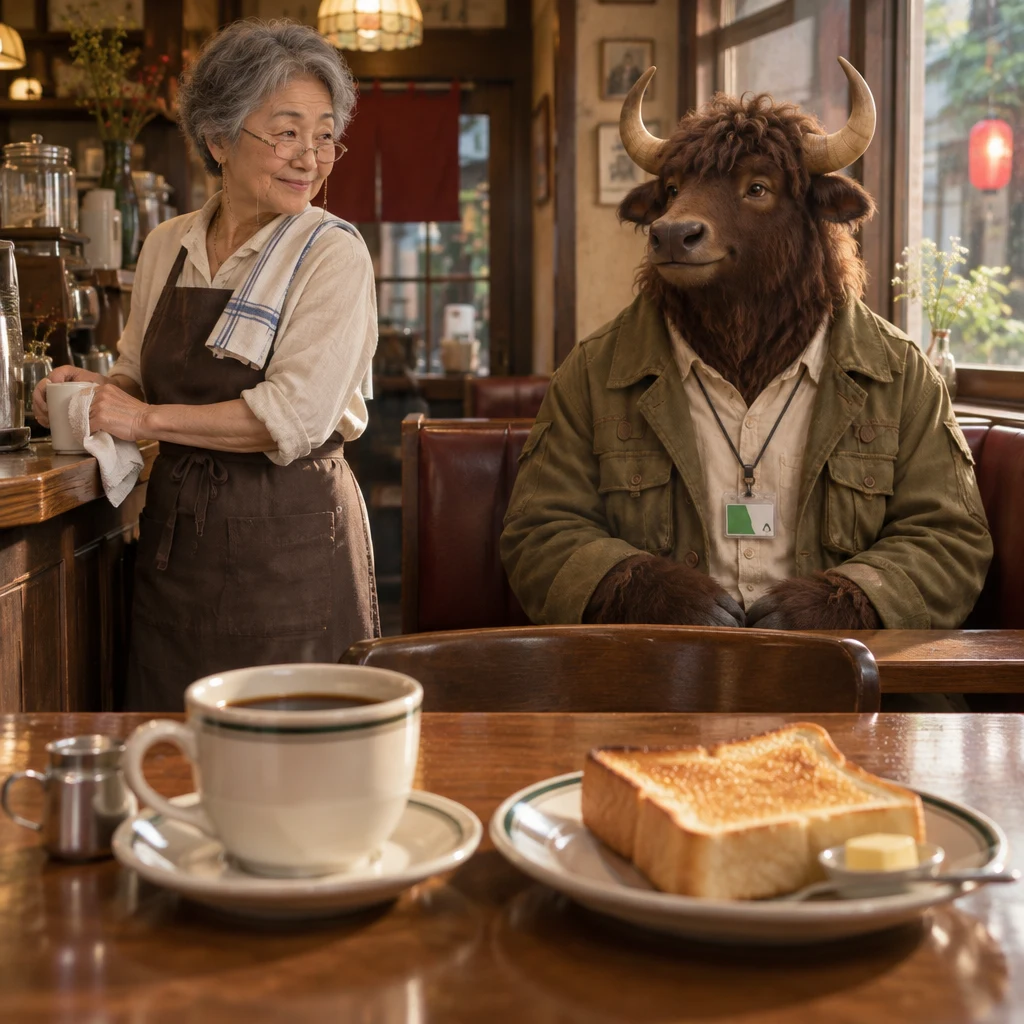
Breakfast is done. Lunch is not. Goro's blend coffee sits full in the booth, as usual.
You will say what you did, and what you have not done yet.
Use the past form for what is done, and the not-yet form for what is still waiting.
By the end of this lesson
Say what you did today and what you have not done yet.
- 今日は何をしましたか。What did you do today?
- 朝ごはんを食べました。I ate breakfast.
- コンビニに行きました。I went to the convenience store.
- まだ昼ごはんを食べていません。I haven't had lunch yet.
- 買い物をしました。I did some shopping.
- もう食べましたか。Have you eaten yet?
Scene — noon at the kissa
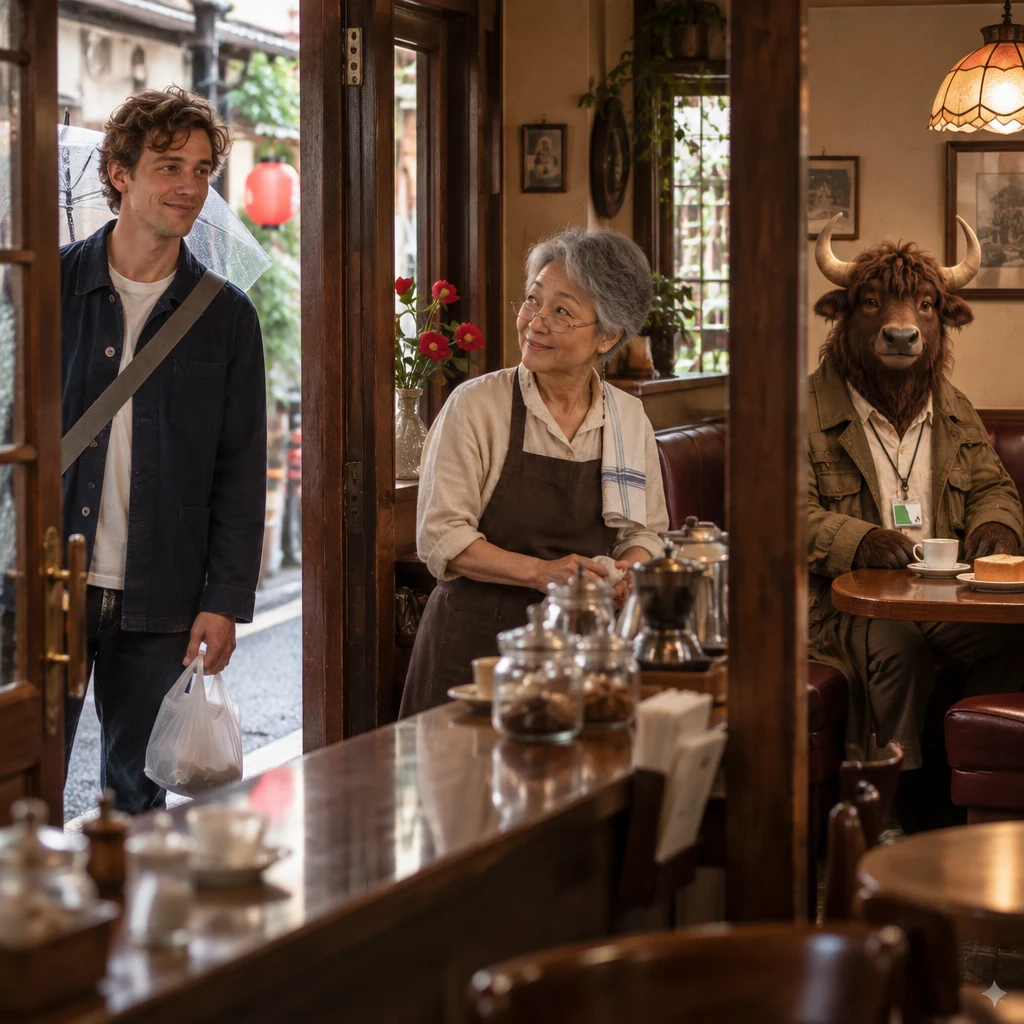
It is just after noon on a Yanaka lane. Leo pushes open the kissa door with a small konbini bag in his hand.
Masako looks up from the wooden counter. In the corner booth, Goro's blend coffee sits untouched beside thick toast.
Learn — what you did today
These six lines let you recap your morning: what you already did, and what you have not done yet.
Use ました when it is finished. Use まだ and ていません when it is still waiting.
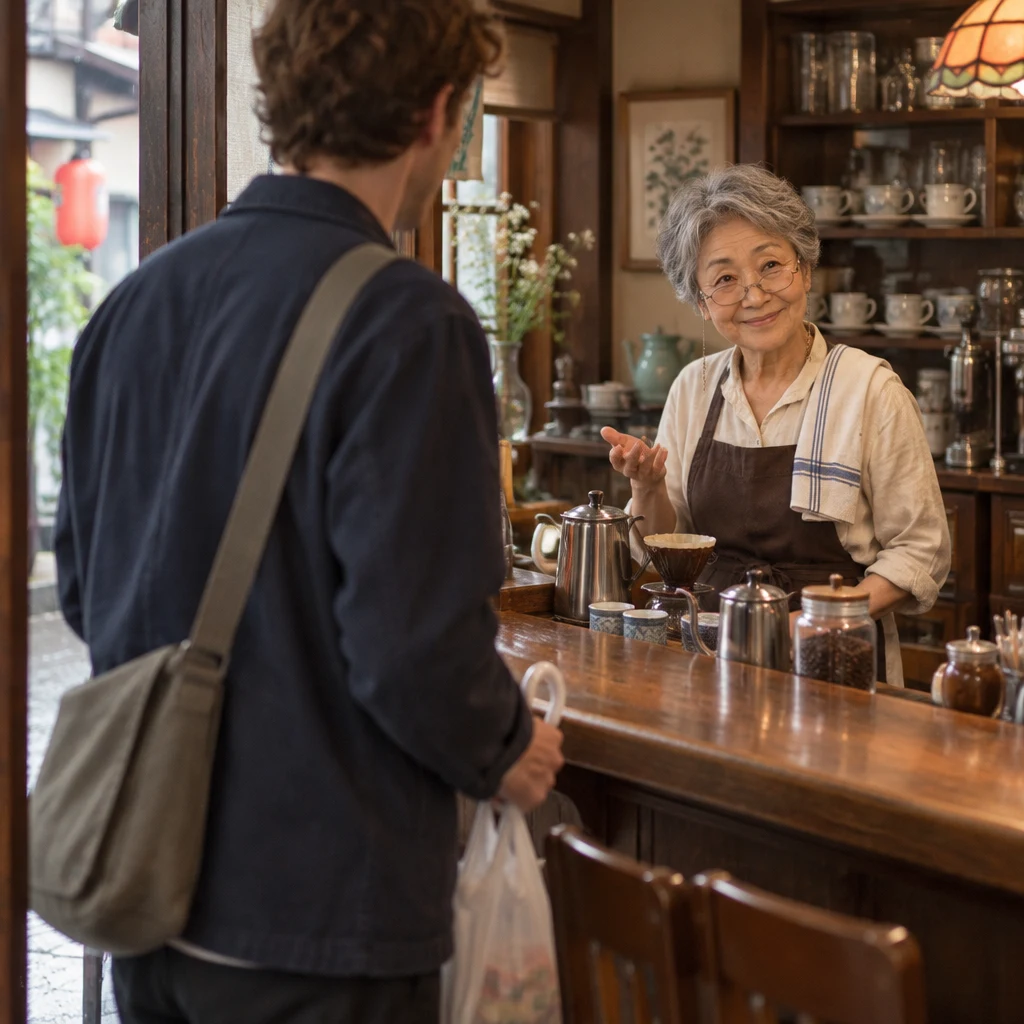
今日は何をしましたか。
What did you do today?
When to use it: Ask this when you want someone's recap of the day.
ました marks a finished past act in this question.

朝ごはんを食べました。
I ate breakfast.
When to use it: Use this to say breakfast is already done.
を marks breakfast as the thing you ate.
Say it: Give ん in ごはん its own beat.

コンビニに行きました。
I went to the convenience store.
When to use it: Use this after a trip to the convenience store.
に marks the place you went.

まだ昼ごはんを食べていません。
I haven't had lunch yet.
When to use it: Use this when lunch still has not happened.
まだ plus ていません means the action is not done yet.

買い物をしました。
I did some shopping.
When to use it: Use this after you have already done some shopping.
しました is the past of します for this activity.
もう食べましたか。
Have you eaten yet?
When to use it: Ask this to check if someone has already eaten.
もう asks if the action is already done.
Say it: Hold もう longer than も, or the meaning changes.
Story — lunch can wait
Leo tells Masako about his morning at the kissa. Highlighted phrases are the new lines.
Turn on Show English if you want a gloss.
- Noon light on the counter. Leo comes in with a small konbini bag.
 Leoこんにちは。Hello.
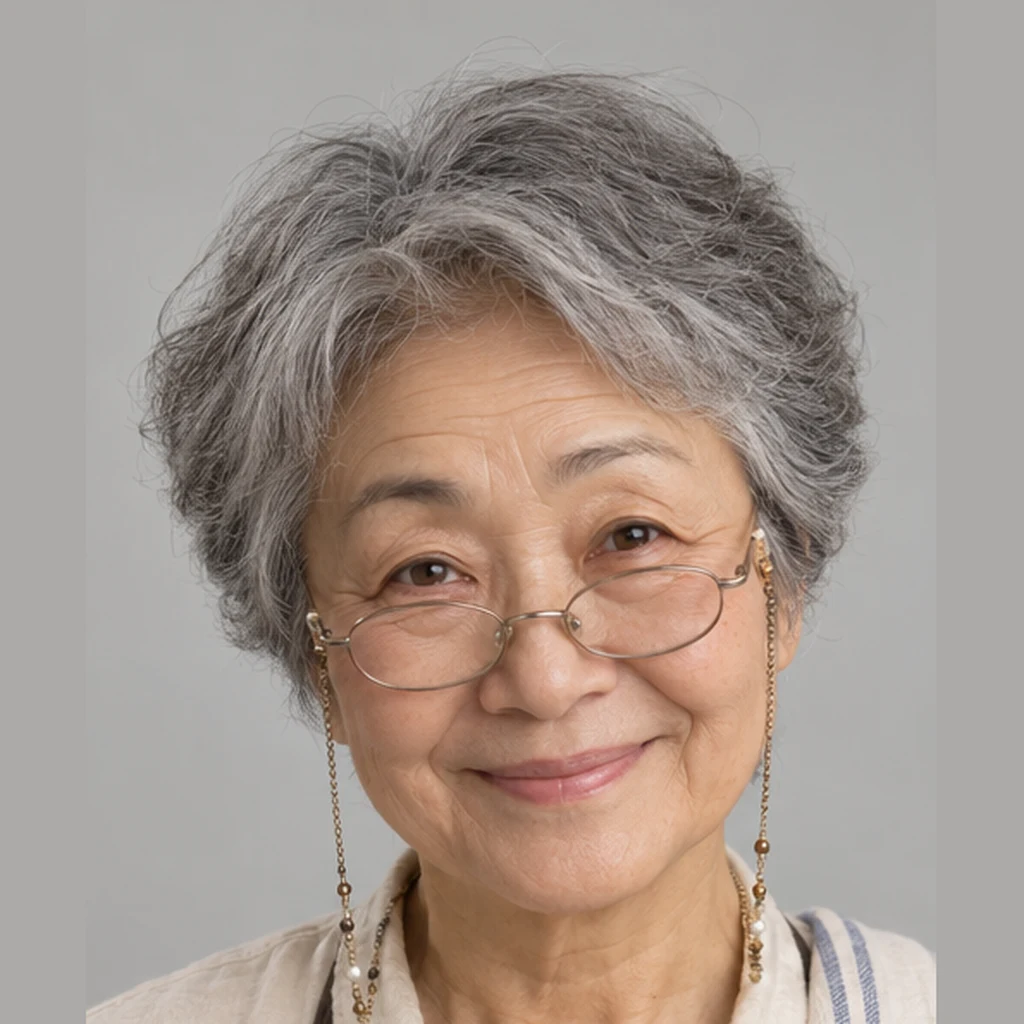 Masako今日は何をしましたか。What did you do today?
- Leo朝ごはんを食べました。I ate breakfast.
- Masakoなるほど。That makes sense.
- Leoコンビニに行きました。I went to the convenience store.
- He sets the bag on the wooden counter.
- Leo買い物をしました。I did some shopping.
- Masakoもう食べましたか。Have you eaten yet?
- Leoまだ昼ごはんを食べていません。I haven't had lunch yet.
- Goro glances at his full blend coffee.
 Goroまだ終わっていません。I'm not finished yet.
- Masakoコーヒー、まだですね。The coffee is still waiting, I see.
Practice — past or not yet
Eleven short tasks wait in this round. You will listen, match, fill a gap, and build a line.
Each one is small, so you move on quickly.
0 of 11 done
What did you hear?
What did you hear?
Match the pairs
Japanese
朝ごはんを食べました。Drop the English hereコンビニに行きました。Drop the English here買い物をしました。Drop the English hereEnglish
What do you say?
What do you say?
You walk into Kissa Hotaru at two in the afternoon. Greet Masako at the counter.
Fill the gap
Fill the gap
I went to the convenience store.
コンビニ____行きました。
True or false?
True or false?
This means you have not finished yet.
Pick the reply
Masako says:
Pick the reply
もう食べましたか。
Have you eaten yet?
And you reply with:
Build the line
Build the line
I did some shopping.
。
Tap the words in order.
Swap the word
Swap the word
Breakfast is already done this morning. Fix the verb.
朝ごはんを____。
Find the mistake
Find the mistake
Which one doesn’t belong?
Which one doesn’t belong?
Fill the gap
Fill the gap
Have you eaten yet?
____食べましたか。
Say it — your turn to speak
You are Leo after the konbini stop. When the cue is yours, tap the microphone and say the line.
Tap play first if you want to hear it. The recording stays on this device.
- Masako今日は何をしましたか。What did you do today?
- Leo (you)Tell her you already had breakfast.
Tell her you already had breakfast.
朝ごはんを食べました。
I ate breakfast.
0 of 4 said
Recap — what you can say now
| Japanese | English | Play |
|---|---|---|
| 今日は何をしましたか。 | What did you do today? | |
| 朝ごはんを食べました。 | I ate breakfast. | |
| コンビニに行きました。 | I went to the convenience store. | |
| まだ昼ごはんを食べていません。 | I haven't had lunch yet. | |
| 買い物をしました。 | I did some shopping. | |
| もう食べましたか。 | Have you eaten yet? |
Save your progress — it’s free
Keep your place in the course and see which lines you’ve learned.
Want the next lesson in your inbox?
Get the next lesson by email, one a day.
Join the newsletterDaily lesson emails are coming soon. Newsletter subscribers get them first.
Keep practicing with Yak Cards
Keep these past and not-yet lines in your pocket. Open the Yak Cards for this lesson and run them on the train.
A short Yak Cards round after lunch keeps ました and まだ ready.
Open Yak Cards