
New here? This is lesson 130 of a free 240-lesson Japanese course.
Plans for later in Japanese
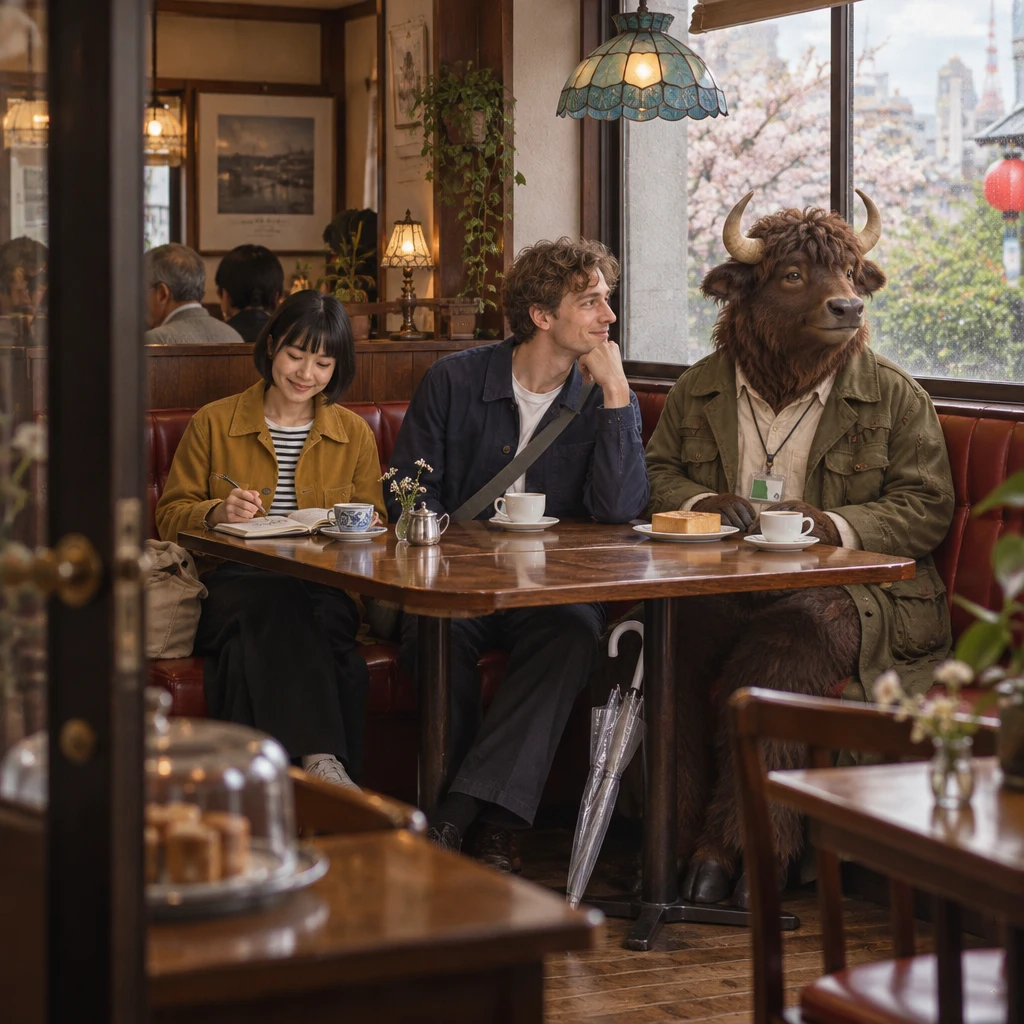
Sunday plans come up at Kissa Hotaru in Yanaka. Haruka has a sketchbook open, while Leo looks out at the changing sky.
She is considering a sketch walk, but Leo has not decided what he will do.
You will say what you plan to do, explain what your choice depends on, and share when you are still unsure.
Keep your answer polite, even when the plan is not settled.
By the end of this lesson
Say what you plan to do and what you have not decided yet.
- ___予定です。I'm planning to ___.
- ___ことを考えています。I'm thinking about ___.
- まだ決めていません。I haven't decided yet.
- 天気によります。It depends on the weather.
- うまくいけば、行きます。If everything goes well, I'll go.
- まだ何をするか、分かりません。I'm not sure what I'll do yet.
Scene — Sunday ideas
Sunday plans come up at Kissa Hotaru in Yanaka. Haruka has a sketchbook open beside her tea, while Leo looks out at the changing sky.
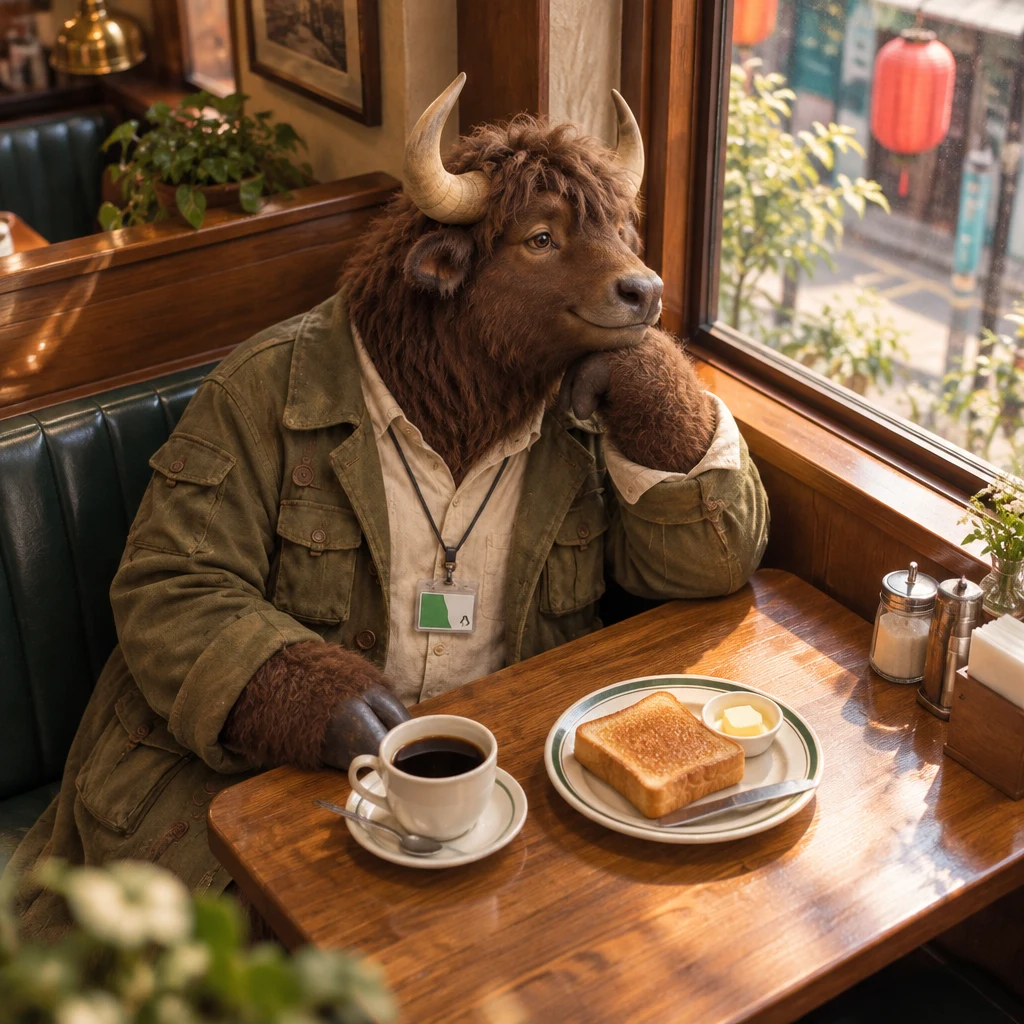
Goro sits in the corner booth with thick toast and his untouched blend coffee. He is weighing Sunday's possibilities against the toast.
Learn — plans and possibilities
These six lines help you talk about plans, thoughts, and things you have not decided yet.
You can also say when your choice depends on the weather or things going well.

___予定です。
I'm planning to ___.
When to use it: Use this to say what you plan to do.
Put an action in its dictionary form before 予定です.

___ことを考えています。
I'm thinking about ___.
When to use it: Use this for an idea you are considering.
こと turns an action into the thing you are thinking about.
まだ決めていません。
I haven't decided yet.
When to use it: Use this when you have not made a choice yet.
まだ shows that the decision is not complete.

天気によります。
It depends on the weather.
When to use it: Use this when weather affects your decision.
に marks what the outcome depends on.

うまくいけば、行きます。
If everything goes well, I'll go.
When to use it: Use this when going depends on things working out.
うまくいけば means if things go well.

まだ何をするか、分かりません。
I'm not sure what I'll do yet.
When to use it: Use this when you are unsure what you will do.
か marks the embedded question about what to do.
Story — a sketch walk
Haruka is thinking about a sketch walk on Sunday. Leo is still deciding, while Goro weighs his own plans against the toast.
Highlighted phrases are the new lines. Turn on Show English if you want a gloss.
- Haruka opens her sketchbook at the café table.
 Harukaレオさん、日曜日はどうしますか。Leo, what will you do on Sunday?
 Leoまだ決めていません。I haven't decided yet.
- Haruka日曜日はスケッチに行くことを考えています。I'm thinking about going sketching on Sunday.
- Leoいいですね。That sounds good.
- Haruka一緒に行きませんか。Would you like to go together?
- Leoまだ何をするか、分かりません。I'm not sure what I'll do yet.
- Harukaスケッチに行くかどうかは、何によりますか。What does going sketching depend on?
- Leo天気によります。It depends on the weather.
- Leoうまくいけば、行きます。If everything goes well, I'll go.
 Goro日曜日に何をするかは、トーストによります。What I do on Sunday depends on the toast.
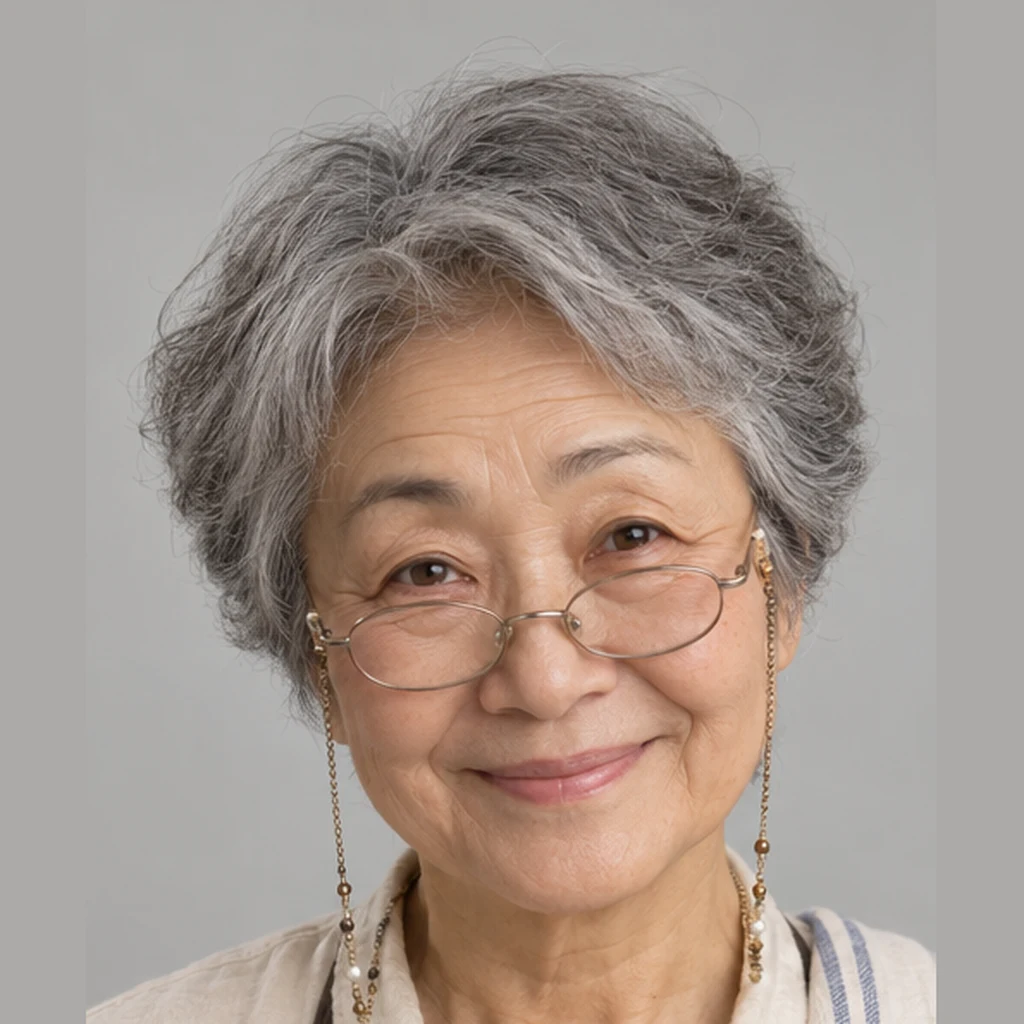 Masako毎朝のトーストで決めるんですか。You decide based on your toast every morning?
- Goroそうです。トーストを食べてから決めます。That's right. I decide after I eat the toast.
- He looks at the thick toast, then at the lane.
- Goro今日は喫茶店のあと、散歩する予定です。Today, I'm planning to take a walk after the café.
- Harukaまたあとで。See you later.
Practice — talk about plans
Try ten quick tasks with the new lines and two familiar phrases.
You will build, listen, fill a gap, and choose responses that fit the moment.
0 of 10 done
What do you say?
What do you say?
You have decided to take a walk after the café today. Say you plan to do that.
Build the line
Build the line
I haven't decided yet.
。
Tap the words in order.
What do you say?
What do you say?
The sketch walk is only an idea so far. Tell Haruka you are thinking about it.
What did you hear?
What did you hear?
Swap the word
Swap the word
The sketch walk depends on the weather. Replace the first word to say that.
____によります。
What does it mean?
What does it mean?
うまくいけば、行きます。
Pick the reply
Haruka says:
Pick the reply
日曜日は何をしますか。
What will you do on Sunday?
And you reply with:
Fill the gap
Fill the gap
It depends on the weather.
天気____よります。
What do you say?
What do you say?
Haruka suggests a sketch walk. Tell her that sounds good.
What do you say?
What do you say?
You are leaving the café and expect to see Haruka again later. Say see you later.
Say it — your plans
Imagine you are still at Kissa Hotaru with Haruka and Goro. When the cue is yours, say your answer aloud.
You can play the other lines first and follow the short conversation at your own pace.
- Haruka日曜日はどうしますか。What will you do on Sunday?
- Leo (you)Tell her you have not decided yet.
Tell her you have not decided yet.
まだ決めていません。
I haven't decided yet.
0 of 4 said
Recap — what you can say now
| Japanese | English | Play |
|---|---|---|
| ___予定です。 | I'm planning to ___. | |
| ___ことを考えています。 | I'm thinking about ___. | |
| まだ決めていません。 | I haven't decided yet. | |
| 天気によります。 | It depends on the weather. | |
| うまくいけば、行きます。 | If everything goes well, I'll go. | |
| まだ何をするか、分かりません。 | I'm not sure what I'll do yet. |
Save your progress — it’s free
Keep your place in the course and see which lines you’ve learned.
Want the next lesson in your inbox?
Get the next lesson by email, one a day.
Join the newsletterDaily lesson emails are coming soon. Newsletter subscribers get them first.
Keep practicing with Yak Cards
Save these plan phrases for your next conversation. Open the Yak Cards and review them on the train.
A quick review helps you talk about plans, even when you are still deciding.
Open Yak Cards