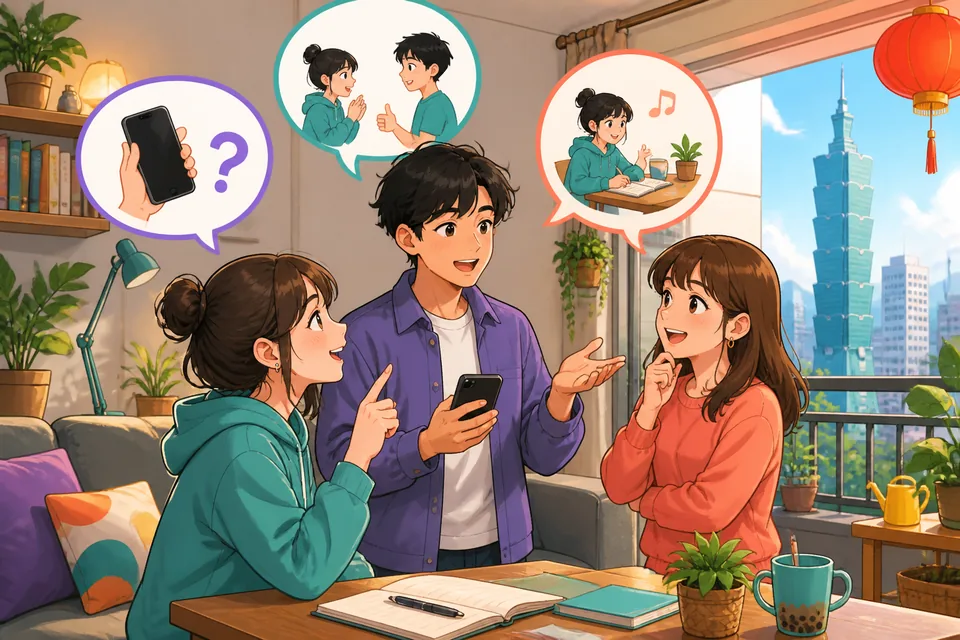
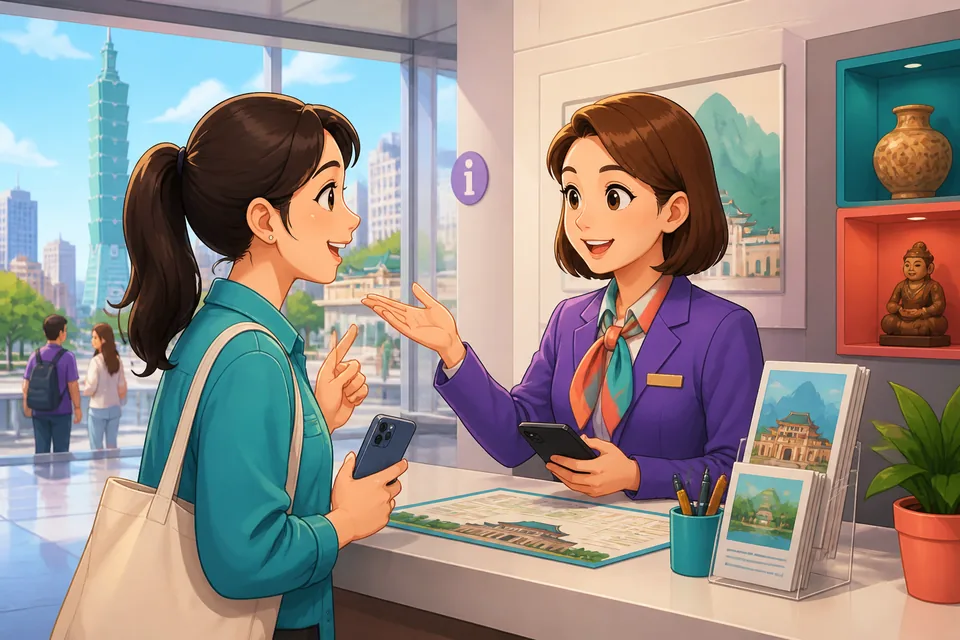
Welcome back! In this short lesson you'll practice common polite phrases for asking and giving permission. Say the lines out loud and use them in real places — museums, offices, and parks.
Level A1: Lesson 20 — Permission. In this CEFR-aligned mini-lesson you'll learn how to ask if something needs permission, who to ask, how to give or deny permission, and polite requests not to do something. We'll practice the key chunks in short dialogues, quick quizzes, and speaking prompts so you can jump in and ask confidently.
After this lesson you'll be able to:
Ask if an action needs permission (e.g., 写真を撮るには許可が必要ですか? shashin o toru ni wa kyoka ga hitsuyō desu ka?).
Ask who to ask for permission (誰に聞いたらいいですか? dare ni kiitara ii desu ka?).
Give, deny, or politely refuse permission (大丈夫です。/ だめです。/ ___しないでください。).
Practice speaking these phrases aloud (Level A1).
Ready? Let's go!
When you tap play on phrases, we track your progress through this lesson.
1. Reading + Listening Practice
Hear core phrases, repeat aloud.
___には許可が必要ですか?
___ ni wa kyoka ga hitsuyō desu ka?
Do I need permission to ___?
Meaning: Do I need permission to ___?
When to use: Use this to ask whether an action or activity requires formal permission. Fill the blank with a verb phrase or noun/action (e.g., 写真を撮る).
Tip: Don't forget to put the action (dictionary form or noun+する) before には; leaving it out makes the sentence unclear.
写真を撮るには許可が必要ですか?
shashin o toru ni wa kyoka ga hitsuyō desu ka?
Do I need permission to take photos?
この公園で釣りをするには許可が必要ですか?
kono kōen de tsuri o suru ni wa kyoka ga hitsuyō desu ka?
Do I need permission to fish in this park?
誰に聞いたらいいですか?
dare ni kiitara ii desu ka?
Who can I ask?
Meaning: Who can I ask?
When to use: Ask this when you need to know the right person or office to contact for permission or confirmation.
この建物の貸し切りについて、誰に聞いたらいいですか?
kono tatemono no kashikiri ni tsuite, dare ni kiitara ii desu ka?
Who should I ask about booking this building?
窓口が閉まっています。誰に聞いたらいいですか?
madoguchi ga shimatte imasu. dare ni kiitara ii desu ka?
The counter is closed. Who can I ask?
ここで___してもいいです。
koko de ___ shite mo ii desu.
You can ___ here.
Meaning: You can ___ here.
When to use: Use this to grant permission for an action. Put a noun+する or the て-form of a verb in the blank (e.g., 勉強してもいいです / 食べてもいいです).
ここで勉強してもいいです。
koko de benkyō shite mo ii desu.
You can study here.
ここで写真を撮ってもいいです。
koko de shashin o totte mo ii desu.
You can take photos here.
ここで___してはだめです。
koko de ___ shite wa dame desu.
You can't ___ here.
Meaning: You can't ___ here.
When to use: Use this to deny permission. Put a noun+する or the て-form + はだめです (e.g., 食べてはだめです).
Tip: Beginners sometimes say だめ alone; in polite contexts use 〜してはだめです or 〜てはいけません for clarity.
ここで喫煙してはだめです。
koko de kitsuen shite wa dame desu.
You can't smoke here.
夜中に大声で歌ってはだめです。
yonaka ni ōgoe de utatte wa dame desu.
You can't sing loudly in the middle of the night.
大丈夫です
daijōbu desu.
It's allowed.
Meaning: It's allowed.
When to use: Use this to say something is okay or permitted. It's a common, gentle way to give permission.
小さい声なら大丈夫です。
chiisai koe nara daijōbu desu.
It's okay if it's a quiet voice.
写真を撮るのは大丈夫です。
shashin o toru no wa daijōbu desu.
Taking photos is allowed.
だめです
dame desu.
It's not allowed.
Meaning: It's not allowed.
When to use: Use this to state that an action is not permitted. Short and direct; in very formal settings use いけません or 禁止です.
ここでゴミを捨てるのはだめです。
koko de gomi o suteru no wa dame desu.
It's not allowed to throw away trash here.
ペットを連れて入るのはだめです。
petto o tsurete hairu no wa dame desu.
Bringing pets inside is not allowed.
___しないでください。
___ shinai de kudasai.
Please don't ___.
Meaning: Please don't ___.
When to use: Use this to politely ask someone not to do something. For verbs, use the ない-form + でください (e.g., 食べないでください).
Tip: Remember to use the ない-form before でください (not the ます-form).
走らないでください。
hashiranai de kudasai.
Please don't run.
大声で話さないでください。
ōgoe de hanasanai de kudasai.
Please don't speak loudly.
はい、もちろんです。
hai, mochiron desu.
Yes, of course.
Meaning: Yes, of course.
When to use: Use this to give permission politely and warmly. You can follow it with an invitation like どうぞ or a command like 入ってください.
はい、もちろんです。入ってください。
hai, mochiron desu. haitte kudasai.
Yes, of course. Please come in.
はい、もちろんです。どうぞお使いください。
hai, mochiron desu. dōzo o tsukai kudasai.
Yes, of course. Please feel free to use it.
2. Conversational Listening Practice
Hear phrases in a real mini-conversation.
At a museum reception desk asking about photos and phone rules
Anna
ここで写真を撮るには許可が必要ですか?
koko de shashin o toru ni wa kyoka ga hitsuyō desu ka?
Do I need permission to take photos here?
David
いいえ。でもフラッシュは使わないでください。
iie. demo furasshu wa tsukawanaide kudasai.
No. But please don't use the flash.
Anna
わかりました。誰に聞いたらいいですか?
wakarimashita. dare ni kiitara ii desu ka?
I understand. Who should I ask?
David
受付に聞いたらいいです。あと、ここで携帯電話を使ってはだめです。
uketsuke ni kiitara ii desu. ato, koko de keitai denwa o tsukatte wa dame desu.
Ask the reception. Also, you can't use mobile phones here.
Anna
了解です。写真を撮ってもいいですか?
ryōkai desu. shashin o totte mo ii desu ka?
Understood. Can I take photos?
David
はい、もちろんです。
hai, mochiron desu.
Yes, of course.
3. Guided Practice
Quizzes and matching to lock in meaning.
Which phrase means 'You can't do that here' (polite)?
Which asks 'Who should I ask?'
How do you politely say 'Please don't run'?
Which phrase politely gives permission (saying 'Yes, of course')?
Do I need permission to take photos?
この展示は撮影禁止かもしれません。受付で何と聞きますか?『___』
kono tenji wa satsuei kinshi kamo shiremasen. uketsuke de nan to kikimasu ka? '___'
Who should I ask?
入場手続きが分かりません。窓口で『___』と聞きます。
nyūjō tetsuzuki ga wakarimasen. madoguchi de '___' to kikimasu.
Please don't use mobile phones.
図書館の入口の張り紙には『___』と書いてあります。
toshokan no iriguchi no harigami ni wa '___' to kaite arimasu.
Match the core phrases
Match the extra phrases
4. Speaking Practice
Say phrases yourself (mic/recording).
Recording stays on your device only. Check speech uses your browser's speech tools when available.