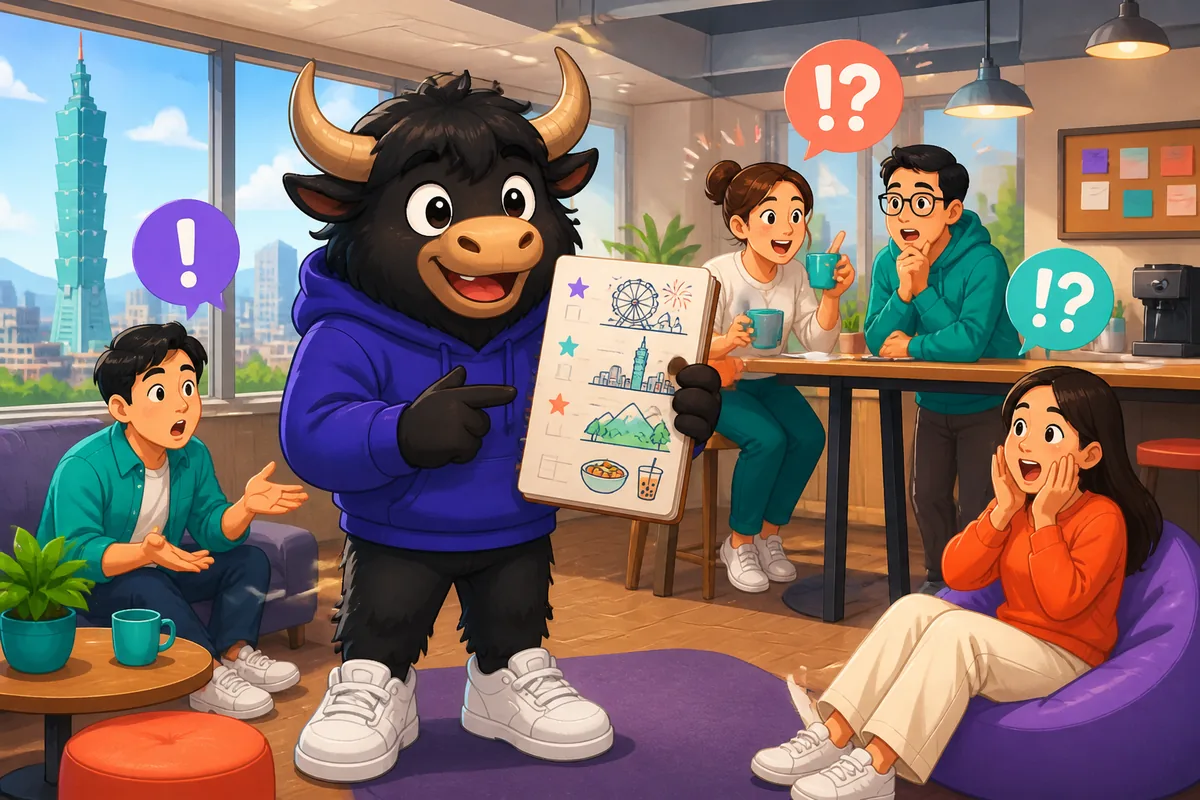
Welcome back — Lesson 78! Today we practice short reactions you can use when something unexpected happens. Have fun: listen, repeat, and try them out in the mini-dialogue.
Level A2: This short lesson teaches polite and casual ways to show surprise or disbelief in Japanese (for example: うそ!, 本当ですか?, びっくりしました!). You'll hear the phrases, try short quizzes, and practice saying each line aloud so you can respond naturally when someone shares surprising news. (CEFR-aligned vocabulary and friendly practice.)
After this lesson you'll be able to:
Learn quick surprise reactions like うそ! (Uso!) and びっくりしました! (Bikkuri shimashita!).
Practice polite confirmation questions such as 本当ですか? (Hontō desu ka?) and 本気ですか? (Honki desu ka?).
Use these phrases in short conversational contexts (A2 level).
Ready? Let's go!
When you tap play on phrases, we track your progress through this lesson.
1. Reading + Listening Practice
Hear core phrases, repeat aloud.
うそ
Uso!
No way!
Meaning: No way!
When to use: Casual, strong surprise or disbelief among friends or in informal settings.
Tip: Avoid using うそ! with people you must be polite to; it sounds too casual.
うそ!信じられない!
Uso! Shinjirarenai!
No way! I can't believe it!
うそ、そんなことがあったの?
Uso, sonna koto ga atta no?
No way, did that really happen?
本気ですか
Honki desu ka?
Are you serious?
Meaning: Are you serious?
When to use: Polite way to check whether surprising information is meant seriously; can be direct depending on tone.
Tip: Don't use this when you only want a gentle confirmation; 本当ですか? is softer.
本気ですか?来週結婚するんですか?
Honki desu ka? Raishū kekkon suru n desu ka?
Are you serious? You're getting married next week?
本気ですか?そんなに高いんですか?
Honki desu ka? Sonna ni takai n desu ka?
Are you serious? Is it really that expensive?
それはびっくりですね。
Sore wa bikkuri desu ne.
That's surprising.
Meaning: That's surprising.
When to use: Polite comment to show you find something surprising but not shocking.
それはびっくりですね。急に引っ越すんですか?
Sore wa bikkuri desu ne. Kyū ni hikkosu n desu ka?
That's surprising. Are you moving suddenly?
それはびっくりですね。試験に合格したんですか?
Sore wa bikkuri desu ne. Shiken ni gōkaku shita n desu ka?
That's surprising. You passed the exam?
びっくりしました!
Bikkuri shimashita!
What a surprise!
Meaning: What a surprise!
When to use: Polite reaction to an unexpected event like a surprise visit or news.
朝早く来てくれて、びっくりしました!
Asa hayaku kite kurete, bikkuri shimashita!
What a surprise—you came so early!
サプライズパーティーでびっくりしました!
Sapuraizu pātī de bikkuri shimashita!
I was so surprised at the surprise party!
それは予想していませんでした。
Sore wa yosō shite imasen deshita.
I didn't expect that.
Meaning: I didn't expect that.
When to use: Polite way to say something was unexpected.
彼が辞めるとは、それは予想していませんでした。
Kare ga yameru to wa, sore wa yosō shite imasen deshita.
That he would quit—I didn't expect that.
その結果は、それは予想していませんでした。
Sono kekka wa, sore wa yosō shite imasen deshita.
That result—I didn't expect it.
本当ですか
Hontō desu ka?
Is that true?
Meaning: Is that true?
When to use: Polite and simple confirmation question when you hear surprising information.
本当ですか?あなたも来るんですか?
Hontō desu ka? Anata mo kuru n desu ka?
Is that true? You're coming too?
それ、本当ですか?ニュースで見ましたか?
Sore, hontō desu ka? Nyūsu de mimashita ka?
Is that true? Did you see it on the news?
えっ、本当ですか?
E, hontō desu ka?
Wow, really?
Meaning: Wow, really?
When to use: Polite reaction that combines surprise with a request for confirmation.
えっ、本当ですか?信じられない。
E, hontō desu ka? Shinjirarenai.
Wow, really? I can't believe it.
えっ、本当ですか?今すぐ行くよ。
E, hontō desu ka? Ima sugu iku yo.
Wow, really? I'll go right away.
ちょっと信じにくいです。
Chotto shinjinikui desu.
That's hard to believe.
Meaning: That's hard to believe.
When to use: Polite and mild expression of disbelief; ちょっと softens it.
ちょっと信じにくいです。彼が一人で全部やったんですか?
Chotto shinjinikui desu. Kare ga hitori de zenbu yatta n desu ka?
That's a bit hard to believe. He did everything alone?
写真だけでは、ちょっと信じにくいです。
Shashin dake de wa, chotto shinjinikui desu.
From photos alone, it's a little hard to believe.
うそでしょう
Uso deshō!
You're kidding!
Meaning: You're kidding!
When to use: Reacting with disbelief; can be used casually or with more emphasis depending on tone.
うそでしょう!そんな成績が本当なんですか?
Uso deshō! Sonna seiseki ga hontō nan desu ka?
You're kidding! Are those grades real?
うそでしょう!彼が遅刻したなんて。
Uso deshō! Kare ga chikoku shita nante.
No way! He was late?
そんなはずはないです。
Sonna hazu wa nai desu.
That can't be right.
Meaning: That can't be right.
When to use: Polite but strong denial when you find information impossible or very unlikely.
彼女が嘘をつくなんて、そんなはずはないです。
Kanojo ga uso o tsuku nante, sonna hazu wa nai desu.
She would lie? That can't be right.
試合に負けるなんて、そんなはずはないです。
Shiai ni makeru nante, sonna hazu wa nai desu.
Losing the game? That can't be right.
どうしてそんなことがありえるんですか?
Dōshite sonna koto ga arieru n desu ka?
How is that possible?
Meaning: How is that possible?
When to use: Ask for an explanation after hearing surprising information; んですか adds a tone of curiosity.
どうしてそんなことがありえるんですか?説明してもらえますか?
Dōshite sonna koto ga arieru n desu ka? Setsumei shite moraemasu ka?
How is that possible? Could you explain?
この数字、どうしてそんなことがありえるんですか?
Kono sūji, dōshite sonna koto ga arieru n desu ka?
These numbers—how could that be possible?
全然知りませんでした。
Zenzen shirimasen deshita.
I had no idea.
Meaning: I had no idea.
When to use: Polite way to say you didn't know about new information; useful after hearing surprising news.
その計画については、全然知りませんでした。
Sono keikaku ni tsuite wa, zenzen shirimasen deshita.
I had no idea about that plan.
会議がキャンセルされたこと、全然知りませんでした。
Kaigi ga kyanseru sareta koto, zenzen shirimasen deshita.
I had no idea the meeting was canceled.
あ、そうなんですね。知りませんでした。
A, sō nan desu ne. Shirimasen deshita.
Oh, I didn't know that.
Meaning: Oh, I didn't know that.
When to use: A natural, polite acknowledgment when you learn something new.
あ、そうなんですね。知りませんでした。教えてくれてありがとう。
A, sō nan desu ne. Shirimasen deshita. Oshiete kurete arigatō.
Oh, I see. I didn't know that. Thanks for telling me.
あ、そうなんですね。知らなかったので助かります。
A, sō nan desu ne. Shiranakatta node tasukarimasu.
Oh, I didn't know that—this helps, thanks.
2. Conversational Listening Practice
Hear phrases in a real mini-conversation.
Anna tells David some surprising workplace news and they react.
Anna
昨日、田中さんが会社を辞めたって聞いたよ。
Kinō, Tanaka-san ga kaisha o yameta tte kiita yo.
I heard Tanaka quit the company yesterday.
David
うそ
Uso!
No way!
Anna
本当です。朝、みんなにメールが来た。
Hontō desu. Asa, minna ni mēru ga kita.
It's true. There was an email to everyone this morning.
David
えっ、本当ですか?全然知りませんでした。
E, hontō desu ka? Zenzen shirimasen deshita.
Wow, really? I had no idea.
Anna
びっくりしました!どうしてそんなことがありえるんですか?
Bikkuri shimashita! Dōshite sonna koto ga arieru n desu ka?
What a surprise! How is that possible?
David
それは予想していませんでした。本気ですか?
Sore wa yosō shite imasen deshita. Honki desu ka?
I didn't expect that. Are you serious?
3. Guided Practice
Quizzes and matching to lock in meaning.
Which phrase is the casual 'No way!' in Japanese?
Which phrase politely asks 'Is that true?'
Which phrase would you say after an unexpected surprise visit?
Which phrase expresses 'That can't be right.'?
I heard his concert is next week. Is that true?
来週、彼のコンサートがあるんですって。___
Raishū, kare no konsāto ga aru n desutte. ___
I heard the meeting was canceled. I didn't expect that.
会議が中止になったと聞いて、___。
Kaigi ga chūshi ni natta to kiite, ___.
I opened the door and my friends were there—what a surprise!
ドアを開けたら、友だちがいて、___
Doa o aketara, tomodachi ga ite, ___.
Match the core phrases
Match the extra phrases
4. Speaking Practice
Say phrases yourself (mic/recording).
Recording stays on your device only. Check speech uses your browser's speech tools when available.