
New here? This is lesson 121 of a free 240-lesson Traditional Chinese course.
When it happened in Traditional Chinese
At a lunch table in Taipei, A-Li spots an old photo of a Tainan street and remembers a visit. Maya asks when he went and what it was like.
Learn to place a past event in time, describe your first visit, and share a remembered detail. Then follow A-Li's memory as lunch steals his attention.
Listen for time clues and notice how a past experience can be described without giving an exact date.
By the end of this lesson
Say when a past event happened, describe a past visit, and say how it went.
- 我第一次去是兩年前The first time I went was two years ago.
- 那是我去過最棒的地方That's the best place I've been.
- 我沒想到會這麼好玩I didn't expect it to be this fun.
- 後來我就常常去After that I went often.
- 我記得那天很熱I remember it was hot that day.
- 幾年前,我來過這裡A few years ago I came here.
Scene — an old Tainan photo
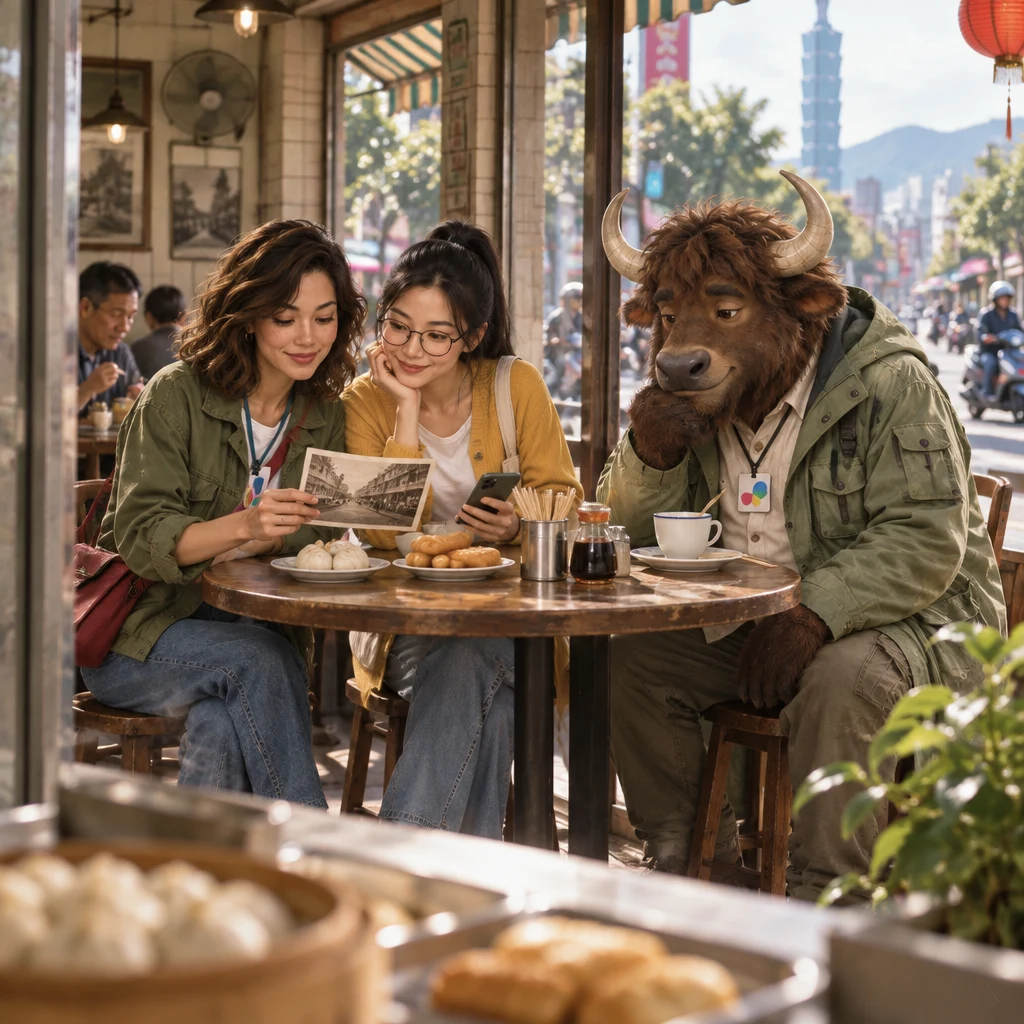
At Banyan Breakfast, Maya and Yi-Jun look at an old photo of a street in Tainan. A-Li starts remembering a visit from years ago, while Auntie Lin brings lunch to the table.
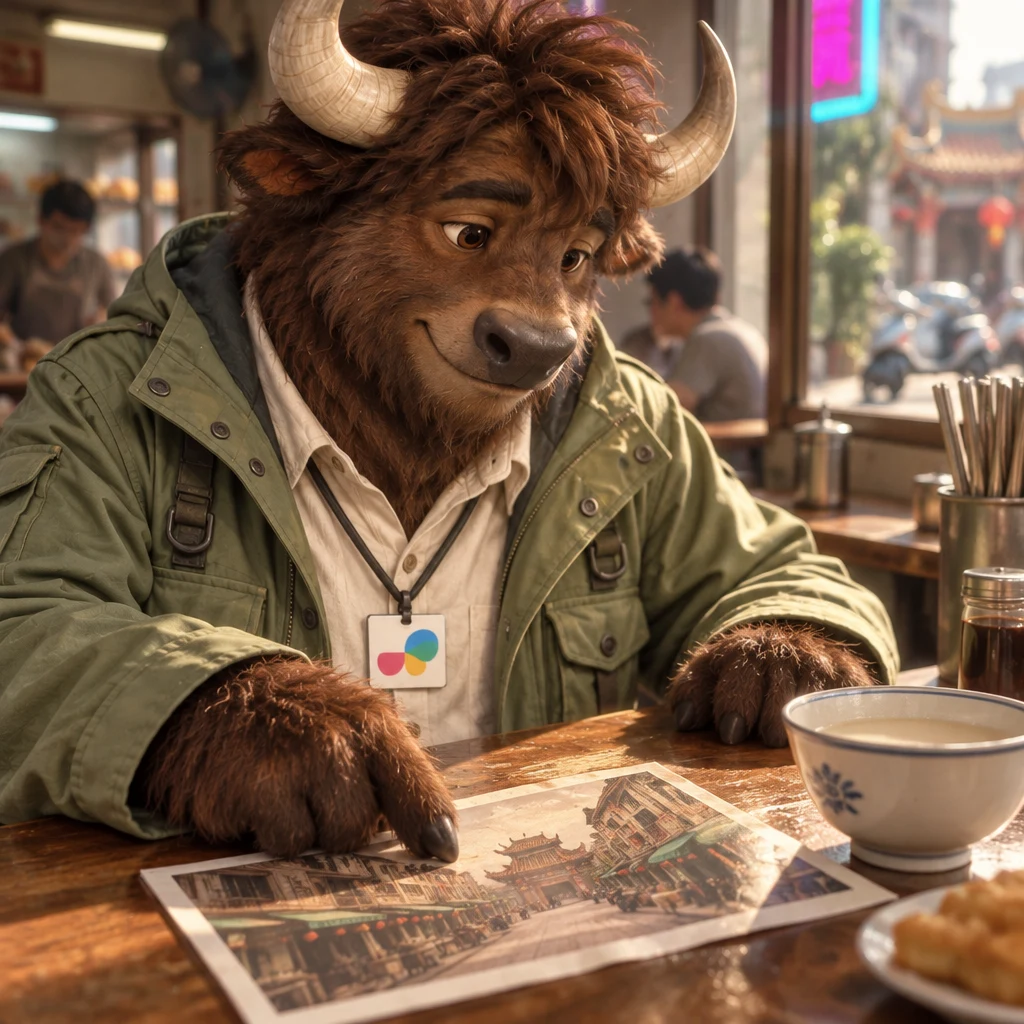
His soy milk is still unfinished. The conversation turns from the date of the trip to how much fun he had, until lunch distracts him.
Learn — placing a memory in time
These six lines help you say when you visited, what you remember, and how the place turned out. Listen for clues that place events in the past.
A-Li's memories are about an ordinary trip, even if his lunch break interrupts the story.
我第一次去是兩年前
The first time I went was two years ago.
When to use it: Use this to give the time of your first visit.
兩年前 gives a specific time in the past.
那是我去過最棒的地方
That's the best place I've been.
When to use it: Use this to praise a place you have visited.
過 here describes an experience you have had before.

我沒想到會這麼好玩
I didn't expect it to be this fun.
When to use it: Use this when something turns out more fun than you expected.
後來我就常常去
After that I went often.
When to use it: Use this to say what you did repeatedly afterward.
後來 introduces a later point in a past story.
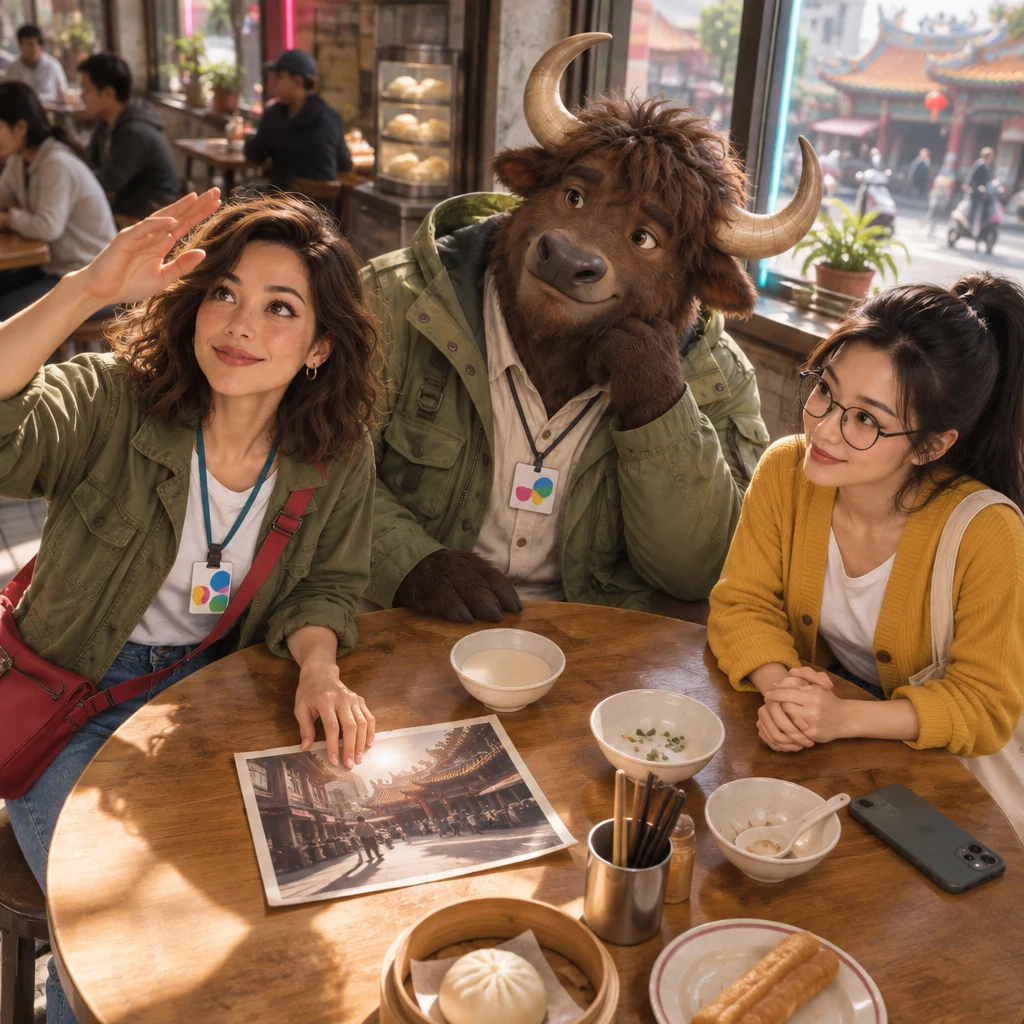
我記得那天很熱
I remember it was hot that day.
When to use it: Use this to recall a detail about a particular day.
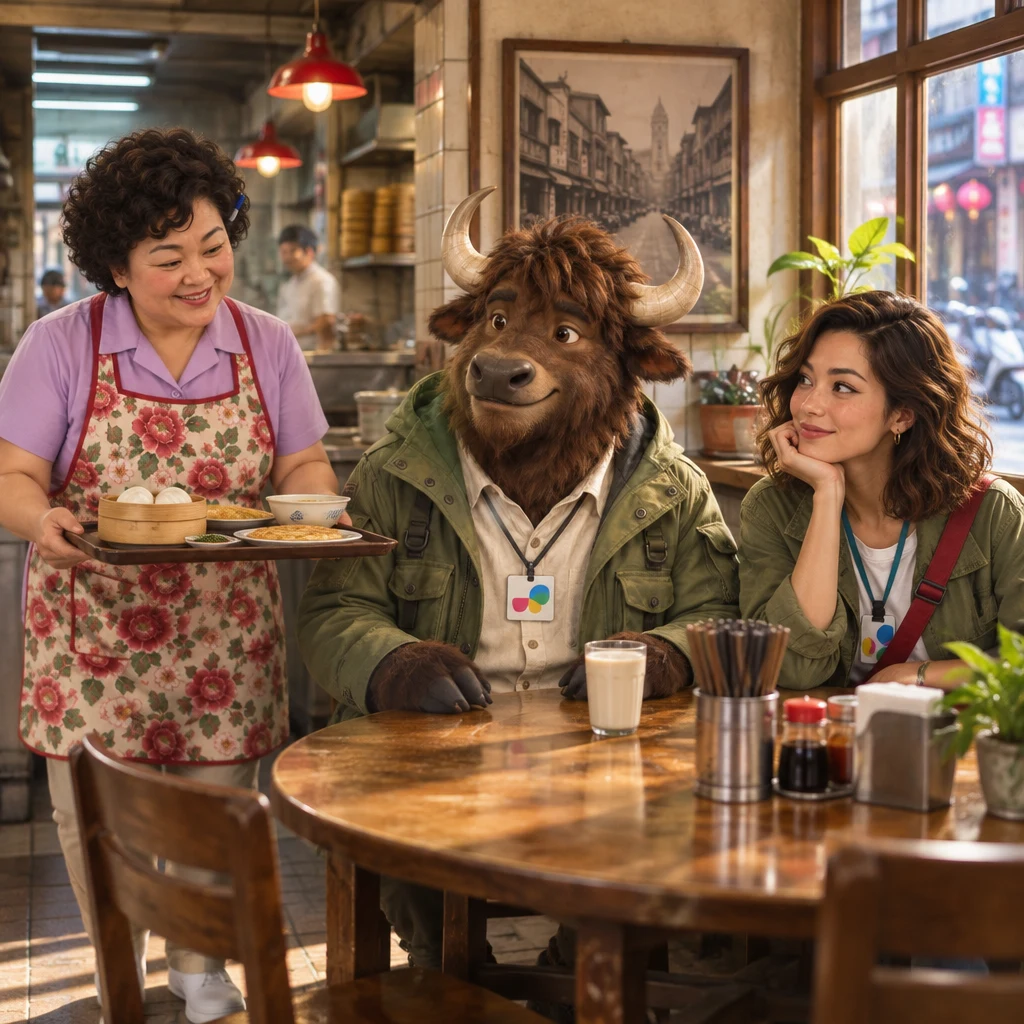
幾年前,我來過這裡
A few years ago I came here.
When to use it: Use this to say you visited a place some years ago.
過 describes a past experience; the time phrase tells when it happened.
Story — A-Li remembers Tainan
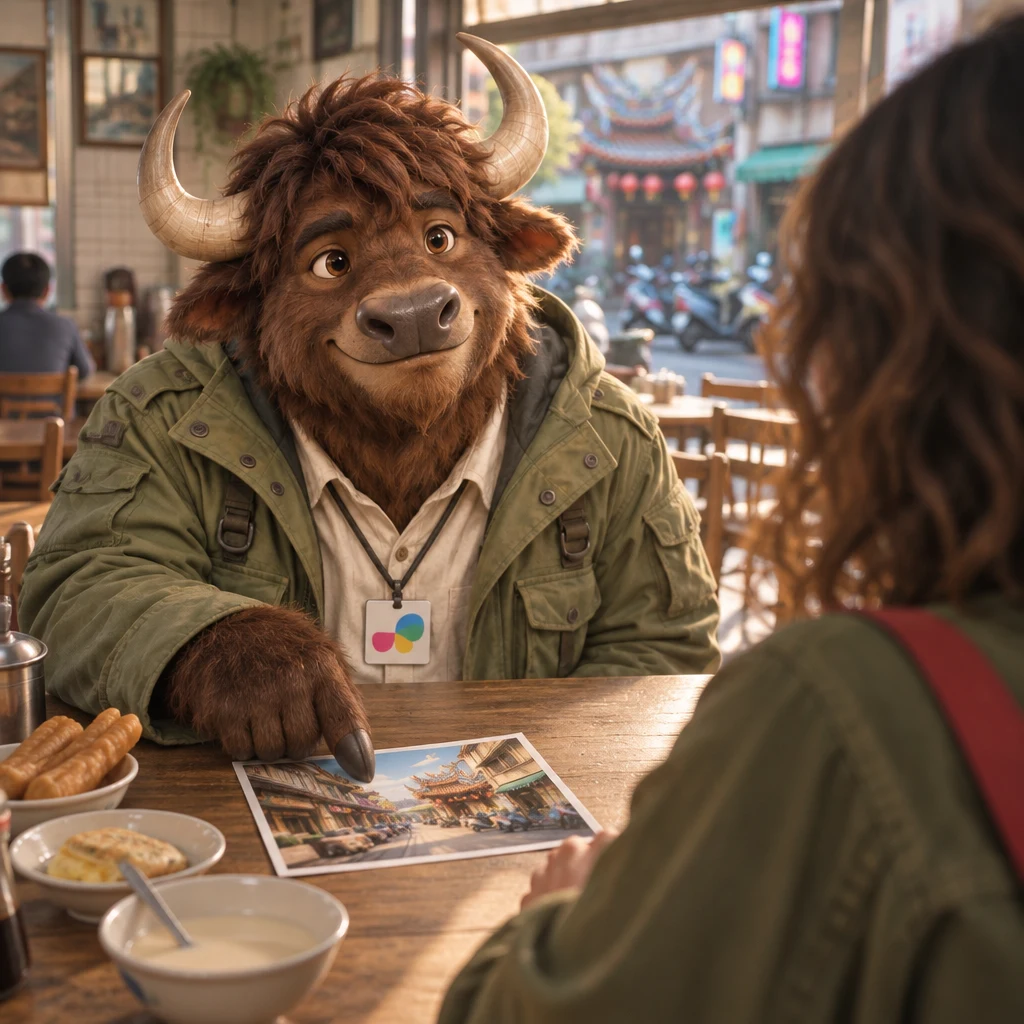
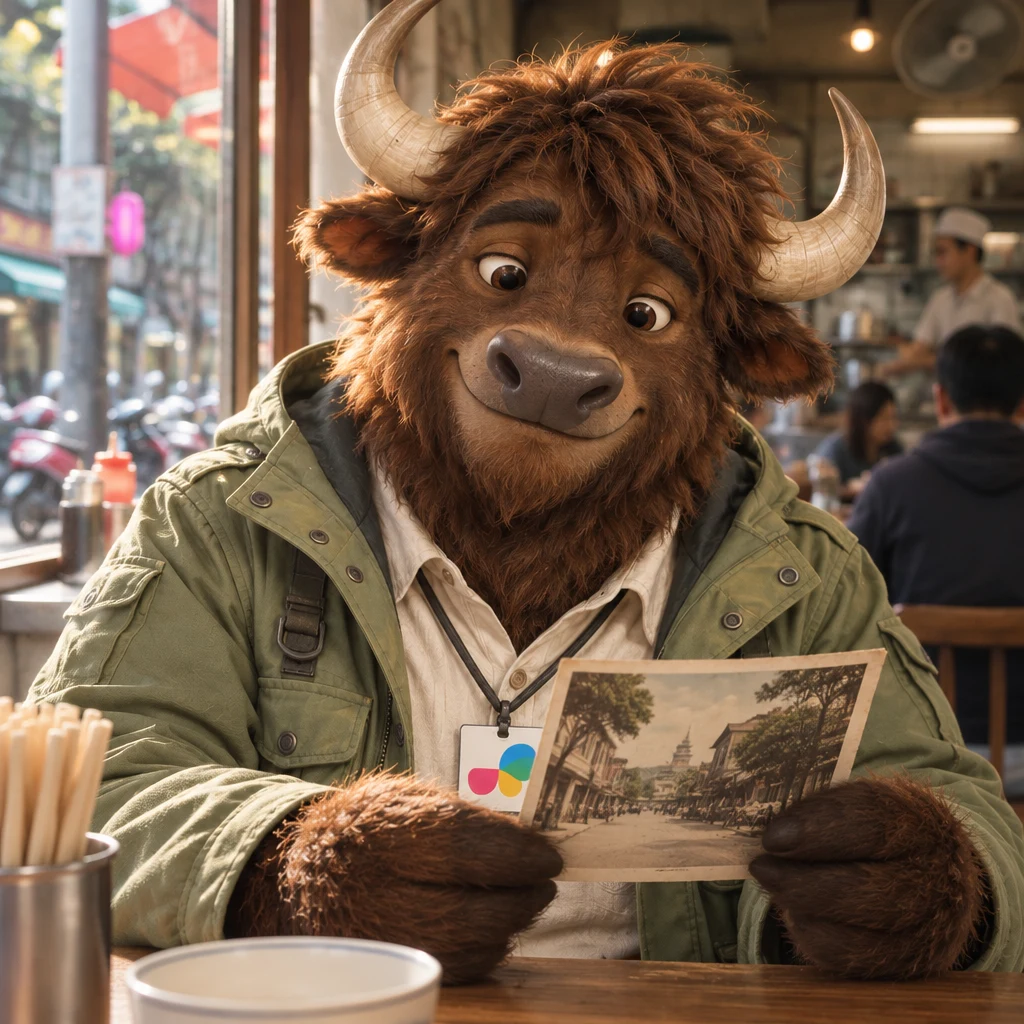
Maya and Yi-Jun look at a photo of a Tainan street while A-Li recalls an earlier visit. He tells them when he first went and what he remembers.
Auntie Lin brings lunch, and A-Li's attention quickly wanders from the story.
 Yi-Jun你以前來過這條街嗎?Have you been to this street before?
 A-Li幾年前,我來過這裡。A few years ago I came here.
 Maya那是什麼時候的事?When was that?
- A-Li我第一次去是兩年前。The first time I went was two years ago.
- Yi-Jun你第一次去臺南,感覺怎麼樣?How was it when you first went to Tainan?
- A-Li那是我去過最棒的地方。That's the best place I've been.
- A-Li我沒想到會這麼好玩。I didn't expect it to be this fun.
- Maya後來呢?And then?
- A-Li後來我就常常去。After that I went often.
- Maya那天很熱嗎?Was it hot that day?
- A-Li我記得那天很熱。I remember it was hot that day.
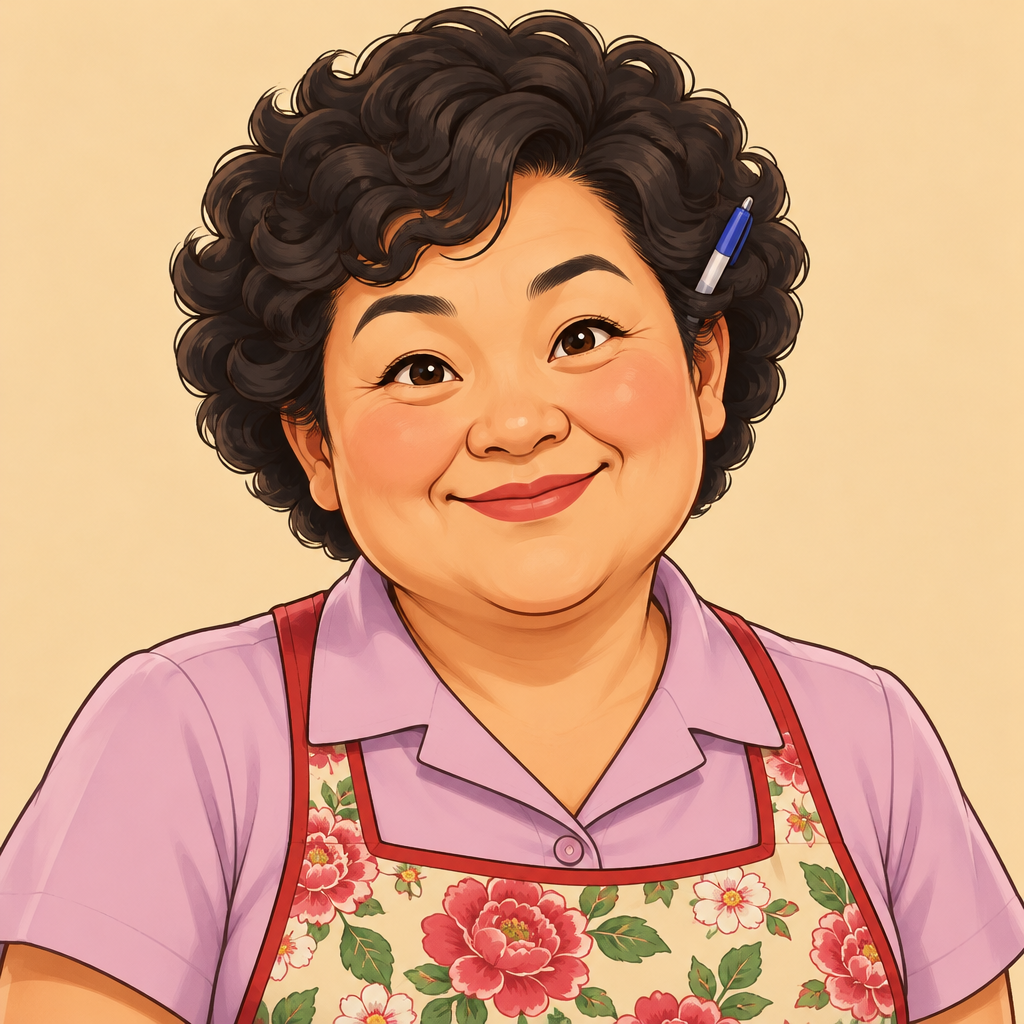 Auntie Lin午餐來了,先吃喔。Lunch is here; eat first.
- A-Li好啊,我看看有什麼午餐。Sure, let me see what there is for lunch.
- A-Li turns toward the lunch. His soy milk remains on the table, unfinished.
Practice — talk about the past
Try ten short activities to talk about past visits and remember details. Choose the right time expression, build a sentence, and respond to questions.
Some questions revisit familiar lines, so listen closely to what the other person wants to know.
0 of 10 done
What does it mean?
What does it mean?
我第一次去是兩年前
What do you say?
What do you say?
Tell Yi-Jun that you came to this street a few years ago.
Build the line
Build the line
That's the best place I've been.
Tap the words in order.
Fill the gap
Fill the gap
I didn't expect it to be this fun.
我____會這麼好玩
Match the pairs
Traditional Chinese
我第一次去是兩年前Drop the English here那是我去過最棒的地方Drop the English here我沒想到會這麼好玩Drop the English here後來我就常常去Drop the English hereEnglish
What did you hear?
What did you hear?
What do you say?
What do you say?
A-Li has finished telling you about his first visit. Ask what happened after that.
Pick the reply
Yi-Jun says:
Pick the reply
那是什麼時候的事?
When was that?
And you reply with:
What do you say?
What do you say?
Ask A-Li when he first went to Tainan.
What do you say?
What do you say?
Tell Yi-Jun you remember that the day was hot.
Say it — share a memory
You are Maya, telling Yi-Jun about your own Tainan visit, with A-Li joining the conversation. Listen to each cue, then answer with a time or detail from your visit.
Say each response out loud and keep the conversation moving while A-Li gets distracted by lunch.
- Maya tells Yi-Jun about her old trip to Tainan, and A-Li joins in.
- Yi-Jun你第一次去是什麼時候?When was your first visit?
- Maya (you)Say when you first went.
Say when you first went.
我第一次去是兩年前
The first time I went was two years ago.
0 of 4 said
Recap — what you can say now
| Traditional Chinese | English | Play |
|---|---|---|
| 我第一次去是兩年前 | The first time I went was two years ago. | |
| 那是我去過最棒的地方 | That's the best place I've been. | |
| 我沒想到會這麼好玩 | I didn't expect it to be this fun. | |
| 後來我就常常去 | After that I went often. | |
| 我記得那天很熱 | I remember it was hot that day. | |
| 幾年前,我來過這裡 | A few years ago I came here. |
Save your progress — it’s free
Keep your place in the course and see which lines you’ve learned.
Want the next lesson in your inbox?
Get the next lesson by email, one a day.
Join the newsletterDaily lesson emails are coming soon. Newsletter subscribers get them first.
Keep practicing with Yak Cards
Today's past-event lines are in Yak Cards with more useful ways to talk about memories.
Review a few cards each day so your stories come out more easily.
Open Yak Cards