
New here? This is lesson 92 of a free 240-lesson Traditional Chinese course.
Agree and go along in Traditional Chinese
After work in Da’an, Yi-Jun suggests a walk, and a small group starts making plans. Maya agrees, and A-Li has his own idea too.
Learn several natural ways to agree, show that you feel the same, and accept an invitation. Their short replies fit different moments.
Listen for how a brief agreement can move a plan forward. At the breakfast shop, the fortune slip stays folded and A-Li’s soy milk stays unfinished.
By the end of this lesson
Agree with someone, say you feel the same, praise a plan, and accept an invitation.
- 對,沒錯Right, exactly.
- 我也是Me too.
- 我也一樣Same here.
- 好主意Good idea.
- 完全同意I completely agree.
- 當然可以Of course.
Scene — making plans together
At Banyan Breakfast after work, Yi-Jun suggests a walk and a stop at the night market. Maya is ready to join them.
A-Li listens from his two stools beside his unfinished soy milk, while Auntie Lin weighs in with another plan. Nobody knows what the fortune slip means.

Learn — agreeing and accepting
These short replies help you confirm a statement, share someone's feeling, praise an idea, or accept an invitation. Listen to each line, then say it aloud.
Some replies work best when the situation is already clear.

對,沒錯
Right, exactly.
When to use it: Use this to confirm that someone else's statement is correct.
This confirms that the other person's statement is correct.

我也是
Me too.
When to use it: Use this when you share the same opinion or want the same thing.
The shared action or opinion is understood from the conversation.

我也一樣
Same here.
When to use it: Use this when your situation is the same as the one just mentioned.
This emphasizes that your situation matches the other person's.

好主意
Good idea.
When to use it: Use this to respond positively to someone's suggestion.
This short phrase praises someone's suggestion.

完全同意
I completely agree.
When to use it: Use this to show strong agreement with someone's opinion or plan.
This makes your agreement sound emphatic.

當然可以
Of course.
When to use it: Use this to accept a request or invitation warmly.
This confidently accepts what someone has asked or suggested.
Story — after-work plans
Listen to Maya, Yi-Jun, A-Li, and Auntie Lin make plans after work at Banyan Breakfast.
Maya likes Yi-Jun’s idea, and A-Li agrees to a different plan. His soy milk remains unfinished.
 Yi-Jun你好嗎?How are you?
 Maya我很好,謝謝。I'm good, thanks.
- Yi-Jun下班後去公園走走,好不好?How about taking a walk in the park after work?
- Maya好主意。Good idea.
- Yi-Jun我想買芭樂。I want to buy guavas.
- Maya我也是。Me too.
 A-Li我想去公園走走。I want to take a walk in the park.
- Maya我也一樣。Same here.
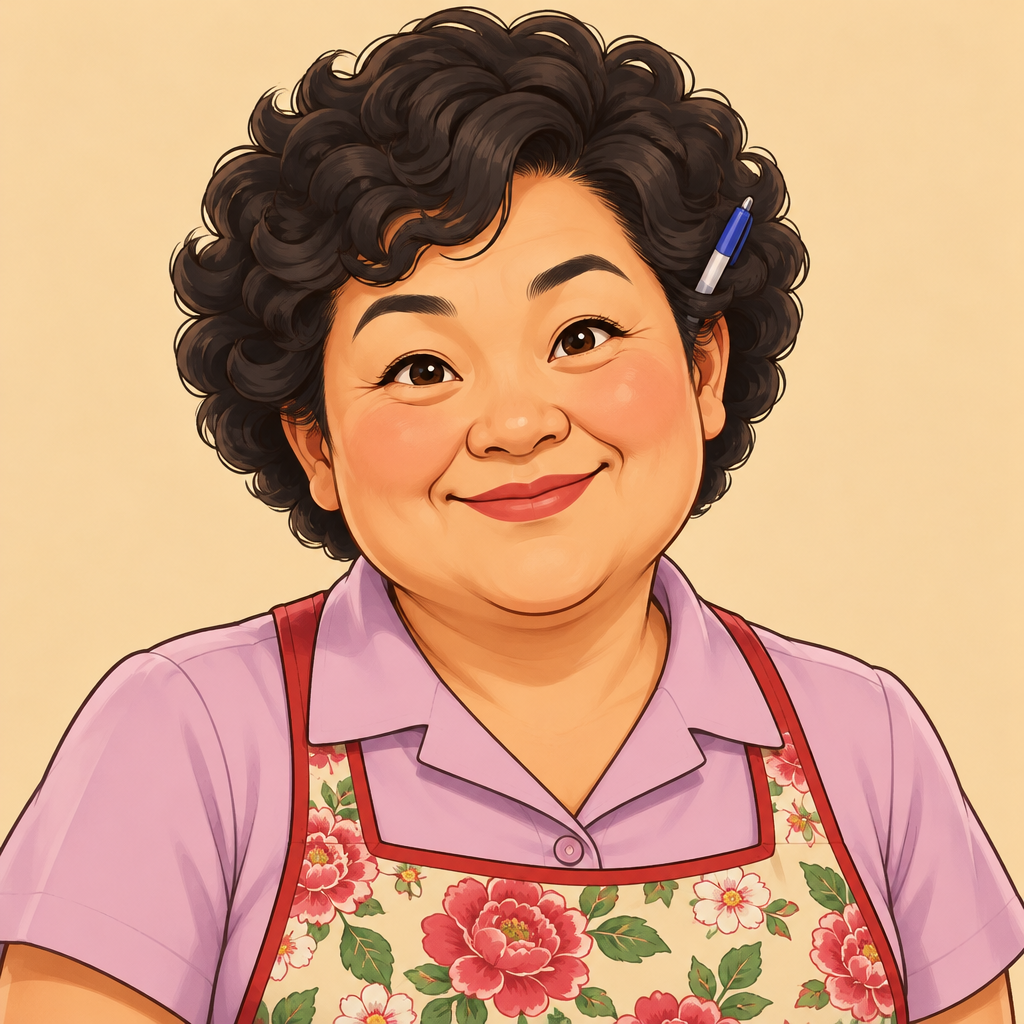 Auntie Lin下班後一起去夜市買芭樂吧?How about going to the night market together after work to buy guavas?
- A-Li好主意。Good idea.
- Yi-Jun那我們先去公園,再去夜市,好嗎?Then shall we go to the park first, and then the night market?
- Maya完全同意。I completely agree.
- Auntie Lin阿犛,你可以跟我們一起去嗎?A-Li, can you come with us?
- A-Li當然可以。Of course.
- Yi-Jun夜市離這裡不遠,走路很方便。The night market isn't far from here; it's easy to walk there.
- Maya對,沒錯。Right, exactly.
Practice — go along with the plan
Try eight quick exercises to practise agreeing and accepting plans. Choose a reply that fits what the other person just said.
Read each explanation, then try saying the answer again.
0 of 8 done
What do you say?
What do you say?
Your friend says the park is close. Confirm that they are right.
Fill the gap
Fill the gap
Me too.
我____是
Build the line
Build the line
Same here.
Tap the words in order.
What do you say?
What do you say?
A friend suggests a walk after work. Tell them you like the plan.
Build the line
Build the line
I completely agree.
Tap the words in order.
What did you hear?
What did you hear?
What do you say?
What do you say?
You want to ask a friend how they are doing.
Pick the reply
Yi-Jun says:
Pick the reply
你想去公園還是夜市?
Do you want to go to the park or the night market?
And you reply with:
Say it — your turn to agree
You play Maya and respond to Yi-Jun, Auntie Lin, and A-Li as they make plans.
Listen to each line, then say your reply aloud. Try to sound warm and natural as you agree or accept.
- Yi-Jun suggests a walk after work.
- Maya (you)Tell Yi-Jun you like the plan.
Tell Yi-Jun you like the plan.
好主意
Good idea.
0 of 4 said
Recap — what you can say now
| Traditional Chinese | English | Play |
|---|---|---|
| 對,沒錯 | Right, exactly. | |
| 我也是 | Me too. | |
| 我也一樣 | Same here. | |
| 好主意 | Good idea. | |
| 完全同意 | I completely agree. | |
| 當然可以 | Of course. |
Save your progress — it’s free
Keep your place in the course and see which lines you’ve learned.
Want the next lesson in your inbox?
Get the next lesson by email, one a day.
Join the newsletterDaily lesson emails are coming soon. Newsletter subscribers get them first.
Keep practicing with Yak Cards
Today's agreement phrases are in Yak Cards with more useful replies for making plans.
Review a few agreement cards each day so the replies come easily.
Open Yak Cards