
New here? This is lesson 75 of a free 240-lesson Traditional Chinese course.
First this, then that in Traditional Chinese
At Banyan Breakfast, Maya writes a small list for the week. She wants to put work, reading, walks, and exercise in a sensible order.
Learn to say what comes first, what you do before bed, and what you do after a meal. You will also describe new habits and limited free time.
A-Li has a list too: breakfast first, then second breakfast. His soy milk is still waiting, and the fortune slip stays folded in the till.
By the end of this lesson
Say what you do first, what happens before or after something, and how you fit routines into your week.
- 我先喝咖啡,再去上班I have coffee first and then go to work.
- 睡覺之前我會看書I read before bed.
- 吃完飯以後我去散步After I eat, I go for a walk.
- 我最近開始運動了I recently started exercising.
- 我沒什麼時間看電視I don't have much time for TV.
- 有機會我就去I go whenever I have the chance.
Scene — a list for the week
At Banyan Breakfast in Da'an, Maya lays out her list for the week while Yi-Jun helps her put the activities in order. Auntie Lin listens from behind the counter during breakfast.
A-Li shares his own plan: breakfast first, then a second breakfast. He says it as casually as anyone else, while his soy milk remains unfinished.

Learn — put actions in order
Notice how 先 and 再 put two actions in order. 之前 places one action before a time or event, while 以後 introduces what happens after it.
The final lines help you describe a new habit, little free time, or a chance to go.

我先喝咖啡,再去上班
I have coffee first and then go to work.
When to use it: Use this to put your coffee before going to work.
先 names the first action; 再 introduces the next action.

睡覺之前我會看書
I read before bed.
When to use it: Use this to describe something you do before going to sleep.
之前 means before and comes after the time or event in this sentence.

吃完飯以後我去散步
After I eat, I go for a walk.
When to use it: Use this to say what you do after a meal.
以後 means after and marks when the next action happens.

我最近開始運動了
I recently started exercising.
When to use it: Use this to share a new activity you have begun recently.
Here, 了 marks the start of a change in your routine.

我沒什麼時間看電視
I don't have much time for TV.
When to use it: Use this when you have little time for watching television.
沒什麼 means not much in this sentence.

有機會我就去
I go whenever I have the chance.
When to use it: Use this to say you will go if an opportunity comes up.
有…就… links a condition with what you do when it happens.
Story — Maya's weekly list
Follow Maya and Yi-Jun as they compare their week lists at Banyan Breakfast. Auntie Lin asks about exercise and evenings, while A-Li offers his very simple meal plan.
Listen for the order of Maya's activities and notice how the neighbors describe their usual routines.
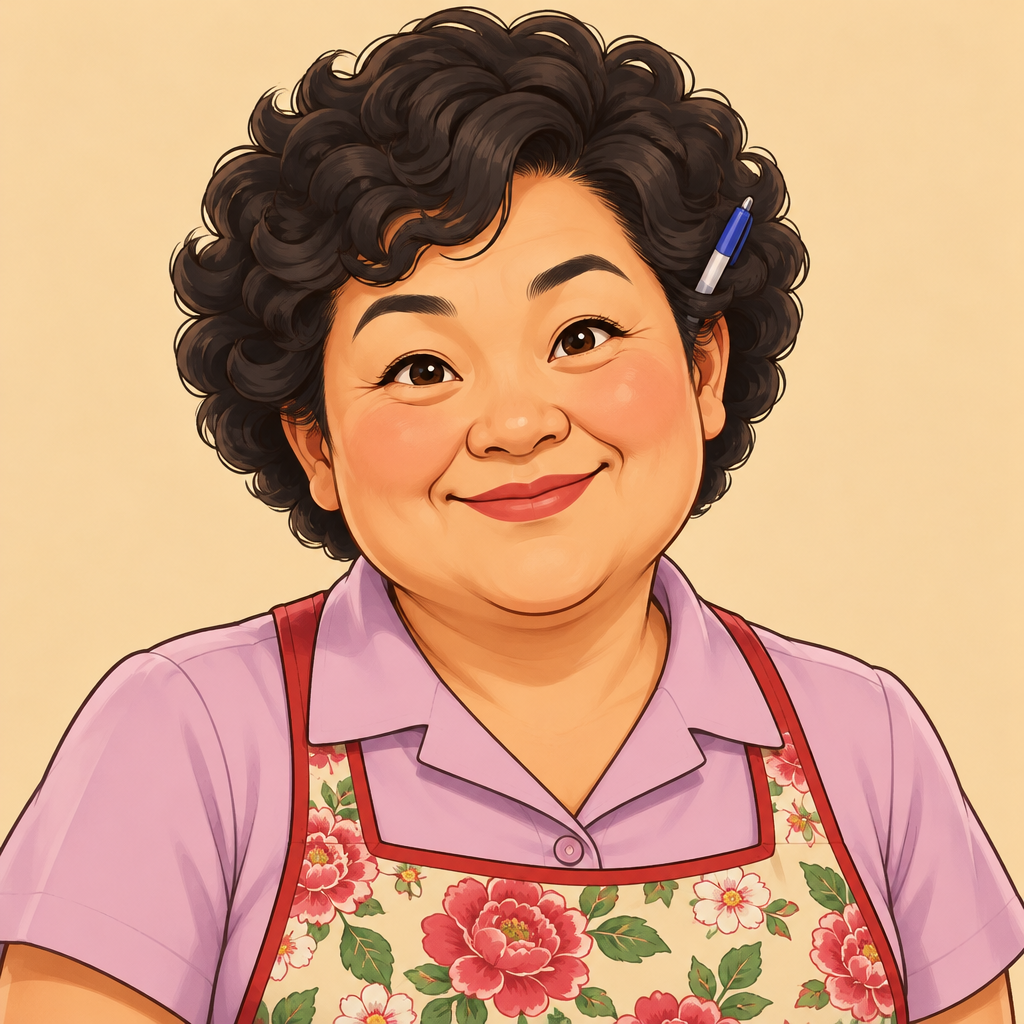 Auntie Lin瑪雅,這是你這週的清單嗎?Maya, is this your list for the week?
 Maya對,我先喝咖啡,再去上班。Right. I have coffee first and then go to work.
 Yi-Jun睡覺之前我會看書。I read before bed.
- Maya吃完飯以後我去散步。After I eat, I go for a walk.
- Auntie Lin你最近有開始運動嗎?Have you started exercising recently?
- Maya我最近開始運動了。I recently started exercising.
- Auntie Lin你晚上常常熬夜嗎?Do you often stay up late?
- Maya我通常不會熬夜。I usually don't stay up late.
- Auntie Lin你有時間看電視嗎?Do you have time to watch TV?
- Maya我沒什麼時間看電視。I don't have much time for TV.
- Yi-Jun週末我通常在家。On weekends I'm usually at home.
- Yi-Jun有機會一起去散步嗎?Would you go for a walk together if you get the chance?
- Maya有機會我就去。I go whenever I have the chance.
 A-Li我先吃早餐,再吃第二份早餐。First I eat breakfast, then I eat a second breakfast.
Practice — what comes next
Use the clues to rebuild routines, choose the right time word, and answer questions about what Maya and A-Li do.
Check the order carefully, then say each answer aloud.
0 of 8 done
What does it mean?
What does it mean?
我先喝咖啡,再去上班
What do you say?
What do you say?
Tell Yi-Jun what you do before bed.
Build the line
Build the line
After I eat, I go for a walk.
Tap the words in order.
Fill the gap
Fill the gap
I recently started exercising.
我____開始運動了
What did you hear?
What did you hear?
Pick the reply
Yi-Jun says:
Pick the reply
有機會你會去運動嗎?
Would you exercise if you had the chance?
And you reply with:
What do you say?
What do you say?
Tell Maya that you are usually at home on weekends.
What do you say?
What do you say?
Tell Auntie Lin that staying up late is not part of your usual routine.
Say it — your routine
You are Maya, sharing your weekly routine with Yi-Jun and Auntie Lin. Listen to each cue, then say your answer out loud.
Keep the actions in the right order. Finish by telling Yi-Jun whether you will go for a walk when you have the chance.
- Maya starts by telling Yi-Jun how her workday begins.
- Maya (you)Tell Yi-Jun your coffee and work order.
Tell Yi-Jun your coffee and work order.
我先喝咖啡,再去上班
I have coffee first and then go to work.
0 of 4 said
Recap — what you can say now
| Traditional Chinese | English | Play |
|---|---|---|
| 我先喝咖啡,再去上班 | I have coffee first and then go to work. | |
| 睡覺之前我會看書 | I read before bed. | |
| 吃完飯以後我去散步 | After I eat, I go for a walk. | |
| 我最近開始運動了 | I recently started exercising. | |
| 我沒什麼時間看電視 | I don't have much time for TV. | |
| 有機會我就去 | I go whenever I have the chance. |
Save your progress — it’s free
Keep your place in the course and see which lines you’ve learned.
Want the next lesson in your inbox?
Get the next lesson by email, one a day.
Join the newsletterDaily lesson emails are coming soon. Newsletter subscribers get them first.
Keep practicing with Yak Cards
Today's routines are in Yak Cards with more useful lines for talking about your week.
Review a few cards each day so the order words come naturally.
Open Yak Cards