
New here? This is lesson 128 of a free 240-lesson Traditional Chinese course.
Emergency help in Traditional Chinese
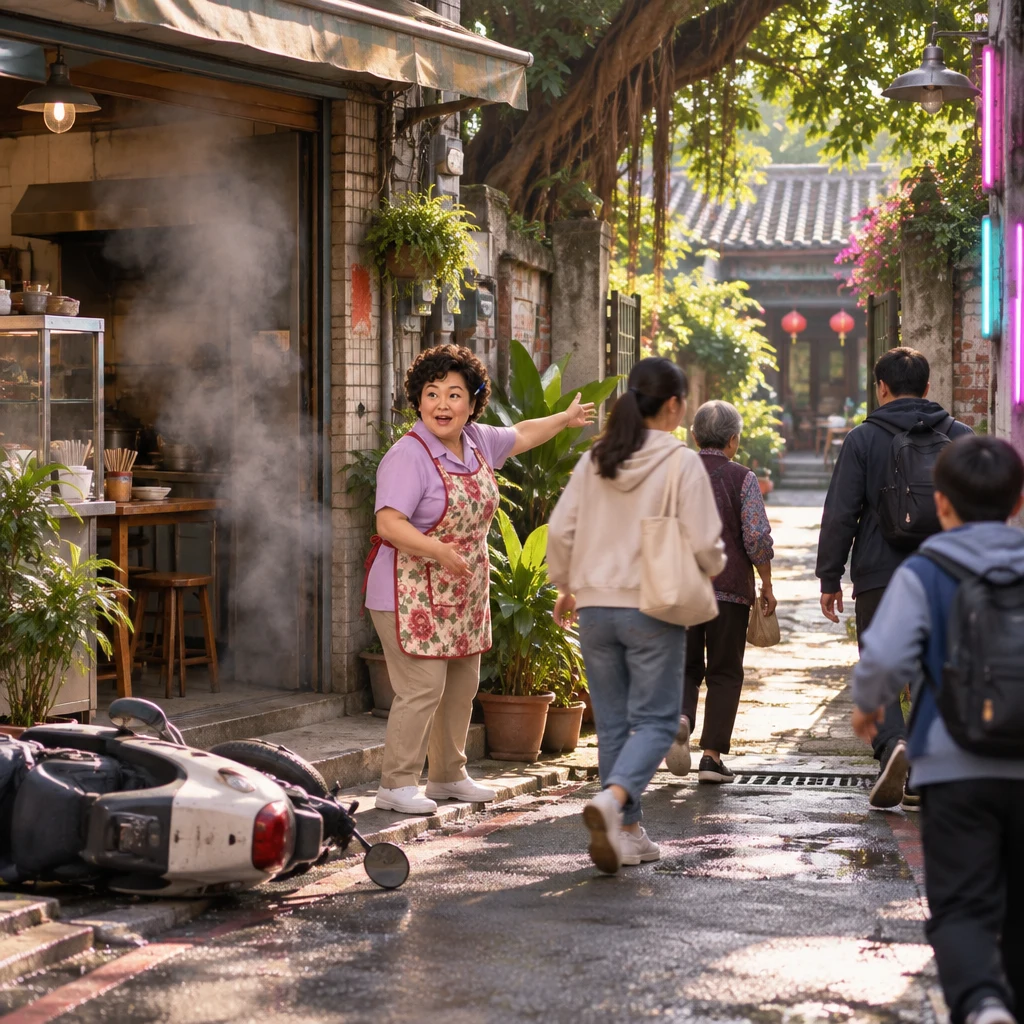
A scooter slides near Banyan Breakfast, and smoke gathers by the front entrance. No one is badly hurt, but people need to act calmly.
Learn short commands, report an accident, describe an injury, and ask for the nearest hospital. Listen for the tone changes in 不要 and 一下.
A-Li is nearby, with his soy milk still unfinished.
By the end of this lesson
Give short safety instructions, report an accident, describe an injury, and ask where the nearest hospital is.
- 先冷靜一下Stay calm first.
- 現在馬上出去!Get out right now!
- 不要碰它Don't touch it.
- 發生事故了There's been an accident.
- 我的腳動不了I can't move my foot.
- 最近的醫院在哪裡?Where is the nearest hospital?
Scene — an accident on the lane
A scooter has slid on Banyan Lane beside Banyan Breakfast. Smoke is coming from the front entrance, so Auntie Lin opens a clear back exit into the courtyard.
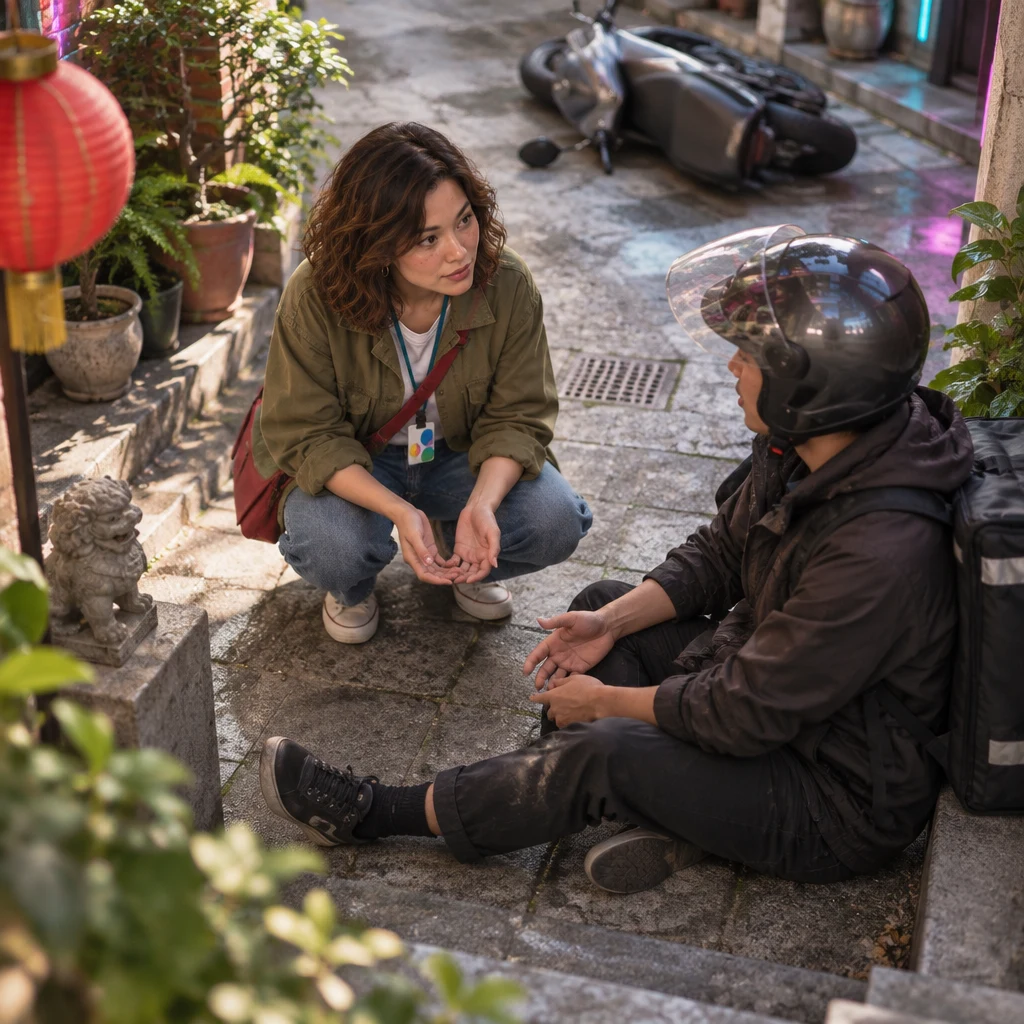
The rider can speak, but says a foot will not move. Maya and the neighbors keep their instructions brief and steady.
Everyone moves away from the lane and smoke. No one is badly hurt, and A-Li's soy milk remains unfinished.
Learn — steady safety commands
These six lines help you give clear instructions and share urgent information. Listen for the difference between a command and a question.
In 不要碰它, 不要 comes before the action to make a direct negative command.

先冷靜一下
Stay calm first.
When to use it: Use this to steady someone before taking the next step.
Say it: 一 changes to a rising tone before fourth-tone 下.

現在馬上出去!
Get out right now!
When to use it: Use this urgent command when people must leave immediately.

不要碰它
Don't touch it.
When to use it: Use this direct warning to stop someone touching something.
不要 before a verb makes a clear negative command.
Say it: 不 changes to a rising tone before fourth-tone 要.

發生事故了
There's been an accident.
When to use it: Use this to report that an accident has happened.
我的腳動不了
I can't move my foot.
When to use it: Say this to explain that you cannot move your foot.
不了 after an action means that the action cannot be done.

最近的醫院在哪裡?
Where is the nearest hospital?
When to use it: Ask this when you need to find the closest hospital.
最近 describes the closest place, and 哪裡 asks its location.
Story — a scooter accident
A scooter slides near the breakfast shop, leaving smoke by the front entrance. Maya, Auntie Lin, and the neighbors keep their words short and calm.
The rider is conscious, and A-Li stays close by with his unfinished soy milk.
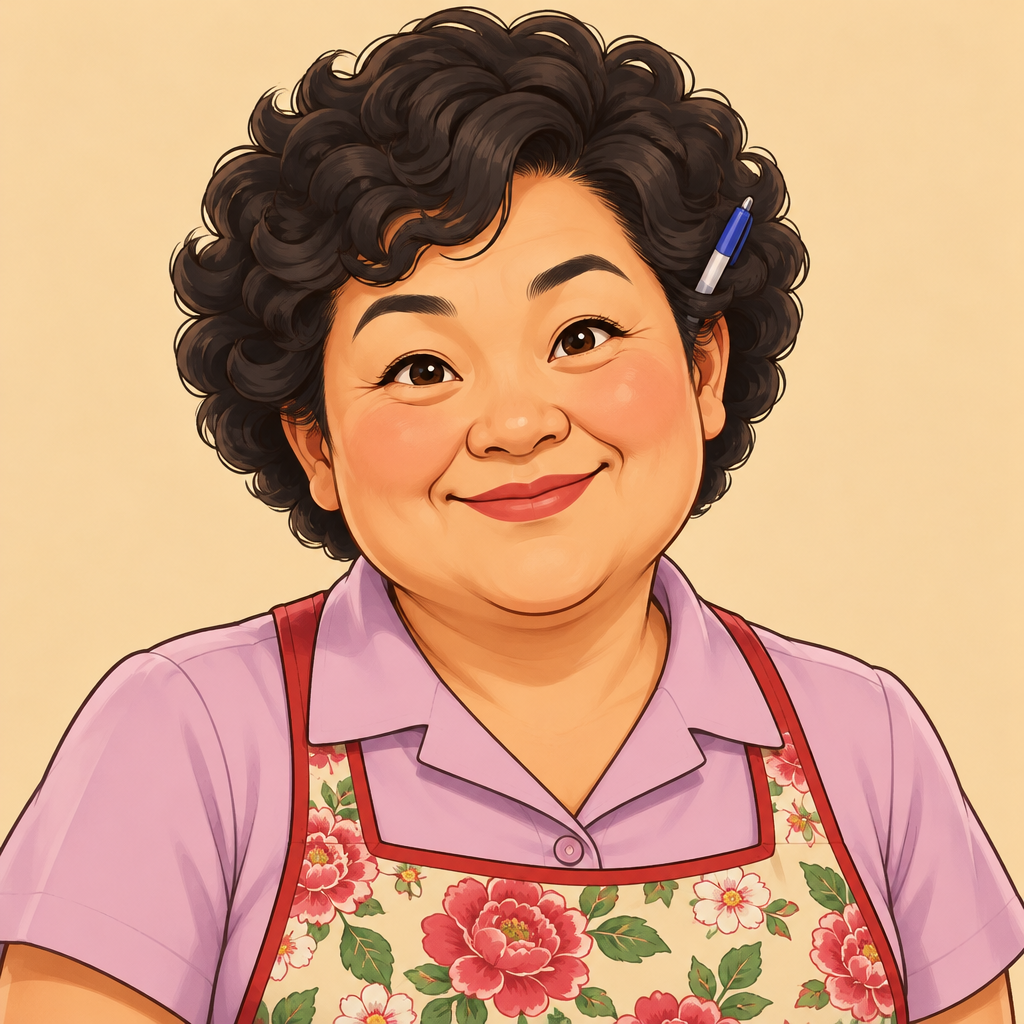 Auntie Lin巷口機車滑倒了,前門有煙,走後門!A scooter slid at the lane entrance. There's smoke at the front; use the back exit!
 Maya先冷靜一下。Stay calm first.
- Auntie Lin現在馬上出去!Get out right now!
- Stranger發生事故了,我的腳動不了。There's been an accident. I can't move my foot.
- Maya不要碰它。Don't touch it.
- Auntie Lin路上小心,先退到那邊。Be careful on the road; move back over there first.
- Maya最近的醫院在哪裡?Where is the nearest hospital?
- Auntie Lin最近的醫院在前面,後門出去比較安全。The nearest hospital is up ahead. It's safer to go out through the back exit.
- Stranger我需要救護車。I need an ambulance.
- Maya請幫忙打119。Please call 119.
- Staff救護車快到了,大家先離開巷口。The ambulance is almost here. Everyone, move away from the lane entrance.
 A-Li豆漿還沒喝完。The soy milk still isn't finished.
Practice — respond safely
Try ten short exercises about staying calm, keeping clear, and getting medical help. Choose the line that fits each situation.
Some exercises use earlier safety language too, so you can connect today's phrases to what you already know.
0 of 10 done
What does it mean?
What does it mean?
先冷靜一下
Build the line
Build the line
Get out right now!
!
Tap the words in order.
Fill the gap
Fill the gap
There's been an accident.
發生____了
What do you say?
What do you say?
Someone reaches toward the scooter after the crash. Tell them not to touch it.
Pick the reply
Staff says:
Pick the reply
需要什麼幫忙?
What help do you need?
And you reply with:
Swap the word
Swap the word
Replace the clinic word with hospital to ask where the nearest hospital is.
最近的____在哪裡?
What did you hear?
What did you hear?
Match the pairs
Traditional Chinese
現在馬上出去!Drop the English here不要碰它Drop the English here發生事故了Drop the English here我的腳動不了Drop the English hereEnglish
Fill the gap
Fill the gap
I can't move my foot.
我的腳動____
What do you say?
What do you say?
You need to warn a visitor to be careful while walking near the accident.
Say it — help at the scene
You are Maya, helping Auntie Lin and the neighbors near a scooter accident. Listen to each cue, then say the short line that fits.
Speak steadily and leave room for the other person to answer. The situation is urgent, but nobody is badly hurt.
- Maya sees the scooter down near the shop entrance.
- Maya (you)Tell Auntie Lin that an accident has happened.
Tell Auntie Lin that an accident has happened.
發生事故了
There's been an accident.
0 of 4 said
Recap — what you can say now
| Traditional Chinese | English | Play |
|---|---|---|
| 先冷靜一下 | Stay calm first. | |
| 現在馬上出去! | Get out right now! | |
| 不要碰它 | Don't touch it. | |
| 發生事故了 | There's been an accident. | |
| 我的腳動不了 | I can't move my foot. | |
| 最近的醫院在哪裡? | Where is the nearest hospital? |
Save your progress — it’s free
Keep your place in the course and see which lines you’ve learned.
Want the next lesson in your inbox?
Get the next lesson by email, one a day.
Join the newsletterDaily lesson emails are coming soon. Newsletter subscribers get them first.
Keep practicing with Yak Cards
Review these emergency phrases in Yak Cards and practise saying them clearly.
A few calm repetitions can help these safety lines come to mind quickly.
Open Yak Cards