
New here? This is lesson 3 of a free 240-lesson Traditional Chinese course.
What's your name in Traditional Chinese
At Banyan Breakfast, Auntie Lin asks your name while A-Li listens from his usual table. He introduces himself and writes his name on a napkin.
Learn to say your name, ask someone's name, and tell people what to call you. There is also a polite way to ask for someone's surname.
Auntie Lin adds Maya's name to the napkin and approves. The names are everyday introductions; A-Li's soy milk is still unfinished.
By the end of this lesson
Say your name, ask someone else's name, and tell people what to call you.
- 我叫___My name is ___.
- 你叫什麼名字?What's your name?
- 請叫我___Please call me ___.
- 叫我___就好Just call me ___.
- 您貴姓?May I ask your surname?
- 我姓___My surname is ___.
Scene — a name on a napkin
Morning at Banyan Breakfast: Maya is getting to know the people at the back table. Auntie Lin asks her name, and A-Li introduces himself before writing it on a napkin.
Auntie Lin writes Maya's name underneath and nods. A new delivery worker arrives, giving Lin a reason to ask a polite surname question.

Learn — introduce yourself
Use these short introductions when you meet someone. Friends usually ask 你叫什麼名字; the polite surname question is for older or formal listeners.
Say your name, then choose a friendly way to tell someone what to call you.

我叫___
My name is ___.
When to use it: Use this to introduce yourself by name.
Learn it as one piece.

你叫什麼名字?
What's your name?
When to use it: Ask a friend or someone your age what their name is.
Say it: The second syllable in 什麼 is light in natural speech.

請叫我___
Please call me ___.
When to use it: Use this to politely tell someone what to call you.
Learn it as one piece.

叫我___就好
Just call me ___.
When to use it: Use this to suggest a simple, friendly way to address you.
Learn it as one piece.

您貴姓?
May I ask your surname?
When to use it: Use this polite question with an older person or in a formal introduction.
Learn it as one piece.

我姓___
My surname is ___.
When to use it: Use this to answer a question about your surname.
Learn it as one piece.
Story — names at breakfast
Auntie Lin asks Maya's name at the breakfast shop. Maya asks A-Li in return, and he writes his name on a napkin.
Auntie Lin adds Maya's name underneath. When a new delivery worker arrives, Lin asks the worker a polite surname question.
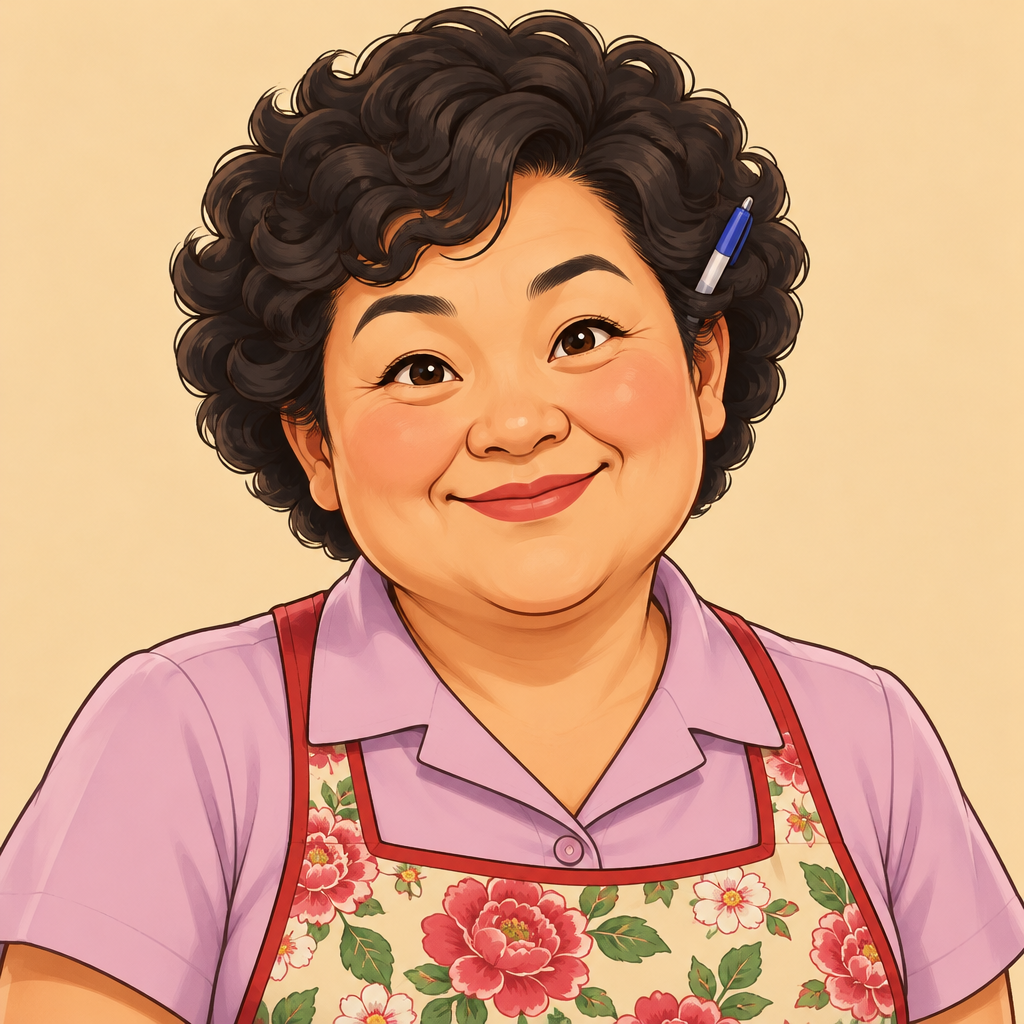 Auntie Lin你好,美女!Hello, beautiful!
- Auntie Lin你叫什麼名字?What's your name?
 Maya我叫瑪雅。My name is Maya.
- Maya阿犛,你呢?A-Li, and you?
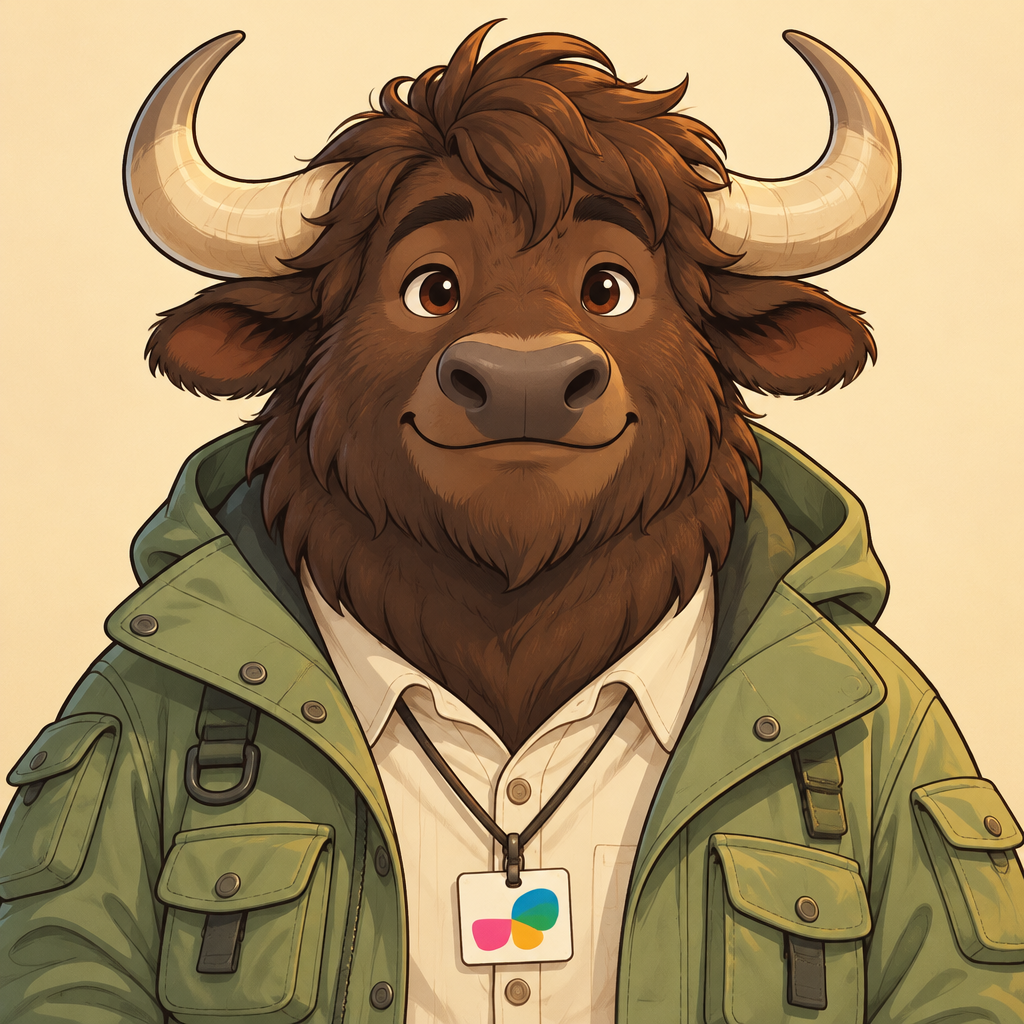 A-Li我叫阿犛。My name is A-Li.
- A-Li writes his name on a napkin. Auntie Lin writes Maya's name underneath and nods.
- A-Li請叫我阿犛。Please call me A-Li.
- Auntie Lin叫我阿姨就好。Just call me Auntie.
- Auntie Lin您好,您貴姓?Hello. May I ask your surname?
- Stranger我姓李。My surname is Li.
Practice — ask and answer
Try ten quick exercises to ask names, introduce yourself, and answer a polite surname question.
Listen closely, build a question, and choose the line that fits each introduction.
0 of 11 done
What does it mean?
What does it mean?
你好
What do you say?
What do you say?
You meet someone new at breakfast. Say your name.
Build the line
Build the line
What's your name?
?
Tap the words in order.
Fill the gap
Fill the gap
What's your name?
你叫____名字?
Match the pairs
Traditional Chinese
請叫我___Drop the English here叫我___就好Drop the English here您貴姓?Drop the English here我姓___Drop the English hereEnglish
What did you hear?
What did you hear?
Pick the reply
Stranger says:
Pick the reply
您貴姓?
May I ask your surname?
And you reply with:
What do you say?
What do you say?
Tell a new friend what you would like them to call you, politely.
What do you say?
What do you say?
Someone asks what to call you. Reply with a simple, friendly way to be addressed.
True or false?
True or false?
This line politely asks someone for their surname.
What do you say?
What do you say?
You have just introduced yourself to a friend. Ask for their name in return.
Say it — share your name
You are Maya meeting people at Banyan Breakfast. Listen to each cue and say the introduction or question that fits.
Use your own name when a line has a blank. Keep the polite surname question for the new delivery worker.
- Auntie Lin welcomes Maya at the counter.
- Auntie Lin美女,你叫什麼名字?Beautiful, what's your name?
- Maya (you)Introduce yourself by name.
Introduce yourself by name.
我叫___
My name is ___.
0 of 4 said
Recap — what you can say now
| Traditional Chinese | English | Play |
|---|---|---|
| 我叫___ | My name is ___. | |
| 你叫什麼名字? | What's your name? | |
| 請叫我___ | Please call me ___. | |
| 叫我___就好 | Just call me ___. | |
| 您貴姓? | May I ask your surname? | |
| 我姓___ | My surname is ___. |
Save your progress — it’s free
Keep your place in the course and see which lines you’ve learned.
Want the next lesson in your inbox?
Get the next lesson by email, one a day.
Join the newsletterDaily lesson emails are coming soon. Newsletter subscribers get them first.
Keep practicing with Yak Cards
Today's introductions are in Yak Cards with more useful lines for meeting people.
Review a few name cards each day so introductions feel easy.
Open Yak Cards