
New here? This is lesson 125 of a free 240-lesson Traditional Chinese course.
What I can do in Traditional Chinese
A-Jie has a scooter ready, but Maya has never learned to ride one. A-Li says he can ride, though his solution needs two seats.
Learn to say what you can do, what you cannot do well, and what feels easy or hard. You can also ask someone about a skill.
Then talk about Maya's Chinese, swimming, cooking, and scooter abilities. The neighbors are helpful, even when A-Li's answer is unusual.
By the end of this lesson
Say what you can and cannot do, ask about someone's ability, and describe whether something feels easy or hard.
- 我會說一點中文I can speak a bit of Chinese.
- 我不太會游泳I can't swim very well.
- 我很會做菜I'm good at cooking.
- 你會騎機車嗎?Can you ride a scooter?
- 這對我來說很簡單This is easy for me.
- 這對我來說很難This is hard for me.
Scene — a scooter lesson
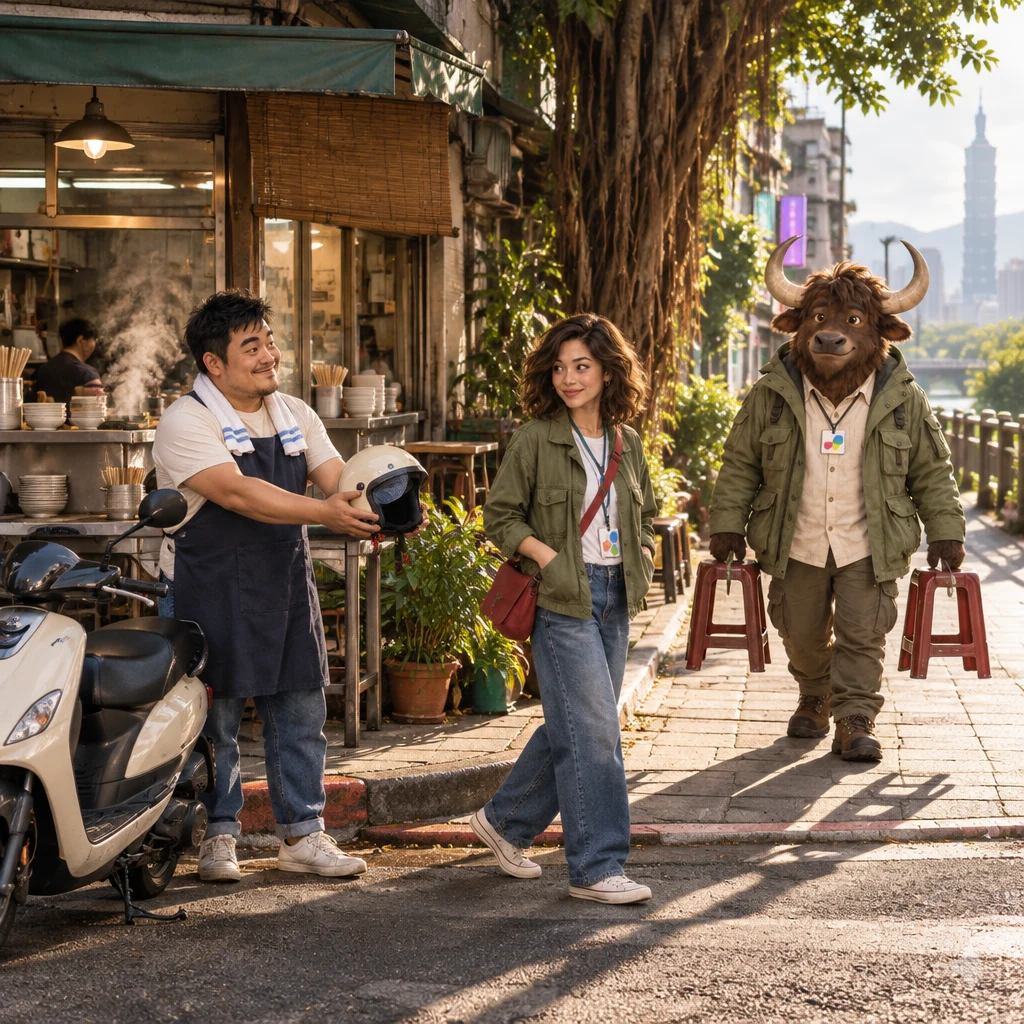
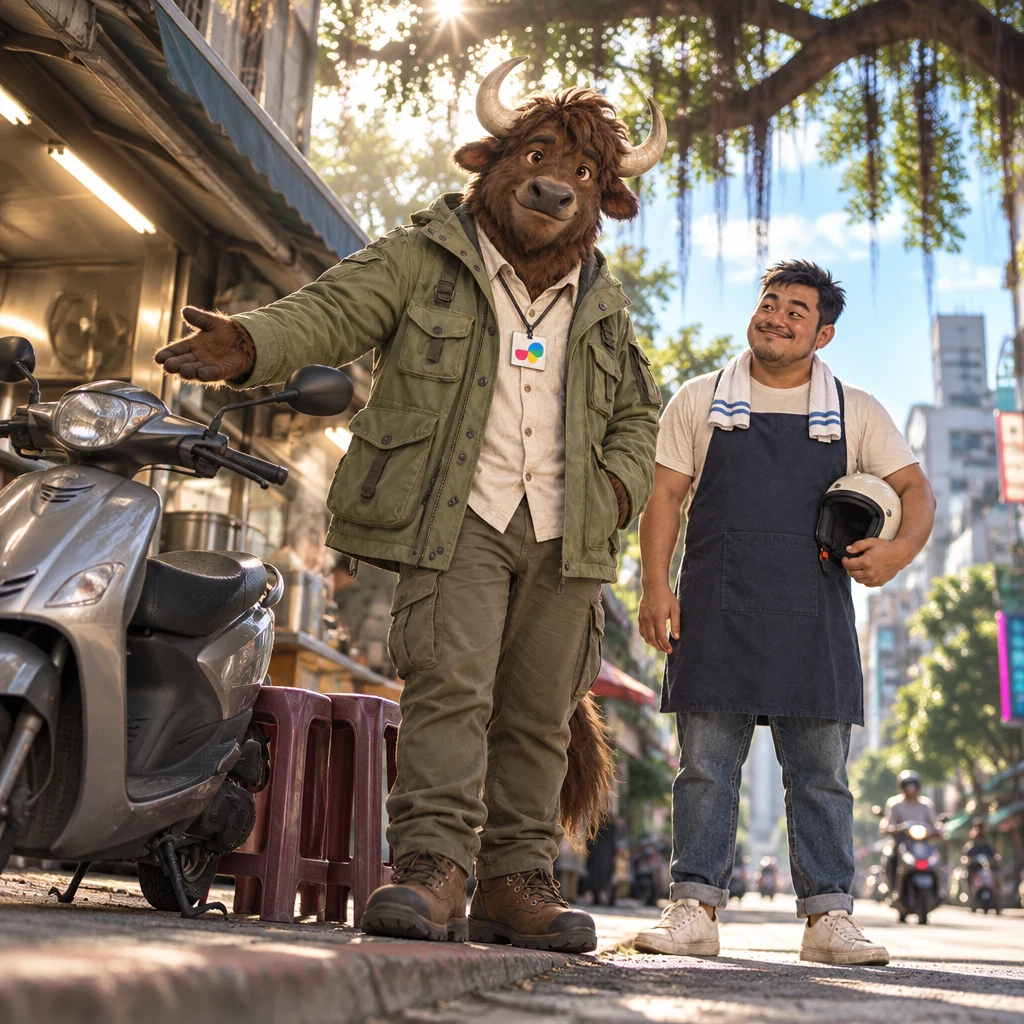
A-Jie has parked his scooter outside Banyan Breakfast and offers Maya a lesson. She is still learning Mandarin and would rather walk than risk a ride.
A-Li joins them, saying he can ride a scooter, but he needs two seats. The conversation turns to the things each person can do well.
Learn — talking about abilities
These six lines help you describe an ability, ask if someone can do something, and rate how easy it feels.
Listen for 會 before an action, and notice how 不太 makes a negative statement less absolute.

我會說一點中文
I can speak a bit of Chinese.
When to use it: Use this to describe your ability to speak some Chinese.
會 before an action describes a learned ability.
Say it: 會 has a clear falling fourth tone here.

我不太會游泳
I can't swim very well.
When to use it: Use this to say you have limited ability at swimming.
不太 softens the negative, so it means not very well.
Say it: 不 changes to a rising second tone before fourth-tone 太.
我很會做菜
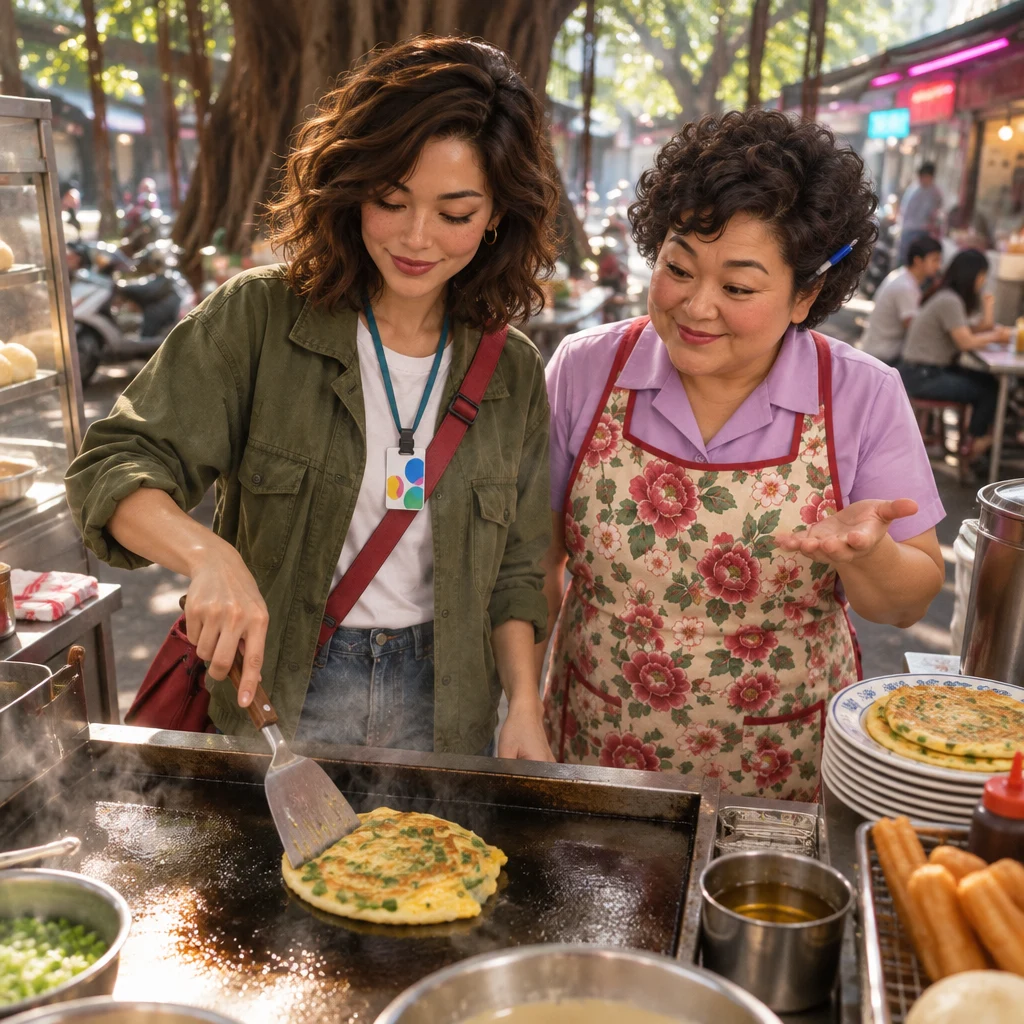
I'm good at cooking.
When to use it: Use this to say you are skilled at cooking.
很會 before an action means being very good at it.
Say it: 會 has a clear falling fourth tone here.

你會騎機車嗎?
Can you ride a scooter?
When to use it: Use this to ask whether someone knows how to ride a scooter.
會 before an action asks about a learned ability.
Say it: 騎 has a rising second tone.
這對我來說很簡單
This is easy for me.
When to use it: Use this to say something feels easy for you.
對我來說 means from my point of view.
Say it: 「簡」 is third tone; 「單」 is first tone.

這對我來說很難
This is hard for me.
When to use it: Use this to say something feels difficult for you.
對我來說 means from my point of view.
Say it: 難 has a rising second tone.
Story — Maya and the scooter
A-Jie asks Maya whether she can ride his scooter, and A-Li offers his own unusual answer.
Back at Banyan Breakfast, the neighbors compare skills over cooking and Mandarin. Maya is honest about what still feels hard.
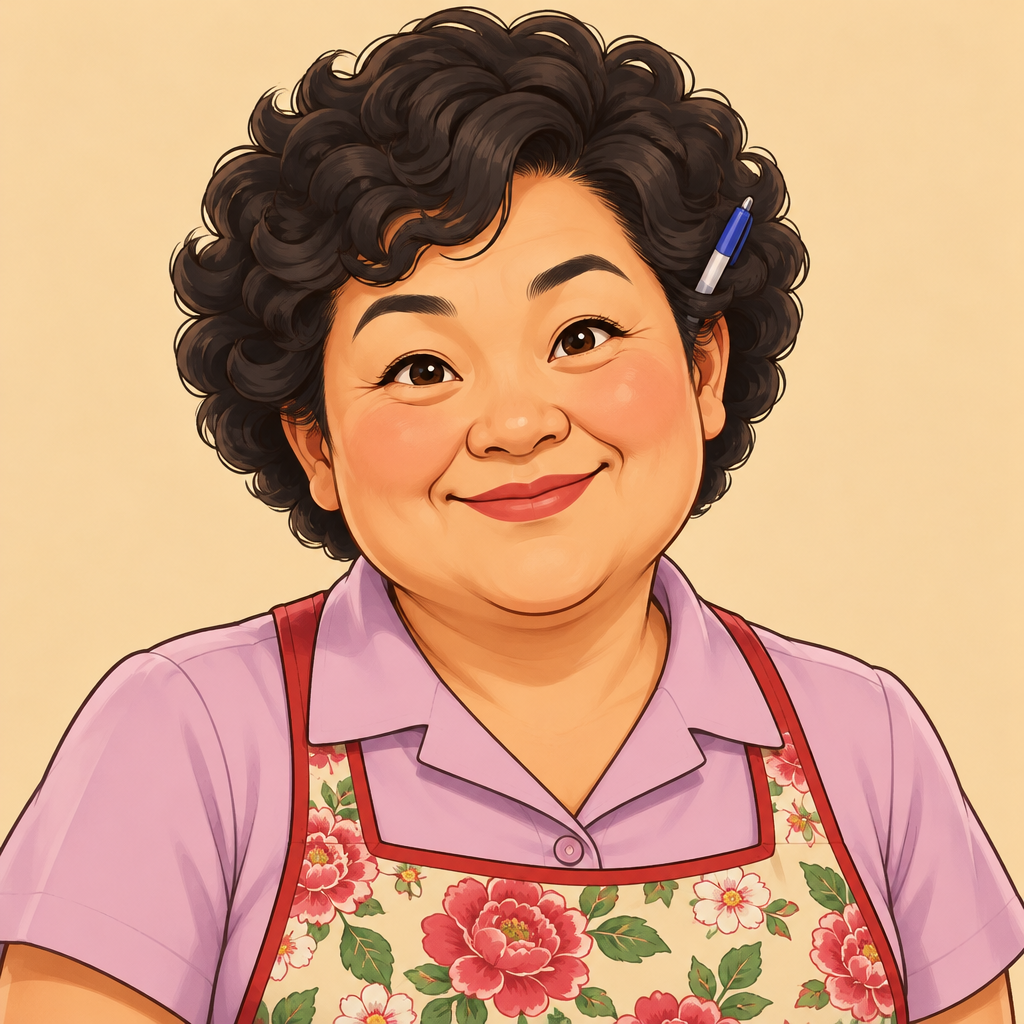 Auntie Lin早安,瑪雅!Good morning, Maya!
 Maya你好。Hello.
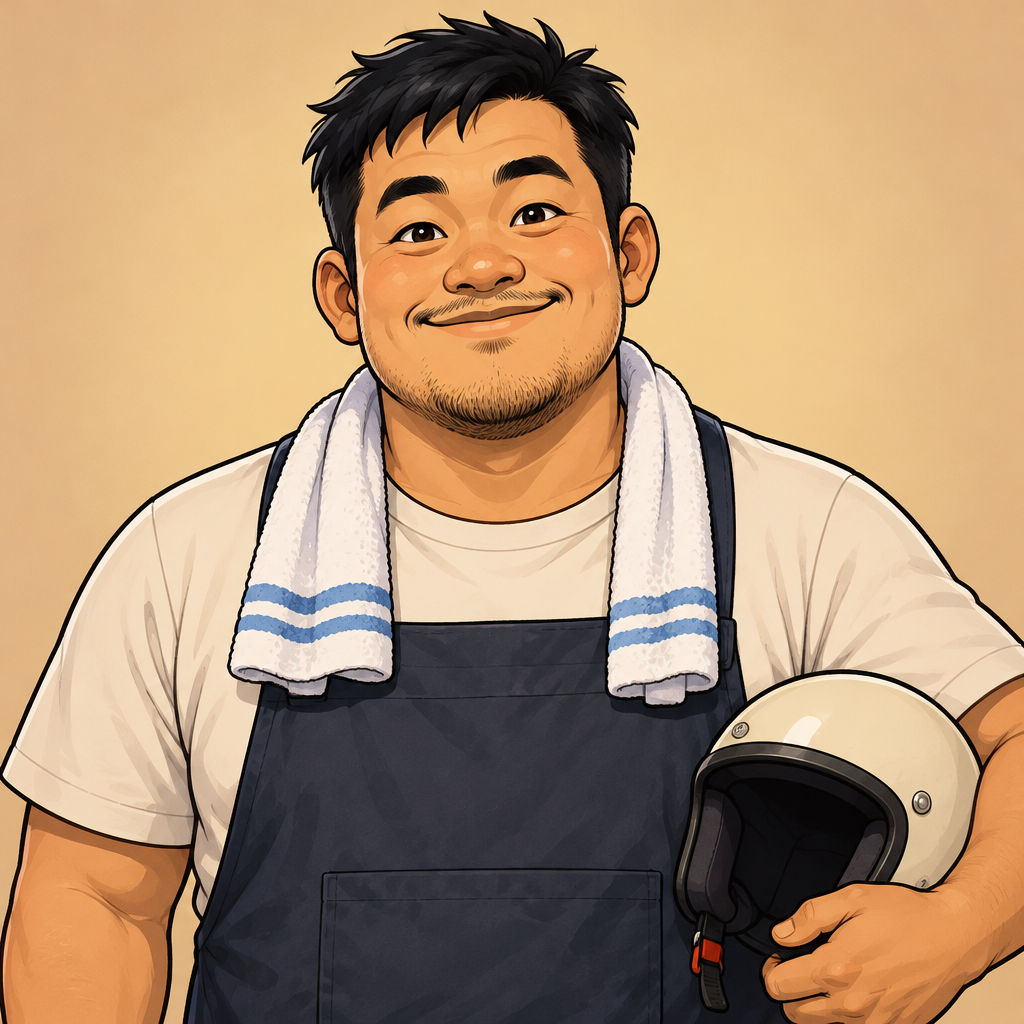 A-Jie你會騎機車嗎?Can you ride a scooter?
- Maya這對我來說很難。This is hard for me.
 A-Li我會騎機車,不過要兩個座位。I can ride a scooter, but I need two seats.
- A-Jie你會游泳嗎?Can you swim?
- Maya我不太會游泳。I can't swim very well.
- Auntie Lin瑪雅,你會做菜嗎?Maya, can you cook?
- Maya我很會做菜。I'm good at cooking.
- Auntie Lin煎蛋餅對你來說簡單嗎?Is making an egg pancake easy for you?
- Maya這對我來說很簡單。This is easy for me.
- Auntie Lin你會說中文嗎?Can you speak Chinese?
- Maya我會說一點中文。I can speak a bit of Chinese.
Practice — share what you can do
Try ten short exercises about speaking Chinese, cooking, swimming, and riding a scooter.
Choose the line that matches the situation, then listen again and say it aloud.
0 of 10 done
What does it mean?
What does it mean?
我會說一點中文
What do you say?
What do you say?
A friend asks whether you swim well; explain that you do not swim very well.
Build the line
Build the line
I'm good at cooking.
Tap the words in order.
Fill the gap
Fill the gap
I can't swim very well.
我不太會____
Match the pairs
Traditional Chinese
我會說一點中文Drop the English here我不太會游泳Drop the English here我很會做菜Drop the English here這對我來說很簡單Drop the English hereEnglish
What did you hear?
What did you hear?
Pick the reply
A-Jie says:
Pick the reply
你會騎機車嗎?
Can you ride a scooter?
And you reply with:
What do you say?
What do you say?
You are good at making egg pancakes and want to say it feels easy for you.
What do you say?
What do you say?
Greet Auntie Lin at the breakfast shop in the morning.
What does it mean?
What does it mean?
你好
Say it — talk about your skills
You are Maya, talking with A-Jie, Auntie Lin, and A-Li around Banyan Breakfast.
Listen to each question or prompt, then answer with a line about your abilities. Speak the final line aloud to complete the conversation.
- A-Jie asks whether Maya can ride his scooter.
- A-Jie你會騎機車嗎?Can you ride a scooter?
- Maya (you)Say that scooter riding is hard for you.
Say that scooter riding is hard for you.
這對我來說很難
This is hard for me.
0 of 4 said
Recap — what you can say now
| Traditional Chinese | English | Play |
|---|---|---|
| 我會說一點中文 | I can speak a bit of Chinese. | |
| 我不太會游泳 | I can't swim very well. | |
| 我很會做菜 | I'm good at cooking. | |
| 你會騎機車嗎? | Can you ride a scooter? | |
| 這對我來說很簡單 | This is easy for me. | |
| 這對我來說很難 | This is hard for me. |
Save your progress — it’s free
Keep your place in the course and see which lines you’ve learned.
Want the next lesson in your inbox?
Get the next lesson by email, one a day.
Join the newsletterDaily lesson emails are coming soon. Newsletter subscribers get them first.
Keep practicing with Yak Cards
Review today's useful ability lines in Yak Cards.
Practise describing one skill and one challenge each day.
Open Yak Cards