
New here? This is lesson 6 of a free 240-lesson Traditional Chinese course.
Excuse me, sorry in Traditional Chinese
At Banyan Breakfast, Maya squeezes through a crowd and bumps A-Li's second stool. She apologises, but the yak stays calmly seated.
Learn polite ways to get someone's attention, pass through a crowd, say sorry, and accept an apology.
Then try a polite question and a small request. A-Li's soy milk is still unfinished, and the fortune slip remains a mystery.
By the end of this lesson
Get someone's attention, ask to pass, apologise for a small mistake, and accept an apology.
- 不好意思Excuse me; sorry.
- 對不起I'm sorry.
- 沒關係It's okay.
- 借過一下Excuse me, let me pass.
- 請問May I ask?
- 麻煩你了Sorry to trouble you.
Scene — a crowded counter
The breakfast shop is busy. Maya is near the entrance, trying to reach the counter through the crowd.
She bumps the second stool A-Li uses, but he stays seated and leaves both stools where they are.
Auntie Lin is waiting at the counter. Maya uses everyday polite phrases to apologise and ask her a question.
The fortune slip remains unexplained, and A-Li's soy milk is still unfinished.

Learn — polite apologies
These six short phrases help you get attention, pass through a crowd, and handle a small mistake politely.
Listen to each phrase, then practise saying it as one piece.

不好意思
Excuse me; sorry.
When to use it: Use this to get attention or apologise for a small bump.
Learn it as one piece.
Say it: 意 has a fourth tone, and 思 is usually neutral here.

對不起
I'm sorry.
When to use it: Use this direct apology when you have caused a problem.
Learn it as one piece.
Say it: 起 has a third tone.

沒關係
It's okay.
When to use it: Say this to accept an apology and reassure someone.
Learn it as one piece.
Say it: 係 has a fourth tone.

借過一下
Excuse me, let me pass.
When to use it: Use this to ask people to let you pass through a crowd.
Learn it as one piece.
Say it: 一 changes to a rising tone before fourth-tone 下.

請問
May I ask?
When to use it: Say this before asking a polite question.
Learn it as one piece.
Say it: 問 has a fourth tone.

麻煩你了
Sorry to trouble you.
When to use it: Say this when asking someone to help or do something for you.
Learn it as one piece.
Say it: 了 is usually neutral and short here.
Story — a bump at breakfast
The breakfast shop is crowded when Maya accidentally bumps A-Li's second stool. She apologises, and he calmly says it is okay.
Maya asks Auntie Lin where to go, then uses a polite phrase to make a small request.
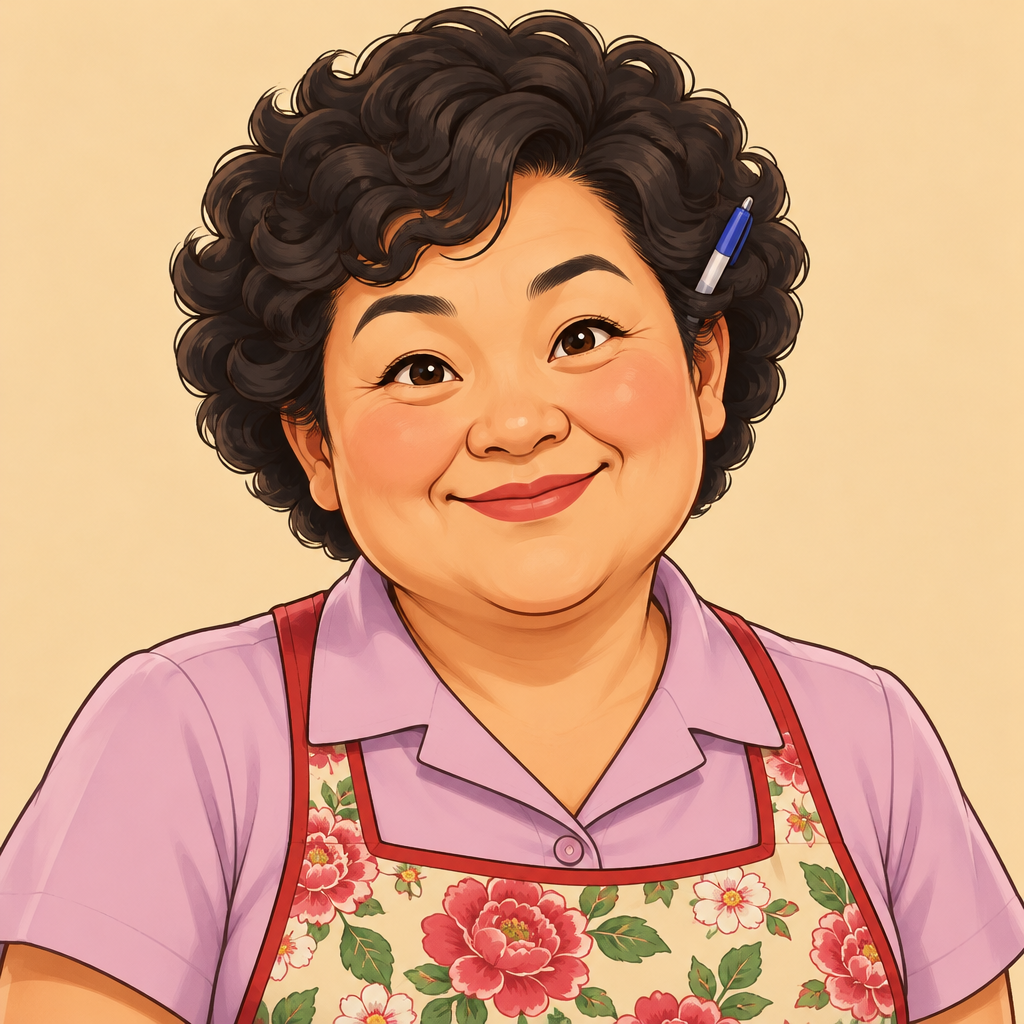 Auntie Lin你好,美女!Hello, beautiful!
 Maya不好意思。Excuse me.
- Maya對不起。I'm sorry.
 A-Li沒關係。It's okay.
- A-Li leaves both stools exactly where they are.
- Maya借過一下。Excuse me, let me pass.
- Maya請問,櫃檯在哪裡?May I ask, where is the counter?
- Auntie Lin這邊請。This way, please.
- Maya麻煩你了。Sorry to trouble you.
- A-Li豆漿還沒喝完。The soy milk still isn't finished.
Practice — excuse yourself
Try ten exercises for apologising, asking politely, and responding when someone says sorry.
Choose the phrase that fits each situation, and listen closely to the spoken lines.
0 of 10 done
What does it mean?
What does it mean?
不好意思
What do you say?
What do you say?
You spilled a drink on someone and want to give a direct apology.
Pick the reply
A-Li says:
Pick the reply
對不起。
I'm sorry.
And you reply with:
Build the line
Build the line
Excuse me, let me pass.
Tap the words in order.
Fill the gap
Fill the gap
Sorry to trouble you.
麻煩你____
What do you say?
What do you say?
Choose the exact phrase that means “May I ask?”
What did you hear?
What did you hear?
What do you say?
What do you say?
You arrive at Banyan Breakfast and greet Auntie Lin.
What do you say?
What do you say?
Auntie Lin asks you to guide a customer toward the counter. Tell the customer, “This way, please.”
Match the pairs
Traditional Chinese
不好意思Drop the English here對不起Drop the English here沒關係Drop the English here請問Drop the English hereEnglish
Say it — your polite phrases
Take Maya's place at the busy breakfast shop. First get Auntie Lin's attention, then ask politely and squeeze through the crowd.
Listen to each cue and say the phrase that fits. A small bump brings the scene to a gentle end.
- Maya (you)Politely get Auntie Lin's attention.
Politely get Auntie Lin's attention.
不好意思
Excuse me; sorry.
0 of 4 said
Recap — what you can say now
| Traditional Chinese | English | Play |
|---|---|---|
| 不好意思 | Excuse me; sorry. | |
| 對不起 | I'm sorry. | |
| 沒關係 | It's okay. | |
| 借過一下 | Excuse me, let me pass. | |
| 請問 | May I ask? | |
| 麻煩你了 | Sorry to trouble you. |
Save your progress — it’s free
Keep your place in the course and see which lines you’ve learned.
Want the next lesson in your inbox?
Get the next lesson by email, one a day.
Join the newsletterDaily lesson emails are coming soon. Newsletter subscribers get them first.
Keep practicing with Yak Cards
Practise these polite phrases with Yak Cards.
Review a few cards often so these phrases come naturally.
Open Yak Cards