
New here? This is lesson 74 of a free 240-lesson Traditional Chinese course.
What I usually do in Traditional Chinese
On Saturday morning, Maya has a bun at Banyan Breakfast while Auntie Lin asks about her routine.
Maya describes what she usually does, what she sometimes does, and where she often works. Her weekends can vary from day to day.
Learn useful ways to talk about habits, then ask Auntie Lin about her weekends. A-Li is nearby with his unfinished soy milk.
By the end of this lesson
Describe what you usually do on weekdays and weekends, say what sometimes changes, and ask someone about their routine.
- 我通常不會熬夜I usually don't stay up late.
- 我有時候會出去走走Sometimes I go out for a walk.
- 週末我通常在家On weekends I'm usually at home.
- 要看是哪一天It depends which day.
- 我常常在咖啡店工作I often work in cafés.
- 你呢,週末都做什麼?And you, what do you do on weekends?
Scene — a Saturday bun
Saturday morning at Banyan Breakfast is busy but relaxed. Maya is eating a bun with Auntie Lin and talking about her usual week.
At the back, A-Li sits on his two stools with his soy milk still unfinished. The folded fortune slip remains in the till.

Learn — talk about your habits
These lines help you describe habits on weekdays and weekends. Notice how usually, sometimes, and often show how regularly something happens.
Listen to the examples, then try saying each one aloud.

我通常不會熬夜
I usually don't stay up late.
When to use it: Use this to describe a usual habit you avoid.
通常 comes before the habit; 不會 says you generally do not do it.

我有時候會出去走走
Sometimes I go out for a walk.
When to use it: Use this to share something you do now and then.
有時候 comes before 會 and the action to mean sometimes.

週末我通常在家
On weekends I'm usually at home.
When to use it: Use this to describe where you usually are on weekends.
Putting 週末 first sets the time for the rest of the sentence.

要看是哪一天
It depends which day.
When to use it: Use this when your answer changes from day to day.
要看 introduces a detail that determines the answer.
Say it: 一 has a falling tone before first-tone 天.

我常常在咖啡店工作
I often work in cafés.
When to use it: Use this to say where you often work.
常常 comes before the action to mean often.

你呢,週末都做什麼?
And you, what do you do on weekends?
When to use it: Use this to ask someone about their usual weekend activities.
呢 turns 你 into a friendly way to return the question.
Story — weekend routines at breakfast
Maya enjoys a bun with Auntie Lin at Banyan Breakfast and shares her routine.
A-Li is nearby, sitting on two stools with his soy milk still unfinished.
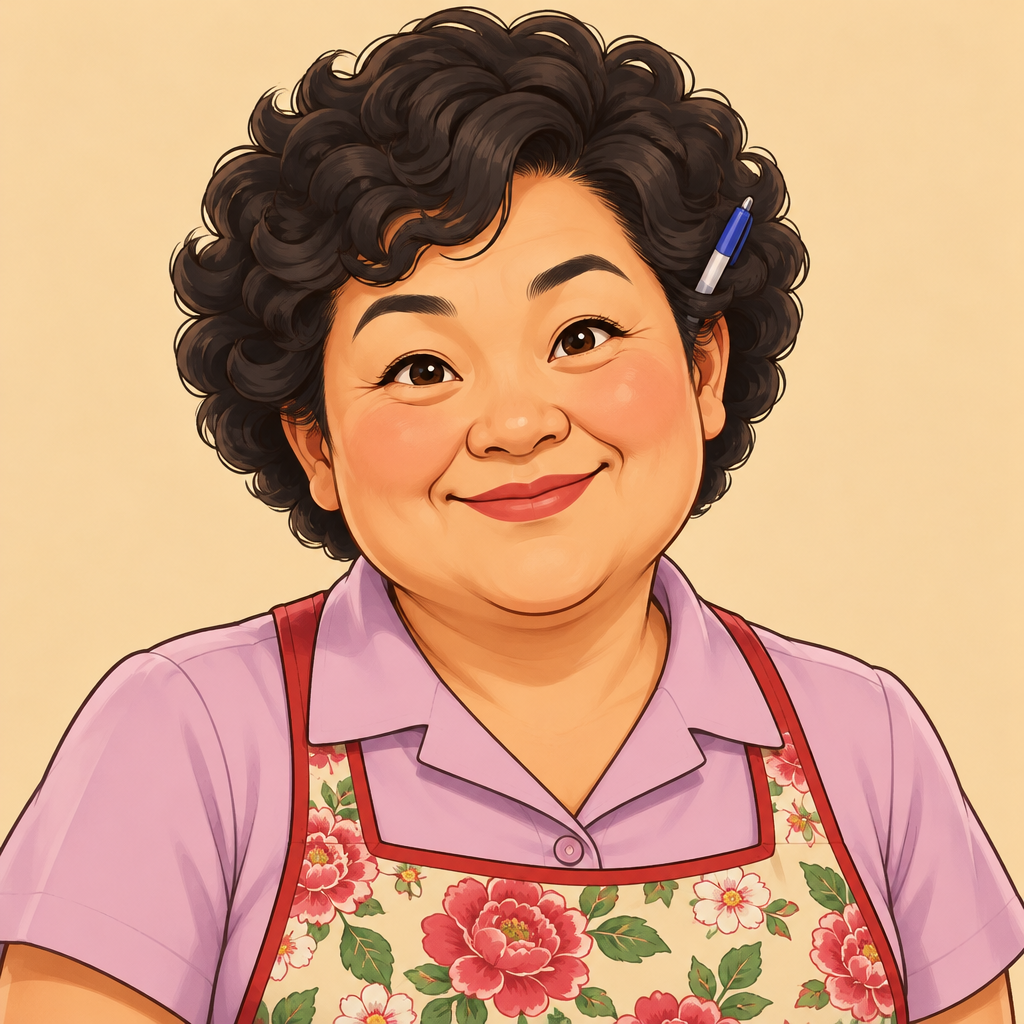 Auntie Lin美女,早安!Good morning, beautiful!
- Auntie Lin你通常不會熬夜嗎?You usually don't stay up late?
 Maya我通常不會熬夜。I usually don't stay up late.
- Auntie Lin週末你通常做什麼?What do you usually do on weekends?
- Maya週末我通常在家。On weekends I'm usually at home.
- Maya我有時候會出去走走。Sometimes I go out for a walk.
- Maya我常常在咖啡店工作。I often work in cafés.
- Maya你呢,週末都做什麼?And you, what do you do on weekends?
- Auntie Lin要看是哪一天,我常常在早餐店工作。It depends which day; I often work at the breakfast shop.
 A-Li豆漿還沒喝完。The soy milk still isn't finished.
Practice — describe a typical week
Try ten short exercises about everyday habits and weekend routines. Choose a useful response, build a sentence, and listen for the right phrase.
Check each explanation, then say the answer once more.
0 of 11 done
What does it mean?
What does it mean?
我通常不會熬夜
What do you say?
What do you say?
Auntie Lin has told you about her weekends. Ask what she does on weekends.
Build the line
Build the line
Sometimes I go out for a walk.
Tap the words in order.
Fill the gap
Fill the gap
On weekends I'm usually at home.
週末我通常____
Match the pairs
Traditional Chinese
我通常不會熬夜Drop the English here我有時候會出去走走Drop the English here週末我通常在家Drop the English here要看是哪一天Drop the English hereEnglish
What did you hear?
What did you hear?
Pick the reply
Auntie Lin says:
Pick the reply
你週末都在家嗎?
Are you usually at home on weekends?
And you reply with:
Swap the word
Swap the word
Say that you often work in cafés, not at the breakfast shop.
我常常在____工作
What do you say?
What do you say?
Auntie Lin asks whether your plans are the same every weekend. Say that it depends on the day.
What do you say?
What do you say?
You have shared your routine with a friend. Return the question with a short, friendly phrase.
What did you hear?
What did you hear?
Say it — ask about the weekend
You play Maya during a relaxed Saturday breakfast with Auntie Lin. Listen to her questions, then answer with a habit or ask about her weekend.
Speak each line aloud, and listen to Auntie Lin's response before your next turn.
- Auntie Lin asks Maya about her evening habits.
- Auntie Lin你通常熬夜嗎?Do you usually stay up late?
- Maya (you)Say that you usually don't stay up late.
Say that you usually don't stay up late.
我通常不會熬夜
I usually don't stay up late.
0 of 4 said
Recap — what you can say now
| Traditional Chinese | English | Play |
|---|---|---|
| 我通常不會熬夜 | I usually don't stay up late. | |
| 我有時候會出去走走 | Sometimes I go out for a walk. | |
| 週末我通常在家 | On weekends I'm usually at home. | |
| 要看是哪一天 | It depends which day. | |
| 我常常在咖啡店工作 | I often work in cafés. | |
| 你呢,週末都做什麼? | And you, what do you do on weekends? |
Save your progress — it’s free
Keep your place in the course and see which lines you’ve learned.
Want the next lesson in your inbox?
Get the next lesson by email, one a day.
Join the newsletterDaily lesson emails are coming soon. Newsletter subscribers get them first.
Keep practicing with Yak Cards
Review these habit phrases in Yak Cards and practice describing your week.
Review a few cards each day so your routine descriptions come naturally.
Open Yak Cards