
New here? This is lesson 10 of a free 240-lesson Traditional Chinese course.
Is it or isn't it in Traditional Chinese
At Banyan Breakfast, Auntie Lin asks if Maya wants almost everything. A-Li has one request of his own, and his soy milk is still waiting.
Learn another way to ask yes-or-no questions: repeat the verb to check, ask whether something is available, or ask if someone wants it.
These short questions are useful around the counter. Listen for how 不 sounds in different questions, then try asking if a suggestion is a good idea.
By the end of this lesson
Ask whether something is true, available, wanted, or all right.
- 是不是?Is it or isn't it?
- 對不對?Right?
- 有沒有?Do you have it?
- 要不要?Do you want it?
- 好不好?Okay?
- 可不可以?Is that all right?
Scene — questions at breakfast
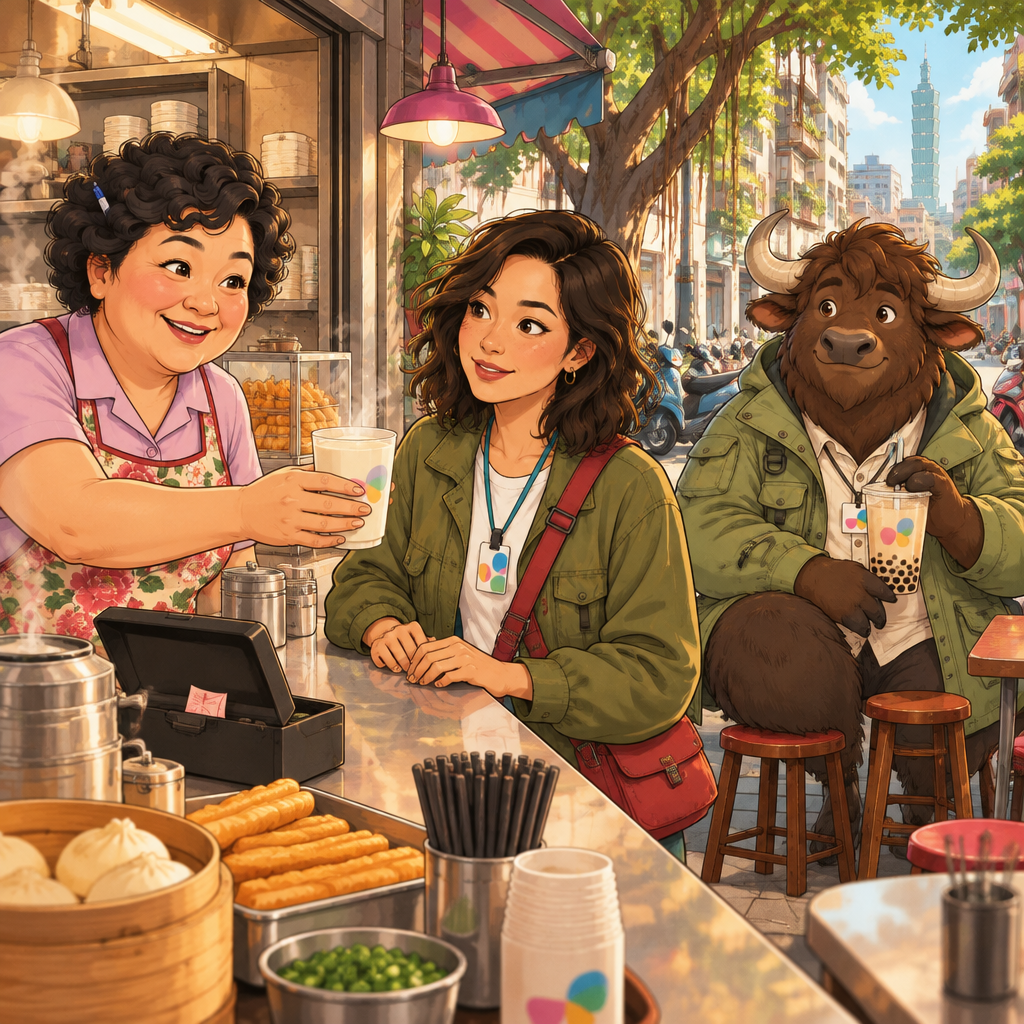
At Banyan Breakfast, Auntie Lin welcomes Maya and asks questions about soy milk. A-Li sits nearby with his usual drink, still unfinished.
Maya tries a few short questions at the counter. A-Li has one small request, and the fortune slip stays folded in the till.

Learn — ask it both ways
These six short questions help you check, ask about availability, offer something, and ask for permission.
Listen to each one, then say it out loud. Notice how 不 sounds in some questions.

是不是?
Is it or isn't it?
When to use it: Use this to check whether something is true.
Learn it as one piece.
Say it: 不 rises before the fourth-tone word 是.

對不對?
Right?
When to use it: Use this to check whether something is correct.
Learn it as one piece.
Say it: 不 rises before the fourth-tone word 對.

有沒有?
Do you have it?
When to use it: Use this to ask whether something is available.
Learn it as one piece.
要不要?
Do you want it?
When to use it: Use this to offer something or ask whether someone wants it.
Learn it as one piece.
Say it: 不 rises before the fourth-tone word 要.

好不好?
Okay?
When to use it: Use this to ask whether a suggestion is a good idea.
Learn it as one piece.
Say it: 不 keeps its falling tone before third-tone 好.

可不可以?
Is that all right?
When to use it: Use this to ask permission or check whether something is all right.
Learn it as one piece.
Say it: 不 keeps its falling tone before third-tone 可.
Story — the soy milk question
At Banyan Breakfast, Auntie Lin greets Maya and A-Li. Maya asks about soy milk, and Auntie Lin answers before offering her some.
Maya checks a few details, and A-Li makes one small request. His drink stays unfinished, and the fortune slip remains folded away.
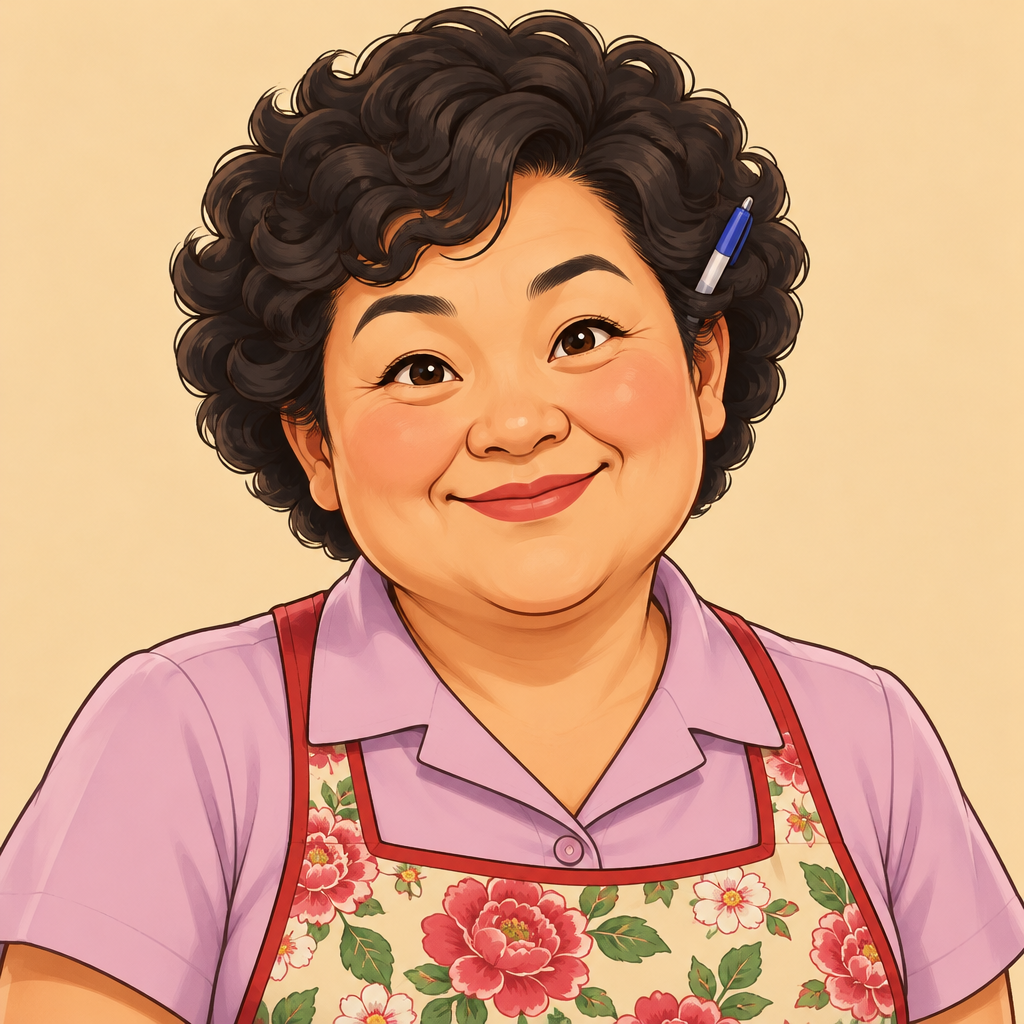 Auntie Lin早安,瑪雅!你好,阿犛!Good morning, Maya! Hello, A-Li!
 Maya豆漿有沒有?Do you have soy milk?
- Auntie Lin有喔。豆漿,要不要?We do. Would you like soy milk?
- Maya要,謝謝。Yes, please.
- Maya這是豆漿,是不是?This is soy milk, right?
- Auntie Lin對啊。That's right.
- Maya這樣對不對?Is this right?
- Auntie Lin對啊。That's right.
 A-Li我想要蛋餅,好不好?I'd like an egg pancake, okay?
- Auntie Lin好啊。Sure.
- Maya我坐這裡,可不可以?Can I sit here?
- Auntie Lin可以啊。Of course.
Practice — check and ask
Try nine quick exercises with questions you might hear or ask at a breakfast shop.
Choose the question that fits, build a line, and fill in a familiar question. Check each explanation before you move on.
0 of 9 done
What does it mean?
What does it mean?
是不是?
What do you say?
What do you say?
Auntie Lin followed your exact two-step preparation instructions. Check whether she did them correctly.
What do you say?
What do you say?
Ask the shopkeeper whether soy milk is available.
What did you hear?
What did you hear?
What do you say?
What do you say?
Auntie Lin suggests ordering the egg pancake. Ask whether that is a good idea.
Build the line
Build the line
Is that all right?
?
Tap the words in order.
Fill the gap
Fill the gap
Is that all right?
____?
What does it mean?
What does it mean?
早安
What does it mean?
What does it mean?
你好
Say it — your questions
You are Maya at Banyan Breakfast. Begin by asking whether the shop has soy milk, then check your drink and your order.
Listen to Auntie Lin's replies and use each English cue to ask the next short question. Speak clearly and finish by checking whether you may sit there.
- Maya is at the counter and wants to ask about soy milk.
- Maya (you)Ask whether the shop has soy milk.
Ask whether the shop has soy milk.
有沒有?
Do you have it?
0 of 4 said
Recap — what you can say now
| Traditional Chinese | English | Play |
|---|---|---|
| 是不是? | Is it or isn't it? | |
| 對不對? | Right? | |
| 有沒有? | Do you have it? | |
| 要不要? | Do you want it? | |
| 好不好? | Okay? | |
| 可不可以? | Is that all right? |
Save your progress — it’s free
Keep your place in the course and see which lines you’ve learned.
Want the next lesson in your inbox?
Get the next lesson by email, one a day.
Join the newsletterDaily lesson emails are coming soon. Newsletter subscribers get them first.
Keep practicing with Yak Cards
Practice these questions with Yak Cards and review useful everyday lines.
Review a few cards each day so these short questions come easily.
Open Yak Cards