
New here? This is lesson 9 of a free 240-lesson Traditional Chinese course.
Yes and no in Traditional Chinese
At Banyan Breakfast, Auntie Lin asks Maya if this is her first visit and whether she has a card. Maya answers with the key verb, not just yes or no.
A-Li hears a question about more soy milk and answers as if someone asked whether he has some. His unfinished drink stays beside him.
Practice saying right, not right, yes, no, and polite refusals in short everyday exchanges.
By the end of this lesson
Answer yes-or-no questions with a verb, confirm or correct a statement, and accept or decline an offer.
- 對Right.
- 不對Not right.
- 是Yes, it is.
- 不是No, it isn't.
- 有Yes, I do.
- 沒有No, I don't.
- 好Okay.
- 不用了,謝謝No, thanks.
Scene — a card at breakfast
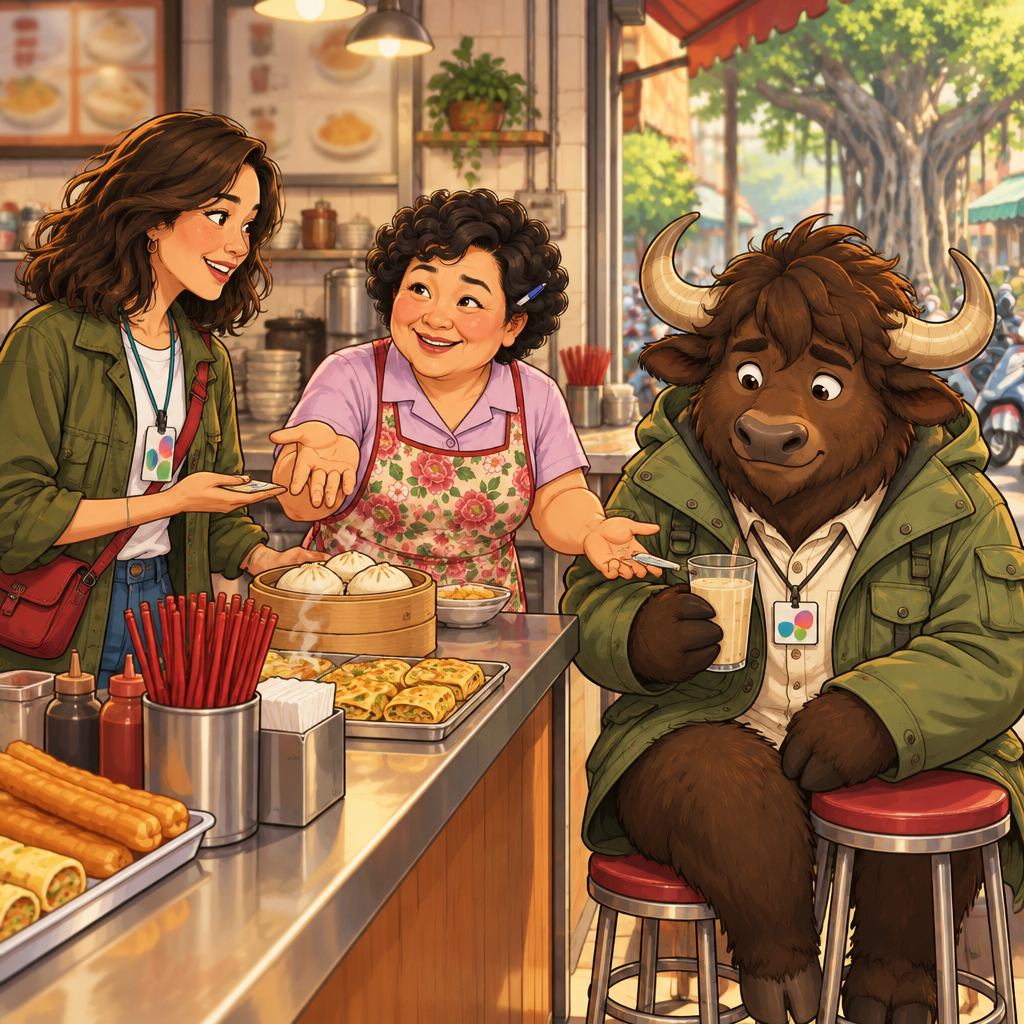
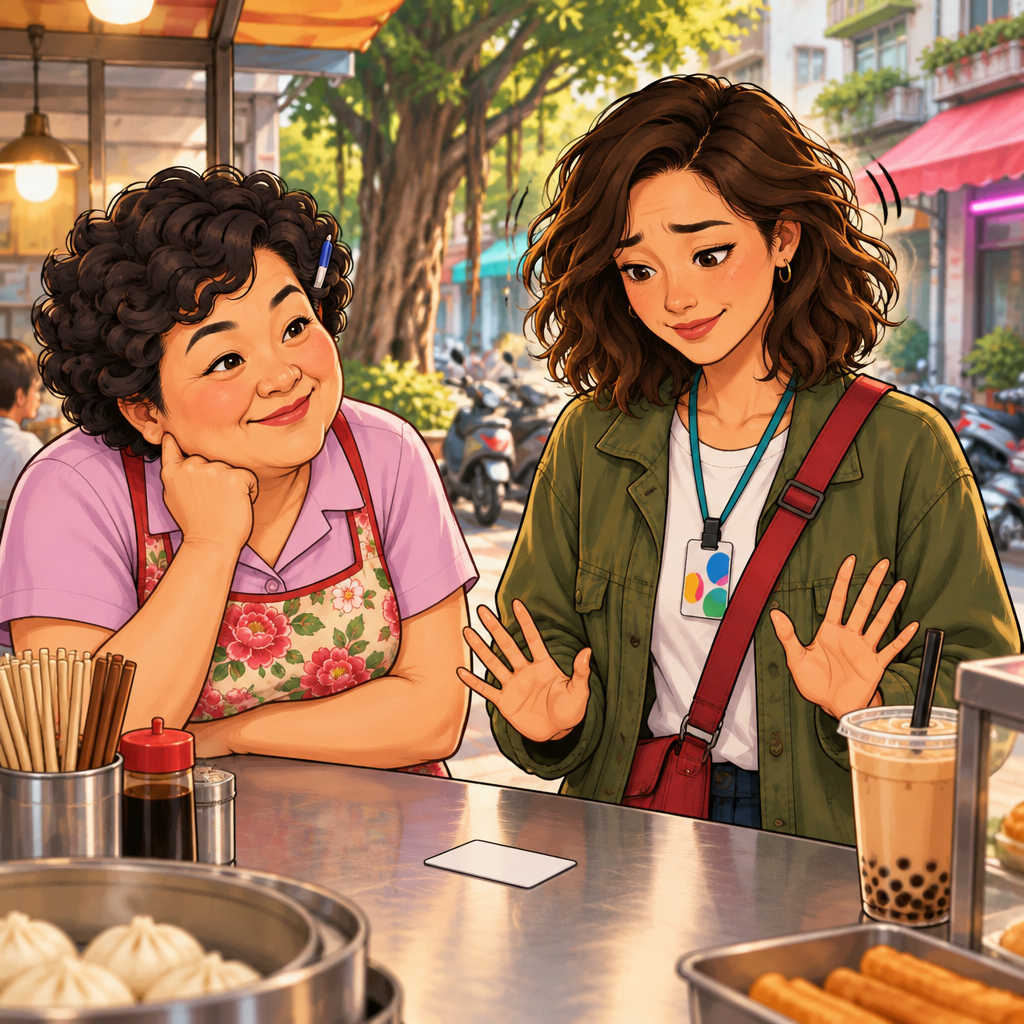
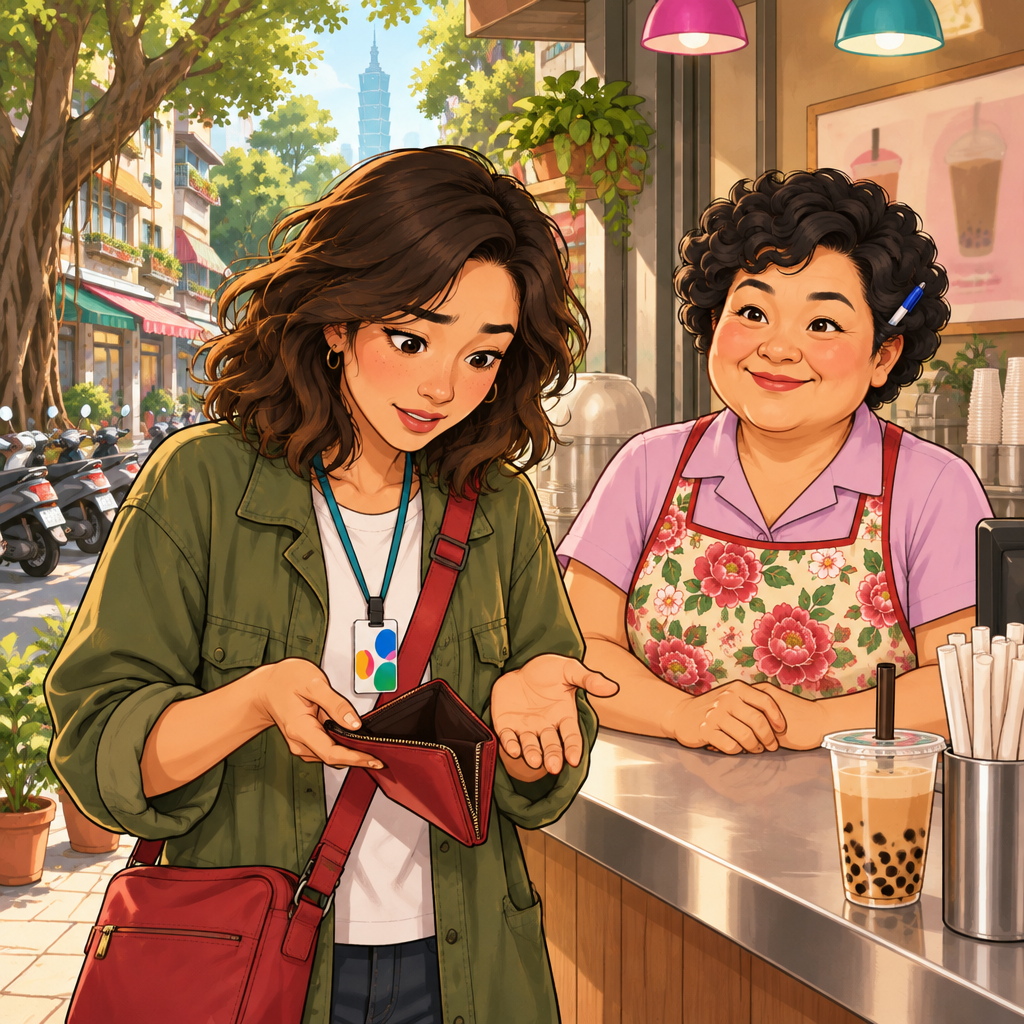
At the counter of Banyan Breakfast, Auntie Lin asks Maya if she is visiting for the first time and whether she has a membership card.
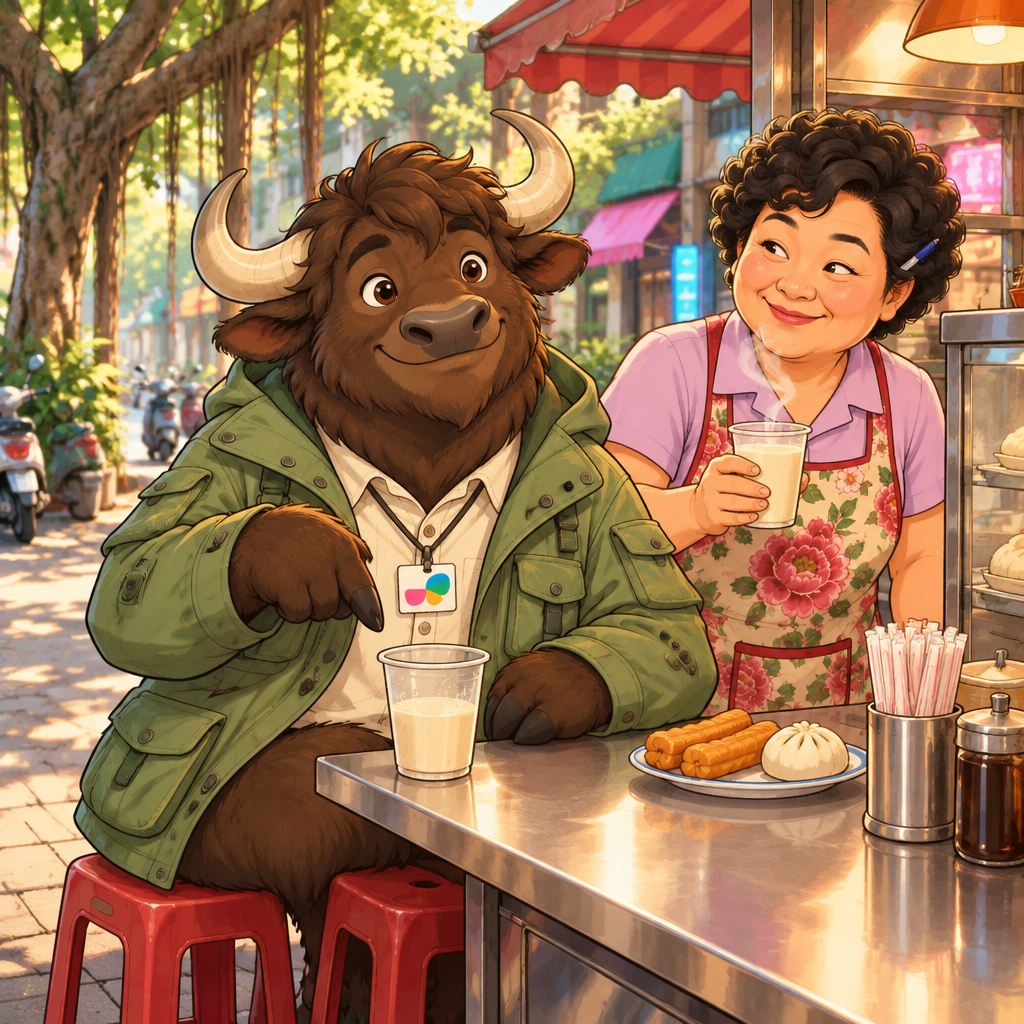
A-Li sits nearby with his soy milk. Auntie Lin asks if he wants more; he answers as if she asked whether he has some. His drink remains unfinished.
Learn — answers with a verb
These short answers let you confirm something, correct someone, accept an offer, or say you do not have something.
Listen to each line and learn it as one piece. The answer uses a verb instead of only yes or no.
對
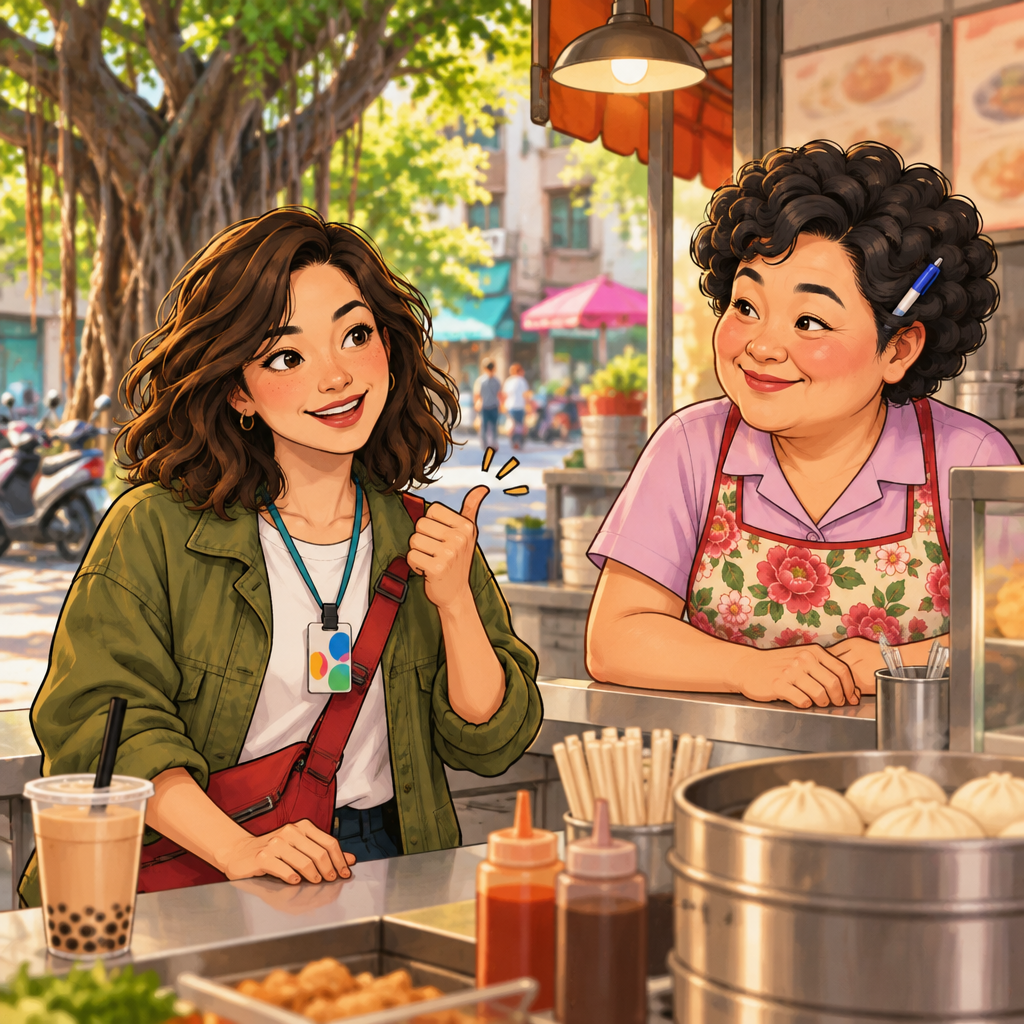
Right.
When to use it: Use this to confirm that something is correct.
Learn it as one piece.
不對
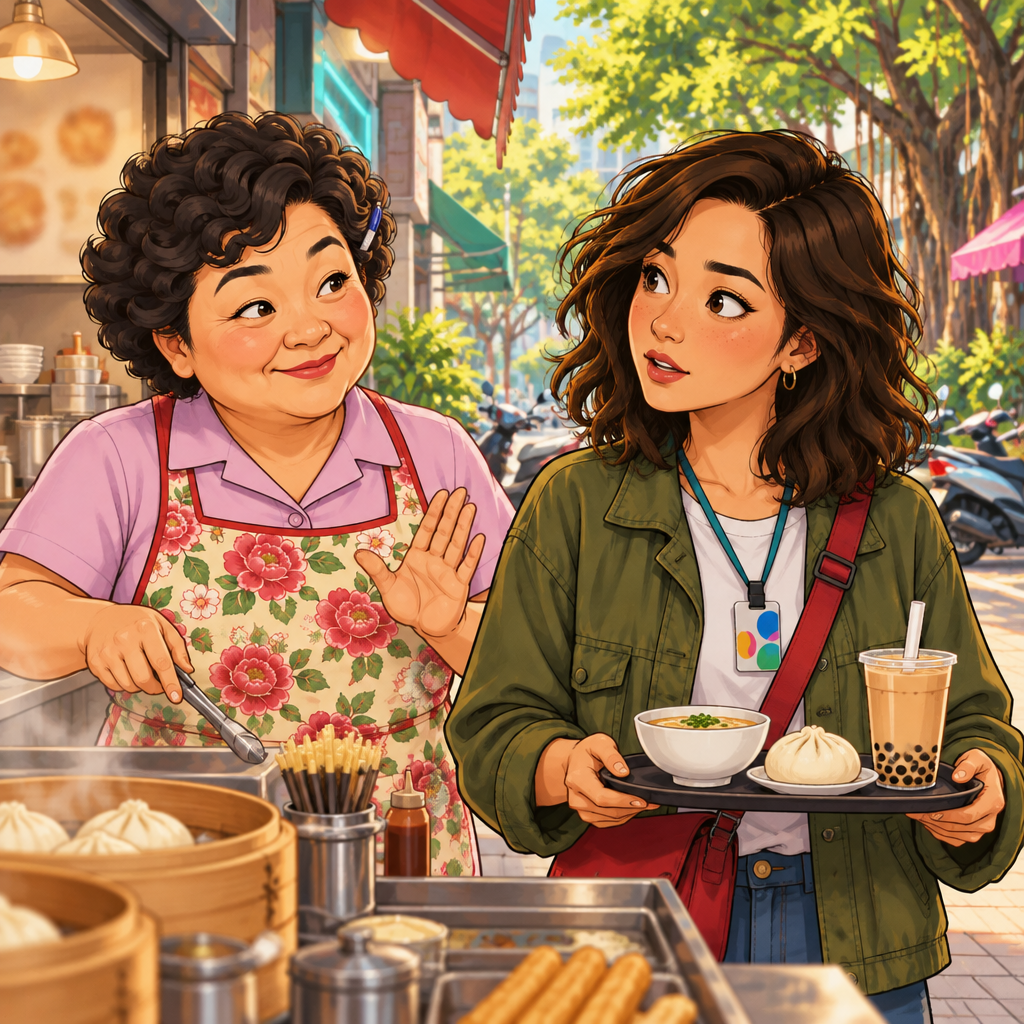
Not right.
When to use it: Use this to correct something that is not right.
Learn it as one piece.
Say it: 不 changes to a rising tone before a fourth-tone word.
是
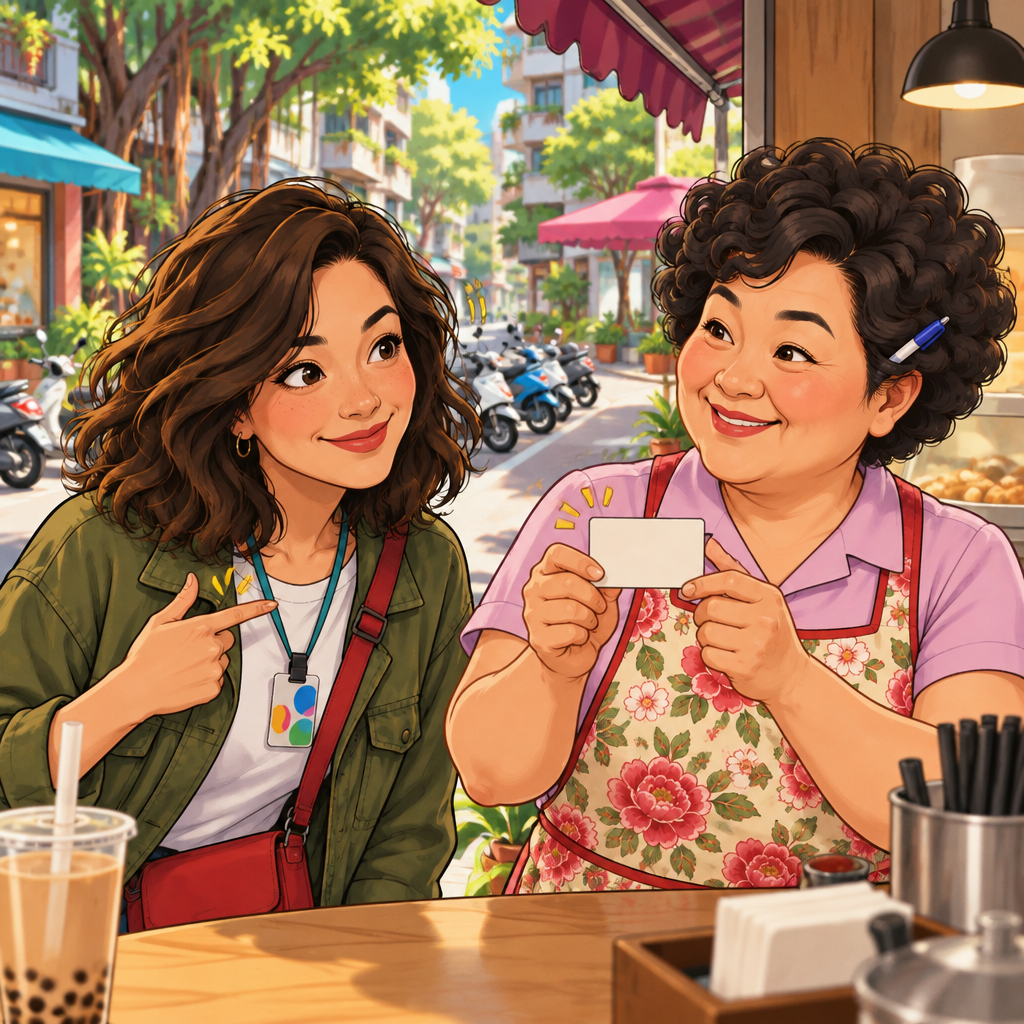
Yes, it is.
When to use it: Answer yes when someone asks if something is true.
Learn it as one piece.
不是
No, it isn't.
When to use it: Answer no when someone asks if something is true.
Learn it as one piece.
Say it: 不 changes to a rising tone before a fourth-tone word.
有
Yes, I do.
When to use it: Say this when you have something someone asks about.
Learn it as one piece.
沒有
No, I don't.
When to use it: Say this when you do not have something someone asks about.
Learn it as one piece.

好
Okay.
When to use it: Use this to accept an offer or agree to a suggestion.
Learn it as one piece.
不用了,謝謝
No, thanks.
When to use it: Use this to politely decline something you are offered.
Learn it as one piece.
Say it: 不 changes to a rising tone before the fourth-tone word 用.
Story — a question for A-Li
Auntie Lin asks Maya about her first visit and a membership card at the breakfast shop.
Then she asks A-Li about more soy milk. He answers the question he seems to have heard, while his first drink stays unfinished.
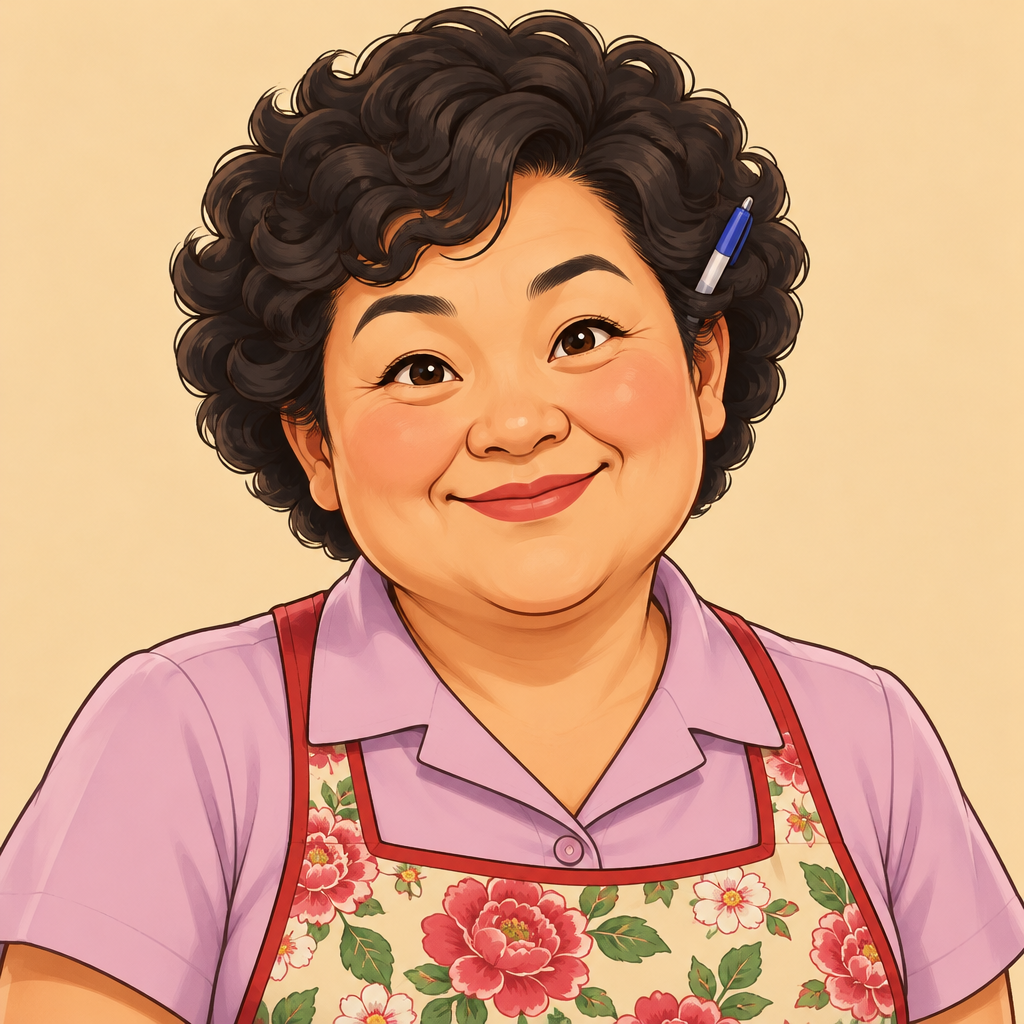 Auntie Lin美女,早安!第一次來嗎?Good morning, beautiful! First time here?
 Maya是。Yes, it is.
- Auntie Lin你有會員卡嗎?Do you have a membership card?
- Maya沒有。No, I don't.
- Auntie Lin這張卡是你的嗎?Is this card yours?
- Maya不是,不對。No, it isn't. That's not right.
- Auntie Lin對,是阿犛的。Right, it's A-Li's.
- Auntie Lin阿犛,你還要豆漿嗎?A-Li, would you like more soy milk?
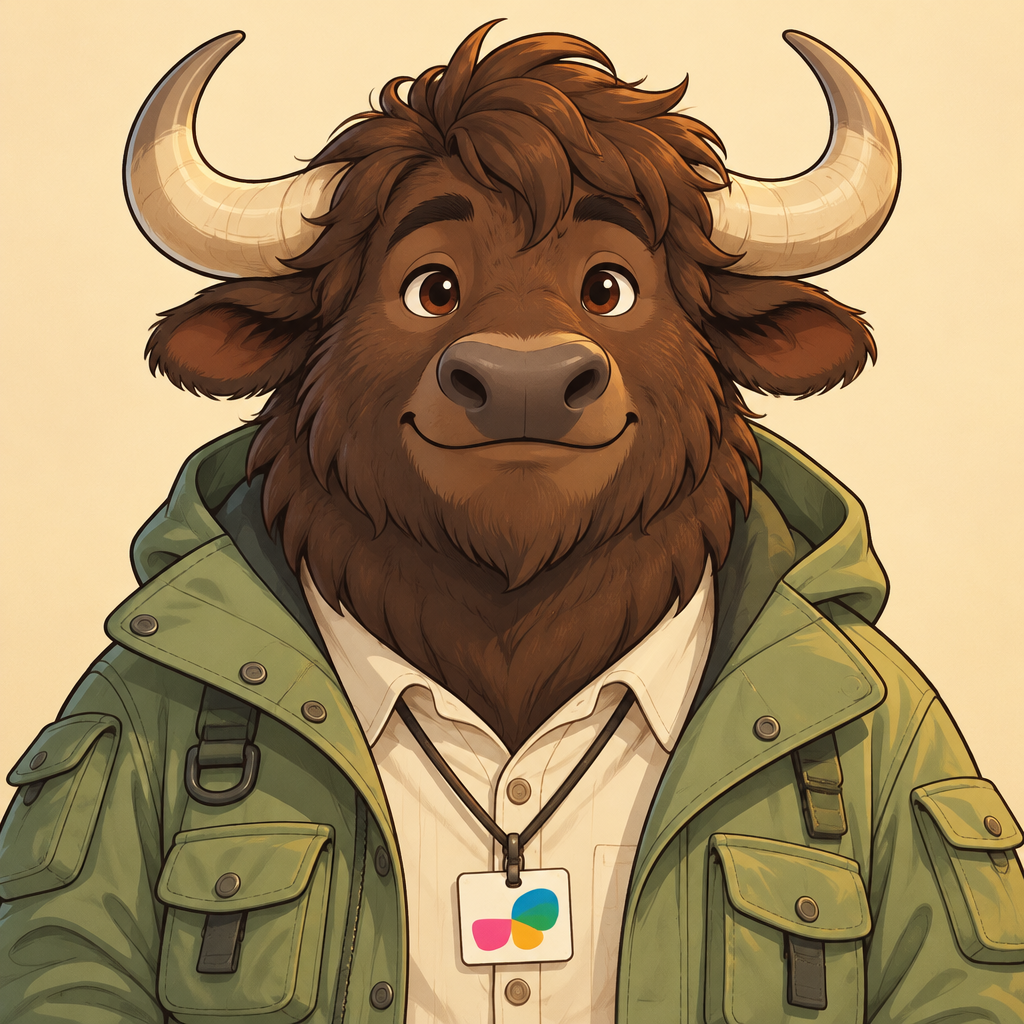 A-Li有。I have some.
- Auntie Lin瑪雅,要一杯嗎?Maya, would you like a cup?
- Maya不用了,謝謝。No, thanks.
- Auntie Lin好。Okay.
Practice — answer the question
Try ten quick exercises with questions about first visits, cards, and drinks. Listen carefully, choose a fitting answer, and fill in a polite refusal.
Some answers sound similar in English, so notice what the question is asking about.
0 of 10 done
What does it mean?
What does it mean?
早安
What do you say?
What do you say?
Auntie Lin checks the order number and says it is right; confirm.
What do you say?
What do you say?
Auntie Lin says a card belongs to you, but it belongs to A-Li; correct her.
Pick the reply
Auntie Lin says:
Pick the reply
你是第一次來嗎?
Is this your first time here?
And you reply with:
What do you say?
What do you say?
Auntie Lin asks whether the card is yours. Say that it is not.
Fill the gap
Fill the gap
No, thanks.
不用了,____
Pick the reply
Auntie Lin says:
Pick the reply
你有會員卡嗎?
Do you have a membership card?
And you reply with:
What did you hear?
What did you hear?
What do you say?
What do you say?
Auntie Lin offers you a drink, and you accept.
What does it mean?
What does it mean?
謝謝
Say it — your answers
Play Maya at the breakfast-shop counter. Listen to Auntie Lin's question, then answer with the verb that fits.
You will answer about your first visit, a card, and a cup. Finish by politely declining her offer.
- Auntie Lin你是第一次來嗎?Is this your first time here?
- Maya (you)Say yes, this is your first visit.
Say yes, this is your first visit.
是
Yes, it is.
0 of 3 said
Recap — what you can say now
| Traditional Chinese | English | Play |
|---|---|---|
| 對 | Right. | |
| 不對 | Not right. | |
| 是 | Yes, it is. | |
| 不是 | No, it isn't. | |
| 有 | Yes, I do. | |
| 沒有 | No, I don't. | |
| 好 | Okay. | |
| 不用了,謝謝 | No, thanks. |
Save your progress — it’s free
Keep your place in the course and see which lines you’ve learned.
Want the next lesson in your inbox?
Get the next lesson by email, one a day.
Join the newsletterDaily lesson emails are coming soon. Newsletter subscribers get them first.
Keep practicing with Yak Cards
Practice these short answers with Yak Cards.
Review the answers aloud so you can choose the right one quickly.
Open Yak Cards