
New here? This is lesson 85 of a free 240-lesson Traditional Chinese course.
Excuse me, may I? in Traditional Chinese
At Banyan Breakfast, the line stretches past the counter. A-Li is so wide that he takes up two places without noticing, while Maya waits to order.
Learn to interrupt gently, offer someone the first turn, check whether it is yours, and say where you will queue.
Then ask if a request would be too much trouble. These phrases keep a crowded morning friendly.
By the end of this lesson
Interrupt politely, let someone go first, ask if it is your turn, and say where you will queue.
- 不好意思打擾一下Sorry to interrupt.
- 我插個話Let me jump in.
- 你先說You first.
- 輪到我了嗎?Is it my turn?
- 我先排你後面I'll queue behind you.
- 會不會太麻煩?Would that be too much trouble?
Scene — a long breakfast line
The breakfast line at Banyan Breakfast is unusually long. Maya waits behind A-Li, who is taking up two places without realizing it.
Auntie Lin is busy at the counter, so Maya needs a polite way to ask a question and take her turn.

Learn — interrupt and take turns
These six lines help you get someone's attention, let another person go first, and find your place in a queue.
Listen for the polite wording, then try each line aloud.

不好意思打擾一下
Sorry to interrupt.
When to use it: Use this to politely get someone's attention before interrupting.
不好意思 softens the interruption, while 打擾一下 makes it sound brief and polite.
Say it: In 不好意思, 不 stays in its fourth tone before 好.

我插個話
Let me jump in.
When to use it: Use this to briefly join a conversation that is already happening.
個 is a casual measure word here, making 話 sound like one comment.
Say it: 個 often has a light, neutral tone in this casual phrase.

你先說
You first.
When to use it: Use this to offer someone else the chance to speak first.
先 marks who goes first; this short line hands the other person the turn.

輪到我了嗎?
Is it my turn?
When to use it: Ask this when you are waiting and want to check whether you can go next.
了 marks the turn as having arrived, and 嗎 makes this a yes-or-no question.
Say it: 了 is neutral here, so say it lightly.

我先排你後面
I'll queue behind you.
When to use it: Use this to say you will wait in line behind the person you are speaking to.
後面 tells the person where you will stand in relation to them.

會不會太麻煩?
Would that be too much trouble?
When to use it: Ask this when you want to check whether a favor would inconvenience someone.
會不會 asks whether something might happen; 太麻煩 softens the concern.
Say it: 不 changes to a rising tone before the fourth-tone 會.
Story — making room in line
Listen to Maya handle the long line at Banyan Breakfast. Auntie Lin is busy, and A-Li does not notice that he is taking up two places.
Maya stays polite while everyone works out whose turn is next.
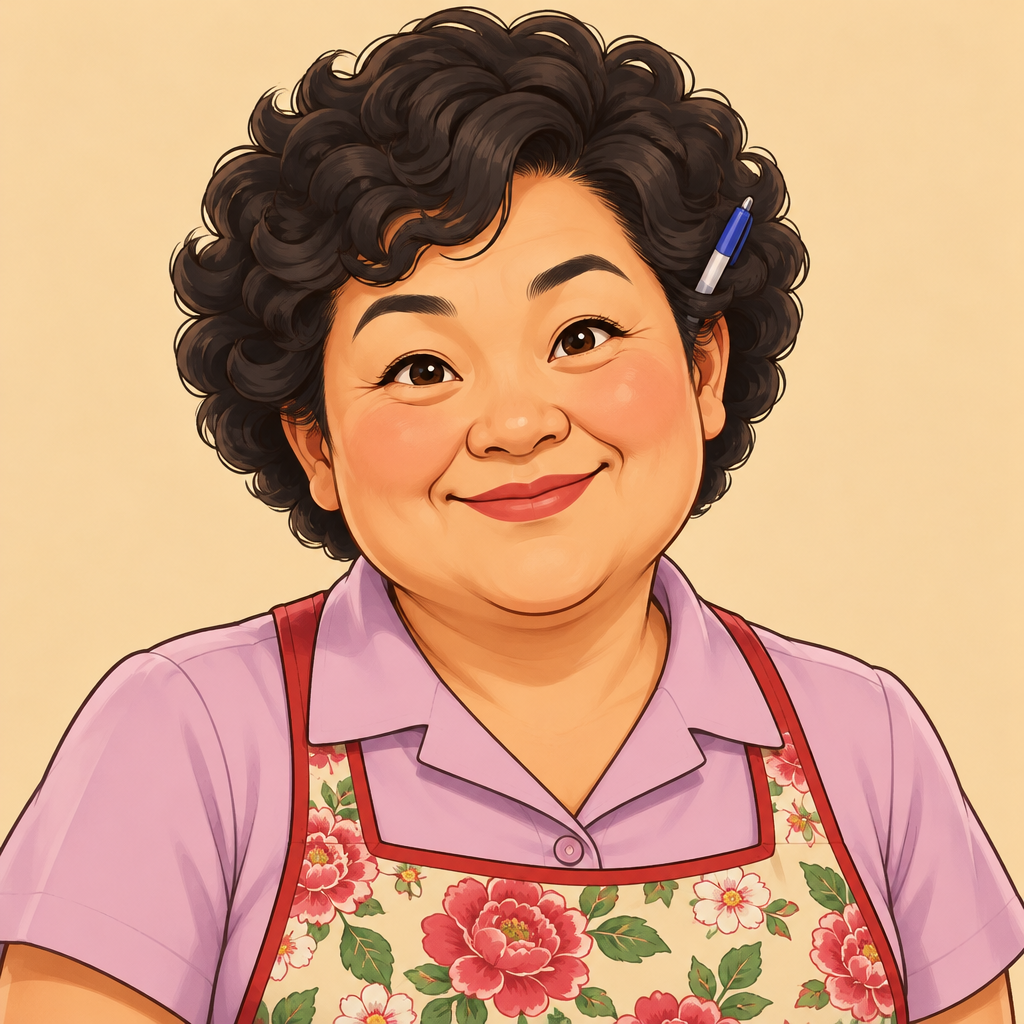 Auntie Lin今天早餐店人好多,大家慢慢排喔。The breakfast shop is packed today; everyone, take your time in line.
 Maya不好意思打擾一下,阿姨。Sorry to interrupt, Auntie.
- Auntie Lin好喔,美女,你先問。Sure, beautiful, go ahead and ask.
- Maya我插個話,請問現在輪到我了嗎?Let me jump in: excuse me, is it my turn now?
- Auntie Lin前面還有一位,快好了喔。There is one person ahead of you; it will be soon.
 A-Li我有件事想跟阿姨說。I have something I want to tell Auntie.
- Maya你先說。You first.
- Maya我先排你後面。I'll queue behind you.
- A-Li欸,我站太開了,抱歉喔。Oh, I was standing too wide. Sorry.
- Auntie Lin要不要我幫你們看一下位置?Would you like me to keep an eye on your places?
- Maya會不會太麻煩?Would that be too much trouble?
- Auntie Lin不會啦,慢慢排就好。Not at all; just take your time in line.
- Maya借過一下,謝謝。Excuse me, let me pass. Thanks.
- A-Li好喔,豆漿還沒喝完。Sure; I still haven't finished my soy milk.
Practice — take your turn politely
Try eleven short exercises about interrupting, lining up, and giving someone else the first turn.
Choose the line that fits the moment, and notice how a polite question can keep things friendly.
0 of 11 done
What does it mean?
What does it mean?
不好意思打擾一下
What do you say?
What do you say?
Two people are talking, and you need to join in briefly. What do you say?
Build the line
Build the line
You first.
Tap the words in order.
Fill the gap
Fill the gap
Is it my turn?
輪到____了嗎?
Pick the reply
Auntie Lin says:
Pick the reply
要不要我幫你們看一下位置?
Would you like me to keep an eye on your places?
And you reply with:
Match the pairs
Traditional Chinese
我先排你後面Drop the English here會不會太麻煩?Drop the English here不好意思Drop the English here謝謝Drop the English hereEnglish
What did you hear?
What did you hear?
What do you say?
What do you say?
You need Auntie Lin's attention before asking her a question. Get her attention politely.
What does it mean?
What does it mean?
借過一下
What do you say?
What do you say?
Auntie Lin helps you keep your place in line. Thank her.
What do you say?
What do you say?
A-Li is standing ahead of you, and you want to tell him where you will wait. What do you say?
Say it — your place in line
You are Maya at Banyan Breakfast. Listen to each cue, then say your line as you wait in the crowded queue.
Take your time and speak politely. You can replay the other person's line before your turn.
- Maya joins the long breakfast line.
- Auntie Lin今天人很多喔。There are a lot of people today.
- Maya (you)Get Auntie Lin's attention politely.
Get Auntie Lin's attention politely.
不好意思打擾一下
Sorry to interrupt.
0 of 4 said
Recap — what you can say now
| Traditional Chinese | English | Play |
|---|---|---|
| 不好意思打擾一下 | Sorry to interrupt. | |
| 我插個話 | Let me jump in. | |
| 你先說 | You first. | |
| 輪到我了嗎? | Is it my turn? | |
| 我先排你後面 | I'll queue behind you. | |
| 會不會太麻煩? | Would that be too much trouble? |
Save your progress — it’s free
Keep your place in the course and see which lines you’ve learned.
Want the next lesson in your inbox?
Get the next lesson by email, one a day.
Join the newsletterDaily lesson emails are coming soon. Newsletter subscribers get them first.
Keep practicing with Yak Cards
Today's polite lines are in Yak Cards with more useful phrases for everyday conversations.
Review a few cards each day so polite phrases come easily when you need them.
Open Yak Cards