
New here? This is lesson 12 of a free 240-lesson Traditional Chinese course.
Slower, please in Traditional Chinese
The handwritten menu at Banyan Breakfast moves faster than Maya can read it. Auntie Lin names a dish, but Maya needs another try before she can copy it into her notebook.
Learn to ask someone to repeat, speak more slowly, say a word, or read a character. You can also ask them to write something and check what you copied.
By the end of this lesson
Ask someone to repeat or slow down, ask about an unfamiliar word, and check what you copied.
- 請再說一次Please say it again.
- 可以說慢一點嗎?Can you speak more slowly?
- ___怎麼說?How do you say ___?
- 這個字怎麼念?How do you read this character?
- 可以寫給我看嗎?Can you write it for me?
- 這樣對嗎?Is this right?
Scene — a handwritten breakfast menu
At Banyan Breakfast, Maya points to a dish on the handwritten menu. Auntie Lin knows the menu by heart and says its name before Maya can make out the characters.
Maya has brought a small notebook. This time, she wants to leave with the name of her breakfast written clearly.

Learn — ask for help with a word
These six lines help you keep a conversation going when a word passes too quickly. Listen first, then try each request aloud.
You do not need to understand the whole menu to ask for help.

請再說一次
Please say it again.
When to use it: Use this when you missed what someone said.
Learn this polite request as one piece.

可以說慢一點嗎?
Can you speak more slowly?
When to use it: Ask this when repeating the words at the same speed would not help.
Learn this request as one piece.

___怎麼說?
How do you say ___?
When to use it: Use this when you know what you mean but need the Chinese word.
Learn the question as one piece, then add what you are asking about.

這個字怎麼念?
How do you read this character?
When to use it: Point to a written character you cannot read and ask this.
Learn this question as one piece.

可以寫給我看嗎?
Can you write it for me?
When to use it: Ask this when seeing the written words would help you remember them.
Learn this request as one piece.

這樣對嗎?
Is this right?
When to use it: Show someone what you wrote and ask them to check it.
Learn this short check as one piece.
Story — Maya copies the order
Maya points at the menu, and Auntie Lin tells her the name of a dish. One more try is not quite enough.
Listen as Maya gets the words clear, then copies them into her notebook.
 Maya這個怎麼說?How do you say this?
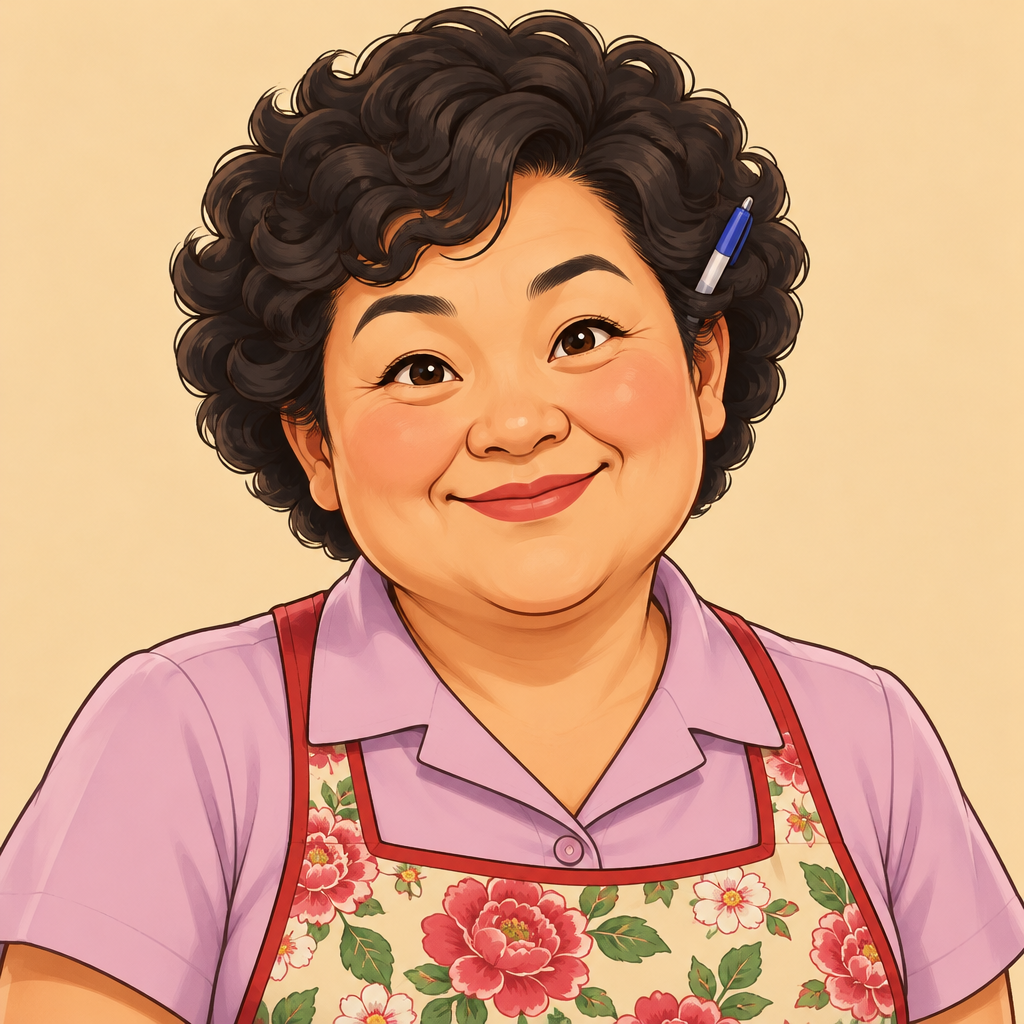 Auntie Lin蘿蔔糕。Radish cake.
- Maya我聽不懂,請再說一次。I don't understand. Please say it again.
- Auntie Lin蘿蔔糕。Radish cake.
- Maya可以說慢一點嗎?Can you speak more slowly?
- Auntie Lin好喔,蘿蔔糕。Sure. Radish cake.
- Maya這個字怎麼念?How do you read this character?
- Auntie Lin糕。Cake.
- Maya可以寫給我看嗎?Can you write it for me?
- Auntie Lin好喔,我寫給你看。Sure, I'll write it for you.
- Maya我抄好了,這樣對嗎?I've copied it. Is this right?
- Auntie Lin對,這樣對。Yes, that's right.
Practice — get the words clear
Choose the request that solves each problem: a word you missed, a character you cannot read, or something you want written down.
Look at the English meaning when filling a gap.
0 of 10 done
What does it mean?
What does it mean?
請再說一次
Fill the gap
Fill the gap
Can you speak more slowly?
可以說____一點嗎?
What do you say?
What do you say?
You mean “radish cake” but do not know its Chinese name. Ask how to say it in Chinese.
Fill the gap
Fill the gap
How do you read this character?
這個字怎麼____?
What do you say?
What do you say?
You heard the dish's name, but want Auntie Lin to put it on paper.
What do you say?
What do you say?
You have copied the name and are showing it to Auntie Lin. Ask her if your copy is right.
What did you hear?
What did you hear?
What do you say?
What do you say?
Auntie Lin has spoken. Say only that you did not understand; do not ask her to repeat or slow down.
Match the pairs
Traditional Chinese
___怎麼說?Drop the English here這個字怎麼念?Drop the English here可以寫給我看嗎?Drop the English here這樣對嗎?Drop the English hereEnglish
What do you say?
What do you say?
Auntie Lin has written the dish's name for you. Thank her.
Say it — ask Auntie Lin for help
Play Maya at the breakfast counter. Auntie Lin is ready to help, but you need to tell her what would make the menu clearer.
Speak after each English cue, then listen to her reply.
- Auntie Lin美女,蘿蔔糕喔。Radish cake, beautiful.
- Maya (you)You missed the dish's name. Ask her to repeat it.
You missed the dish's name. Ask her to repeat it.
請再說一次
Please say it again.
0 of 5 said
Recap — what you can say now
| Traditional Chinese | English | Play |
|---|---|---|
| 請再說一次 | Please say it again. | |
| 可以說慢一點嗎? | Can you speak more slowly? | |
| ___怎麼說? | How do you say ___? | |
| 這個字怎麼念? | How do you read this character? | |
| 可以寫給我看嗎? | Can you write it for me? | |
| 這樣對嗎? | Is this right? |
Save your progress — it’s free
Keep your place in the course and see which lines you’ve learned.
Want the next lesson in your inbox?
Get the next lesson by email, one a day.
Join the newsletterDaily lesson emails are coming soon. Newsletter subscribers get them first.
Keep practicing with Yak Cards
Keep these helpful requests in Yak Cards for the next time a word goes by too quickly.
Review a few cards before your next conversation.
Open Yak Cards