
New here? This is lesson 172 of a free 240-lesson Traditional Chinese course.
How it turned out in Traditional Chinese
Months into Taipei life, you stand behind the counter at Banyan Breakfast and look back on your first morning.
Auntie Lin still calls you 美女, and A-Li's soy milk is still unfinished.
Learn how to say what really happened, what you missed at the time, and how a plan changed.
You will also say you were nervous at first, then things went smoothly.
These lines help you tell a story in hindsight, without solving A-Li's old slip.
By the end of this lesson
Say how things turned out, what you missed at the time, and how you felt looking back.
- 結果其實是___It turned out to be ___.
- 當時我沒發現___At the time I didn't realise ___.
- 我們本來要___,結果___We were going to ___, but ___.
- 回頭看,我覺得___Looking back, I think ___.
- 一開始我有點緊張At first I was a bit nervous.
- 後來事情就順利了After that, things went smoothly.
Scene — behind the counter
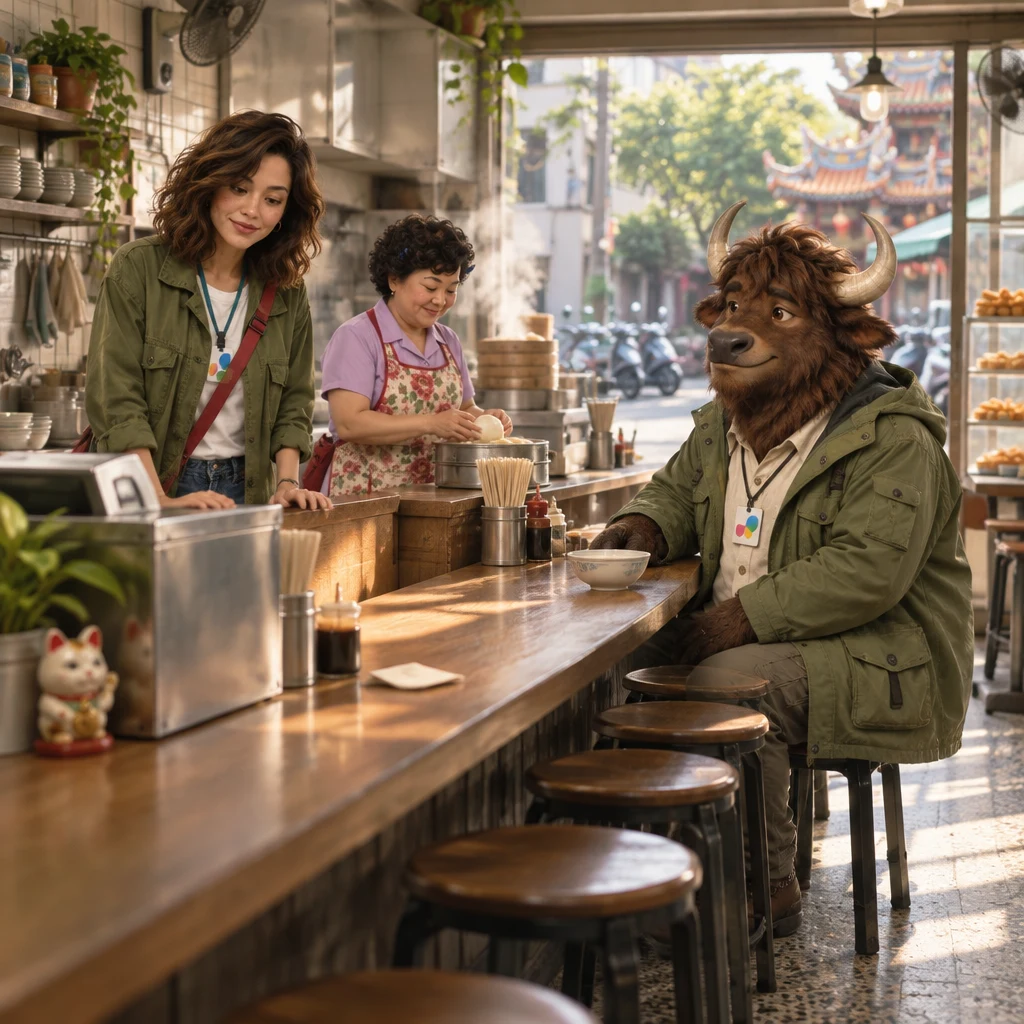
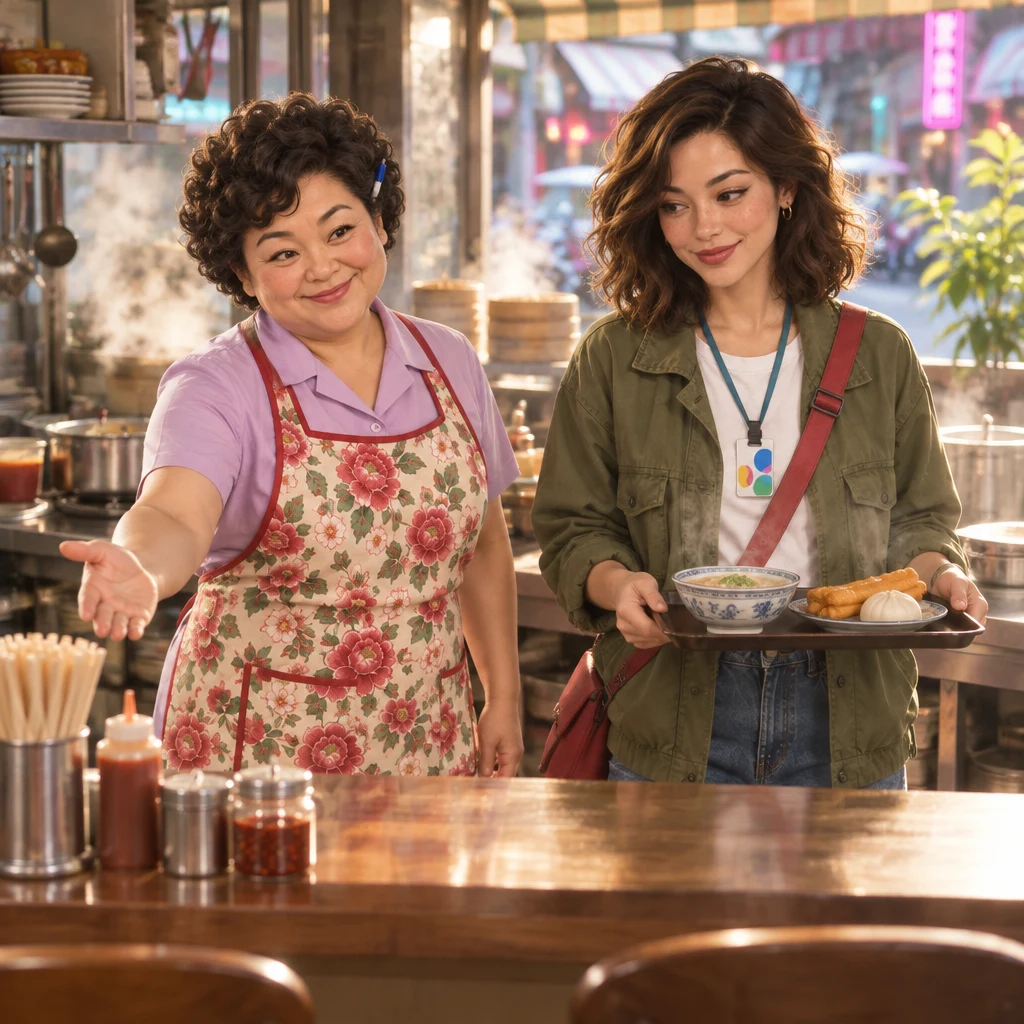
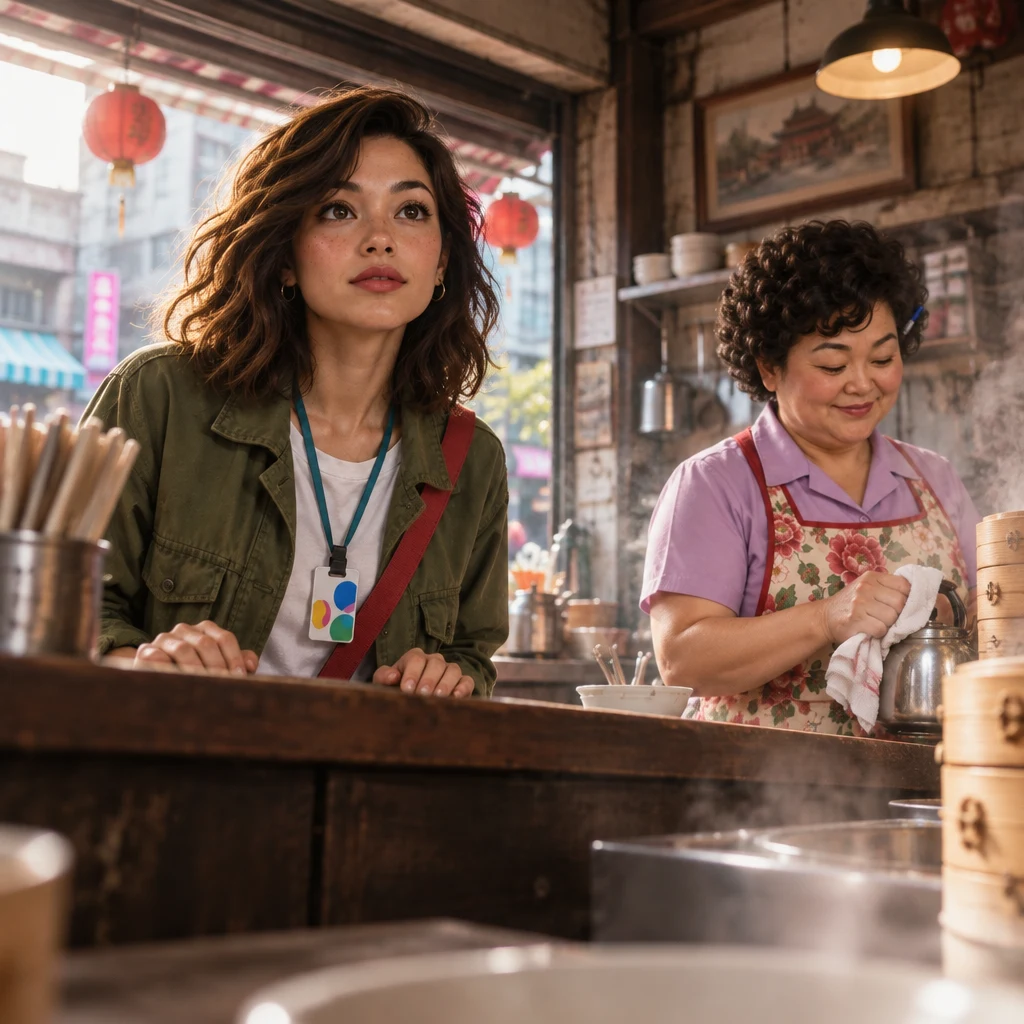
Late morning at Banyan Breakfast. The rush is over, and Maya stands on Auntie Lin's side of the counter for the first time, looking back on her first day in Taipei.
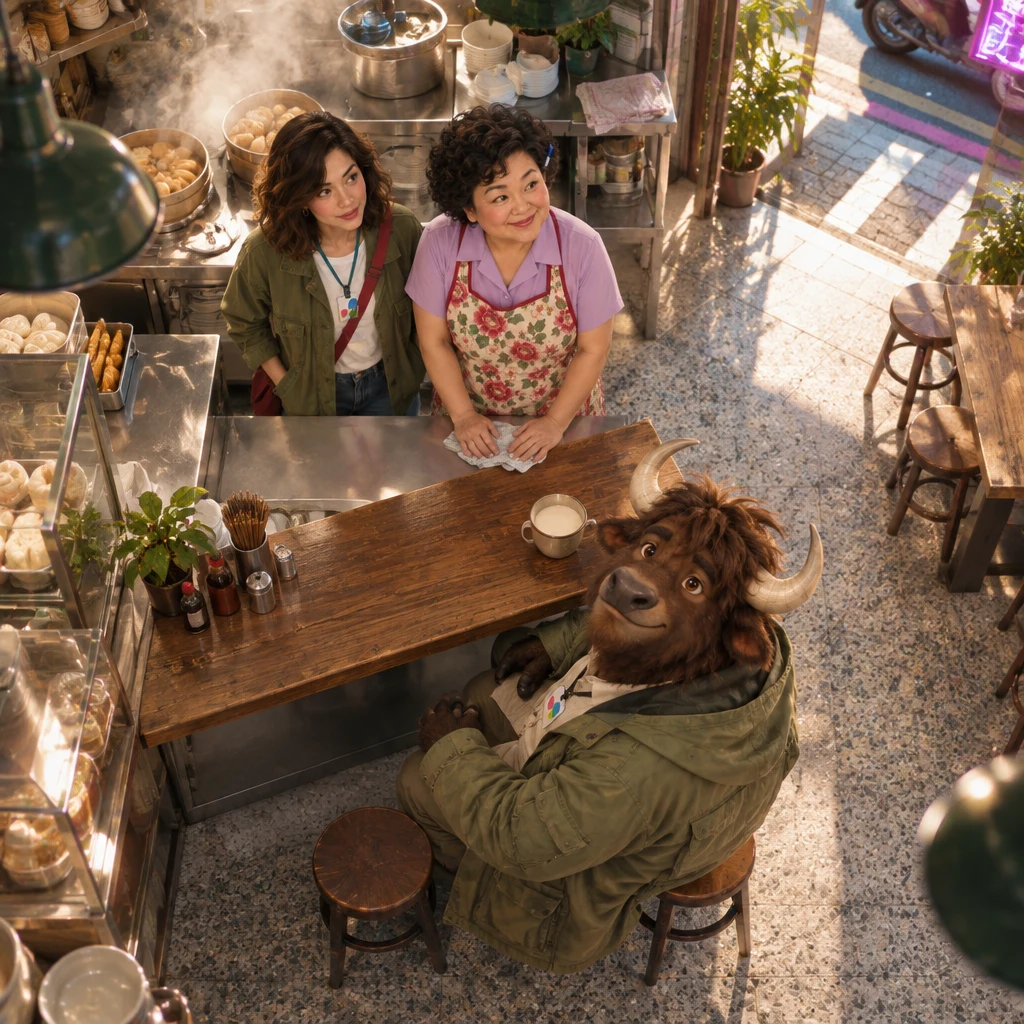
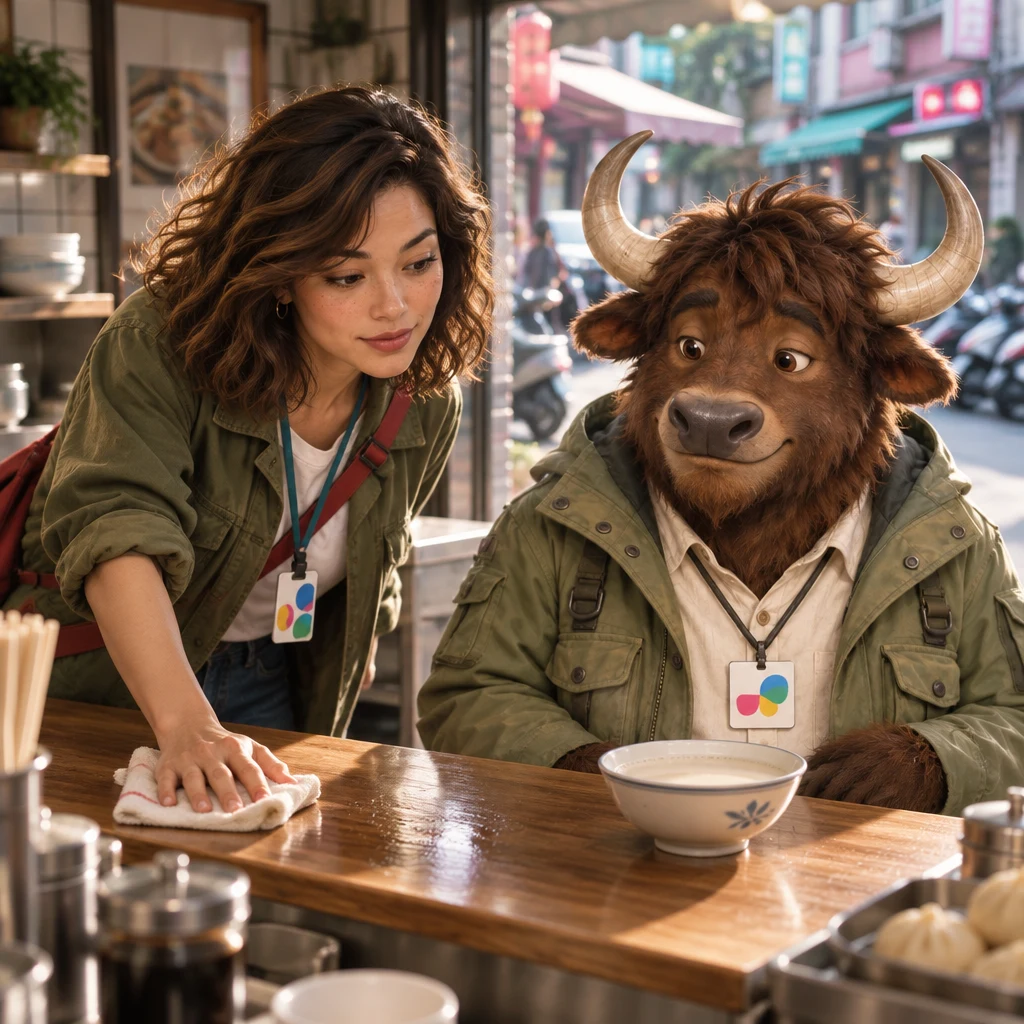
A-Li sits on two stools with his soy milk still waiting. Nobody is about to explain the slip in the till.
Learn — how it turned out
These six lines help you look back on how something went. Listen to each line, then say it out loud.
Notice how 本來 sets up a plan, and 結果 tells you what happened instead.
結果其實是___
It turned out to be ___.
When to use it: Use this when the real outcome was not what it first seemed.
結果 names the ending. 其實 adds that the truth was hidden at first.
當時我沒發現___
At the time I didn't realise ___.
When to use it: Use this when you missed a fact in the moment.
當時 plants you in that past moment. 沒 means it did not happen, not that you refuse.
我們本來要___,結果___
We were going to ___, but ___.
When to use it: Use this to set a plan against what actually happened.
本來 is the original plan. 結果 introduces the ending that replaced it.

回頭看,我覺得___
Looking back, I think ___.
When to use it: Use this to give an opinion after some time has passed.
回頭看 means you are judging it now, not while it was happening.
一開始我有點緊張
At first I was a bit nervous.
When to use it: Use this when the start of something made you uneasy.
有點 before an adjective means a little, not a strong feeling.
Say it: The tone of 一 falls before the first tone in 開始.
後來事情就順利了
After that, things went smoothly.
When to use it: Use this when things went well after a difficult start.
後來 moves the story on. 了 shows the smooth state has arrived.
Story — a first day, later
Listen as Maya, now behind the counter, looks back on her first morning with Auntie Lin and A-Li.
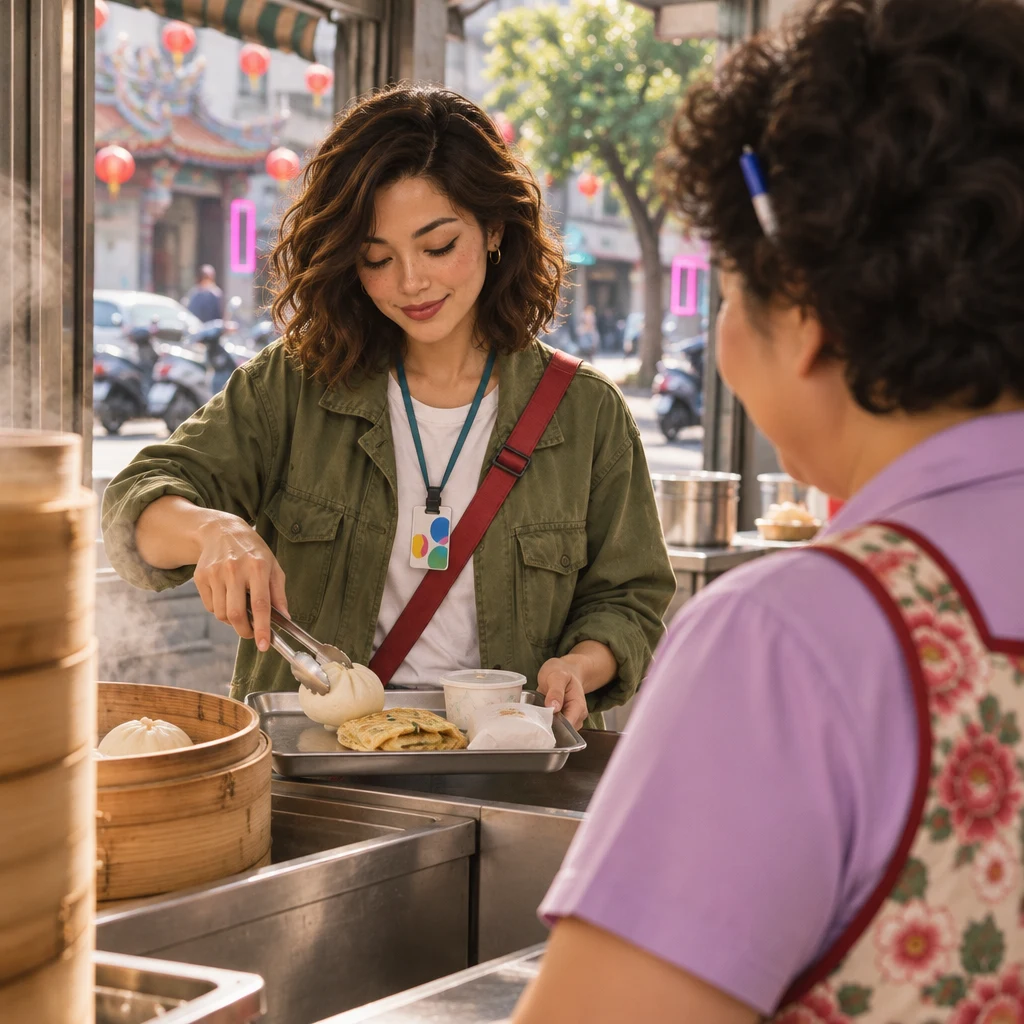
She was nervous then. Later, things went smoothly, and A-Li's soy milk is still unfinished.
- After the morning rush, Maya stands behind the counter with Auntie Lin.
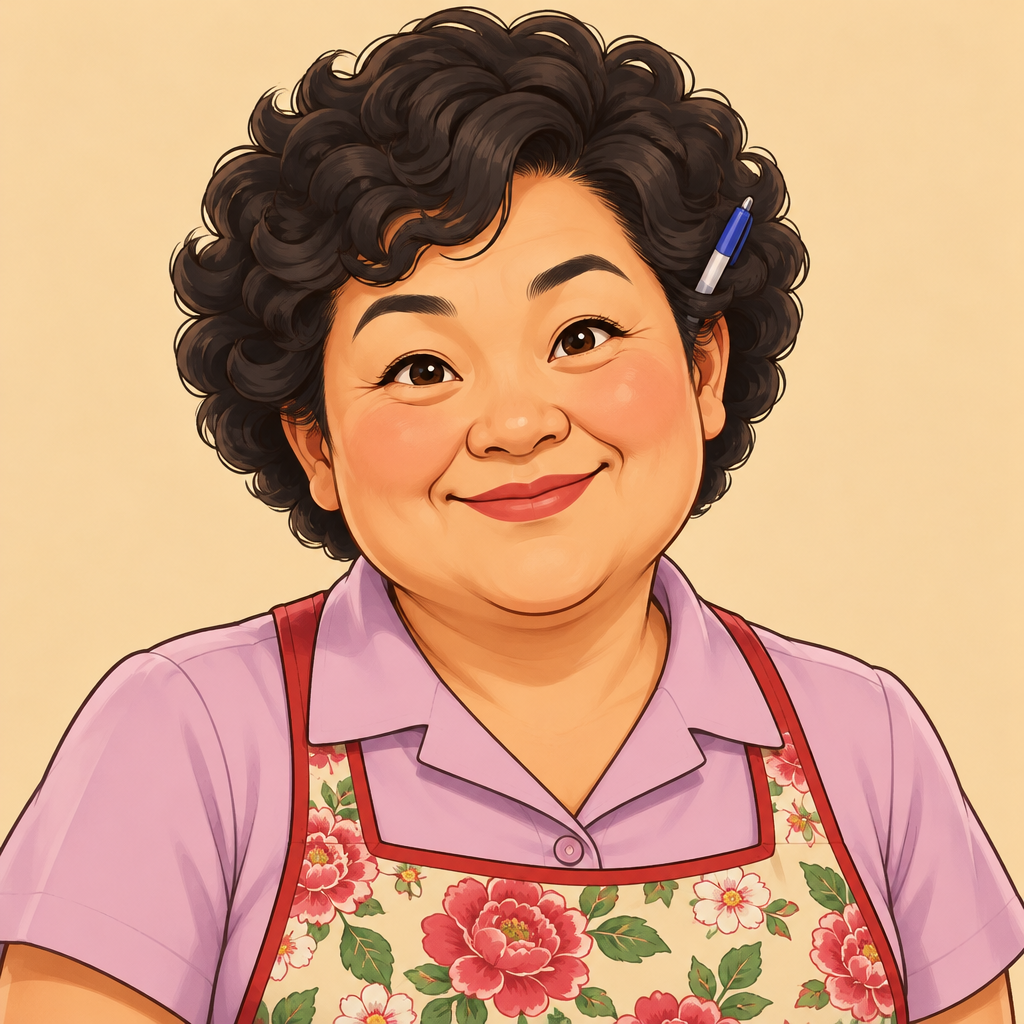 Auntie Lin你當時覺得怎麼樣?How did you feel at the time?
 Maya一開始我有點緊張。At first I was a bit nervous.
- Auntie Lin當時菜單你都看不懂。Back then you couldn't even read the menu.
- Maya當時我沒發現大家這麼親切。At the time I didn't realise everyone was this kind.
- Auntie Lin後來呢?And then?
- Maya後來事情就順利了。After that, things went smoothly.
- Auntie Lin我們本來要給你菜單,結果阿犛幫你點了。We were going to give you a menu, but A-Li ordered for you.
- Maya結果其實是一件好事。It turned out to be a good thing.
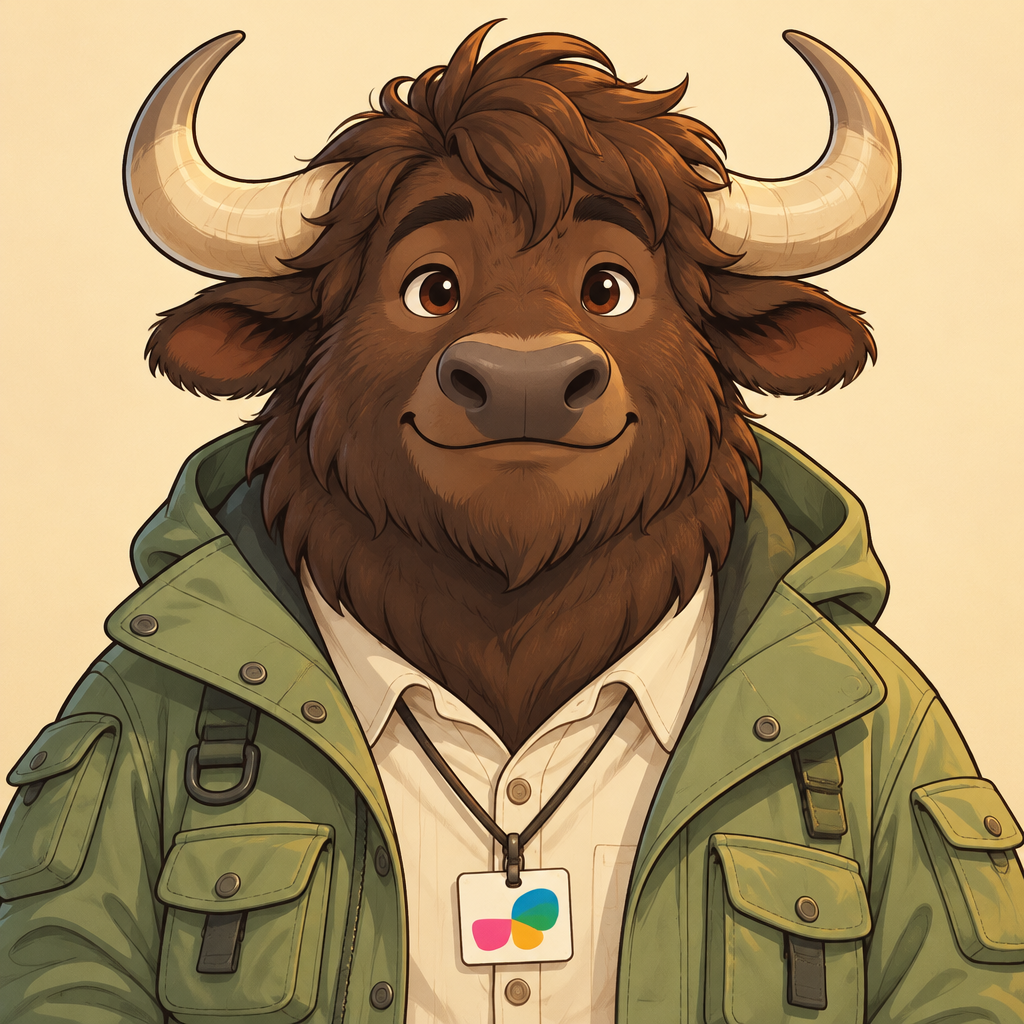 A-Li豆漿還沒喝完。The soy milk still isn't finished.
- Auntie Lin回頭看,我覺得你進步很多。Looking back, I think you've improved a lot.
- A-Li我沒想到會這麼好玩。I didn't expect it to be this fun.
- Maya現在換成我站這邊了。Now I'm the one standing on this side.
- Auntie Lin歡迎光臨。Welcome in.
- Maya好喔,我來試試看。Okay, let me try.
Practice — look back
Work through ten short exercises on these hindsight lines. Pick the line that fits each moment.
After each answer, read why, then say the Chinese again.
0 of 10 done
What does it mean?
What does it mean?
結果其實是___
Fill the gap
Fill the gap
At the time I didn't realise ___.
____我沒發現___
What do you say?
What do you say?
You meant to hand Maya a menu, but A-Li ordered first. Contrast the plan with what happened.
Swap the word
Swap the word
You are judging Maya's first morning after some time. Change the first word so the line means looking back.
____看,我覺得___
What did you hear?
What did you hear?
Build the line
Build the line
After that, things went smoothly.
Tap the words in order.
Match the pairs
Traditional Chinese
結果其實是___Drop the English here我們本來要___,結果___Drop the English here一開始我有點緊張Drop the English here後來事情就順利了Drop the English hereEnglish
What do you say?
What do you say?
Maya has told you she was nervous at first. Ask what happened next.
What do you say?
What do you say?
Maya is looking back on her first morning. Ask how she felt at the time.
What does it mean?
What does it mean?
我沒想到會這麼好玩
Say it — your hindsight
You play Maya behind the counter. Listen to each cue, then say how things turned out.
Tap the microphone to speak. You can replay the other person's line before your turn.
- You stand behind the counter after the rush and look back on your first morning.
- Auntie Lin你當時覺得怎麼樣?How did you feel at the time?
- Maya (you)Say that at first you were a bit nervous.
Say that at first you were a bit nervous.
一開始我有點緊張
At first I was a bit nervous.
0 of 5 said
Recap — what you can say now
| Traditional Chinese | English | Play |
|---|---|---|
| 結果其實是___ | It turned out to be ___. | |
| 當時我沒發現___ | At the time I didn't realise ___. | |
| 我們本來要___,結果___ | We were going to ___, but ___. | |
| 回頭看,我覺得___ | Looking back, I think ___. | |
| 一開始我有點緊張 | At first I was a bit nervous. | |
| 後來事情就順利了 | After that, things went smoothly. |
Save your progress — it’s free
Keep your place in the course and see which lines you’ve learned.
Want the next lesson in your inbox?
Get the next lesson by email, one a day.
Join the newsletterDaily lesson emails are coming soon. Newsletter subscribers get them first.
Keep practicing with Yak Cards
Today's hindsight lines are in Yak Cards with more ways to say how things turned out.
Review a few cards each day so looking back feels natural.
Open Yak Cards