
New here? This is lesson 64 of a free 240-lesson Traditional Chinese course.
How my family is in Traditional Chinese
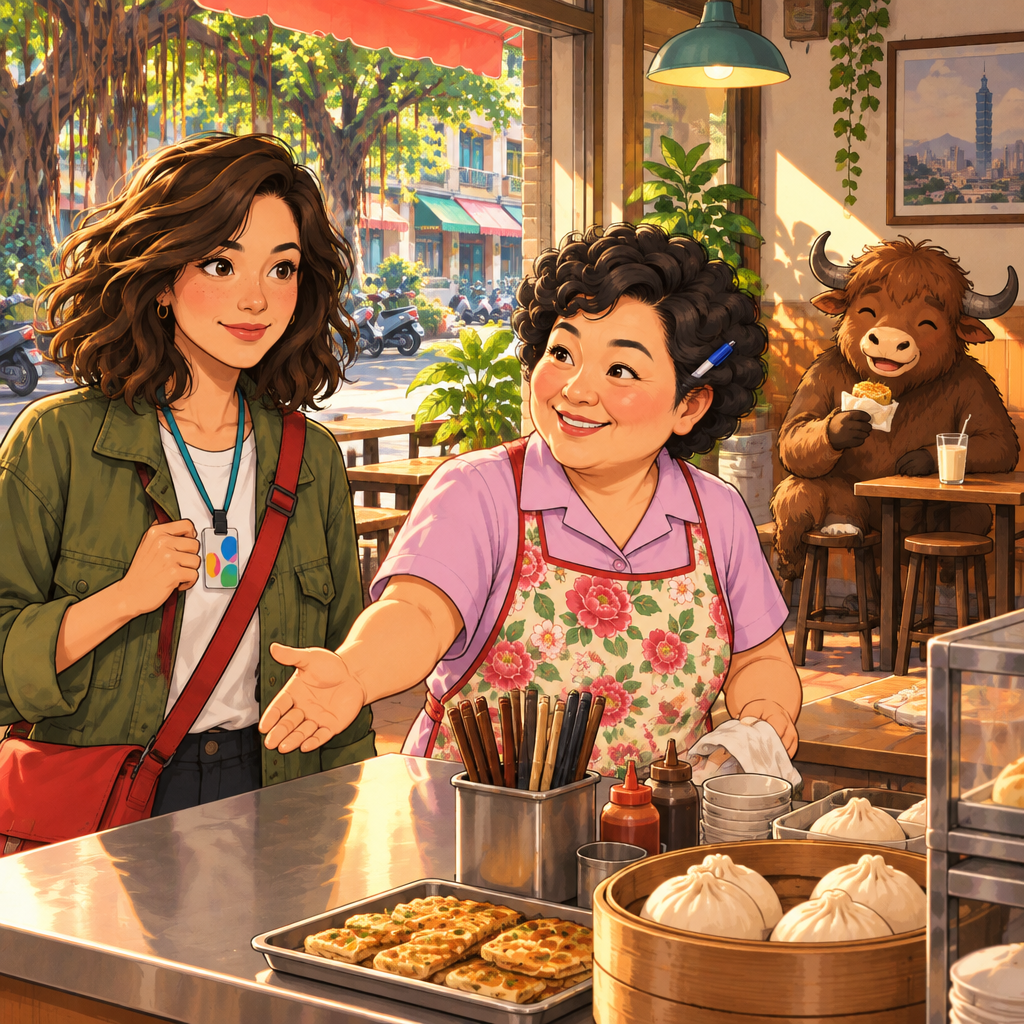
On a video call home, Maya shares a few family details with Auntie Lin nearby. A-Li waves at the phone and greets everyone.
Learn to say where your family lives, how old a sibling is, and how close you are.
Then listen as Maya talks about growing up with her sister and missing her parents.
By the end of this lesson
Say how old family members are, where they live, what they do, and how close you are.
- 我的爸媽住在國外My parents live abroad.
- 我弟弟今年二十歲My younger brother is twenty this year.
- 我們很親We're close.
- 你爸媽是做什麼的?What do your parents do?
- 我跟我姐姐一起長大I grew up with my older sister.
- 我不常見到他們I don't see them often.
Scene — a call home
Maya is on a video call with her family at Banyan Breakfast. Auntie Lin is curious about the people on the screen, and asks Maya about her family.
A-Li waves at the phone to say hello to everyone. His soy milk is still unfinished beside him; the call brings ordinary family news, not answers about the fortune slip.
Learn — talking about family
These lines help you describe your family: where your parents live, your sibling's age, and how you get along.
Notice how 歲 follows a number to give someone's age.

我的爸媽住在國外
My parents live abroad.
When to use it: Use this to say your parents live in another country.

我弟弟今年二十歲
My younger brother is twenty this year.
When to use it: Use this to give your younger brother's age this year.
歲 follows the number to express someone's age.

我們很親
We're close.
When to use it: Use this to describe a close relationship with someone.
親 describes a close relationship; 很 commonly comes before it in this sentence.

你爸媽是做什麼的?
What do your parents do?
When to use it: Ask this to find out what someone's parents do for work.
是做什麼的 asks about someone's job in a natural conversational way.

我跟我姐姐一起長大
I grew up with my older sister.
When to use it: Use this to say you and your older sister grew up together.
跟…一起 describes doing or experiencing something together.

我不常見到他們
I don't see them often.
When to use it: Use this to say you do not see those people very often.
不常 means not often and comes before the verb phrase.
Story — a family video call
Maya calls home while she is at Banyan Breakfast. Auntie Lin asks about her family, and A-Li waves at the phone to greet everyone.
Listen for the details Maya shares about her parents, brother, and sister.
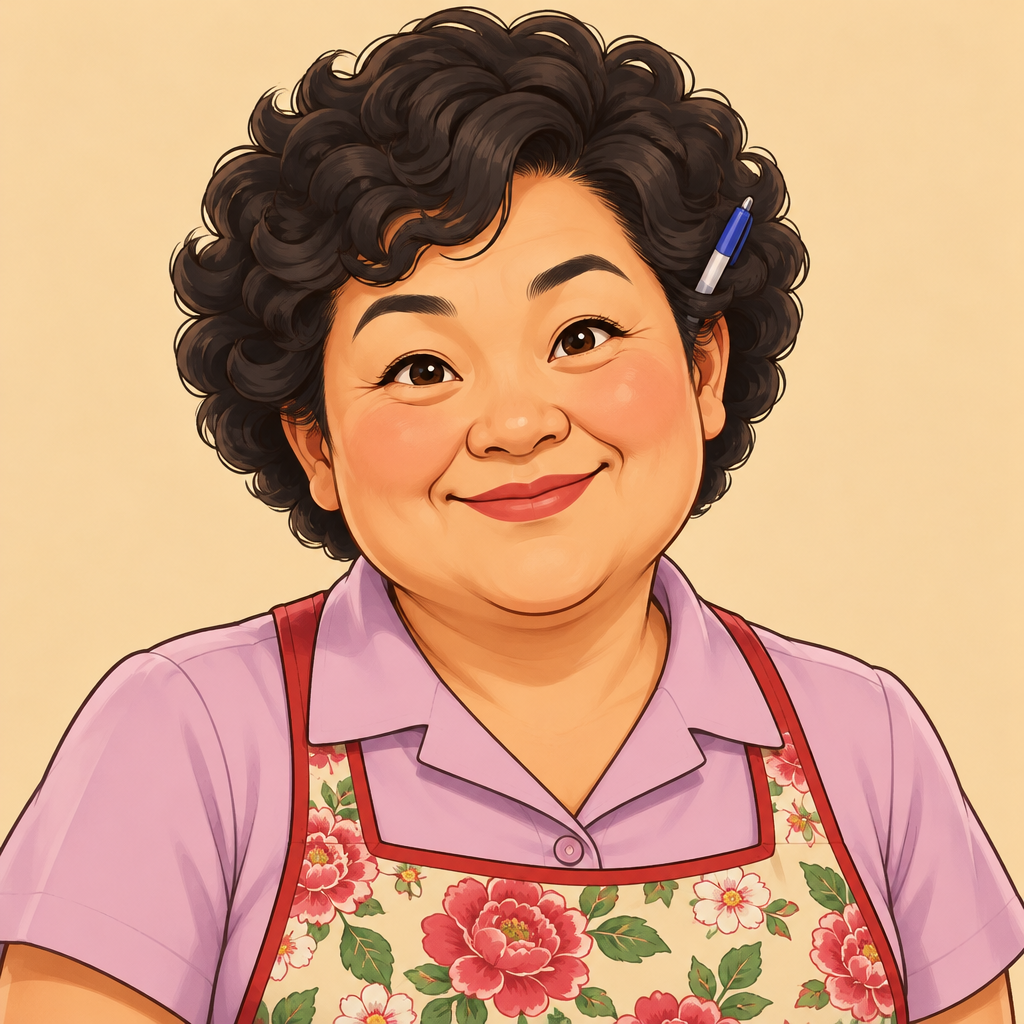 Auntie Lin瑪雅,你有兄弟姊妹嗎?Maya, do you have any siblings?
 Maya我弟弟今年二十歲。My younger brother is twenty this year.
- Maya她是我的姐姐。She's my older sister.
- Maya我跟我姐姐一起長大。I grew up with my older sister.
- Auntie Lin你爸媽是做什麼的?What do your parents do?
- Maya我的爸媽住在國外。My parents live abroad.
- Maya他們在國外工作。They work abroad.
- Maya我們很親。We're close.
- Maya我不常見到他們。I don't see them often.
 A-Li你好!Hello!
Practice — share family details
Try nine quick exercises about family members, age, homes, and work. Listen for the right meaning, then build and complete useful lines.
Some questions review family words from your earlier lesson.
0 of 9 done
What does it mean?
What does it mean?
我的爸媽住在國外
What do you say?
What do you say?
Auntie Lin asks your younger brother's age. Say he is twenty this year.
Build the line
Build the line
We're close.
Tap the words in order.
Fill the gap
Fill the gap
What do your parents do?
你爸媽是做____?
Match the pairs
Traditional Chinese
我的爸媽住在國外Drop the English here我弟弟今年二十歲Drop the English here我們很親Drop the English here你爸媽是做什麼的?Drop the English hereEnglish
What did you hear?
What did you hear?
Pick the reply
Auntie Lin says:
Pick the reply
你常見到爸媽嗎?
Do you see your parents often?
And you reply with:
What do you say?
What do you say?
You join Maya's call and greet her family on the screen.
What do you say?
What do you say?
Show Auntie Lin a photo and identify your older sister.
Say it — talk about your family
You play Maya during a call home at Banyan Breakfast. Auntie Lin asks about your family, and you answer with a few personal details.
Listen to each cue, then say the matching line aloud. A-Li is nearby, ready to wave at the people on screen.
- Auntie Lin asks Maya about her younger brother.
- Auntie Lin你弟弟幾歲?How old is your younger brother?
- Maya (you)Say that your younger brother is twenty this year.
Say that your younger brother is twenty this year.
我弟弟今年二十歲
My younger brother is twenty this year.
0 of 4 said
Recap — what you can say now
| Traditional Chinese | English | Play |
|---|---|---|
| 我的爸媽住在國外 | My parents live abroad. | |
| 我弟弟今年二十歲 | My younger brother is twenty this year. | |
| 我們很親 | We're close. | |
| 你爸媽是做什麼的? | What do your parents do? | |
| 我跟我姐姐一起長大 | I grew up with my older sister. | |
| 我不常見到他們 | I don't see them often. |
Save your progress — it’s free
Keep your place in the course and see which lines you’ve learned.
Want the next lesson in your inbox?
Get the next lesson by email, one a day.
Join the newsletterDaily lesson emails are coming soon. Newsletter subscribers get them first.
Keep practicing with Yak Cards
Review these family expressions in Yak Cards and practise them with a few new details.
Try saying one true thing about your family each day.
Open Yak Cards