
New here? This is lesson 21 of a free 240-lesson Traditional Chinese course.
I want in Traditional Chinese
Maya stops at Banyan Breakfast on her way to work. Auntie Lin asks what she wants, but Maya really needs a napkin.
A-Li sits beside his unfinished soy milk, trying to ask for his usual without naming it. The fortune slip stays folded in the till.
Learn the difference between wanting and needing, ask what someone wants or needs, and make a direct request. A-Li's drink is still not finished.
By the end of this lesson
Say what you want or need, ask what someone wants or needs, and make a direct request.
- 我要___I want ___.
- 我需要___I need ___.
- 你要什麼?What do you want?
- 我不想要___I don't want ___.
- 你需要___嗎?Do you need ___?
- 給我___Give me ___.
Scene — a napkin at breakfast
Morning light falls across the counter at Banyan Breakfast. A-Li sits on two stools beside his unfinished soy milk, searching for the words for his usual.
Maya knows exactly what she needs: a napkin. Auntie Lin helps both customers, while the folded fortune slip stays tucked away in the till.

Learn — saying what you want
Use 要 for what you want and 需要 for what you need. Listen for the difference, then practice a direct request.
The expressions are short chunks; say them as whole pieces.

我要___
I want ___.
When to use it: Use this to say what you want.
Learn it as one piece.
Say it: 要 has a falling tone.

我需要___
I need ___.
When to use it: Use this to say what you need.
Learn it as one piece.

你要什麼?
What do you want?
When to use it: Ask someone what they want.
Learn it as one piece.

我不想要___
I don't want ___.
When to use it: Use this to say you do not want something.
Learn it as one piece.
Say it: 不 has a falling tone before 想.

你需要___嗎?
Do you need ___?
When to use it: Ask someone whether they need something.
Learn it as one piece.

給我___
Give me ___.
When to use it: Use this direct request when asking for something.
Learn it as one piece.
Story — the usual, please
At Banyan Breakfast, Maya asks for a napkin while A-Li struggles to name his usual. Auntie Lin checks whether either of them needs anything else.
 Maya你好。Hello.
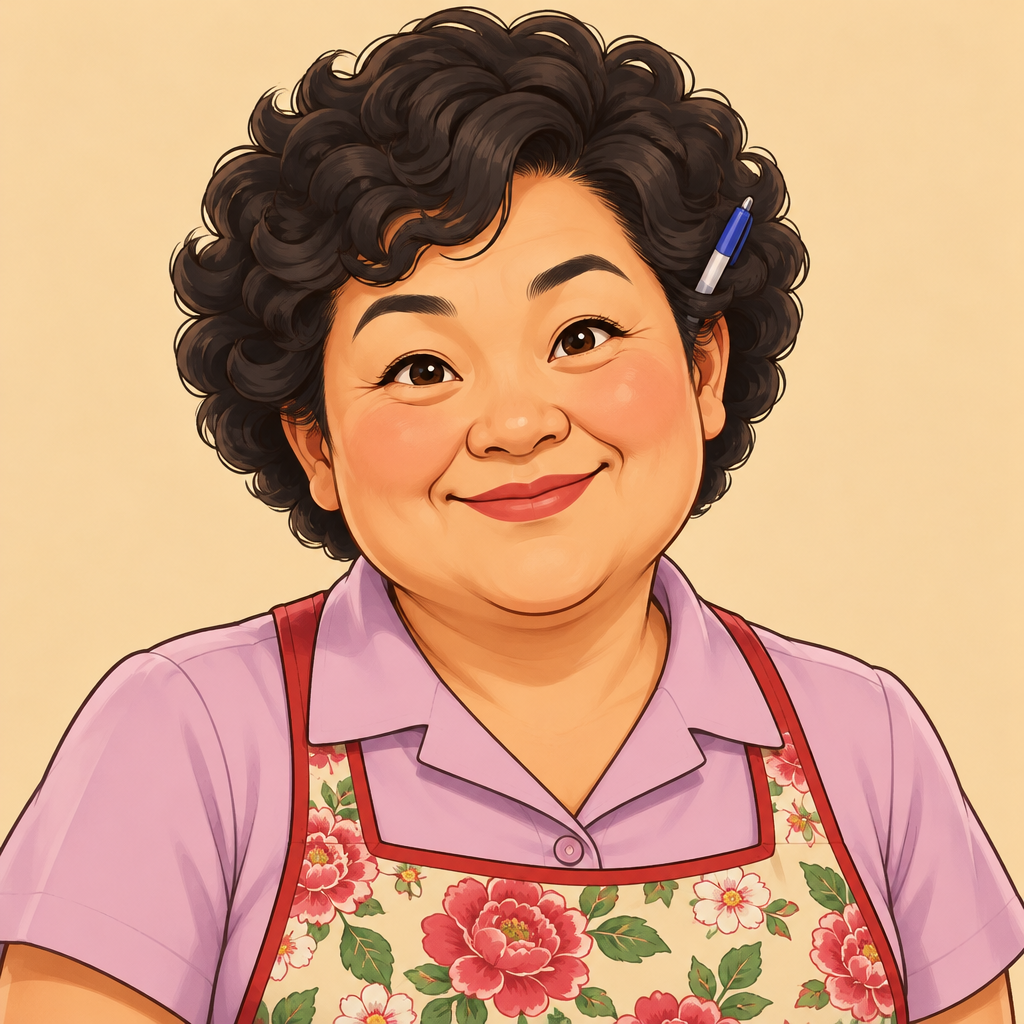 Auntie Lin你要什麼?What do you want?
- Maya我要衛生紙。I want a napkin.
- Maya我需要衛生紙。I need a napkin.
- Auntie Lin你需要衛生紙嗎?Do you need a napkin?
- Maya給我衛生紙。Give me a napkin.
- Auntie Lin你要什麼?What do you want?
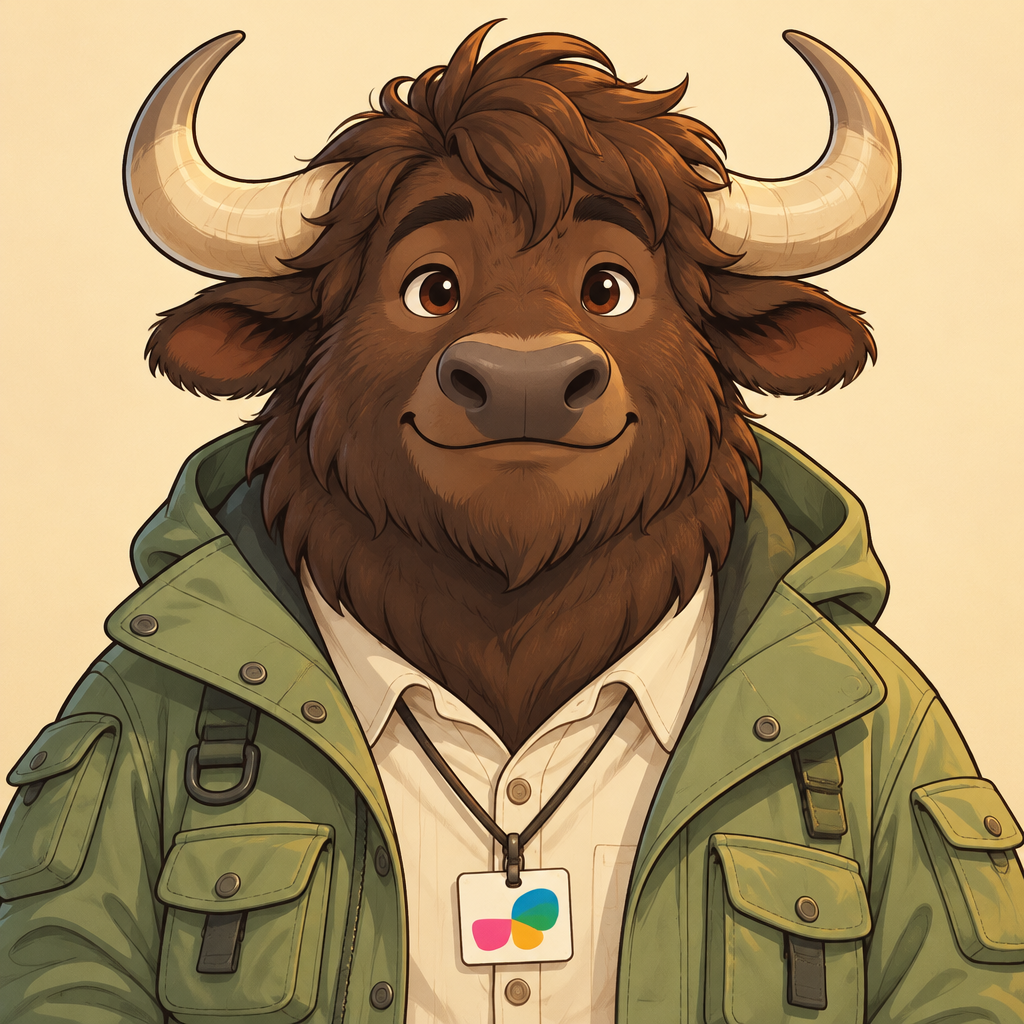 A-Li我要老樣子。I'll have my usual.
- Auntie Lin你需要豆漿嗎?Do you need soy milk?
- A-Li我不想要豆漿。I don't want soy milk.
Practice — wants and needs
Try ten quick exercises about wants and needs at the breakfast counter. Choose the useful line for each small situation.
After each answer, check the explanation and try saying the line again.
0 of 11 done
What does it mean?
What does it mean?
我要___
What do you say?
What do you say?
Auntie Lin asks what happened after you spill soy milk. Tell her you need a napkin to clean it up.
Build the line
Build the line
What do you want?
?
Tap the words in order.
Match the pairs
Traditional Chinese
我要___Drop the English here你要什麼?Drop the English here你好Drop the English here謝謝Drop the English hereEnglish
What did you hear?
What did you hear?
What do you say?
What do you say?
Auntie Lin offers more soy milk. Say that you do not want it.
Pick the reply
Auntie Lin says:
Pick the reply
你要什麼?
What do you want?
And you reply with:
What do you say?
What do you say?
Auntie Lin greets you at the counter. Say hello.
What does it mean?
What does it mean?
我需要___
What do you say?
What do you say?
Auntie Lin hands you the napkin. Thank her.
What did you hear?
What did you hear?
Say it — make your request
You play Maya at Banyan Breakfast. Listen to each cue, then say what you want or need, and ask for the napkin.
Tap the microphone to speak. You can replay the other person's line before your turn.
- Maya arrives at the counter and Auntie Lin asks what she wants.
- Auntie Lin你要什麼?What do you want?
- Maya (you)Say that you want a napkin.
Say that you want a napkin.
我要___
I want ___.
0 of 3 said
Recap — what you can say now
| Traditional Chinese | English | Play |
|---|---|---|
| 我要___ | I want ___. | |
| 我需要___ | I need ___. | |
| 你要什麼? | What do you want? | |
| 我不想要___ | I don't want ___. | |
| 你需要___嗎? | Do you need ___? | |
| 給我___ | Give me ___. |
Save your progress — it’s free
Keep your place in the course and see which lines you’ve learned.
Want the next lesson in your inbox?
Get the next lesson by email, one a day.
Join the newsletterDaily lesson emails are coming soon. Newsletter subscribers get them first.
Keep practicing with Yak Cards
Today's wants and needs are in Yak Cards with more useful lines for everyday requests.
Review a few cards each day so useful requests come easily.
Open Yak Cards