
New here? This is lesson 22 of a free 240-lesson Traditional Chinese course.
No thanks, that's enough in Traditional Chinese
At Banyan Breakfast, Auntie Lin offers Maya another cup of soy milk. A-Li sits nearby with his own familiar unfinished drink.
Learn how to politely turn something down, say you already have something, and ask for just a little. Maya's small request gets a very generous pour.
Then practise answering Auntie Lin warmly and clearly. The fortune slip stays folded in the till, out of the conversation.
By the end of this lesson
Politely turn down an offer, say you already have something, and ask for just a little.
- 不用,謝謝No need, thanks.
- 我不要___I don't want ___.
- 這樣就夠了That's enough.
- 我已經有了I already have one.
- 不需要I don't need it.
- 一點點就好Just a little.
Scene — a little more
Morning is busy at Banyan Breakfast. Auntie Lin offers Maya an egg pancake and more soy milk while A-Li sits at the back with his own drink.
Maya asks for just a little, but Auntie Lin pours a full cup. A-Li's drink is still unfinished, and the folded fortune slip stays in the till.

Learn — polite refusals
These short replies help you decline an offer, say you already have something, or ask for a small amount.
Listen to each line, then say it aloud. One line has a blank for the item you do not want.

不用,謝謝
No need, thanks.
When to use it: Use this polite reply to turn down an offer.
Learn it as one piece.
Say it: 不 rises before 用, which has a falling tone.

我不要___
I don't want ___.
When to use it: Use this to say you do not want a specific thing.
Replace the blank with an item and learn the rest as one piece.
Say it: 不 rises before 要, which has a falling tone.

這樣就夠了
That's enough.
When to use it: Say this when you have enough and want no more.
Learn it as one piece.
Say it: The final 了 is light and quick.
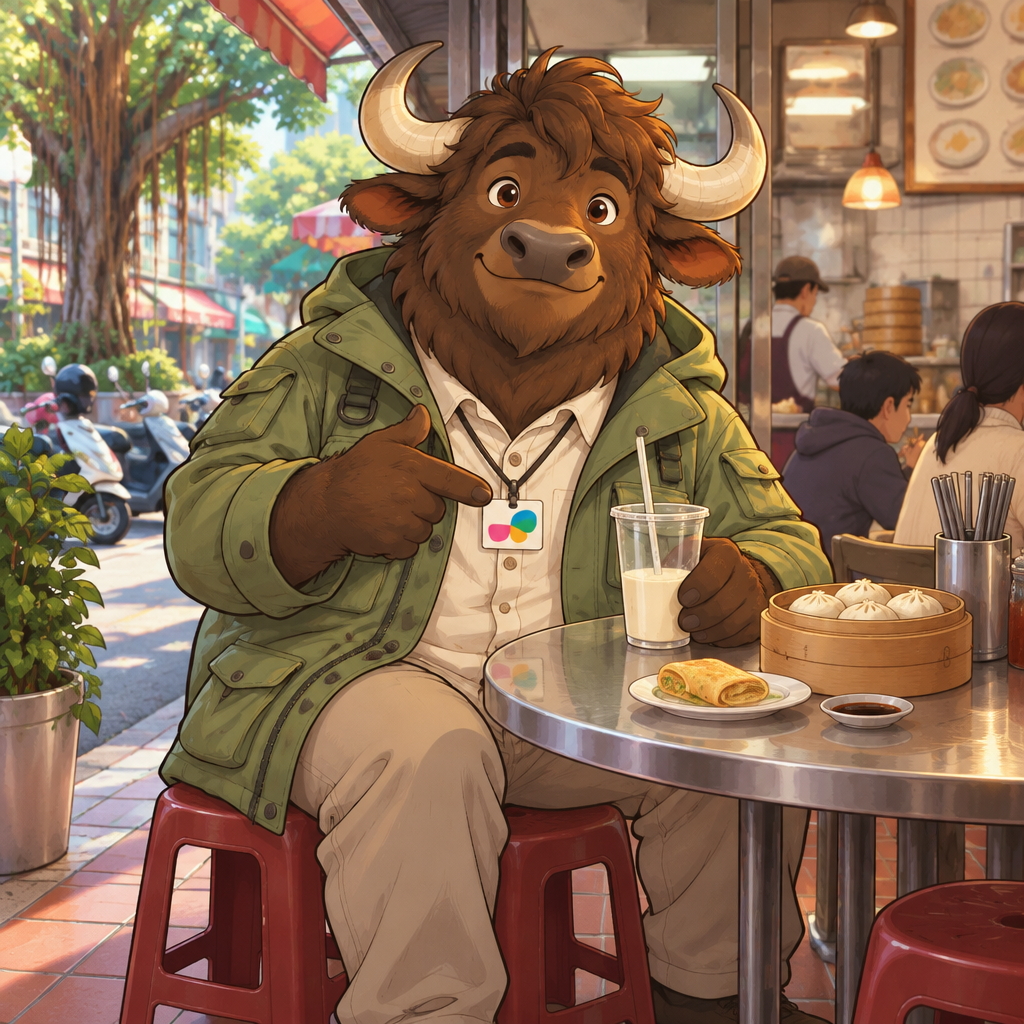
我已經有了
I already have one.
When to use it: Use this when someone offers something you already have.
Learn it as one piece.
Say it: The final 了 is light and quick.
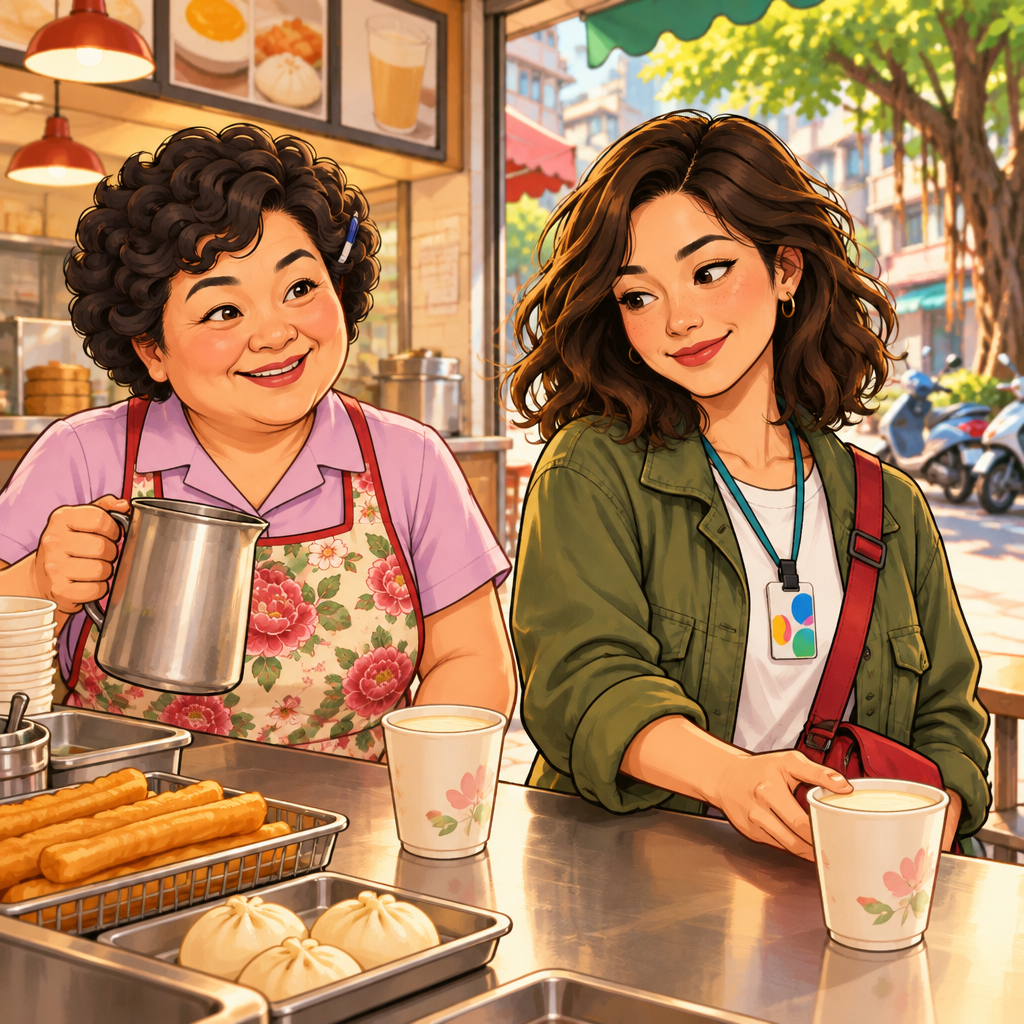
不需要
I don't need it.
When to use it: Use this short reply when an offer is unnecessary.
Learn it as one piece.
Say it: 不 keeps its falling tone before a non-falling tone.
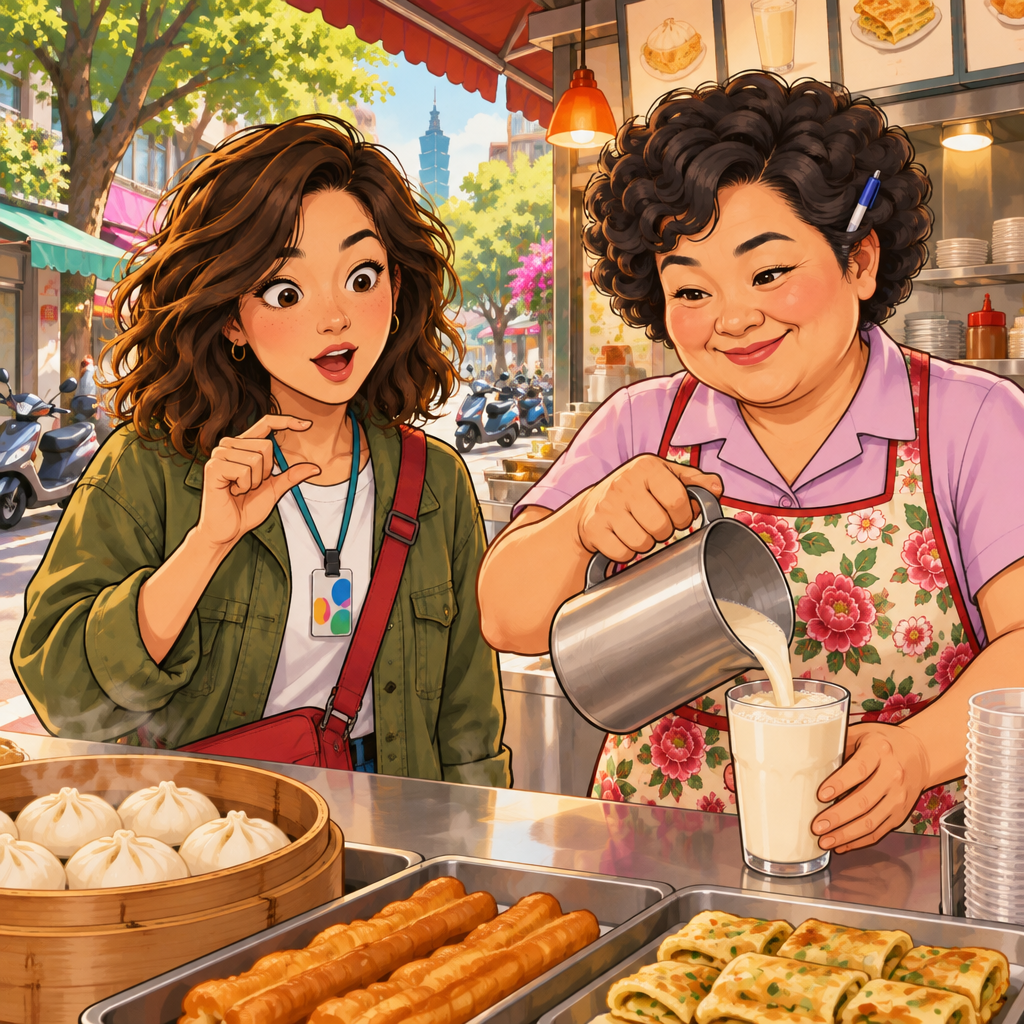
一點點就好
Just a little.
When to use it: Say this when you want only a small amount.
Learn it as one piece.
Say it: 一 has a falling tone before 點.
Story — a very full cup
At Banyan Breakfast, Auntie Lin offers Maya an egg pancake and more soy milk. Maya turns down the food, then asks for just a little soy milk.
Auntie Lin fills the cup generously. A-Li sits nearby with his own unfinished drink.
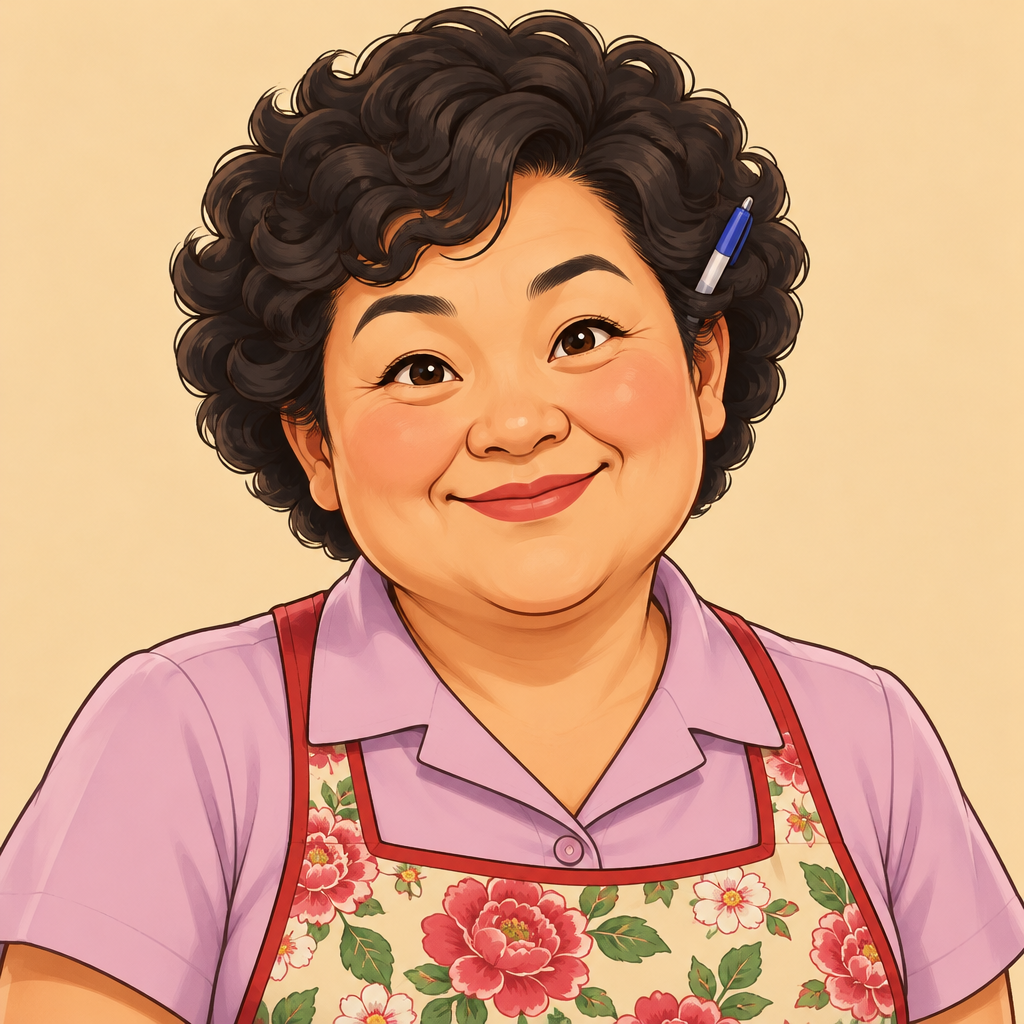 Auntie Lin要蛋餅嗎?Would you like an egg pancake?
 Maya我不要蛋餅,不需要。I don't want an egg pancake. I don't need it.
- Auntie Lin還要豆漿嗎?Would you like more soy milk?
- Maya我已經有了,不用,謝謝。I already have one. No need, thanks.
- Auntie Lin那只加一點點,好嗎?Would you like a little more soy milk?
- Maya asks for a little. Auntie Lin pours a full cup anyway, while A-Li still has not finished his own soy milk.
- Maya一點點就好。這樣就夠了。Just a little. That's enough.
Practice — turn it down
Try eight quick exercises about turning down food and drinks politely. Listen, choose, and build useful replies.
Some answers may sound polite, but only one fits each situation. Check the explanation, then try the line again.
0 of 8 done
What did you hear?
What did you hear?
What do you say?
What do you say?
Auntie Lin offers an egg pancake. Say that you do not want one.
Build the line
Build the line
That's enough.
Tap the words in order.
Fill the gap
Fill the gap
I already have one.
我____有了
What do you say?
What do you say?
Auntie Lin offers you another umbrella, but you do not need one. Give a short reply.
Pick the reply
Auntie Lin says:
Pick the reply
那只加一點點,好嗎?
Would you like a little more soy milk?
And you reply with:
What does it mean?
What does it mean?
不用了,謝謝
What do you say?
What do you say?
Auntie Lin hands you a cup. Thank her.
Say it — your polite replies
You play Maya at Banyan Breakfast. Listen to Auntie Lin's offers, then answer politely and clearly.
Say each reply aloud before moving on. Auntie Lin may pour more than you asked for, but you can still tell her when enough is enough.
- Auntie Lin還要豆漿嗎?Would you like more soy milk?
- Maya (you)Politely decline the extra drink, and thank her.
Politely decline the extra drink, and thank her.
不用,謝謝
No need, thanks.
0 of 4 said
Recap — what you can say now
| Traditional Chinese | English | Play |
|---|---|---|
| 不用,謝謝 | No need, thanks. | |
| 我不要___ | I don't want ___. | |
| 這樣就夠了 | That's enough. | |
| 我已經有了 | I already have one. | |
| 不需要 | I don't need it. | |
| 一點點就好 | Just a little. |
Save your progress — it’s free
Keep your place in the course and see which lines you’ve learned.
Want the next lesson in your inbox?
Get the next lesson by email, one a day.
Join the newsletterDaily lesson emails are coming soon. Newsletter subscribers get them first.
Keep practicing with Yak Cards
Today's polite replies are in Yak Cards with more useful lines for everyday offers.
Review a few cards each day so these short replies come easily.
Open Yak Cards