
New here? This is lesson 49 of a free 240-lesson Traditional Chinese course.
Wake up, sleep, and meals in Traditional Chinese
Maya stops by Banyan Breakfast on her way out. Auntie Lin seems to know when she gets up and leaves home, even though Maya eats breakfast at her apartment.
Learn to say when you get up, eat breakfast, leave home, and go to bed. You can also tell someone you visit every day and ask when they start work.
A-Li has his own contribution to the conversation.
By the end of this lesson
Say when you get up, eat breakfast, and leave home; ask about work and say when you go to bed.
- 我七點起床I get up at seven.
- 我十一點睡覺I go to bed at eleven.
- 我在家吃早餐I eat breakfast at home.
- 我每天都來這裡I come here every day.
- 你幾點上班?What time do you start work?
- 我八點出門I leave home at eight.
Scene — another morning at breakfast
Maya comes into Banyan Breakfast after eating at home. Auntie Lin is behind the counter, and A-Li sits at the back with his unfinished soy milk.
Auntie Lin has noticed Maya's visits and takes a confident guess at her morning schedule. Maya decides to ask about Auntie Lin's workday too.

Learn — your day in short lines
These six lines take you from getting up to going to bed. Listen to each one and say it aloud.
Notice which lines give a time, which one describes a daily visit, and which one asks a question.

我七點起床
I get up at seven.
When to use it: Say this when telling someone what time you get out of bed.

我十一點睡覺
I go to bed at eleven.
When to use it: Say this when telling someone your bedtime.

我在家吃早餐
I eat breakfast at home.
When to use it: Say this when explaining where you eat breakfast.
Learn the words for eating at home as one piece.

我每天都來這裡
I come here every day.
When to use it: Say this at a place you visit daily.
Learn the daily-visit line as one piece.

你幾點上班?
What time do you start work?
When to use it: Ask someone when their workday starts.
Say it: The first of the two third tones rises in speech.

我八點出門
I leave home at eight.
When to use it: Say this when telling someone when you head out.
Story — Auntie Lin knows
Listen as Auntie Lin guesses Maya's morning schedule at the breakfast shop. Maya fills in the details and asks about Auntie Lin's workday.
A-Li is listening from the back table.
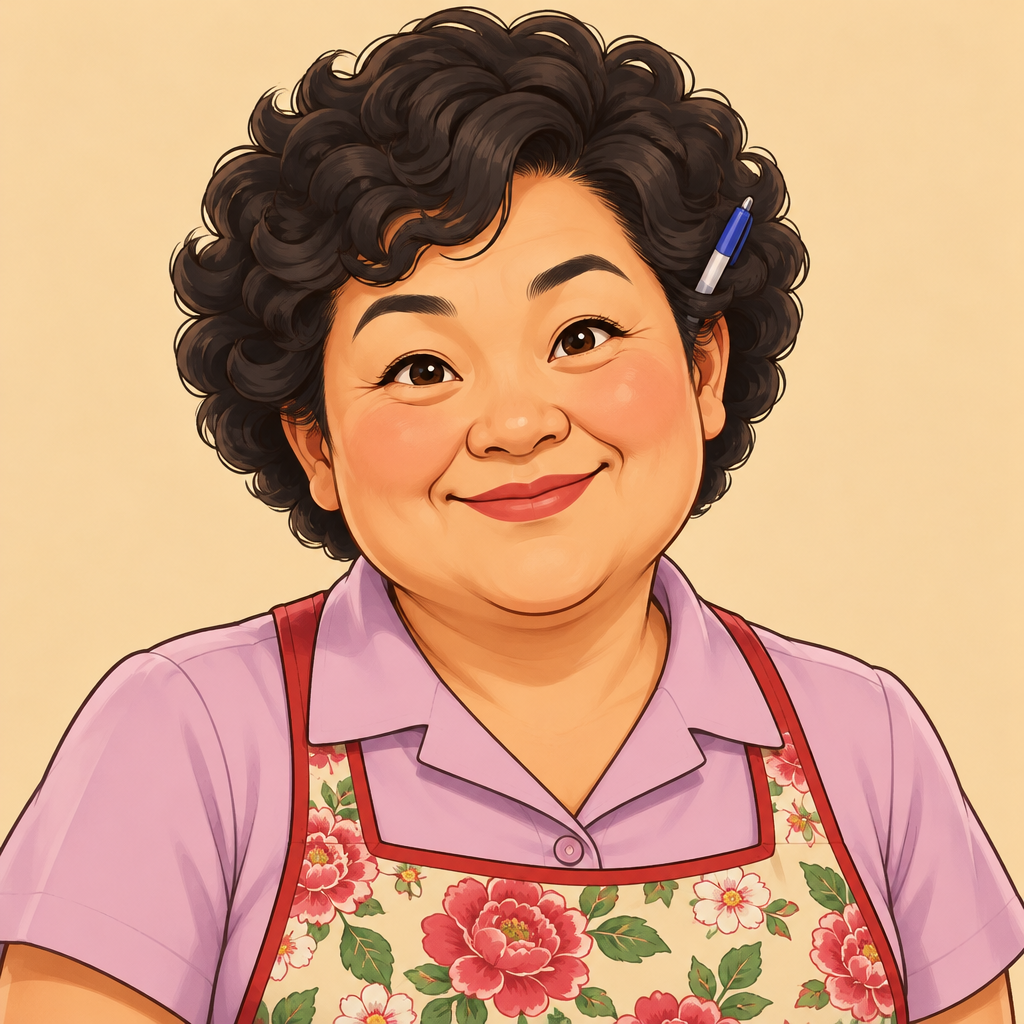 Auntie Lin早安!你七點起床?Good morning! You get up at seven?
 Maya我七點起床。I get up at seven.
- Auntie Lin你在家吃早餐吧?You eat breakfast at home, right?
- Maya我在家吃早餐。I eat breakfast at home.
- Maya我每天都來這裡。I come here every day.
- Auntie Lin八點出門吧?You leave home at eight, right?
- Maya我八點出門。I leave home at eight.
- Maya你幾點上班?What time do you start work?
- Auntie Lin七點喔。At seven.
 A-Li我十一點睡覺。I go to bed at eleven.
Practice — talk about your routine
Work through short exercises about Maya's day. Pay attention to the time and activity in each English meaning.
After choosing an answer, say the complete Chinese line aloud before moving on.
0 of 10 done
What does it mean?
What does it mean?
我七點起床
Build the line
Build the line
I go to bed at eleven.
Tap the words in order.
Fill the gap
Fill the gap
I eat breakfast at home.
我在家吃____
What did you hear?
What did you hear?
What do you say?
What do you say?
You want to know when Auntie Lin starts work. Ask her.
Swap the word
Swap the word
Change the time you leave home from seven to eight.
我____出門
Pick the reply
Auntie Lin says:
Pick the reply
你幾點出門?
What time do you leave home?
And you reply with:
Build the line
Build the line
I come here every day.
Tap the words in order.
Match the pairs
Traditional Chinese
早安Drop the English here晚安Drop the English here我七點起床Drop the English here我十一點睡覺Drop the English hereEnglish
What do you say?
What do you say?
A-Li asks when you go to bed. Tell him it is eleven.
Say it — tell them about your day
Play Maya at Banyan Breakfast. Auntie Lin already has a few guesses about your day, but you can tell her yourself.
Listen to each cue, then speak your line aloud. A-Li is nearby.
- Auntie Lin早安!Good morning!
- Maya (you)Tell Auntie Lin you get up at seven.
Tell Auntie Lin you get up at seven.
我七點起床
I get up at seven.
0 of 6 said
Recap — what you can say now
| Traditional Chinese | English | Play |
|---|---|---|
| 我七點起床 | I get up at seven. | |
| 我十一點睡覺 | I go to bed at eleven. | |
| 我在家吃早餐 | I eat breakfast at home. | |
| 我每天都來這裡 | I come here every day. | |
| 你幾點上班? | What time do you start work? | |
| 我八點出門 | I leave home at eight. |
Save your progress — it’s free
Keep your place in the course and see which lines you’ve learned.
Want the next lesson in your inbox?
Get the next lesson by email, one a day.
Join the newsletterDaily lesson emails are coming soon. Newsletter subscribers get them first.
Keep practicing with Yak Cards
Keep today's routine lines in Yak Cards for another quick visit.
Review them tomorrow and try describing your own day aloud.
Open Yak Cards