
New here? This is lesson 231 of a free 240-lesson Traditional Chinese course.
Back home and here in Traditional Chinese
Maya and Auntie Lin compare a morning at home with breakfast on Banyan Lane. The egg pancake is fast; back home, breakfast takes longer.
Learn six lines for comparing two lives fairly: what felt strange, what you like, and what you still do not get.
Keep the tone even. A-Li sips his soy milk and does not finish it, as usual.
By the end of this lesson
Compare life back home with life in Taiwan fairly, including what you like and what you still find hard.
- 我們那邊不太一樣Where I'm from it is a bit different.
- 一開始我很不習慣At first I wasn't used to it.
- 現在我已經習慣了Now I'm used to it.
- 我最喜歡這裡的是人情味What I like best here is the warmth of the people.
- 有些地方我還是不太懂There are things I still don't get.
- 各有各的好Each has its own good points.
Scene — breakfast two ways
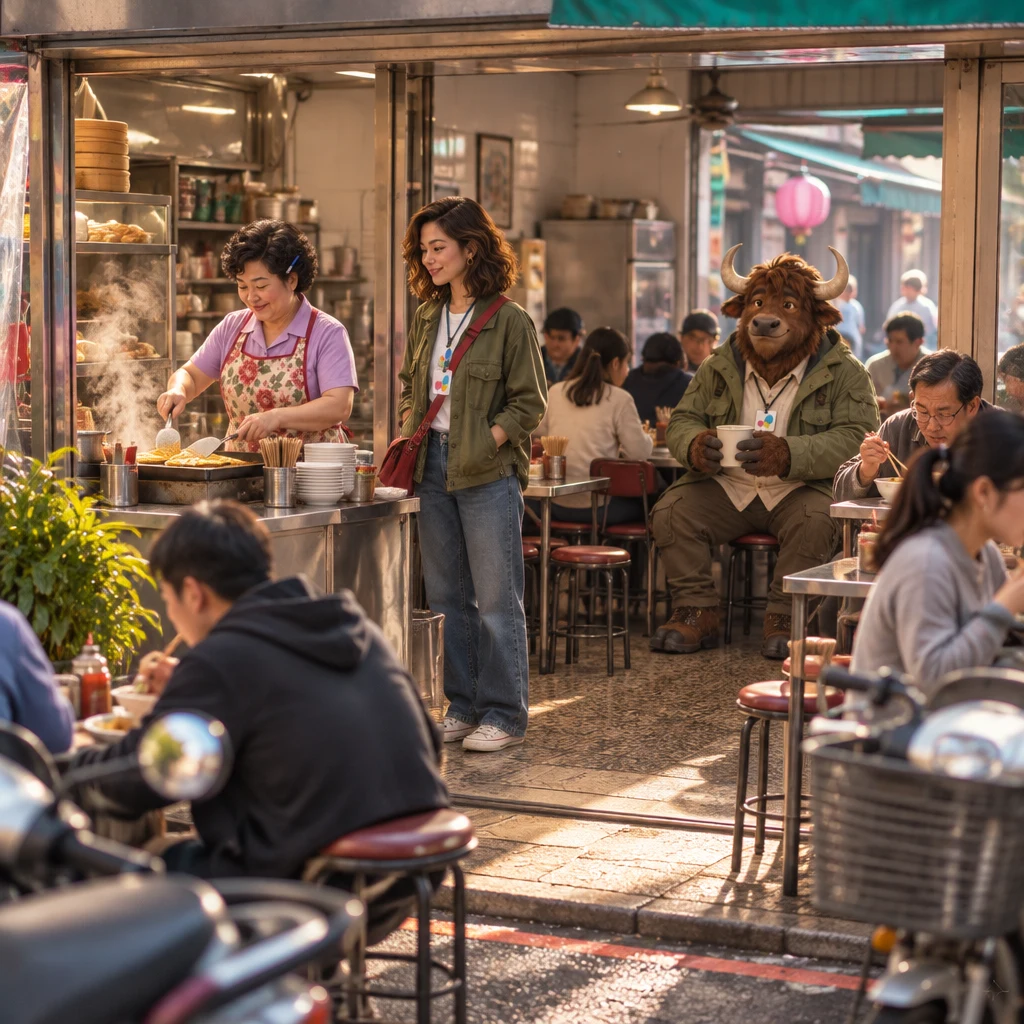
Morning rush fills Banyan Breakfast. Auntie Lin works the counter while Maya waits for an egg pancake. A-Li occupies two stools at the back, soy milk still full.
They trade how a morning looks back home and how it looks on this lane. The comparison stays fair; nobody ranks one life over the other.
Learn — home and here, fairly
These six lines help you compare home and Taiwan without taking sides. Listen, then say each one.
Notice 了 on 習慣了: it marks that the feeling has changed.

我們那邊不太一樣
Where I'm from it is a bit different.
When to use it: Use this to start a fair comparison with life back home.
那邊 here means where you come from, not a spot you can point to.
Say it: 不 rises before 太 because 太 is a fourth tone.

一開始我很不習慣
At first I wasn't used to it.
When to use it: Use this when a new custom felt strange at the start.
Pair 不 with 習慣 for not being used to something; 沒 is the wrong fit here.
Say it: 一 is fourth tone before 開, which is first tone.
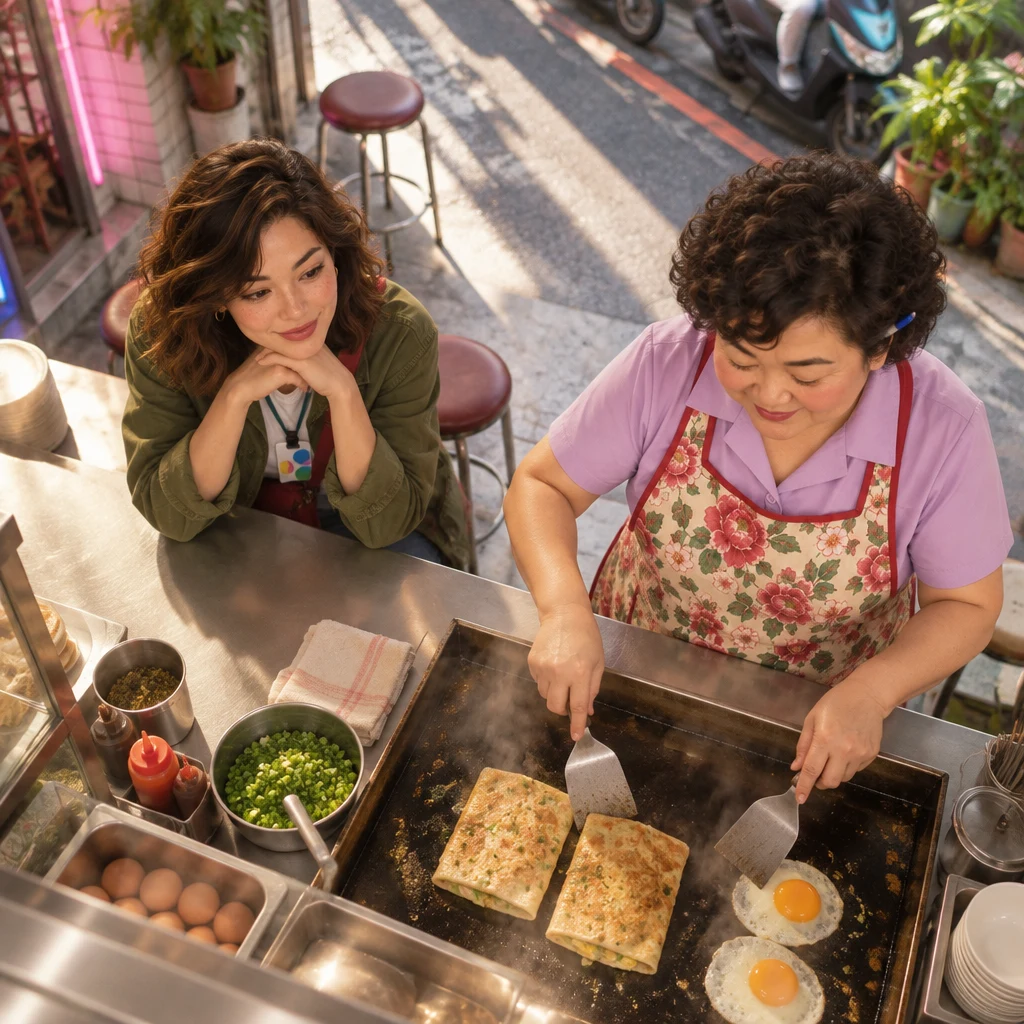
現在我已經習慣了
Now I'm used to it.
When to use it: Use this after time has passed and the new life feels normal.
了 here marks a change: you were not used to it, and now you are.
Say it: 了 is a light, neutral ending after 習慣.
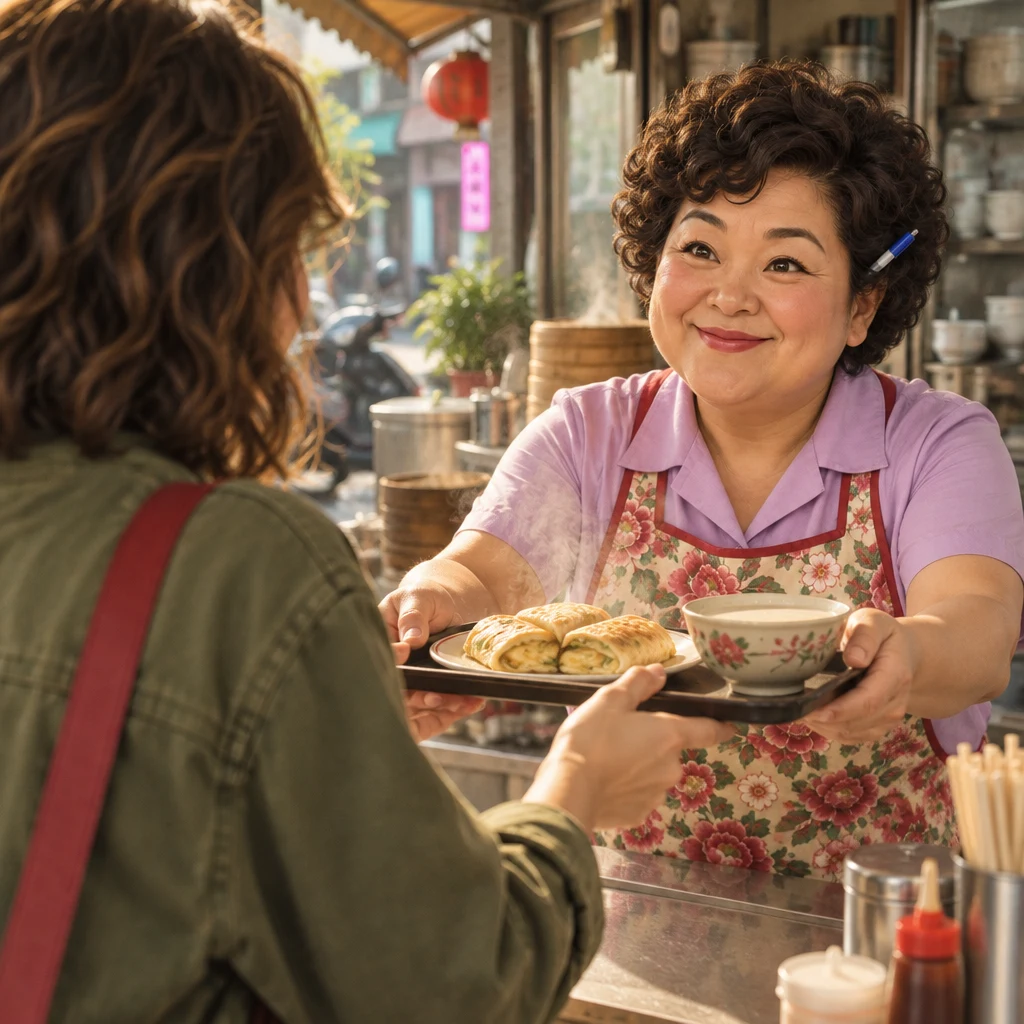
我最喜歡這裡的是人情味
What I like best here is the warmth of the people.
When to use it: Use this to name the one thing you like most about living here.
最喜歡…的是 points to one favorite thing, then names it after 是.

有些地方我還是不太懂
There are things I still don't get.
When to use it: Use this when you want to stay honest about what still feels unclear.
還是 means still here; it keeps a gap open instead of closing the story.
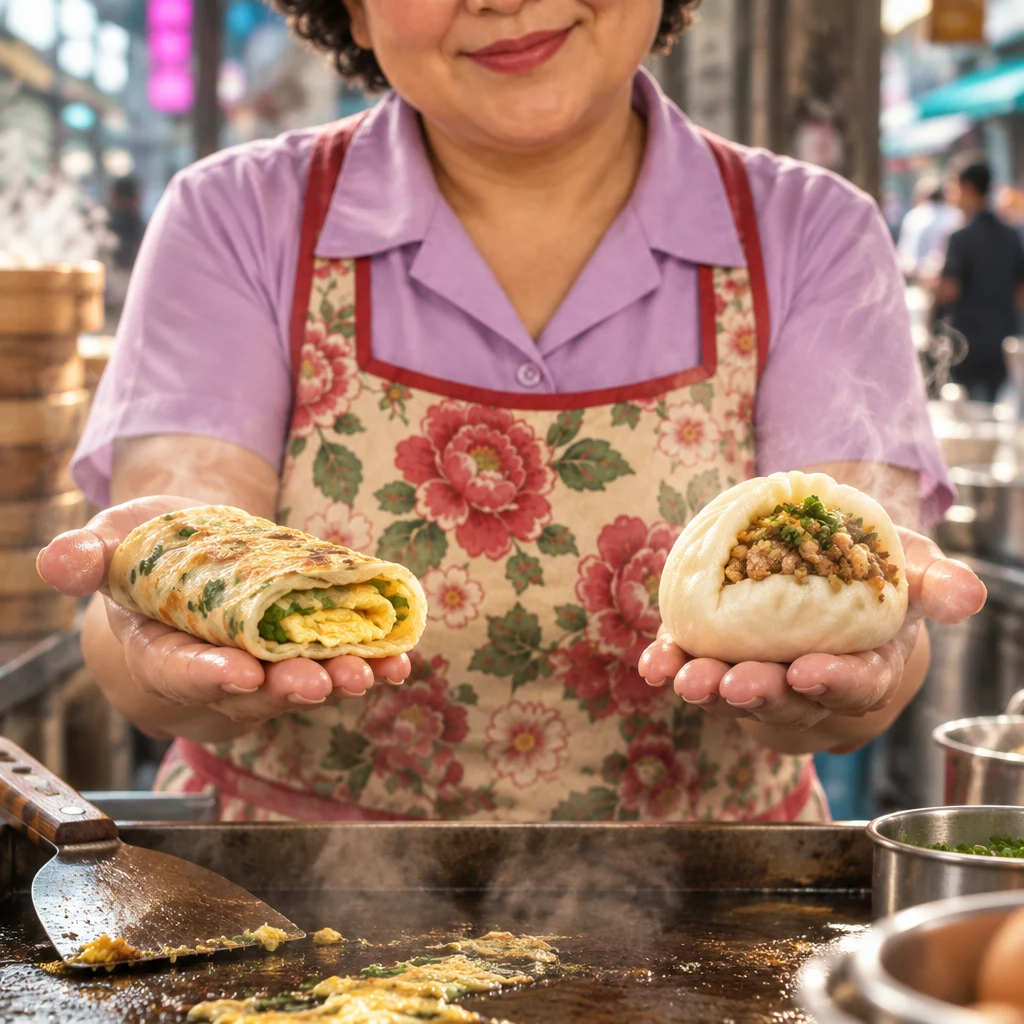
各有各的好
Each has its own good points.
When to use it: Use this to close a comparison without ranking one side as better.
各…各 shares the good points out, one side each, instead of picking a winner.
Say it: 的 is a light, neutral tone between 各 and 好.
Story — a morning each way
Listen as Maya and Auntie Lin swap breakfast stories. A-Li adds a quiet line from his own first days.
Nobody ranks one country over the other, and the soy milk stays unfinished.
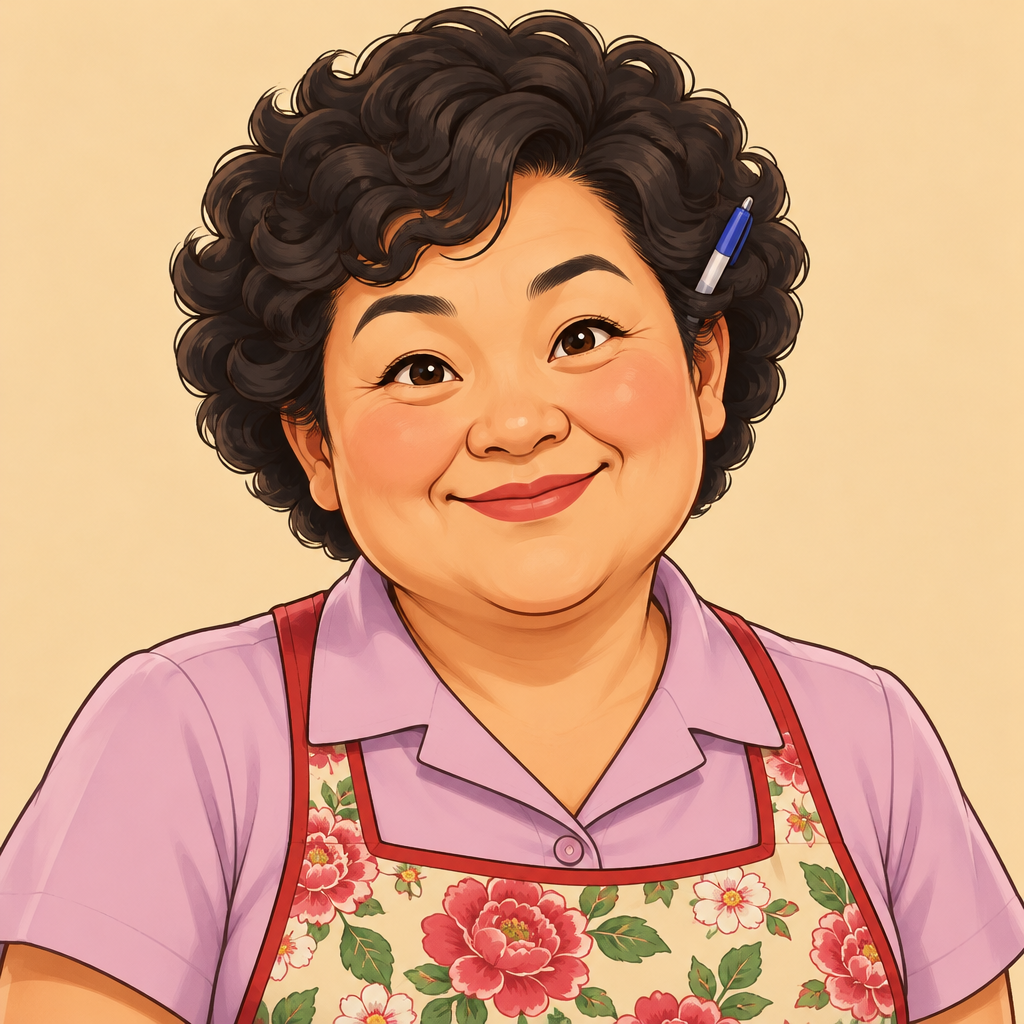 Auntie Lin美女,早安。Morning, beautiful!
 Maya阿姨,早安。Good morning, Auntie.
- Auntie Lin你們那邊早餐一樣嗎?Is breakfast the same where you're from?
- Maya我們那邊不太一樣。Where I'm from it is a bit different.
- Auntie Lin比如說?For example?
- Maya我們那邊比較晚吃早餐。Where I'm from we eat breakfast later.
- Auntie Lin那時候習慣嗎?Were you used to it then?
- Maya一開始我很不習慣。At first I wasn't used to it.
 A-Li我剛來的時候也一樣。I was the same when I first arrived.
- Auntie Lin現在呢?And now?
- Maya現在我已經習慣了。Now I'm used to it.
- Auntie Lin你最喜歡這裡什麼?What do you like best here?
- Maya我最喜歡這裡的是人情味。What I like best here is the warmth of the people.
- A-Li豆漿還沒喝完。The soy milk still isn't finished.
- Auntie Lin還有不習慣的地方嗎?Are there still things you're not used to?
- Maya有些地方我還是不太懂。There are things I still don't get.
- Auntie Lin那哪邊比較好?So which side is better?
- Maya各有各的好。Each has its own good points.
- Auntie Lin兩邊我都能理解。I can understand both sides.
Practice — keep the comparison fair
Work through nine short tasks that use these comparison lines. Pick the line that stays fair.
After each answer, read why the other choices miss the point, then say the line again.
0 of 9 done
What does it mean?
What does it mean?
我們那邊不太一樣
Fill the gap
Fill the gap
At first I wasn't used to it.
一開始我很不____
Build the line
Build the line
Now I'm used to it.
Tap the words in order.
What did you hear?
What did you hear?
Swap the word
Swap the word
You have lived here a while, but some customs still confuse you.
有些地方我____不太懂
What do you say?
What do you say?
Auntie Lin asks which breakfast is better, home or here. Stay fair.
Pick the reply
Auntie Lin says:
Pick the reply
我覺得細節差很多。
I think the details differ a lot.
And you reply with:
What do you say?
What do you say?
A newer customer freezes at the counter. Reassure them you felt the same at first.
Pick the reply
Auntie Lin says:
Pick the reply
兩邊你都能理解嗎?
Can you understand both sides?
And you reply with:
Say it — your two mornings
You are Maya at the counter. Answer Auntie Lin and A-Li with the comparison lines you just learned.
Tap the microphone when it is your turn. You can replay their lines first.
- Morning at Banyan Breakfast. Auntie Lin asks about breakfast back home.
- Auntie Lin你們那邊早餐一樣嗎?Is breakfast the same where you're from?
- Maya (you)Say that where you come from is a bit different.
Say that where you come from is a bit different.
我們那邊不太一樣
Where I'm from it is a bit different.
0 of 6 said
Recap — what you can say now
| Traditional Chinese | English | Play |
|---|---|---|
| 我們那邊不太一樣 | Where I'm from it is a bit different. | |
| 一開始我很不習慣 | At first I wasn't used to it. | |
| 現在我已經習慣了 | Now I'm used to it. | |
| 我最喜歡這裡的是人情味 | What I like best here is the warmth of the people. | |
| 有些地方我還是不太懂 | There are things I still don't get. | |
| 各有各的好 | Each has its own good points. |
Save your progress — it’s free
Keep your place in the course and see which lines you’ve learned.
Want the next lesson in your inbox?
Get the next lesson by email, one a day.
Join the newsletterDaily lesson emails are coming soon. Newsletter subscribers get them first.
Keep practicing with Yak Cards
Today's comparison lines are in Yak Cards with more ways to talk about home and here.
Review a few comparison cards so fair answers come quickly.
Open Yak Cards