
New here? This is lesson 169 of a free 240-lesson Traditional Chinese course.
In other words in Traditional Chinese
A-Li keeps tapping his EasyCard, then asking the same gate rule again. Maya tries a clearer version so he can ride the MRT.
Learn how to restate a rule, say what it means, and name a difference. These lines help at work and at the station.
You will hear Maya put the EasyCard rule in other words, while A-Li's soy milk stays unfinished.
By the end of this lesson
Restate a rule, explain what it means, and name a difference.
- 換句話說In other words.
- 這表示___This means ___.
- 最簡單的說法是___The simplest way to say it is ___.
- 基本規則是___The basic rule is ___.
- 差別在於___The difference is ___.
- 在這種情況下In this case.
Scene — the EasyCard rule
Morning light hits the back table at Banyan Breakfast. A-Li's EasyCard hangs on a string, and his soy milk sits barely touched.
Maya walks him through the MRT gate rule in plainer words. He is not magic, and the slip in the till is not today's topic.

Learn — say it another way
Here are six lines for restating a rule and saying what it means. Listen, then say each one out loud.
Notice how 表示 and 在於 point to a meaning or a difference.

換句話說
In other words.
When to use it: Use this to restate an idea in clearer words.
It introduces a second wording of the same idea, not a new fact.
Say it: The last syllable is a high level tone after three falling tones.

這表示___
This means ___.
When to use it: Use this to spell out what a rule or fact means.
Put the meaning straight after this verb; do not add 的.

最簡單的說法是___
The simplest way to say it is ___.
When to use it: Use this when you offer a plainer wording.
的 links the simple quality to the wording that follows.
Say it: The linking 的 is a light neutral tone here.

基本規則是___
The basic rule is ___.
When to use it: Use this to state the main rule in short form.
是 equates the rule with the clause that follows.

差別在於___
The difference is ___.
When to use it: Use this to name what makes two things differ.
在於 points to the exact place the difference sits.
Say it: The first syllable is a high level tone, not a fall.

在這種情況下
In this case.
When to use it: Use this to limit a rule to the present situation.
下 marks the situation you are talking within.
Story — Maya restates the rule
Listen as Maya restates the EasyCard gate rule for A-Li. He keeps losing the thread, then checks he has it.
Auntie Lin only reminds him about the soy milk.
- A-Li turns the EasyCard on its string, then looks at Maya.
 A-Li欸,捷運進出都要刷卡嗎?Hey, do you have to tap in and out on the MRT?
 Maya對啊。基本規則是進出都要刷卡。Yes. The basic rule is you tap going in and going out.
- A-Li所以是什麼意思?So what does that mean?
- Maya這表示進站跟出站都要感應。This means you tap at entry and at exit.
- A-Li可以換個說法嗎?Can you put it another way?
- Maya換句話說,進出站都要刷卡。In other words, you tap going in and going out.
- A-Li那跟沒錢的時候有什麼不一樣?Then how is that different from when there's no money?
- Maya差別在於餘額不足就不能進站。最簡單的說法是進出站都要刷卡。The difference is you cannot enter with too little balance. The simplest way is you tap in and out.
- A-Li是這個意思嗎?Is that what it means?
- Maya沒錯,在這種情況下就不能進。Exactly, in this case you cannot go in.
- A-Li我還是有點亂。I'm still a bit mixed up.
- Maya換句話說,卡裡要有錢才能進。In other words, the card needs money before you can enter.
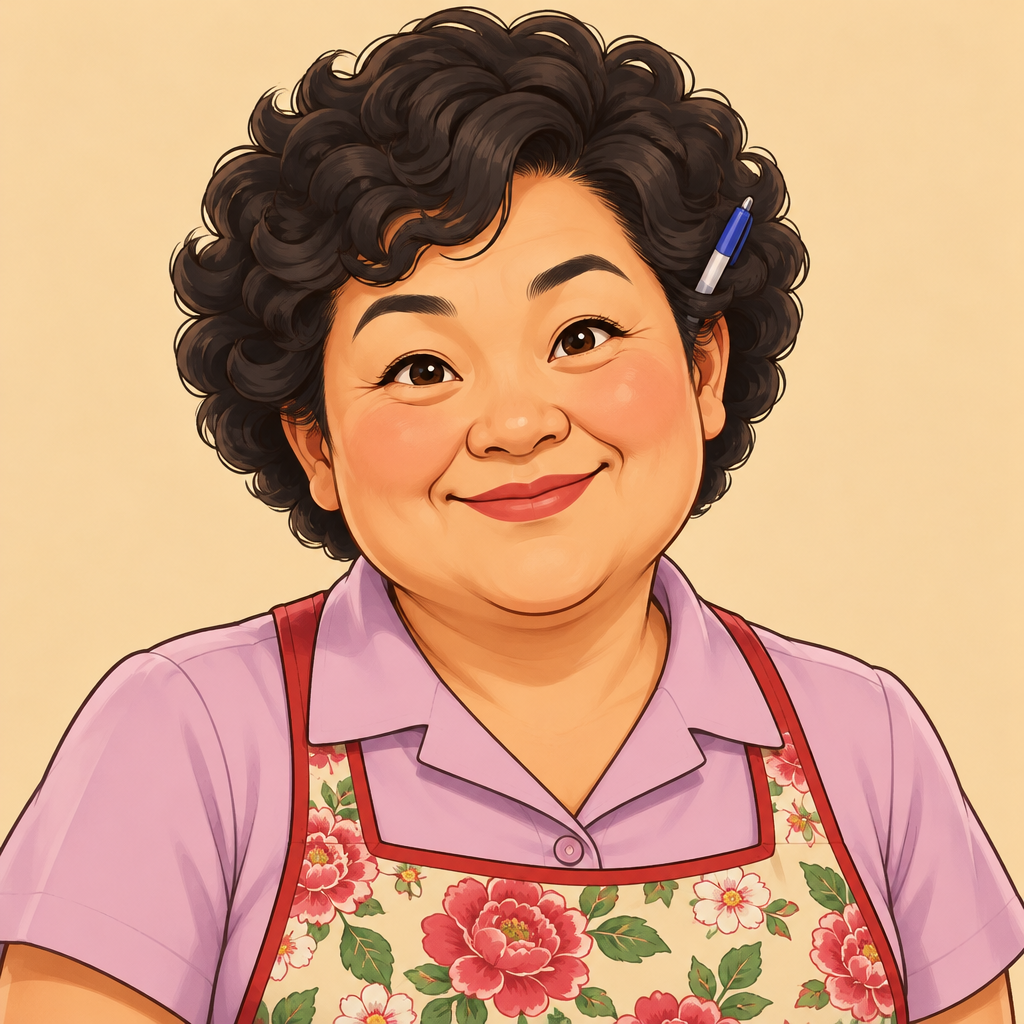 Auntie Lin阿犛,豆漿還喝嗎?A-Li, are you still drinking the soy milk?
- A-Li好啊,等一下。我還沒喝完。Sure, in a bit. I haven't finished it yet.
Practice — restate and explain
Try these short exercises to restate rules and check what they mean. Pick the line that fits each moment.
After each answer, read why the other choices do not work.
0 of 11 done
What does it mean?
What does it mean?
換句話說
What do you say?
What do you say?
A-Li asks how the MRT gates work. Choose the line that introduces the basic rule.
Fill the gap
Fill the gap
This means ___.
這_______
What did you hear?
What did you hear?
Swap the word
Swap the word
A-Li mixes tapping with topping up. Name where the difference sits.
差別_______
Build the line
Build the line
In this case.
Tap the words in order.
Match the pairs
Traditional Chinese
換句話說Drop the English here這表示___Drop the English here基本規則是___Drop the English here差別在於___Drop the English hereEnglish
Fill the gap
Fill the gap
The simplest way to say it is ___.
最簡單的____是___
What do you say?
What do you say?
A-Li's wording is too long and hard. Ask him to say it more simply.
Pick the reply
A-Li says:
Pick the reply
我這樣理解對嗎?進出都要刷,沒錢就進不去。
Do I understand this right? You tap in and out, and with no money you cannot enter.
And you reply with:
Fill the gap
Fill the gap
Insufficient balance.
餘額____
Say it — your other words
You play Maya and explain the gate rule in other words. Listen to A-Li, then say the line that fits.
Tap the microphone to speak. You can replay his line before your turn.
- A-Li holds up his EasyCard at the breakfast table.
- A-Li捷運進出都要刷卡嗎?Do you have to tap in and out on the MRT?
- Maya (you)Say the line that introduces the basic rule.
Say the line that introduces the basic rule.
基本規則是___
The basic rule is ___.
0 of 6 said
Recap — what you can say now
| Traditional Chinese | English | Play |
|---|---|---|
| 換句話說 | In other words. | |
| 這表示___ | This means ___. | |
| 最簡單的說法是___ | The simplest way to say it is ___. | |
| 基本規則是___ | The basic rule is ___. | |
| 差別在於___ | The difference is ___. | |
| 在這種情況下 | In this case. |
Save your progress — it’s free
Keep your place in the course and see which lines you’ve learned.
Want the next lesson in your inbox?
Get the next lesson by email, one a day.
Join the newsletterDaily lesson emails are coming soon. Newsletter subscribers get them first.
Keep practicing with Yak Cards
Today's restating lines are in Yak Cards with more ways to explain a rule.
Review a few cards each day so the wording comes quickly.
Open Yak Cards