
New here? This is lesson 117 of a free 240-lesson Traditional Chinese course.
Last weekend in Traditional Chinese
Maya catches up with Yi-Jun after the weekend. A trip to Yangmingshan included a hot spring, a stray dog, and an unexpected yak on the bus.
Learn to ask what someone did and describe a finished activity with 了. You can also react to a friend's story and mention your plans.
Listen for 了 after an action. A-Li is still a polite yak with an unfinished drink, not a magical answer to anything.
By the end of this lesson
Ask what someone did last weekend, describe a finished activity with 了, and respond to a weekend story.
- 你週末做了什麼?What did you do on the weekend?
- 我星期六去了陽明山On Saturday I went to Yangmingshan.
- 我待在家放鬆I stayed at home to relax.
- 聽起來很好玩That sounds fun.
- 我跟朋友吃了晚餐I had dinner with friends.
- 我還沒有什麼安排I don't have any plans yet.
Scene — a weekend recap
On Monday morning, Maya catches up with Yi-Jun at Banyan Breakfast. Maya tells her about Saturday at Yangmingshan: a hot spring, a stray dog, and A-Li on the bus.
Auntie Lin greets them, while A-Li sits nearby with his soy milk still unfinished. The weekend was surprising, but the Mandarin stays ordinary.

Learn — talk about the weekend
These lines help you ask about a finished weekend and tell someone what you did. Listen for 了 after completed actions.
You will also practise reacting to a friend's story and saying you do not have plans yet.

你週末做了什麼?
What did you do on the weekend?
When to use it: Ask a friend what they did during the weekend that has just passed.

我星期六去了陽明山
On Saturday I went to Yangmingshan.
When to use it: Use this to tell someone where you went on Saturday.
了 marks 去 as a completed action in this sentence.
Say it: 了 is usually neutral after a completed action.

我待在家放鬆
I stayed at home to relax.
When to use it: Say this when you spent your time relaxing at home.

聽起來很好玩
That sounds fun.
When to use it: React warmly after someone tells you about an enjoyable activity.

我跟朋友吃了晚餐
I had dinner with friends.
When to use it: Use this to describe a dinner with friends that is already over.
了 marks 吃 as a completed action in this sentence.

我還沒有什麼安排
I don't have any plans yet.
When to use it: Say this when someone asks about your plans and nothing is set yet.
Story — a bus ride to Yangmingshan
Maya and Yi-Jun meet at Banyan Breakfast on Monday and trade weekend stories. Maya remembers a hot spring, a stray dog, and A-Li riding the bus.
Auntie Lin is nearby, and A-Li's soy milk is still unfinished.
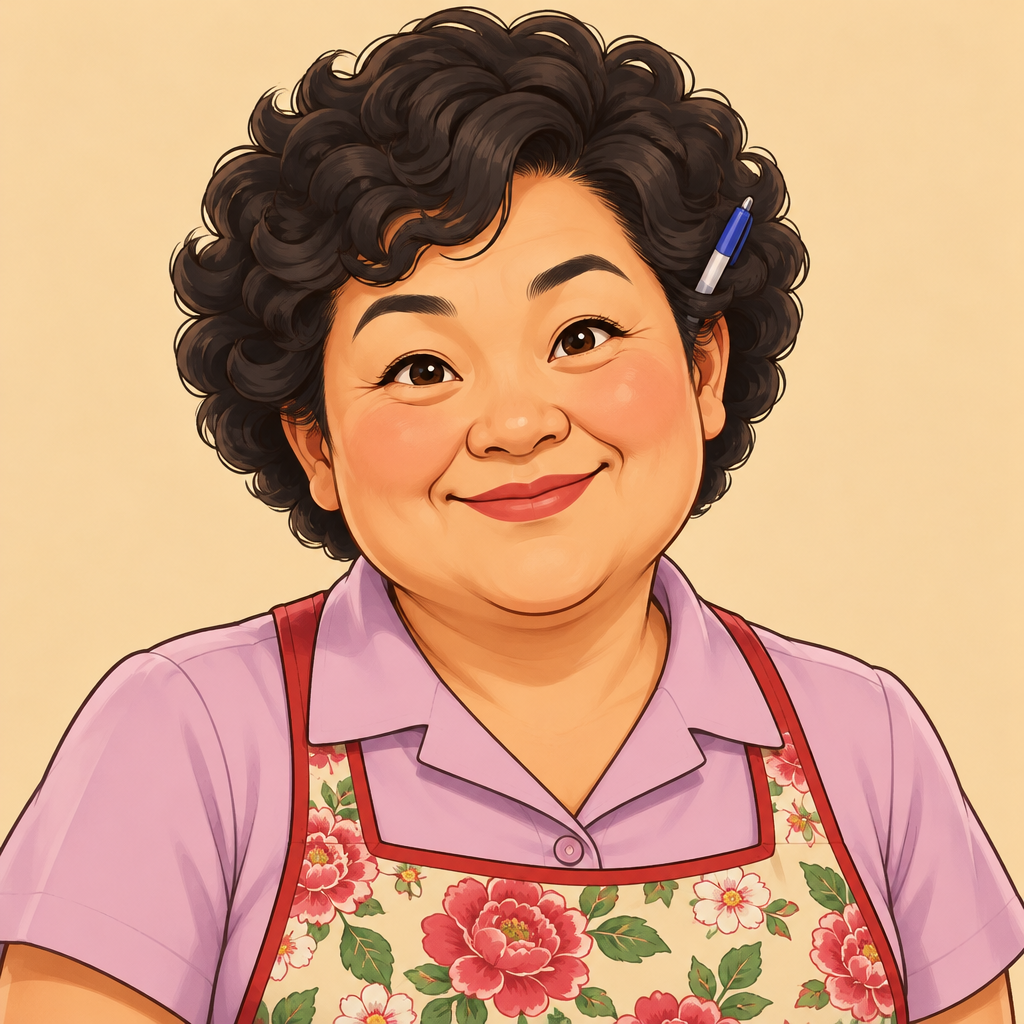 Auntie Lin早安,瑪雅!Good morning, Maya!
- Auntie Lin你好嗎?How are you?
 Maya我很好,謝謝。I'm good, thanks.
 Yi-Jun你週末做了什麼?What did you do on the weekend?
- Maya我星期六去了陽明山。On Saturday I went to Yangmingshan.
- Yi-Jun聽起來很好玩。That sounds fun.
- Maya我去泡溫泉,還遇到一隻流浪狗。I went to a hot spring and met a stray dog.
- Yi-Jun那隻狗也上公車了嗎?Did that dog get on the bus too?
- Maya對啊,阿犛也在公車上。Right, A-Li was on the bus too.
 A-Li我坐在後面,旁邊有一隻狗。I sat in the back, with a dog beside me.
- Yi-Jun星期天呢?What about Sunday?
- Maya我待在家放鬆。I stayed at home to relax.
- Yi-Jun那晚餐呢?What about dinner?
- Maya我跟朋友吃了晚餐。I had dinner with friends.
- Yi-Jun下個週末呢?What about next weekend?
- Maya我還沒有什麼安排。I don't have any plans yet.
Practice — remember what happened
Try ten exercises to ask about last weekend, describe your activities, and respond to a friend's story.
Watch where 了 appears in a completed action, then say the lines aloud.
0 of 10 done
What does it mean?
What does it mean?
你週末做了什麼?
What do you say?
What do you say?
A friend asks what you did Saturday. Say that you went to Yangmingshan.
Build the line
Build the line
I stayed at home to relax.
Tap the words in order.
Fill the gap
Fill the gap
I had dinner with friends.
我跟朋友吃了____
Match the pairs
Traditional Chinese
我星期六去了陽明山Drop the English here我待在家放鬆Drop the English here聽起來很好玩Drop the English hereEnglish
What did you hear?
What did you hear?
Pick the reply
Yi-Jun says:
Pick the reply
下個週末有安排嗎?
Do you have any plans next weekend?
And you reply with:
Swap the word
Swap the word
Change the sentence to say that the dinner with friends is finished.
我跟朋友____晚餐
What do you say?
What do you say?
Greet Auntie Lin when you arrive at the shop in the morning.
What did you hear?
What did you hear?
Say it — your weekend story
You are Maya, sharing your weekend story with Yi-Jun at the breakfast shop. Listen to her questions and answer naturally.
Use the completed-action lines for Saturday and dinner, then finish by saying whether you have plans.
- Yi-Jun asks Maya about the weekend.
- Yi-Jun你週末做了什麼?What did you do on the weekend?
- Maya (you)Say where you went on Saturday.
Say where you went on Saturday.
我星期六去了陽明山
On Saturday I went to Yangmingshan.
0 of 4 said
Recap — what you can say now
| Traditional Chinese | English | Play |
|---|---|---|
| 你週末做了什麼? | What did you do on the weekend? | |
| 我星期六去了陽明山 | On Saturday I went to Yangmingshan. | |
| 我待在家放鬆 | I stayed at home to relax. | |
| 聽起來很好玩 | That sounds fun. | |
| 我跟朋友吃了晚餐 | I had dinner with friends. | |
| 我還沒有什麼安排 | I don't have any plans yet. |
Save your progress — it’s free
Keep your place in the course and see which lines you’ve learned.
Want the next lesson in your inbox?
Get the next lesson by email, one a day.
Join the newsletterDaily lesson emails are coming soon. Newsletter subscribers get them first.
Keep practicing with Yak Cards
Review these weekend lines in Yak Cards and practise describing what you did.
Try recalling one finished activity from your own weekend and say it aloud.
Open Yak Cards