
New here? This is lesson 76 of a free 240-lesson Traditional Chinese course.
Once a week in Traditional Chinese
At Banyan Breakfast, Auntie Lin is keeping count: A-Li has been to the shop four times this month. His soy milk is still sitting unfinished beside him.
She turns to you with a question about exercise. Answer with a weekly count, compare it with A-Li’s schedule, and describe how long something takes each day.
Then talk about a monthly routine. The useful chunks in this lesson help you say how often you do something and how much time you spend.
By the end of this lesson
Ask and answer how often someone does an activity and describe how long it takes.
- 一個禮拜三次Three times a week.
- 一個月一次Once a month.
- 每天大概一個小時About an hour every day.
- 你一個禮拜運動幾次?How many times a week do you exercise?
- 我每兩個禮拜去一次I go once every two weeks.
- 這個月已經去了四次I've been four times this month already.
Scene — counting visits
At Banyan Breakfast in Da’an, Auntie Lin has a small notebook beside the till. She is counting A-Li’s visits this month while Maya waits for breakfast.
A-Li has been to the shop four times, and his soy milk is still unfinished. The fortune slip stays folded away; today’s mystery is only Auntie Lin’s careful counting.

Learn — how often and how long
These lines help you ask and answer how often someone does an activity. You can also say how long you spend on something each day.
Listen for the time period and the count of times. Together, they make a clear description of a routine.

一個禮拜三次
Three times a week.
When to use it: Use this to say how often something happens in a week.
次 counts occurrences, and 一個禮拜 gives the time period.
Say it: 一 changes to a rising tone before the fourth-tone counter 個.

一個月一次
Once a month.
When to use it: Use this to describe something that happens once each month.
一次 means one occurrence; 一個月 tells you the period.
Say it: 一 changes to a rising tone before the fourth-tone counter 個.

每天大概一個小時
About an hour every day.
When to use it: Use this to give an approximate daily amount of time.
大概 makes the amount of time approximate.
Say it: 一 changes to a rising tone before the fourth-tone counter 個.

你一個禮拜運動幾次?
How many times a week do you exercise?
When to use it: Ask someone how often they exercise during a week.
幾次 asks for the number of times something happens.
Say it: 一 changes to a rising tone before the fourth-tone counter 個.

我每兩個禮拜去一次
I go once every two weeks.
When to use it: Use this to describe an activity you do once every two weeks.
每兩個禮拜 sets a repeating two-week period.

這個月已經去了四次
I've been four times this month already.
When to use it: Use this to report how many times you have been somewhere this month.
了 marks the visits as completed, and 已經 means already.
Story — Auntie Lin keeps count
Auntie Lin counts A-Li’s visits to the breakfast shop this month. Then she asks Maya about exercise, and everyone compares their routines.
A-Li has been to the shop four times, but his soy milk remains unfinished.
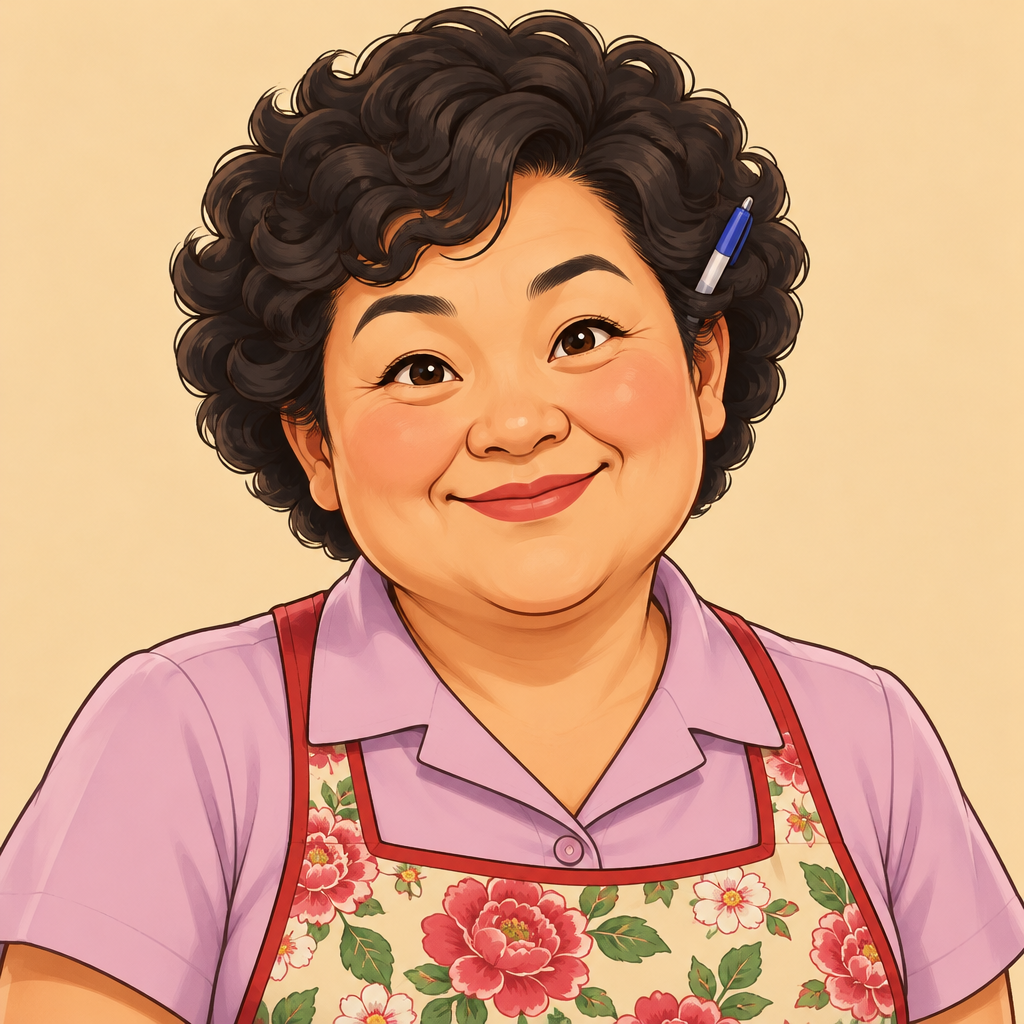 Auntie Lin歡迎光臨!Welcome in!
 Maya你好。Hello.
- Auntie Lin你好嗎?How are you?
- Maya我很好,謝謝。I’m good, thanks.
- Auntie Lin阿犛,這個月你去早餐店幾次?A-Li, how many times have you been to the breakfast shop this month?
 A-Li這個月已經去了四次。I've been four times this month already.
- Auntie Lin瑪雅,你一個禮拜運動幾次?Maya, how many times a week do you exercise?
- Maya一個禮拜三次。Three times a week.
- Auntie Lin阿犛,你多久去一次健身房?A-Li, how often do you go to the gym?
- A-Li我每兩個禮拜去一次。I go to the gym once every two weeks.
- Auntie Lin瑪雅,你每天學中文多久?Maya, how long do you study Chinese each day?
- Maya每天大概一個小時。About an hour every day.
- Auntie Lin阿犛,你多久看一次電影?A-Li, how often do you watch a movie?
- A-Li一個月一次。Once a month.
Practice — talk about routines
Try eleven quick activities about weekly, monthly, and daily routines. Listen for the time period, then choose or build the line that fits.
Some questions ask for a count, while others ask how long an activity takes. Read each situation carefully.
0 of 11 done
What does it mean?
What does it mean?
一個禮拜三次
Build the line
Build the line
Once a month.
Tap the words in order.
Fill the gap
Fill the gap
About an hour every day.
每天大概一個____
What do you say?
What do you say?
Ask a friend how many times a week they exercise.
What did you hear?
What did you hear?
What did you hear?
What did you hear?
What do you say?
What do you say?
You watch a movie only once each month. Say how often.
Match the pairs
Traditional Chinese
一個禮拜三次Drop the English here一個月一次Drop the English here你好Drop the English here歡迎光臨Drop the English hereEnglish
Pick the reply
Auntie Lin says:
Pick the reply
你每天學中文多久?
How long do you study Chinese each day?
And you reply with:
What do you say?
What do you say?
You enter a breakfast shop and greet someone you know casually.
What do you say?
What do you say?
You run the breakfast counter and welcome a customer arriving.
Say it — your weekly routine
You play Maya at Banyan Breakfast. Answer Auntie Lin’s questions about your exercise and study routine, then tell her how often you watch movies.
Listen to each prompt and say your reply out loud. Try to keep the time period and the count clear.
- Auntie Lin asks Maya about her exercise routine.
- Auntie Lin你一個禮拜運動幾次?How many times a week do you exercise?
- Maya (you)Say you exercise three times a week.
Say you exercise three times a week.
一個禮拜三次
Three times a week.
0 of 3 said
Recap — what you can say now
| Traditional Chinese | English | Play |
|---|---|---|
| 一個禮拜三次 | Three times a week. | |
| 一個月一次 | Once a month. | |
| 每天大概一個小時 | About an hour every day. | |
| 你一個禮拜運動幾次? | How many times a week do you exercise? | |
| 我每兩個禮拜去一次 | I go once every two weeks. | |
| 這個月已經去了四次 | I've been four times this month already. |
Save your progress — it’s free
Keep your place in the course and see which lines you’ve learned.
Want the next lesson in your inbox?
Get the next lesson by email, one a day.
Join the newsletterDaily lesson emails are coming soon. Newsletter subscribers get them first.
Keep practicing with Yak Cards
Review frequency and duration lines in Yak Cards to make them easier to recall.
Practise describing one weekly and one monthly routine today.
Open Yak Cards