
New here? This is lesson 229 of a free 240-lesson Traditional Chinese course.
The neighborhood meeting in Traditional Chinese
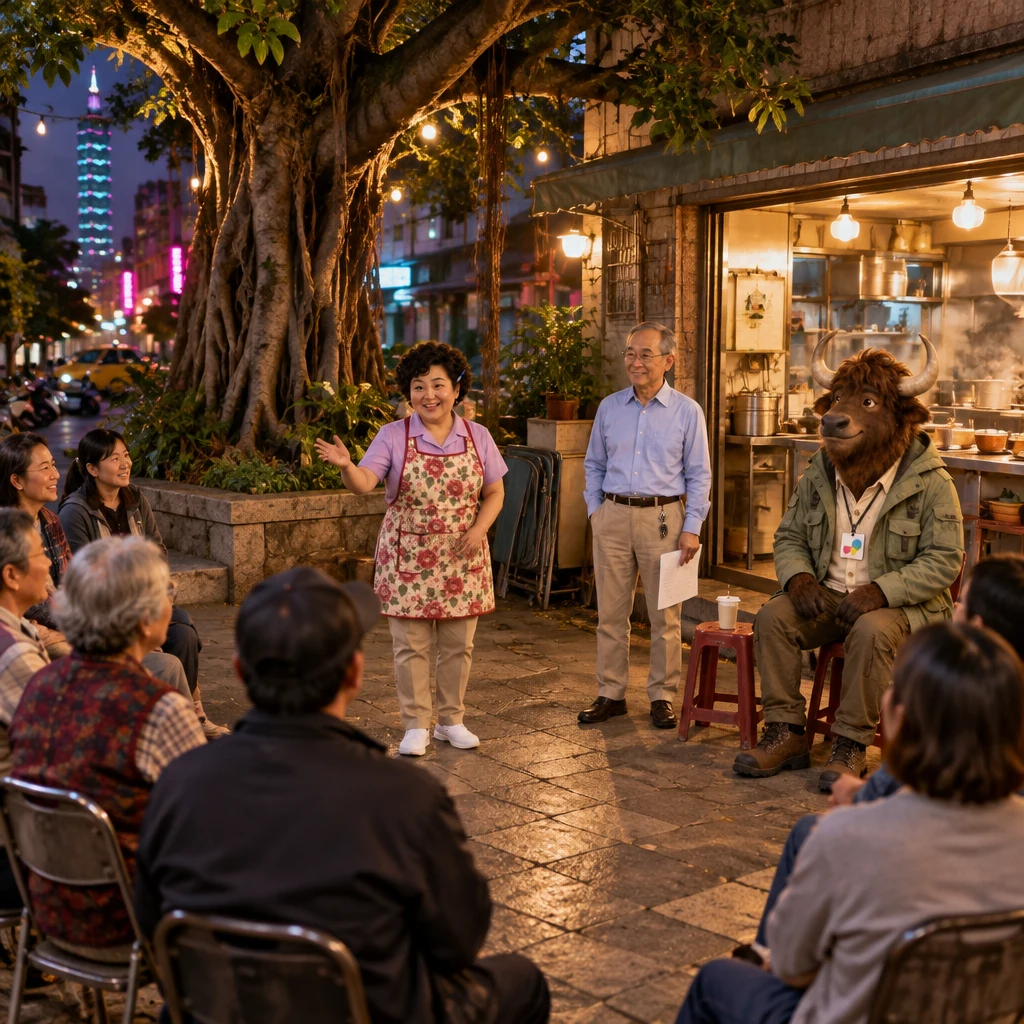
The lane meets about the banyan on the corner. Folding chairs fill the shop after closing. Auntie Lin calls everyone to order.
Mr. Wang wants the low branches cut. You live here now, so you get a say.
Learn how to propose an idea, disagree, call a vote, and close a decision. Then practise at the residents' meeting.
A-Li takes two stools and leaves his soy milk unfinished. The fortune slip stays in the till; nobody reads it tonight.
By the end of this lesson
Propose an idea, disagree, call a vote by show of hands, and close a decision at a residents' meeting.
- 我想提出一個建議I'd like to make a suggestion.
- 大家有什麼意見?What does everyone think?
- 我贊成這個辦法I support this approach.
- 我有不同的意見I have a different opinion.
- 我們舉手表決吧Let's vote by show of hands.
- 這件事就這樣決定It's decided then.
Scene — the corner banyan
Evening light sits on the corner banyan outside Banyan Breakfast. Auntie Lin has pushed tables aside for the lane meeting. Mr. Wang stands near the door with a list.
Maya has a seat among the neighbors. A-Li occupies two stools, soy milk still full. They will talk about the tree, not the slip in the till.
Learn — propose, object, vote
These six lines take you through a residents' meeting: propose, ask for views, agree or disagree, vote, and close.
Listen, then say each line. Notice 吧 when you suggest a vote, and 的 in 不同的意見.

我想提出一個建議
I'd like to make a suggestion.
When to use it: Use this to put an idea on the table at a meeting.
提出 names the act of tabling an idea, and 一個建議 is the idea itself.
Say it: The first third tone in 我想 rises before the next third tone.

大家有什麼意見?
What does everyone think?
When to use it: Ask this when you want the whole group to speak.
什麼 stays in place; Chinese question words do not move to the front.

我贊成這個辦法
I support this approach.
When to use it: Use this when you support the plan under discussion.
贊成 backs a specific approach, so it is stronger than a casual okay.

我有不同的意見
I have a different opinion.
When to use it: Use this to disagree without attacking the other person.
的 links 不同 to 意見 and frames a different view, not a fight.

我們舉手表決吧
Let's vote by show of hands.
When to use it: Suggest this when talk has gone long and you need a decision.
吧 softens the line so a vote sounds like a suggestion, not an order.

這件事就這樣決定
It's decided then.
When to use it: Use this to close the matter after a vote or clear agreement.
就這樣 shows the discussion is over and the result now stands.
Story — a vote on the tree
Listen as the lane meets about the corner banyan. Auntie Lin chairs, Mr. Wang wants a hard cut, and Maya speaks twice.
A-Li sits on two stools. His soy milk stays unfinished, and nobody opens the slip.
 Auntie Lin請坐,我們開始吧。Please sit. Let's begin.
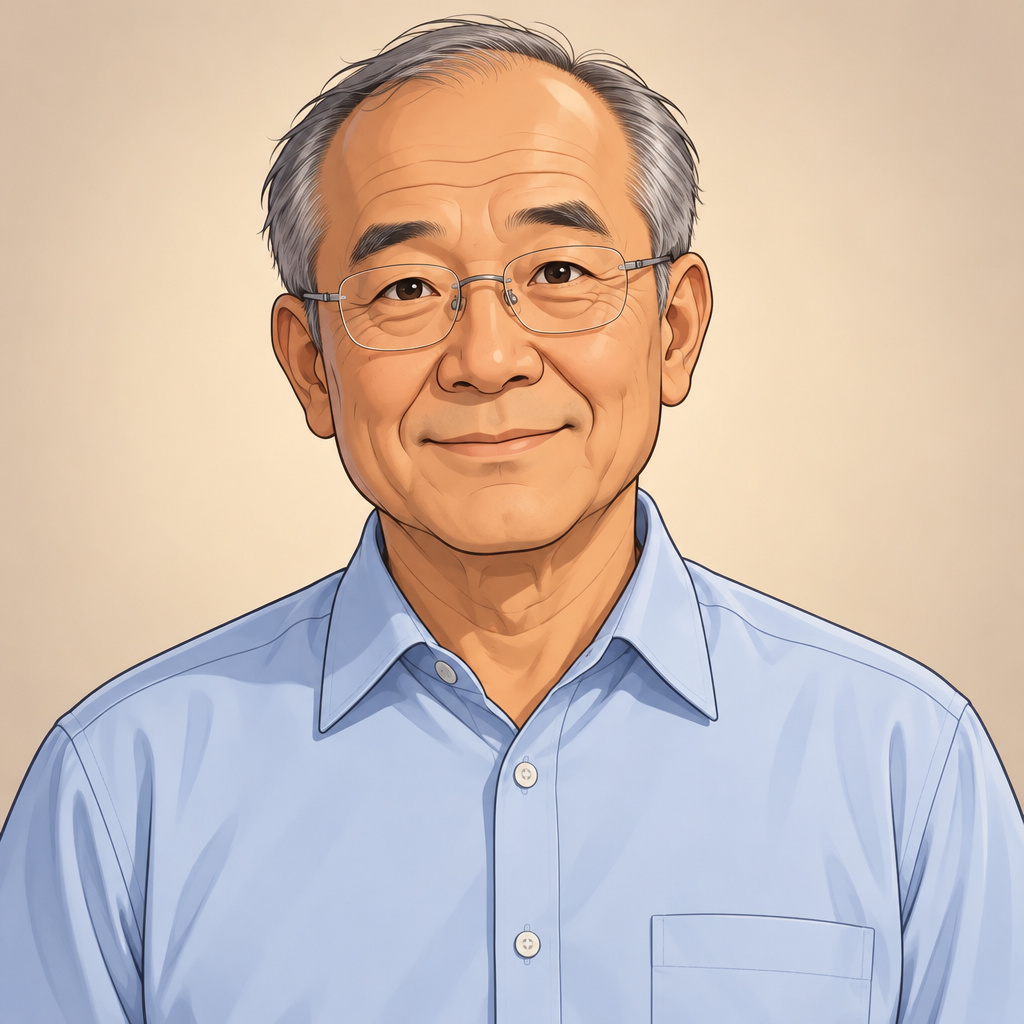 Mr. Wang今天要談路口那棵榕樹。Today we need to talk about the banyan at the corner.
- Auntie Lin有鄰居說樹枝擋住招牌了。Some neighbors say the branches are blocking the signs.
 A-Li我每天都從樹下走過去。I walk under that tree every day.
- Mr. Wang低的樹枝該修一修。The low branches should be trimmed.
- Auntie Lin大家有什麼意見?What does everyone think?
 Maya我想提出一個建議。樹留著,只修擋住路的部分。I'd like to make a suggestion. Keep the tree, and only trim what blocks the path.
- A-Li這樣行人還有陰涼。Then people walking still get shade.
- Mr. Wang我有不同的意見。修太少還是會擋住視線。I have a different opinion. If we trim too little, it will still block the view.
- Auntie Lin有沒有人有補充?Does anyone have anything to add?
- Mr. Wang機車從那邊出來會看不到。Scooters coming out from there won't see.
- A-Li整棵剪光就沒味道了。If we cut the whole tree bare, the lane loses its feel.
- Auntie Lin我們舉手表決吧。只修擋住路的部分。Let's vote by show of hands. Only trim the parts that block the path.
- Hands go up around the folding tables.
- Maya我贊成這個辦法。I support this approach.
- A-Li我也舉手。I'll raise my hand too.
- Auntie Lin這件事就這樣決定。It's decided then.
- Mr. Wang好,這週找人來修。All right, we'll get someone this week.
- A-Li豆漿還是沒喝完。The soy milk still isn't finished.
Practice — run the meeting
Work through quick exercises on proposing, disagreeing, voting, and closing a decision at the meeting. Pick the line that fits each moment.
After each answer, read why the others fail, then say the right line aloud.
0 of 10 done
What does it mean?
What does it mean?
我想提出一個建議
What do you say?
What do you say?
You've explained keeping the tree and trimming only what blocks the path. Open the floor.
Build the line
Build the line
It's decided then.
Tap the words in order.
Fill the gap
Fill the gap
I have a different opinion.
我有____的意見
What did you hear?
What did you hear?
Pick the reply
Auntie Lin says:
Pick the reply
只修擋住路的部分,可以嗎?
Shall we only trim the parts that block the path?
And you reply with:
Swap the word
Swap the word
Chairs are out and neighbors are waiting. Open the meeting with the right verb.
我們____吧
What do you say?
What do you say?
Neighbors are still standing by the door. Seat them before the agenda starts.
Fill the gap
Fill the gap
Does anyone have anything to add?
有沒有人有____?
Match the pairs
Traditional Chinese
我想提出一個建議Drop the English here我贊成這個辦法Drop the English here我有不同的意見Drop the English here這件事就這樣決定Drop the English hereEnglish
Say it — your say at the meeting
You play Maya at the residents' meeting. Listen to each cue, then speak the line for proposing, disagreeing, voting, or closing.
Tap the microphone. You can replay the other person's line before your turn.
- The neighbors have filled Banyan Breakfast after closing.
- Auntie Lin路口那棵榕樹,先請瑪雅說。About the banyan on the corner, Maya first.
- Maya (you)Tell the group you'd like to make a suggestion.
Tell the group you'd like to make a suggestion.
我想提出一個建議
I'd like to make a suggestion.
0 of 6 said
Recap — what you can say now
| Traditional Chinese | English | Play |
|---|---|---|
| 我想提出一個建議 | I'd like to make a suggestion. | |
| 大家有什麼意見? | What does everyone think? | |
| 我贊成這個辦法 | I support this approach. | |
| 我有不同的意見 | I have a different opinion. | |
| 我們舉手表決吧 | Let's vote by show of hands. | |
| 這件事就這樣決定 | It's decided then. |
Save your progress — it’s free
Keep your place in the course and see which lines you’ve learned.
Want the next lesson in your inbox?
Get the next lesson by email, one a day.
Join the newsletterDaily lesson emails are coming soon. Newsletter subscribers get them first.
Keep practicing with Yak Cards
Today's meeting lines are in Yak Cards with more phrases for proposing, voting, and closing a discussion.
Review a few cards before the next neighborhood chat so proposing and voting come quickly.
Open Yak Cards