Traditional Chinese - Prices and Quantity

Lesson 17 of 152

A lively Taiwan night market stall with price signs in Traditional Chinese, showing a Taiwan Mandarin lesson about asking prices and quantities. A learner points at fruit while preparing to ask how much it costs.

Goal: Ask the price, choose the amount, and survive the checkout counter.

Free traditional Chinese lessons with Taiwan Mandarin audio and speaking practice.

Welcome back! Today we’re doing the very useful wallet dance: ask the price, decide how many, and pay without panic.

Level A1: this lesson helps you handle simple shopping moments in Taiwan. You’ll practice asking ___多少錢?(___ duōshǎo qián?), checking 總共多少錢?(Zǒnggòng duōshǎo qián?), saying how many you want, and reacting when something is 太貴了 (tài guì le). Your Yak Yacker shopping cart is small, but mighty.

After this lesson you'll be able to:

  • Ask the price of an item with ___多少錢?(___ duōshǎo qián?) and 多少錢?(Duōshǎo qián?).
  • Say or understand simple prices using ___。(___.), 每個___。(Měi ge ___.), and 總共多少錢?(Zǒnggòng duōshǎo qián?).
  • Request quantities politely with 我要___,謝謝。(Wǒ yào ___, xièxie.) and 只要___,謝謝。(Zhǐ yào ___, xièxie.)
  • At A1, respond to common checkout questions like 付現還是刷卡?(Fù xiàn háishì shuā kǎ?)
A friendly shop counter in Taiwan with snacks, coins, and a card reader, introducing Traditional Chinese phrases for price and quantity in Taiwan Mandarin. The scene feels bright, practical, and beginner-friendly.

Ready? Let's go!

When you tap play on phrases, we track your progress through this lesson.

1. Reading + Listening Practice

Hear core phrases, repeat aloud.

___多少錢

___ duōshǎo qián?

How much is ___?

Meaning: ___多少錢?(___ duōshǎo qián?) means “How much is ___?”

When to use: Use it when you point to or name an item and want to know the price.

Tip: Don’t forget 錢 (qián) when asking about price. 多少 (duōshǎo) alone can also mean “how many/how much amount.”

這個多少錢

Zhège duōshǎo qián?

How much is this?
這杯咖啡多少錢?

Zhè bēi kāfēi duōshǎo qián?

How much is this coffee?

___

___.

It's ___.

Meaning: ___。(___.) is a short answer meaning “It’s ___.”

When to use: Use a price by itself when answering how much something costs.

五十塊

Wǔshí kuài.

It’s fifty NT dollars.
一百二十塊

Yìbǎi èrshí kuài.

It’s one hundred twenty NT dollars.

總共多少錢

Zǒnggòng duōshǎo qián?

How much is the total?

Meaning: 總共多少錢?(Zǒnggòng duōshǎo qián?) means “How much is the total?”

When to use: Use it at checkout or after choosing several things.

總共多少錢

Zǒnggòng duōshǎo qián?

How much is the total?
我要兩個。總共多少錢?

Wǒ yào liǎng ge. Zǒnggòng duōshǎo qián?

I’ll take two. How much is the total?

幾個

Jǐ ge?

How many?

Meaning: 幾個?(Jǐ ge?) means “How many?”

When to use: Use it to ask the number of countable things, especially in quick shopping talk.

Tip: 個 (ge) is a general counter, but some items use different counters, like 杯 (bēi) for cups.

你要幾個

Nǐ yào jǐ ge?

How many do you want?
蘋果要幾個

Píngguǒ yào jǐ ge?

How many apples do you want?

多少錢

Duōshǎo qián?

How much?

Meaning: 多少錢?(Duōshǎo qián?) means “How much is it?”

When to use: Use it when the item is already clear from context, like when you are holding or pointing at something.

多少錢

Duōshǎo qián?

How much is it?
這個多少錢

Zhège duōshǎo qián?

How much is this?

我要___,謝謝。

Wǒ yào ___, xièxie.

___, please.

Meaning: 我要___,謝謝。(Wǒ yào ___, xièxie.) means “___, please.”

When to use: Use it when ordering food or buying something and saying what you want.

我要兩個,謝謝。

Wǒ yào liǎng ge, xièxie.

Two, please.
我要一杯咖啡,謝謝。

Wǒ yào yì bēi kāfēi, xièxie.

One coffee, please.

只要___,謝謝。

Zhǐ yào ___, xièxie.

Just ___, please.

Meaning: 只要___,謝謝。(Zhǐ yào ___, xièxie.) means “Just ___, please.”

When to use: Use it when you want to make clear that you only need that amount or item.

只要一個,謝謝。

Zhǐ yào yí ge, xièxie.

Just one, please.
只要這個,謝謝。

Zhǐ yào zhège, xièxie.

Just this one, please.

這太貴了

Zhè tài guì le.

That's too expensive.

Meaning: 這太貴了。(Zhè tài guì le.) means “That’s too expensive.”

When to use: Use it when a price feels too high.

Tip: This is direct. Say it with a friendly tone if you want to keep the conversation soft.

這太貴了

Zhè tài guì le.

That’s too expensive.
五百塊?這太貴了。

Wǔbǎi kuài? Zhè tài guì le.

Five hundred? That’s too expensive.

有便宜一點的嗎?

Yǒu piányí yìdiǎn de ma?

Do you have a cheaper one?

Meaning: 有便宜一點的嗎?(Yǒu piányí yìdiǎn de ma?) means “Do you have a cheaper one?”

When to use: Use it when shopping and you want to ask for a lower-priced option.

有便宜一點的嗎?

Yǒu piányí yìdiǎn de ma?

Do you have a cheaper one?
這太貴了。有便宜一點的嗎?

Zhè tài guì le. Yǒu piányí yìdiǎn de ma?

That’s too expensive. Do you have a cheaper one?

我的錢不夠

Wǒ de qián bú gòu.

I don't have enough money.

Meaning: 我的錢不夠。(Wǒ de qián bú gòu.) means “I don’t have enough money.”

When to use: Use it when you cannot pay the full amount with the money you have.

我的錢不夠

Wǒ de qián bú gòu.

I don’t have enough money.
一百二十塊?我的錢不夠。

Yìbǎi èrshí kuài? Wǒ de qián bú gòu.

One hundred twenty? I don’t have enough money.

付現還是刷卡

Fù xiàn háishì shuā kǎ?

Cash or card?

Meaning: 付現還是刷卡?(Fù xiàn háishì shuā kǎ?) means “Cash or card?”

When to use: Use it or listen for it when choosing a payment method.

付現還是刷卡

Fù xiàn háishì shuā kǎ?

Cash or card?
總共一百塊。付現還是刷卡?

Zǒnggòng yìbǎi kuài. Fù xiàn háishì shuā kǎ?

The total is one hundred. Cash or card?

這是單價嗎

Zhè shì dānjià ma?

Is that each?

Meaning: 這是單價嗎?(Zhè shì dānjià ma?) means “Is that each?”

When to use: Use it to check whether the price is for one item or for all of them.

這是單價嗎

Zhè shì dānjià ma?

Is that each?
五十塊?這是單價嗎?

Wǔshí kuài? Zhè shì dānjià ma?

Fifty? Is that each?

每個___

Měi ge ___.

___ each.

Meaning: 每個___。(Měi ge ___.) means “___ each.”

When to use: Use it before a price to say the cost per item.

每個五十塊

Měi ge wǔshí kuài.

Fifty each.
每個三十塊

Měi ge sānshí kuài.

Thirty each.

2. Conversational Listening Practice

Hear phrases in a real mini-conversation.

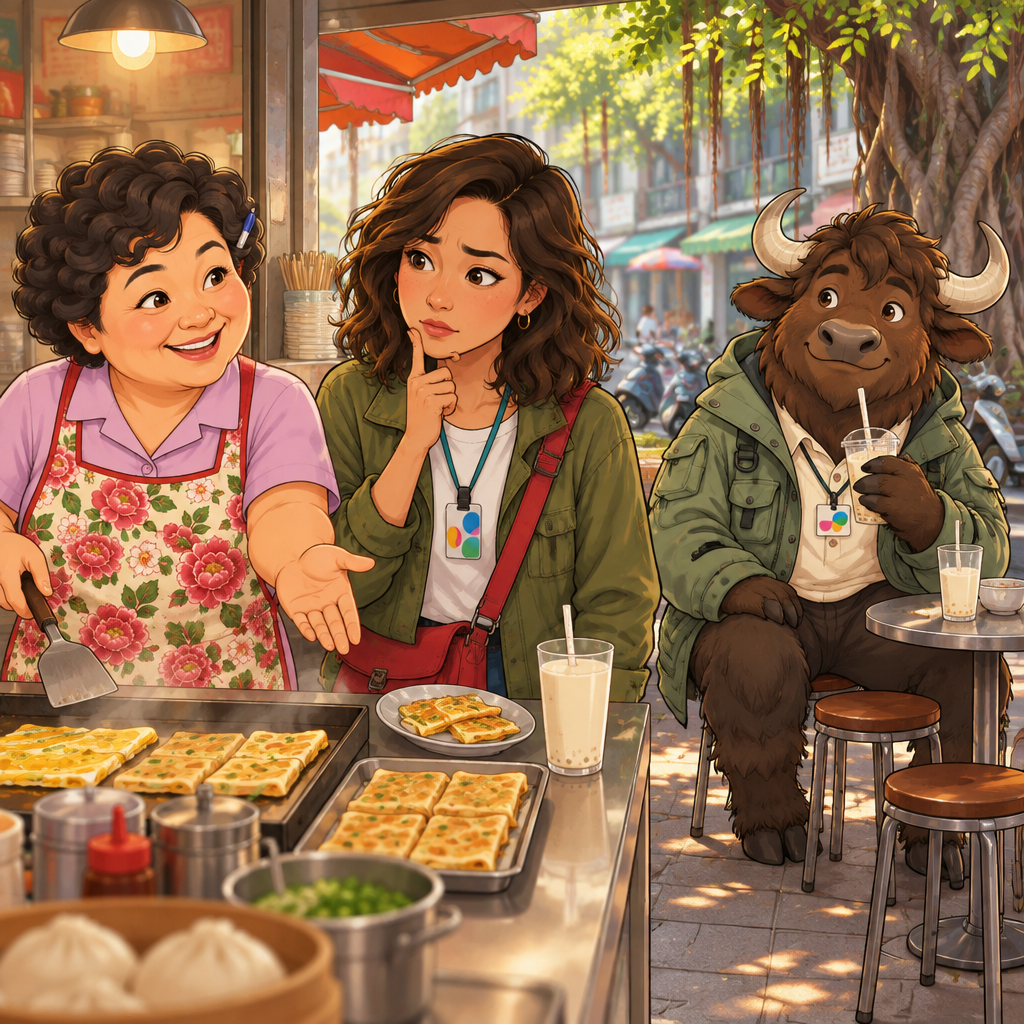
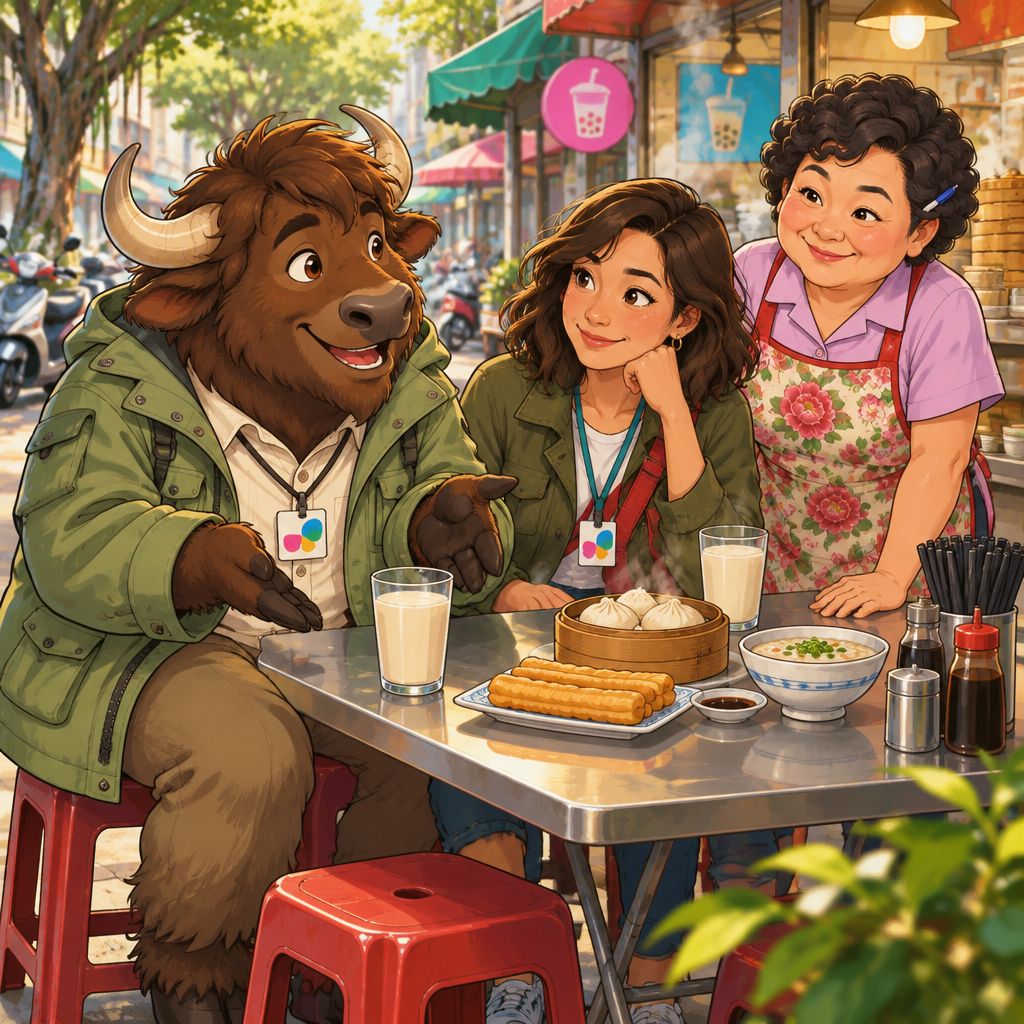
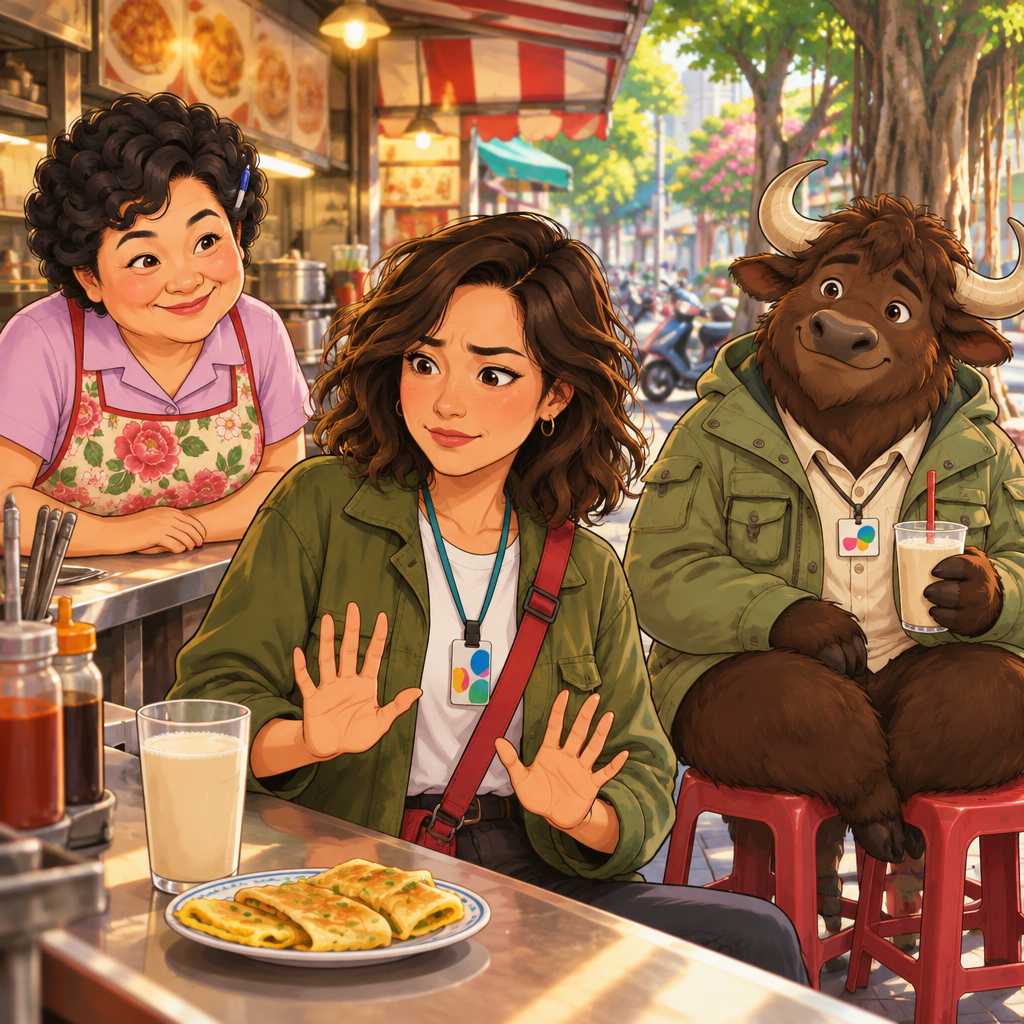
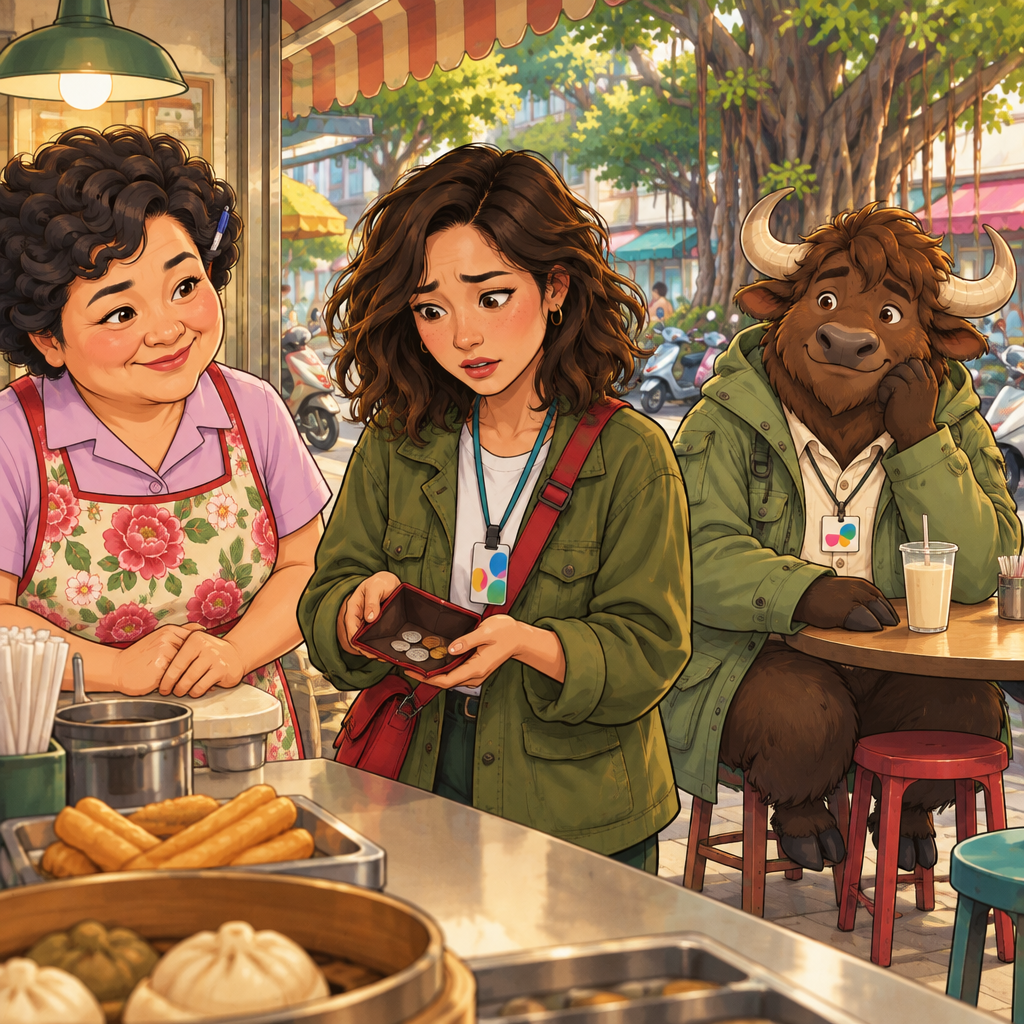
Anna is buying small gifts from David at a market stall.

Two people at a small Taiwan market stall using Traditional Chinese and Taiwan Mandarin to ask the unit price, total price, and payment method. The dialogue scene shows a realistic shopping exchange.

Does Anna buy the more expensive item or ask for a cheaper option?

Portrait of Anna in a Traditional Chinese lesson dialogue

Anna

這個多少錢

Zhège duōshǎo qián?

How much is this?

Portrait of David in a Traditional Chinese lesson dialogue

David

每個五十塊

Měi ge wǔshí kuài.

Fifty each.

Portrait of Anna in a Traditional Chinese lesson dialogue

Anna

這是單價嗎

Zhè shì dānjià ma?

Is that each?

Portrait of David in a Traditional Chinese lesson dialogue

David

對。你要幾個

Duì. Nǐ yào jǐ ge?

Yes. How many do you want?

Portrait of Anna in a Traditional Chinese lesson dialogue

Anna

我要兩個,謝謝。總共多少錢?

Wǒ yào liǎng ge, xièxie. Zǒnggòng duōshǎo qián?

Two, please. How much is the total?

Portrait of David in a Traditional Chinese lesson dialogue

David

總共一百塊。付現還是刷卡?

Zǒnggòng yìbǎi kuài. Fù xiàn háishì shuā kǎ?

The total is one hundred. Cash or card?

Portrait of Anna in a Traditional Chinese lesson dialogue

Anna

我的錢不夠。有便宜一點的嗎?

Wǒ de qián bú gòu. Yǒu piányí yìdiǎn de ma?

I don’t have enough money. Do you have a cheaper one?

Portrait of David in a Traditional Chinese lesson dialogue

David

有,這個每個三十塊。

Yǒu, zhège měi ge sānshí kuài.

Yes, this one is thirty each.

3. Guided Practice

Quizzes and matching to lock in meaning.

Which phrase asks “How much is this coffee?”

You chose several items and want the total. What do you ask?

A shopkeeper asks how you want to pay. Which phrase would they use?

Which phrase politely says “Just one, please”?

Two, please.

老闆:你要幾個?客人:___,謝謝。

How much is this?

客人想知道價錢,問老闆:「請問,這個蘋果___?」

Do you have a cheaper one?

客人:這個包包太貴了,我的錢不夠,有___嗎?

Match the core phrases

Match the extra phrases

4. Speaking Practice

Say phrases yourself (mic/recording).

Recording stays on your device only. Check speech uses your browser's speech tools when available.

Say this phrase out loud:

___多少錢

___ duōshǎo qián?

How much is ___?

Say this phrase out loud:

___

___.

It’s ___.

Say this phrase out loud:

總共多少錢

Zǒnggòng duōshǎo qián?

How much is the total?

Say this phrase out loud:

幾個

Jǐ ge?

How many?

Say this phrase out loud:

多少錢

Duōshǎo qián?

How much is it?

Say this phrase out loud:

我要___,謝謝。

Wǒ yào ___, xièxie.

___, please.

Say this phrase out loud:

只要___,謝謝。

Zhǐ yào ___, xièxie.

Just ___, please.

Say this phrase out loud:

這太貴了

Zhè tài guì le.

That's too expensive.

Say this phrase out loud:

有便宜一點的嗎?

Yǒu piányí yìdiǎn de ma?

Do you have a cheaper one?

Say this phrase out loud:

我的錢不夠

Wǒ de qián bú gòu.

I don't have enough money.

Say this phrase out loud:

付現還是刷卡

Fù xiàn háishì shuā kǎ?

Cash or card?

Say this phrase out loud:

這是單價嗎

Zhè shì dānjià ma?

Is that each?

Say this phrase out loud:

每個___

Měi ge ___.

___ each.