
New here? This is lesson 44 of a free 240-lesson Traditional Chinese course.
Where I live in Traditional Chinese
Maya has settled into the apartment above the scooter shop on Banyan Lane. Auntie Lin asks where she lives, and Maya shares a few details about her new place.
Learn to say your street, floor, and how close you are to the MRT. You can also describe a room that is not very big.
A-Li says he lives around, though he is not very specific. His soy milk is still unfinished, and the fortune slip remains a mystery.
By the end of this lesson
Say where you live, name your floor, describe a room, and say whether it is close to the MRT.
- 我住在___I live in ___.
- 我住在榕樹巷I live on Banyan Lane.
- 我住在二樓I live on the second floor.
- 離捷運站很近It is very close to the MRT station.
- 這個房間不大This room is not big.
- 你住在哪裡?Where do you live?
Scene — a home above the scooter shop
Maya is at Banyan Breakfast after moving into the apartment above the scooter shop on Banyan Lane. Auntie Lin asks where she lives, and Maya describes the apartment.
A-Li is nearby with his usual soy milk. He says he lives around, but does not explain exactly where. The fortune slip stays folded in the till.

Learn — talking about where you live
Listen to the ways Maya describes her home, from the street to the floor and the room itself.
Learn each useful phrase as one piece, then notice how the details fit together.

我住在___
I live in ___.
When to use it: Use this frame to say where you live; add a place.
Learn it as one piece.

我住在榕樹巷
I live on Banyan Lane.
When to use it: Use this to say you live on Banyan Lane.

我住在二樓
I live on the second floor.
When to use it: Use this to say your home is on the second floor.

離捷運站很近
It is very close to the MRT station.
When to use it: Use this to describe a place near the MRT.

這個房間不大
This room is not big.
When to use it: Use this to describe a room that is small.

你住在哪裡?
Where do you live?
When to use it: Ask someone where they live.
Story — home on Banyan Lane
Join Maya at Banyan Breakfast after she has moved above the scooter shop. Auntie Lin asks about her new place, and A-Li listens from his usual table.
His answer is short and vague: he lives around. His soy milk is still unfinished, and nobody reads or explains the fortune slip.
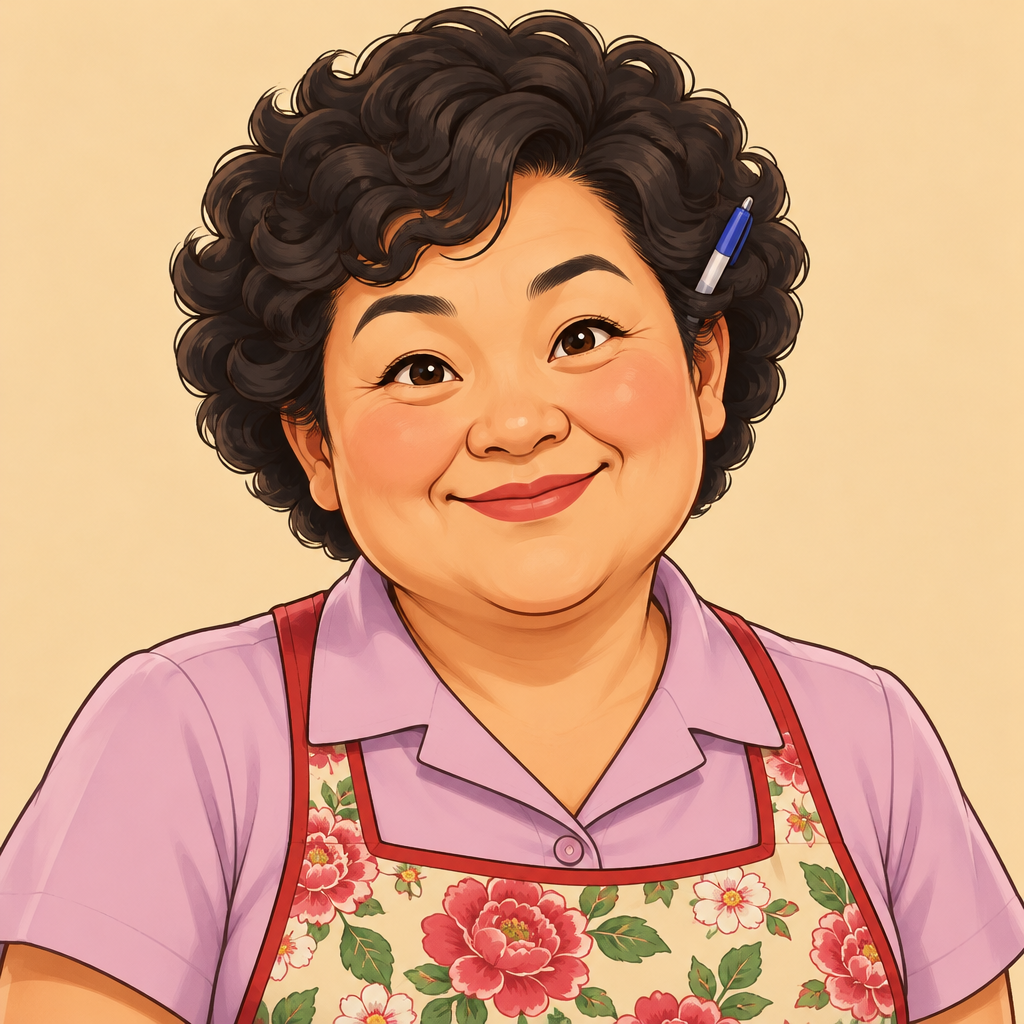 Auntie Lin你好,瑪雅!Hello, Maya!
 Maya你好。Hello.
- Auntie Lin你住在哪裡?Where do you live?
- Maya我住在榕樹巷。I live on Banyan Lane.
- Maya我住在二樓。I live on the second floor.
- Maya離捷運站很近。It is very close to the MRT station.
- Maya這個房間不大。This room is not big.
- Maya turns toward A-Li before asking him the same question.
- Maya你呢?And you?
 A-Li我住在附近。I live around here.
Practice — describe your place
Try eleven short exercises about where someone lives and what their home is like.
Build, listen, and choose the lines that fit each situation. Then say some of them aloud.
0 of 11 done
What does it mean?
What does it mean?
我住在榕樹巷
What do you say?
What do you say?
Auntie Lin asks where you live. Give a simple answer using a place name.
Build the line
Build the line
I live on the second floor.
Tap the words in order.
Fill the gap
Fill the gap
It is very close to the MRT station.
離捷運站很____
What do you say?
What do you say?
A friend asks what your room is like. Say that it is not big.
Match the pairs
Traditional Chinese
我住在榕樹巷Drop the English here我住在二樓Drop the English here離捷運站很近Drop the English here這個房間不大Drop the English hereEnglish
What did you hear?
What did you hear?
Pick the reply
Auntie Lin says:
Pick the reply
你住在哪裡?
Where do you live?
And you reply with:
What did you hear?
What did you hear?
What did you hear?
What did you hear?
What do you say?
What do you say?
You want a reusable sentence frame for telling someone where you live. Choose the frame and fill in a place.
Say it — tell them about home
You are Maya, sharing a few details about your new apartment with Auntie Lin and A-Li.
Listen to each cue, then answer or ask a question aloud. Keep your answers short and natural.
- Auntie Lin asks Maya about her new home.
- Auntie Lin你住在哪裡?Where do you live?
- Maya (you)Tell Auntie Lin that you live on Banyan Lane.
Tell Auntie Lin that you live on Banyan Lane.
我住在榕樹巷
I live on Banyan Lane.
0 of 4 said
Recap — what you can say now
| Traditional Chinese | English | Play |
|---|---|---|
| 我住在___ | I live in ___. | |
| 我住在榕樹巷 | I live on Banyan Lane. | |
| 我住在二樓 | I live on the second floor. | |
| 離捷運站很近 | It is very close to the MRT station. | |
| 這個房間不大 | This room is not big. | |
| 你住在哪裡? | Where do you live? |
Save your progress — it’s free
Keep your place in the course and see which lines you’ve learned.
Want the next lesson in your inbox?
Get the next lesson by email, one a day.
Join the newsletterDaily lesson emails are coming soon. Newsletter subscribers get them first.
Keep practicing with Yak Cards
Today's home phrases are in Yak Cards with more useful lines for everyday life.
Review a few cards each day so you can describe your home with ease.
Open Yak Cards