
New here? This is lesson 77 of a free 240-lesson Traditional Chinese course.
Always, often, never in Traditional Chinese
Auntie Lin has been keeping track of your visits to Banyan Breakfast. Her tally goes from sometimes to every day in just one week.
Learn ways to describe how often you visit, cook, drink coffee, eat late-night snacks, and take the MRT.
A-Li is at his usual table with his soy milk still unfinished. The tally is ordinary neighborhood bookkeeping, not a clue about the fortune slip.
By the end of this lesson
Describe how often you do everyday activities, from occasionally to always or never.
- 我常常來這裡I often come here.
- 我偶爾會自己煮I occasionally cook.
- 我很少喝咖啡I rarely drink coffee.
- 我從來不吃宵夜I never eat late-night snacks.
- 我總是搭捷運I always take the MRT.
- 沒有以前那麼常了Not as often as before.
Scene — a week at the breakfast shop
At Banyan Breakfast in Da'an, Auntie Lin looks over a tally of Maya's visits. The count has changed from occasional visits to a visit every day this week.
Maya talks about her cooking and other routines. A-Li joins in from the next table, where his soy milk is still waiting.

Learn — talk about how often
These lines give you a range of frequency, from occasionally and rarely to often, always, and never.
Frequency words usually come before the action. Listen for the difference between 常常 and 總是.

我常常來這裡
I often come here.
When to use it: Use this to say you visit a place often.
常常 comes before the action to describe how often it happens.

我偶爾會自己煮
I occasionally cook.
When to use it: Use this to say you cook by yourself once in a while.
偶爾 comes before 會自己煮 to describe an occasional habit.

我很少喝咖啡
I rarely drink coffee.
When to use it: Use this to say you drink coffee only on rare occasions.
很少 comes before the action to mean that it happens rarely.

我從來不吃宵夜
I never eat late-night snacks.
When to use it: Use this to say you never eat late-night snacks.
從來不 before an action means that you never do it.

我總是搭捷運
I always take the MRT.
When to use it: Use this to say you take the MRT every time.
總是 comes before the action to mean that it happens every time.

沒有以前那麼常了
Not as often as before.
When to use it: Use this to say something happens less often than it used to.
那麼常 compares how often something happens now with an earlier time.
Story — Lin keeps a tally
Auntie Lin compares her tally of Maya's breakfast-shop visits from this week with last week.
The neighbors chat about their routines. A-Li joins in, still leaving his soy milk unfinished.
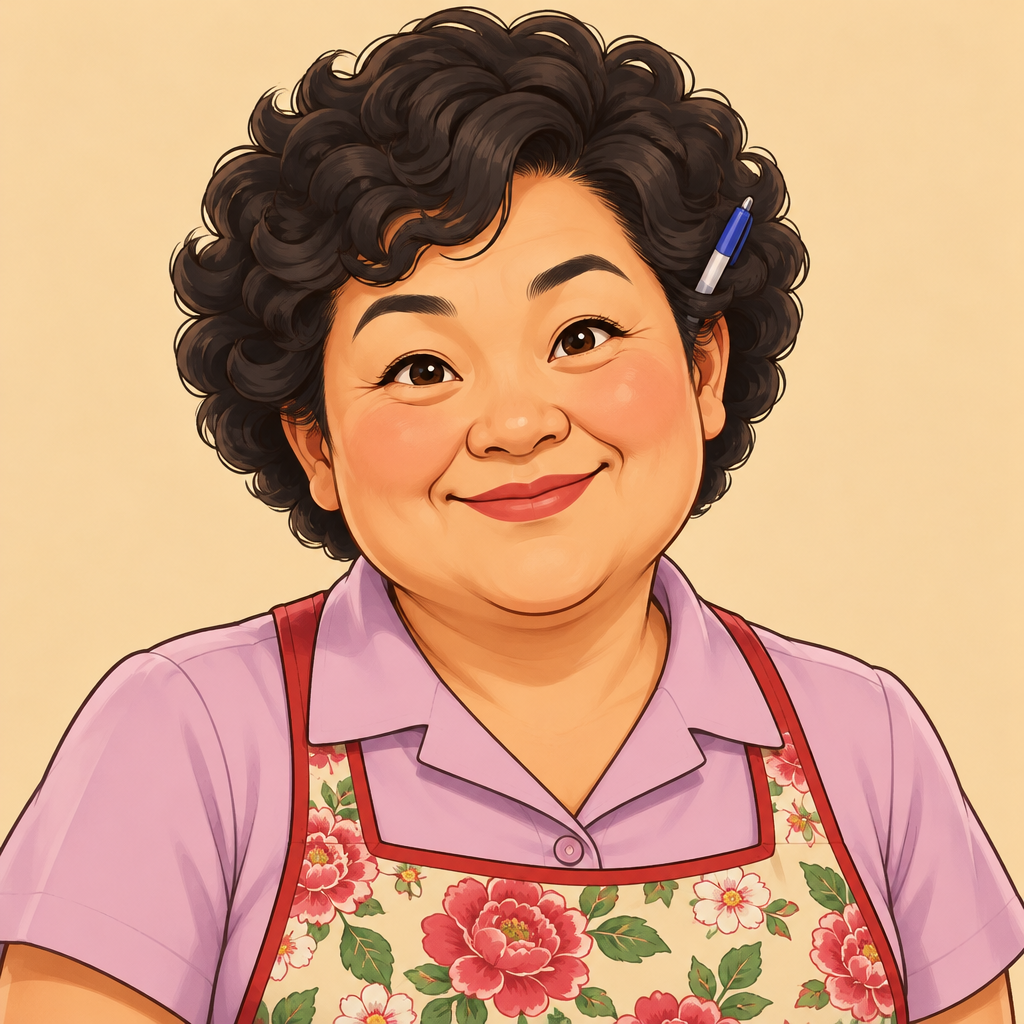 Auntie Lin早安,瑪雅!Good morning, Maya!
 Maya早安,林阿姨。Good morning, Auntie Lin.
- Auntie Lin我把你這週來店的次數記下來了。I wrote down how many times you came this week.
- Maya我常常來這裡。I often come here.
- Auntie Lin上週你偶爾來,這週你天天都來。Last week you came occasionally; this week you come every day.
- Maya我偶爾會自己煮。I occasionally cook.
- Auntie Lin阿犛,你每天怎麼來?A-Li, how do you get here every day?
 A-Li我總是搭捷運。I always take the MRT.
- Auntie Lin你早上喝咖啡嗎?Do you drink coffee in the morning?
- Maya我很少喝咖啡。I rarely drink coffee.
- Auntie Lin你晚上會吃宵夜嗎?Do you eat late-night snacks?
- Maya我從來不吃宵夜。I never eat late-night snacks.
- Auntie Lin你現在自己煮,跟以前一樣常嗎?Do you cook as often now as before?
- Maya沒有以前那麼常了。Not as often as before.
- A-Li我也想自己煮,欸,豆漿還沒喝完。I want to cook for myself too. Oh, I still haven't finished my soy milk.
Practice — choose the right frequency
Try nine exercises to choose, build, and say lines about habits and routines.
Use the English meanings to check how often something happens, then practise each line aloud.
0 of 9 done
Build the line
Build the line
I often come here.
Tap the words in order.
What do you say?
What do you say?
Your friend asks if you eat late-night snacks. Say that you never do.
What does it mean?
What does it mean?
我很少喝咖啡
Fill the gap
Fill the gap
I occasionally cook.
我____會自己煮
Match the pairs
Traditional Chinese
我常常來這裡Drop the English here我很少喝咖啡Drop the English here我從來不吃宵夜Drop the English here我總是搭捷運Drop the English hereEnglish
Pick the reply
A-Li says:
Pick the reply
我偶爾會自己煮。
I occasionally cook.
And you reply with:
What did you hear?
What did you hear?
What did you hear?
What did you hear?
What do you say?
What do you say?
You greet Auntie Lin in the morning. Say good morning.
Say it — talk about your habits
You play Maya and chat with Auntie Lin about the tally and your routines.
Listen to each cue, then say how often you visit, cook, or drink coffee. Finish by comparing your cooking with before.
- Auntie Lin shows Maya the tally of her visits.
- Maya (you)Tell Auntie Lin you often come here.
Tell Auntie Lin you often come here.
我常常來這裡
I often come here.
0 of 4 said
Recap — what you can say now
| Traditional Chinese | English | Play |
|---|---|---|
| 我常常來這裡 | I often come here. | |
| 我偶爾會自己煮 | I occasionally cook. | |
| 我很少喝咖啡 | I rarely drink coffee. | |
| 我從來不吃宵夜 | I never eat late-night snacks. | |
| 我總是搭捷運 | I always take the MRT. | |
| 沒有以前那麼常了 | Not as often as before. |
Save your progress — it’s free
Keep your place in the course and see which lines you’ve learned.
Want the next lesson in your inbox?
Get the next lesson by email, one a day.
Join the newsletterDaily lesson emails are coming soon. Newsletter subscribers get them first.
Keep practicing with Yak Cards
Review today's frequency phrases in Yak Cards and practise describing your routines.
Review the frequency scale again tomorrow and use it to describe one everyday habit.
Open Yak Cards