Traditional Chinese - Paying in Taiwan

Lesson 146 of 152

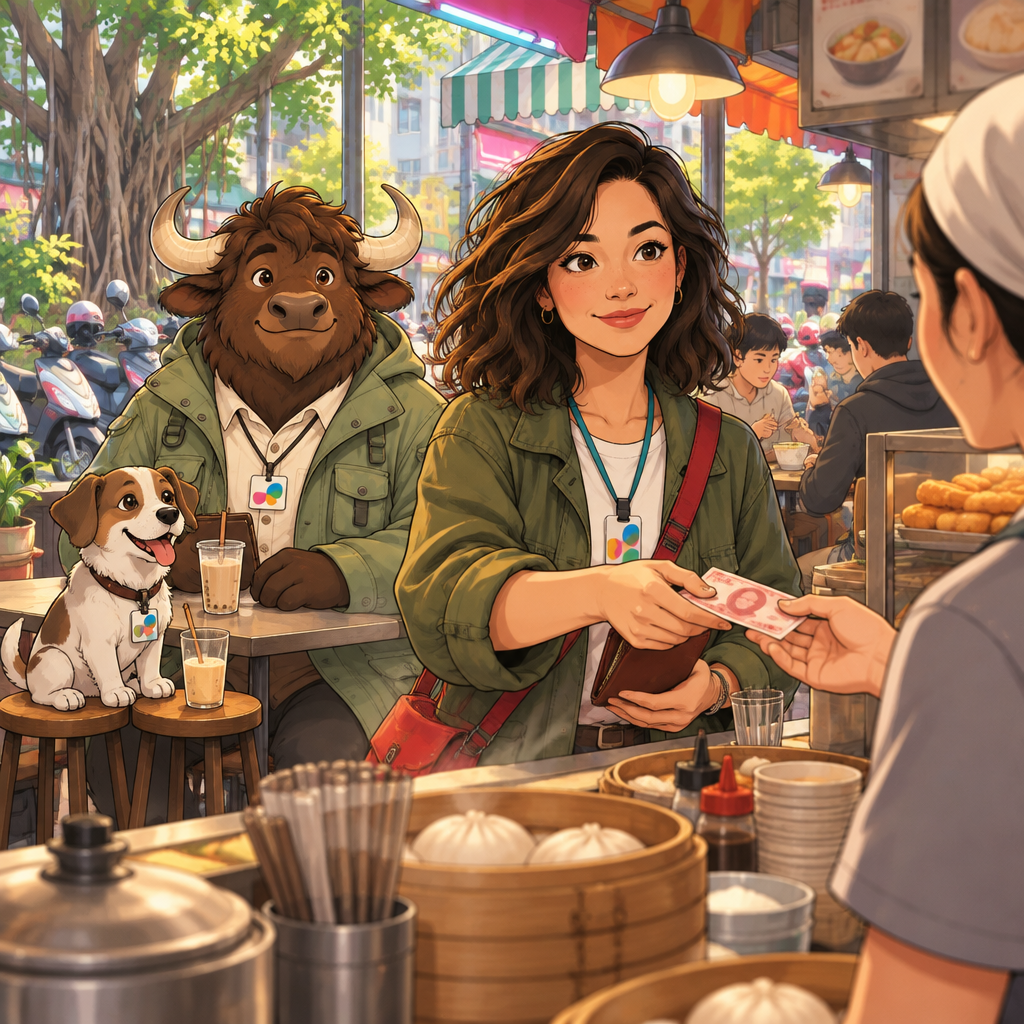
A bright Taiwan convenience store counter with Traditional Chinese signs, showing a customer asking about payment options in Taiwan Mandarin. The scene highlights card payment, mobile payment, cash, and small change.

Goal: Ask about cards, mobile pay, cash, change, and member prices without panic-smiling.

Free traditional Chinese lessons with Taiwan Mandarin audio and speaking practice.

Welcome back! Today’s lesson is all about those tiny payment moments that feel huge when there’s a line behind you.

Level A1: You’ll practice practical Taiwan payment phrases like 可以刷卡嗎? (Kěyǐ shuākǎ ma?), 支援行動支付嗎? (Zhīyuán xíngdòng zhīfù ma?), and 我沒有零錢。 (Wǒ méiyǒu língqián.). These are useful in cafés, night markets, taxis, pharmacies, and little shops around Taiwan. By the end, you’ll be ready to ask about cards, mobile payment, cash, change, bank transfers, member prices, and stock availability—very yak-tical indeed.

After this lesson you'll be able to:

  • Ask if you can pay by card with 可以刷卡嗎? (Kěyǐ shuākǎ ma?) and mobile payment with 支援行動支付嗎? (Zhīyuán xíngdòng zhīfù ma?).
  • Confirm cash, transfers, and small bills using 現金可以嗎? (Xiànjīn kěyǐ ma?), 可以轉帳嗎? (Kěyǐ zhuǎnzhàng ma?), and 可以換小鈔嗎? (Kěyǐ huàn xiǎochāo ma?).
  • Handle change problems politely with 找錯錢了。 (Zhǎo cuò qián le.), 少給了。 (Shǎo gěi le.), and 多給了。 (Duō gěi le.).
  • Ask about member pricing and stock with 有會員價嗎? (Yǒu huìyuán jià ma?), 需要會員嗎? (Xūyào huìyuán ma?), and 這個有現貨嗎? (Zhège yǒu xiànhuò ma?).
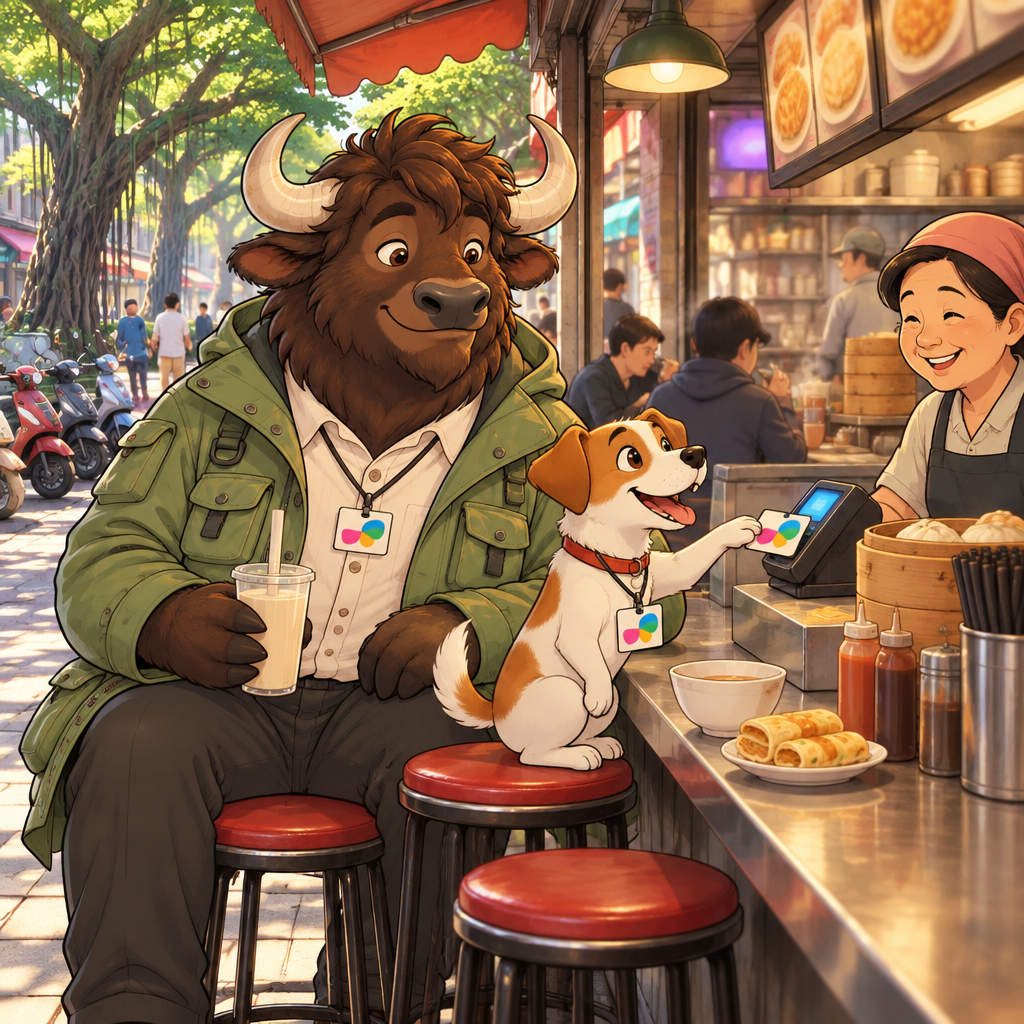
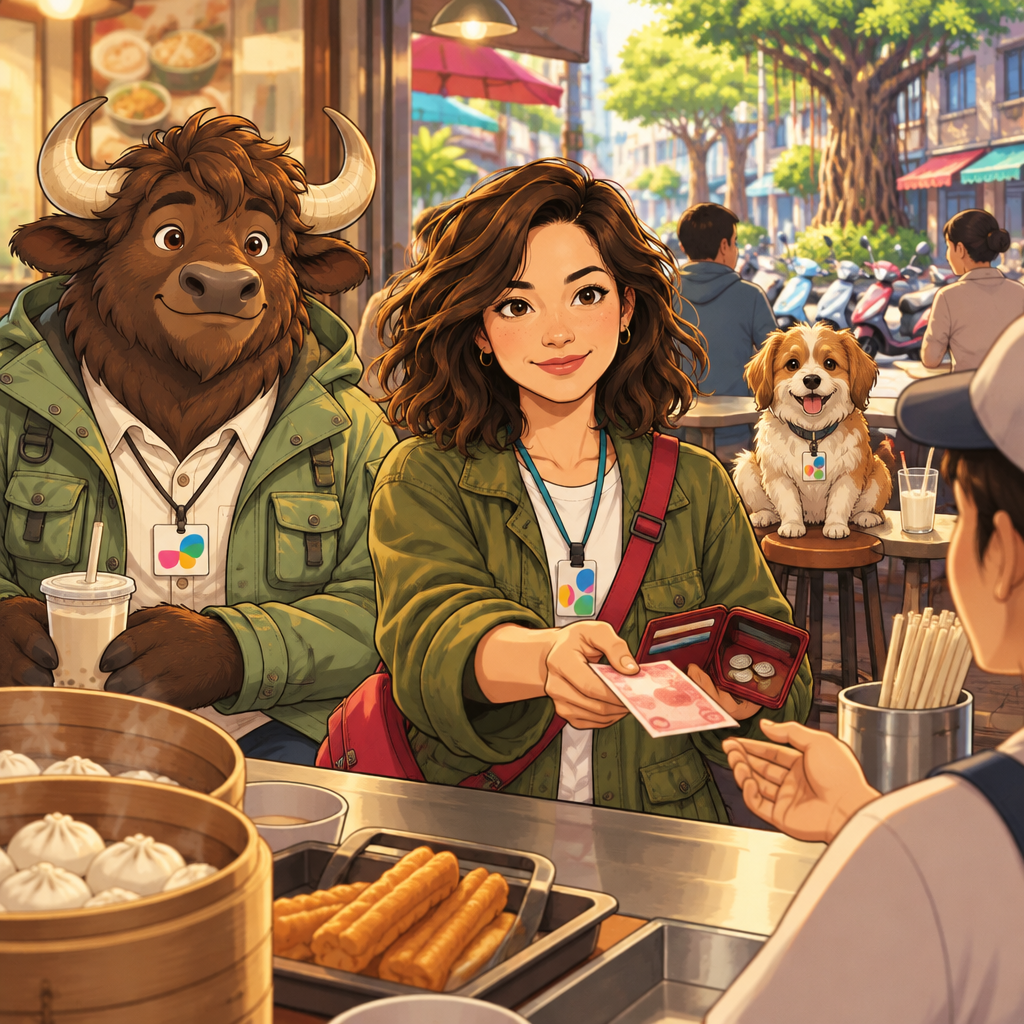
A friendly night market stall in Taiwan with Traditional Chinese price signs, coins, bills, and a phone payment QR code. The image introduces Taiwan Mandarin phrases for paying and asking about change.

Ready? Let's go!

When you tap play on phrases, we track your progress through this lesson.

1. Reading + Listening Practice

Hear core phrases, repeat aloud.

可以刷卡嗎

Kěyǐ shuākǎ ma?

Can I pay by card?

Meaning: 可以刷卡嗎? means “Can I pay by card?” Use it before paying at a restaurant, store, clinic, or taxi.

When to use: Use 可以刷卡嗎? (Kěyǐ shuākǎ ma?) when you want to know if credit or debit cards are accepted.

Tip: 刷卡 (shuākǎ) is the common Taiwan phrase for paying by card. Don’t translate word-by-word as “use card.”

請問,可以刷卡嗎?

Qǐngwèn, kěyǐ shuākǎ ma?

Excuse me, can I pay by card?
我想刷卡,可以刷卡嗎?

Wǒ xiǎng shuākǎ, kěyǐ shuākǎ ma?

I’d like to pay by card. Can I pay by card?

支援行動支付嗎?

Zhīyuán xíngdòng zhīfù ma?

Do you accept mobile payment?

Meaning: 支援行動支付嗎? means “Do you accept mobile payment?” It sounds natural for LINE Pay, 街口支付, Apple Pay, and similar options.

When to use: Use 支援行動支付嗎? (Zhīyuán xíngdòng zhīfù ma?) when you want to pay with your phone.

Tip: 行動支付 (xíngdòng zhīfù) is the Taiwan term for mobile payment; it’s not about “action” in this phrase.

請問,支援行動支付嗎?

Qǐngwèn, zhīyuán xíngdòng zhīfù ma?

Excuse me, do you accept mobile payment?
這裡支援行動支付嗎?

Zhèlǐ zhīyuán xíngdòng zhīfù ma?

Do you accept mobile payment here?

現金可以嗎

Xiànjīn kěyǐ ma?

Is cash okay?

Meaning: 現金可以嗎? means “Is cash okay?” It’s a simple way to confirm if paying in cash is accepted.

When to use: Use 現金可以嗎? (Xiànjīn kěyǐ ma?) at small vendors, shops, or when you are unsure about payment options.

不好意思,現金可以嗎?

Bù hǎoyìsi, xiànjīn kěyǐ ma?

Sorry, is cash okay?
我只有現金,現金可以嗎?

Wǒ zhǐ yǒu xiànjīn, xiànjīn kěyǐ ma?

I only have cash. Is cash okay?

可以轉帳嗎

Kěyǐ zhuǎnzhàng ma?

Can I bank-transfer it?

Meaning: 可以轉帳嗎? means “Can I bank-transfer it?” It’s useful for splitting costs, deposits, small businesses, and informal payments.

When to use: Use 可以轉帳嗎? (Kěyǐ zhuǎnzhàng ma?) when you want to pay by bank transfer instead of cash or card.

我可以轉帳嗎

Wǒ kěyǐ zhuǎnzhàng ma?

Can I bank-transfer it?
押金可以轉帳嗎?

Yājīn kěyǐ zhuǎnzhàng ma?

Can I bank-transfer the deposit?

我沒有零錢

Wǒ méiyǒu língqián.

I don’t have change.

Meaning: 我沒有零錢。 means “I don’t have change.” It helps when you only have larger bills.

When to use: Use 我沒有零錢。 (Wǒ méiyǒu língqián.) at markets, small shops, parking spots, or places that prefer exact change.

Tip: 零錢 (língqián) usually means small change or coins, not “zero money.”

不好意思,我沒有零錢。

Bù hǎoyìsi, wǒ méiyǒu língqián.

Sorry, I don’t have change.
我沒有零錢,可以刷卡嗎?

Wǒ méiyǒu língqián, kěyǐ shuākǎ ma?

I don’t have change. Can I pay by card?

不用找了

Bú yòng zhǎo le.

Keep the change.

Meaning: 不用找了。 means “Keep the change.” In Taiwan, tipping is not usually expected, but this can be handy for small amounts.

When to use: Use 不用找了。 (Bú yòng zhǎo le.) in taxis or small cash payments when you do not need the change back.

不用找了,謝謝。

Bú yòng zhǎo le, xièxie.

Keep the change, thanks.
二十塊不用找了。

Èrshí kuài bú yòng zhǎo le.

No need to give back the twenty dollars.

找錯錢了

Zhǎo cuò qián le.

The change is wrong.

Meaning: 找錯錢了。 means “The change is wrong.” It’s direct but normal if said with a polite tone.

When to use: Use 找錯錢了。 (Zhǎo cuò qián le.) when you check your cash change and think there is a mistake.

不好意思,好像找錯錢了。

Bù hǎoyìsi, hǎoxiàng zhǎo cuò qián le.

Sorry, it seems the change is wrong.
請問,是不是找錯錢了?

Qǐngwèn, shì bú shì zhǎo cuò qián le?

Excuse me, is the change wrong?

少給了

Shǎo gěi le.

It’s short / Not enough was given.

Meaning: 少給了。 means “It’s short” or “Not enough was given.” It can refer to money, items, food, or documents.

When to use: Use 少給了。 (Shǎo gěi le.) when something you received is less than expected.

不好意思,少給了。

Bù hǎoyìsi, shǎo gěi le.

Sorry, it’s short.
這個好像少給了。

Zhège hǎoxiàng shǎo gěi le.

It seems like this is short.

多給了

Duō gěi le.

Too much was given.

Meaning: 多給了。 means “Too much was given.” Use it when you received extra money, items, or change.

When to use: Use 多給了。 (Duō gěi le.) when you want to honestly point out that someone gave too much.

你多給了

Nǐ duō gěi le.

You gave too much.
不好意思,這個多給了。

Bù hǎoyìsi, zhège duō gěi le.

Sorry, too much was given here.

可以換小鈔嗎

Kěyǐ huàn xiǎochāo ma?

Can I change this into smaller bills?

Meaning: 可以換小鈔嗎? means “Can I change this into smaller bills?” It’s very practical before paying small vendors or splitting costs.

When to use: Use 可以換小鈔嗎? (Kěyǐ huàn xiǎochāo ma?) when you have a large bill and need smaller bills.

請問,可以換小鈔嗎?

Qǐngwèn, kěyǐ huàn xiǎochāo ma?

Excuse me, can I change this into smaller bills?
我只有一千,可以換小鈔嗎?

Wǒ zhǐ yǒu yìqiān, kěyǐ huàn xiǎochāo ma?

I only have a thousand-dollar bill. Can I change it into smaller bills?

有會員價嗎

Yǒu huìyuán jià ma?

Is there a member price?

Meaning: 有會員價嗎? means “Is there a member price?” This is common in stores, pharmacies, cafés, and chain shops in Taiwan.

When to use: Use 有會員價嗎? (Yǒu huìyuán jià ma?) when you want to ask if members get a special price.

這個有會員價嗎?

Zhège yǒu huìyuán jià ma?

Is there a member price for this?
請問,今天有會員價嗎?

Qǐngwèn, jīntiān yǒu huìyuán jià ma?

Excuse me, is there a member price today?

需要會員嗎

Xūyào huìyuán ma?

Do I need to be a member?

Meaning: 需要會員嗎? means “Do I need to be a member?” It helps you understand whether a discount or service requires membership.

When to use: Use 需要會員嗎? (Xūyào huìyuán ma?) when asking about discounts, purchases, reservations, or special services.

這個優惠需要會員嗎?

Zhège yōuhuì xūyào huìyuán ma?

Does this discount require membership?
請問,買這個需要會員嗎?

Qǐngwèn, mǎi zhège xūyào huìyuán ma?

Excuse me, do I need to be a member to buy this?

這個有現貨嗎

Zhège yǒu xiànhuò ma?

Is this in stock?

Meaning: 這個有現貨嗎? means “Is this in stock?” It is useful in shops, electronics stores, boutiques, and online pickup situations.

When to use: Use 這個有現貨嗎? (Zhège yǒu xiànhuò ma?) when you want to know if an item is available right now.

請問,這個有現貨嗎?

Qǐngwèn, zhège yǒu xiànhuò ma?

Excuse me, is this in stock?
這個顏色有現貨嗎?

Zhège yánsè yǒu xiànhuò ma?

Is this color in stock?

2. Conversational Listening Practice

Hear phrases in a real mini-conversation.

Anna is at a small electronics shop in Taiwan. David works at the counter.

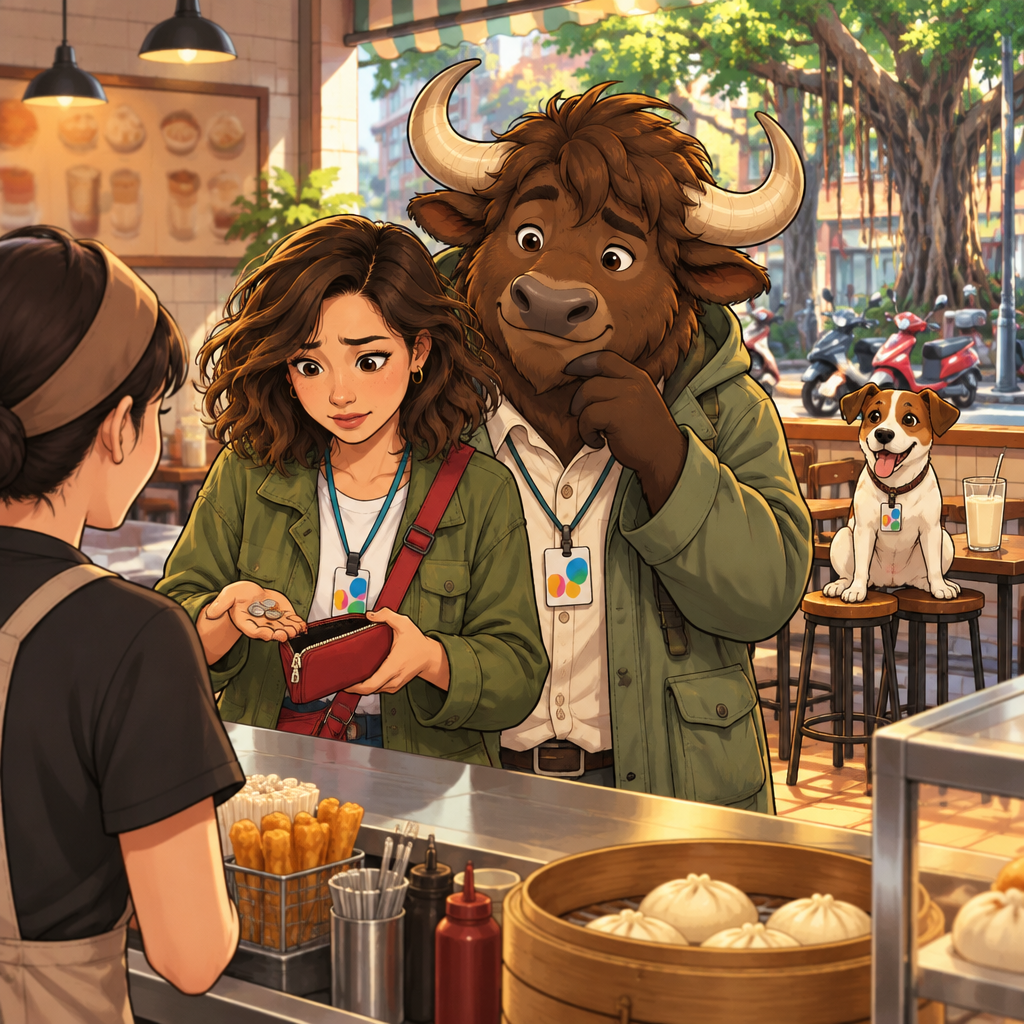
Anna talks with David at a small shop counter in Taiwan, with Traditional Chinese labels for member price and in-stock items nearby. The Taiwan Mandarin lesson scene focuses on asking about stock, payment methods, and small bills.

What is Anna mainly asking about: the item, payment options, or both?

Portrait of Anna in a Traditional Chinese lesson dialogue

Anna

你好,這個有現貨嗎?

Nǐ hǎo, zhège yǒu xiànhuò ma?

Hi, is this in stock?

Portrait of David in a Traditional Chinese lesson dialogue

David

有,今天有會員價。

Yǒu, jīntiān yǒu huìyuán jià.

Yes, and there’s a member price today.

Portrait of Anna in a Traditional Chinese lesson dialogue

Anna

有會員價嗎?需要會員嗎?

Yǒu huìyuán jià ma? Xūyào huìyuán ma?

There’s a member price? Do I need to be a member?

Portrait of David in a Traditional Chinese lesson dialogue

David

需要,不過也可以原價買。

Xūyào, búguò yě kěyǐ yuánjià mǎi.

Yes, but you can also buy it at the regular price.

Portrait of Anna in a Traditional Chinese lesson dialogue

Anna

可以刷卡嗎?支援行動支付嗎?

Kěyǐ shuākǎ ma? Zhīyuán xíngdòng zhīfù ma?

Can I pay by card? Do you accept mobile payment?

Portrait of David in a Traditional Chinese lesson dialogue

David

都可以。現金也可以。

Dōu kěyǐ. Xiànjīn yě kěyǐ.

Both are okay. Cash is okay too.

Portrait of Anna in a Traditional Chinese lesson dialogue

Anna

我沒有零錢,可以換小鈔嗎?

Wǒ méiyǒu língqián, kěyǐ huàn xiǎochāo ma?

I don’t have change. Can I change this into smaller bills?

Portrait of David in a Traditional Chinese lesson dialogue

David

可以,沒問題

Kěyǐ, méi wèntí.

Sure, no problem.

3. Guided Practice

Quizzes and matching to lock in meaning.

Which phrase means “Can I pay by card?”

You want to know if a shop accepts LINE Pay or Apple Pay. What should you ask?

Which phrase would you use if the cashier gave you the wrong change?

Which phrase asks whether an item is available right now?

Excuse me, can I pay by card?

店員說總共三百元;請問,___

I only have a thousand-dollar bill. Can I change it into smaller bills?

我只有一張一千元,沒有小鈔,___

Does this discount require membership?

店員說這個有優惠;請問,___

Match the core phrases

Match the extra phrases

4. Speaking Practice

Say phrases yourself (mic/recording).

Recording stays on your device only. Check speech uses your browser's speech tools when available.

Say this phrase out loud:

可以刷卡嗎

Kěyǐ shuākǎ ma?

Can I pay by card?

Say this phrase out loud:

支援行動支付嗎?

Zhīyuán xíngdòng zhīfù ma?

Do you accept mobile payment?

Say this phrase out loud:

現金可以嗎

Xiànjīn kěyǐ ma?

Is cash okay?

Say this phrase out loud:

可以轉帳嗎

Kěyǐ zhuǎnzhàng ma?

Can I bank-transfer it?

Say this phrase out loud:

我沒有零錢

Wǒ méiyǒu língqián.

I don’t have change.

Say this phrase out loud:

不用找了

Bú yòng zhǎo le.

Keep the change.

Say this phrase out loud:

找錯錢了

Zhǎo cuò qián le.

The change is wrong.

Say this phrase out loud:

少給了

Shǎo gěi le.

It’s short / Not enough was given.

Say this phrase out loud:

多給了

Duō gěi le.

Too much was given.

Say this phrase out loud:

可以換小鈔嗎

Kěyǐ huàn xiǎochāo ma?

Can I change this into smaller bills?

Say this phrase out loud:

有會員價嗎

Yǒu huìyuán jià ma?

Is there a member price?

Say this phrase out loud:

需要會員嗎

Xūyào huìyuán ma?

Do I need to be a member?

Say this phrase out loud:

這個有現貨嗎

Zhège yǒu xiànhuò ma?

Is this in stock?