
New here? This is lesson 52 of a free 240-lesson Traditional Chinese course.
What I like in Traditional Chinese
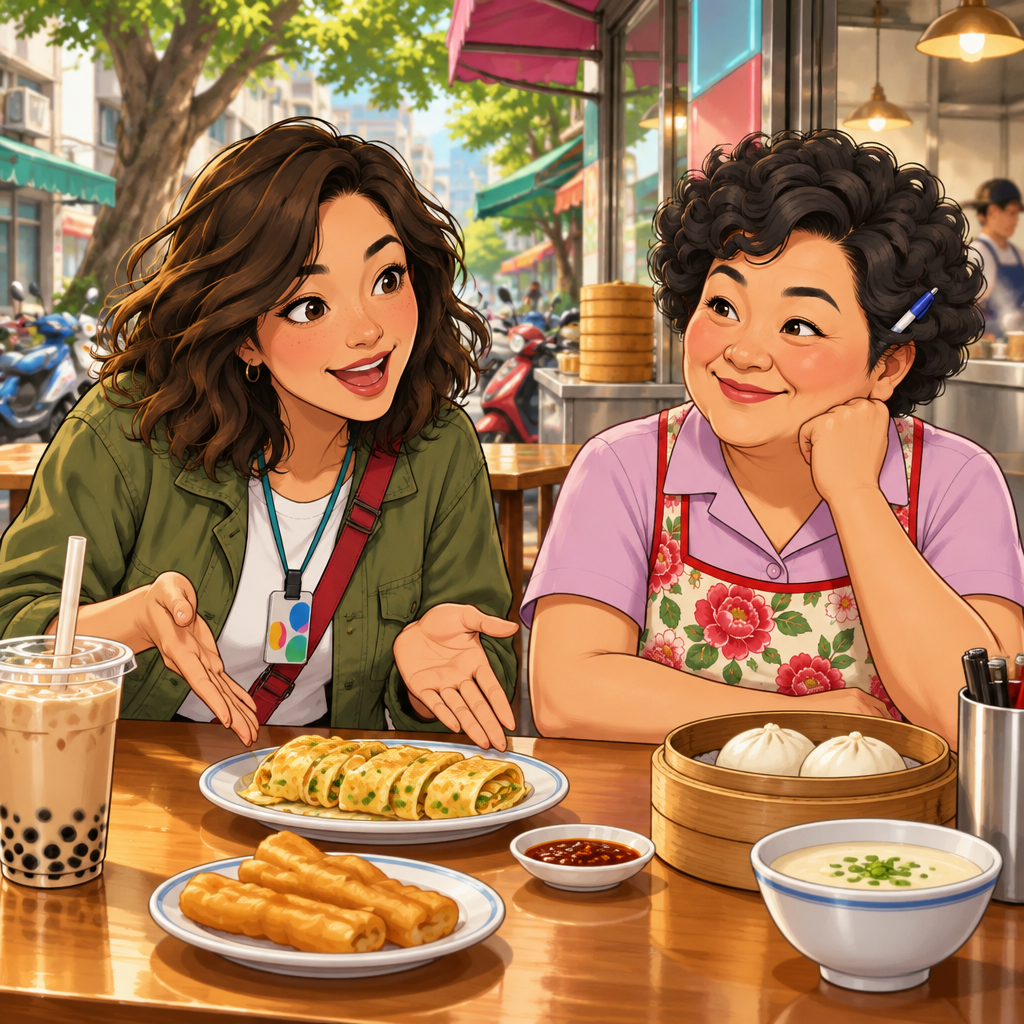
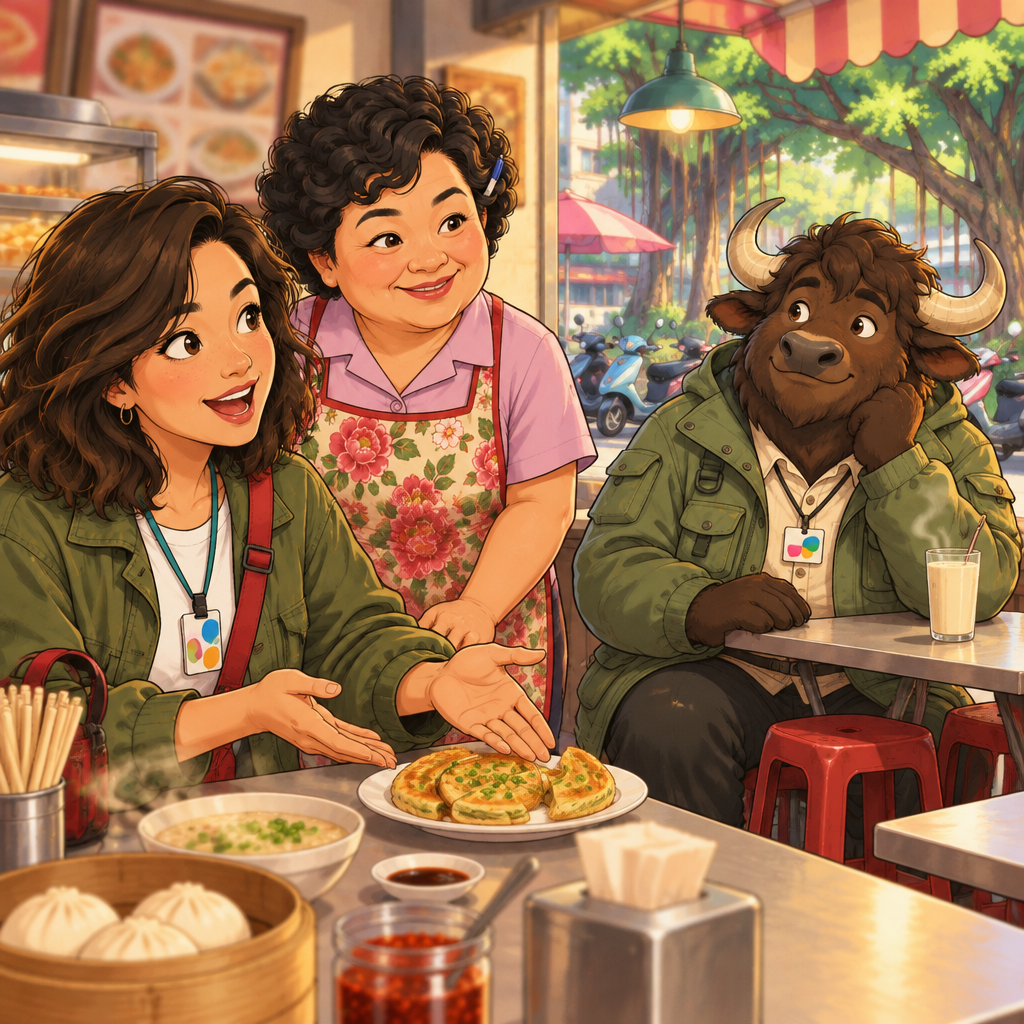
At Banyan Breakfast, Maya talks about the Taiwan foods she likes. Auntie Lin listens, while A-Li sits nearby with his unfinished soy milk.
Learn to say what you like, what you really like, and what you do not like. You will also ask someone about a favorite.
A-Li's list is very short. Practice these everyday lines, then tell the breakfast-shop regulars what you enjoy.
By the end of this lesson
Say what foods you like, love eating, and do not like, and ask someone what they like.
- 我喜歡___I like ___.
- 我很喜歡___I really like ___.
- 我不喜歡___I don't like ___.
- 我最喜歡___My favorite is ___.
- 你喜歡___嗎?Do you like ___?
- 我愛吃___I love eating ___.
Scene — favorites at breakfast
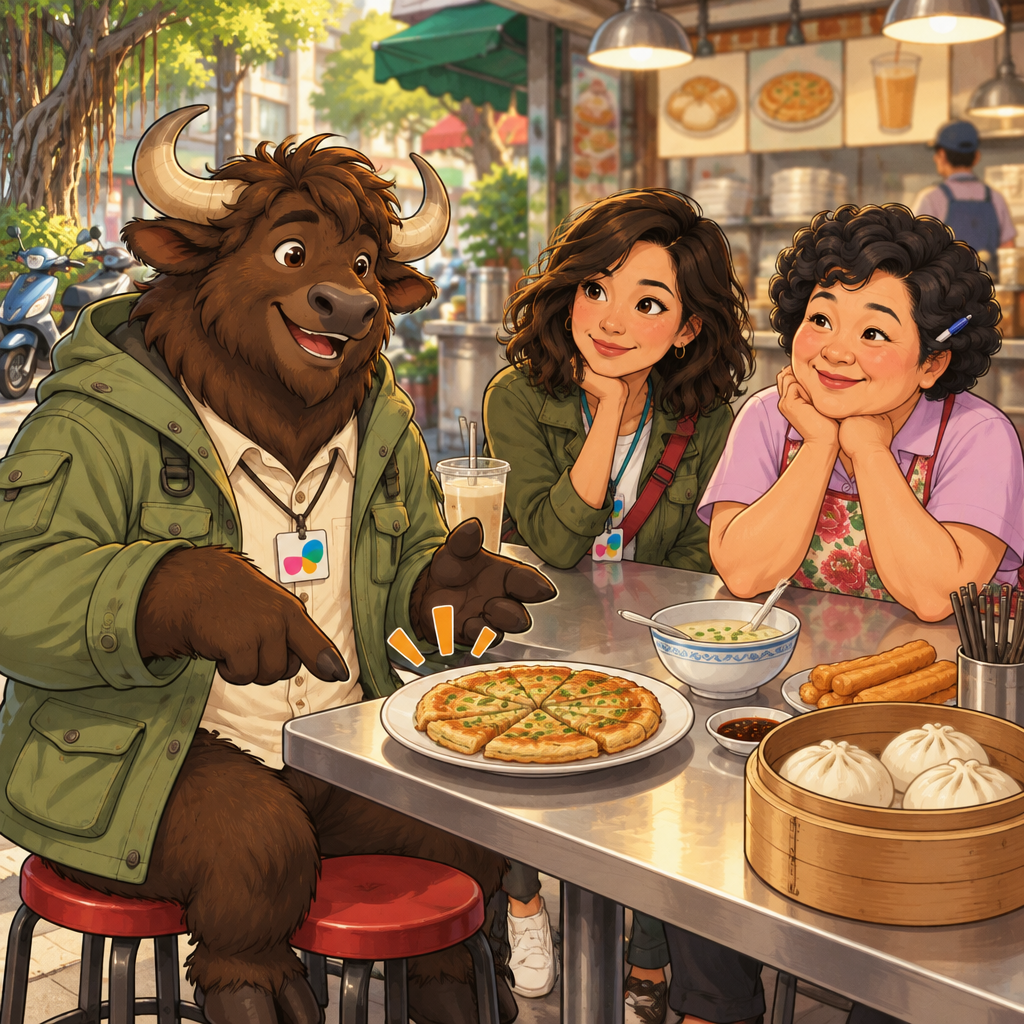
At Banyan Breakfast in Da'an, Maya is chatting with Auntie Lin about Taiwan food. A-Li sits at the back table with his soy milk still unfinished.
Maya has several favorites to share. When she asks A-Li what he likes, his list has just one food on it.

Learn — talk about food you like
These lines help you share food preferences and ask someone what they like. Listen to each one, then say it aloud.
Use the food words you know to complete the expressions.

我喜歡___
I like ___.
When to use it: Use this to tell someone you like a food or other thing.
Learn this expression as one piece.
我很喜歡___
I really like ___.
When to use it: Use this when you like something a lot.
Learn this expression as one piece.

我不喜歡___
I don't like ___.
When to use it: Use this to say that something is not to your taste.
Learn this expression as one piece.

我最喜歡___
My favorite is ___.
When to use it: Use this to name the thing you like best.
Learn this expression as one piece.
你喜歡___嗎?
Do you like ___?
When to use it: Ask someone if they like a food or other thing.
Learn this expression as one piece.
我愛吃___
I love eating ___.
When to use it: Use this to say you love eating a particular food.
Learn this expression as one piece.
Story — Maya's food list
Maya shares a few food preferences at Banyan Breakfast. She asks A-Li what he likes, and his answer gives her a very short list.
Auntie Lin is nearby, and A-Li's soy milk is still waiting on the table.
 Auntie Lin美女,早安!Good morning, beautiful!
 Maya我喜歡蛋餅。I like egg pancakes.
- Maya我很喜歡珍珠奶茶。I really like bubble milk tea.
- Maya我不喜歡臭豆腐。I don't like stinky tofu.
- Maya我最喜歡蛋餅。My favorite is egg pancakes.
- Maya你喜歡蛋餅嗎?Do you like egg pancakes?
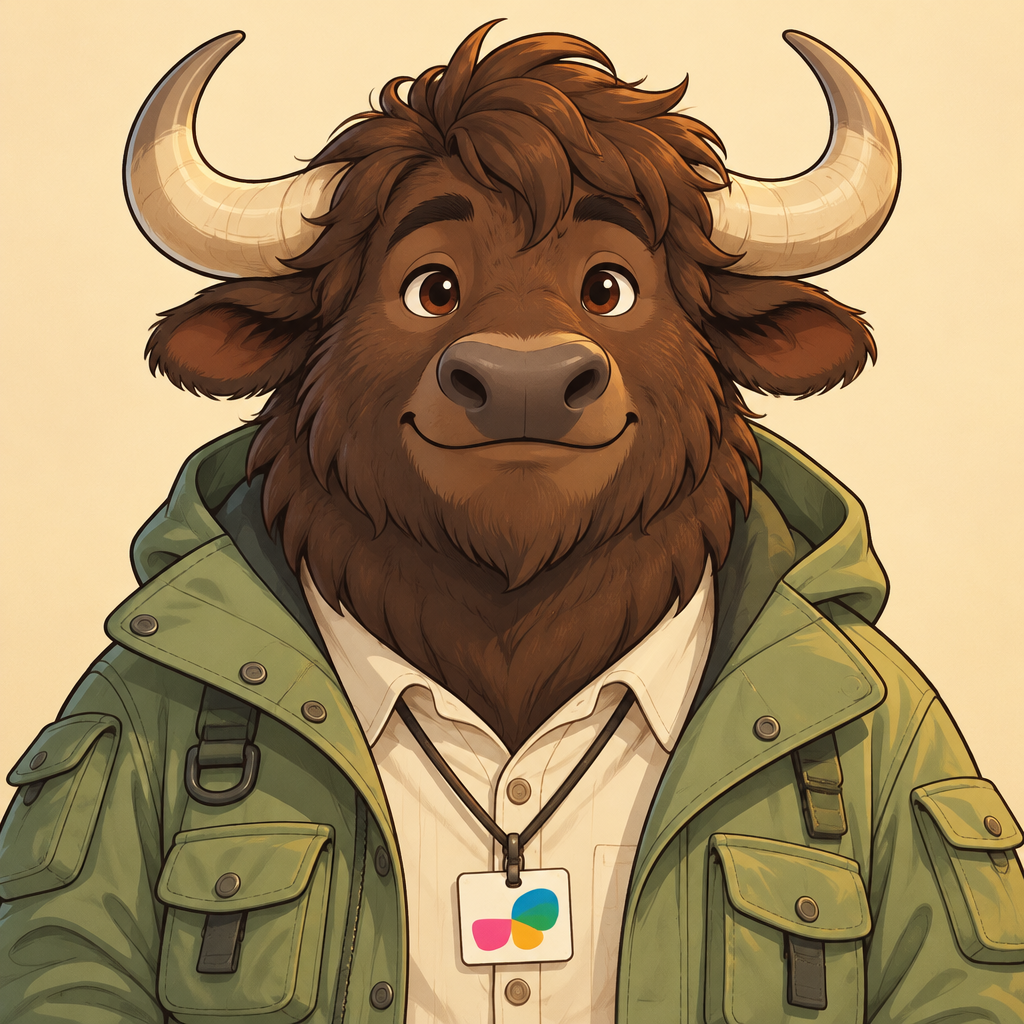 A-Li我愛吃蛋餅。I love eating egg pancakes.
- Auntie Lin豆漿還沒喝完。The soy milk still isn't finished.
Practice — share your favorites
Try nine short exercises about foods Maya might order in Taipei. Listen, choose a useful line, and match each expression to its meaning.
Then practice answering a question about a favorite.
0 of 9 done
What do you say?
What do you say?
Tell Auntie Lin that you like egg pancakes.
What does it mean?
What does it mean?
我很喜歡___
Pick the reply
Maya says:
Pick the reply
你喜歡蛋餅嗎?
Do you like egg pancakes?
And you reply with:
What did you hear?
What did you hear?
What do you say?
What do you say?
Auntie Lin asks about your top choice. Say egg pancakes are your favorite.
Match the pairs
Traditional Chinese
我喜歡___Drop the English here我很喜歡___Drop the English here我不喜歡___Drop the English here我最喜歡___Drop the English hereEnglish
What does it mean?
What does it mean?
早安
What do you say?
What do you say?
Ask A-Li if he likes egg pancakes.
What did you hear?
What did you hear?
Say it — tell them what you like
You are Maya, talking with Auntie Lin and A-Li at Banyan Breakfast. Listen to each cue and say what you like.
Try to answer naturally, then listen to the other person before taking your next turn.
- Maya tells Auntie Lin about breakfast.
- Maya (you)Tell Auntie Lin you like egg pancakes.
Tell Auntie Lin you like egg pancakes.
我喜歡___
I like ___.
0 of 3 said
Recap — what you can say now
| Traditional Chinese | English | Play |
|---|---|---|
| 我喜歡___ | I like ___. | |
| 我很喜歡___ | I really like ___. | |
| 我不喜歡___ | I don't like ___. | |
| 我最喜歡___ | My favorite is ___. | |
| 你喜歡___嗎? | Do you like ___? | |
| 我愛吃___ | I love eating ___. |
Save your progress — it’s free
Keep your place in the course and see which lines you’ve learned.
Want the next lesson in your inbox?
Get the next lesson by email, one a day.
Join the newsletterDaily lesson emails are coming soon. Newsletter subscribers get them first.
Keep practicing with Yak Cards
Save today's useful expressions in Yak Cards and review them with your other food phrases.
Practice naming one food you like each day.
Open Yak Cards