
New here? This is lesson 82 of a free 240-lesson Traditional Chinese course.
Questions at the café in Traditional Chinese
At a café near Banyan Breakfast, Maya checks what is in a dish and whether a drink is included. These questions help before ordering.
Then the bill lists one extra cup of soy milk. A-Li insists he drank it, although his own familiar cup is still unfinished.
Practice asking clearly and pointing out an apparent mistake without turning the odd bill into a mystery.
By the end of this lesson
Ask about a dish's ingredients and spice, check what is included, ask about fees, and flag a bill that seems wrong.
- 這道菜會辣嗎?Is this dish spicy?
- 這有附飲料嗎?Does this come with a drink?
- 裡面有什麼?What's in it?
- 可以分開結帳嗎?Can we pay separately?
- 帳單好像算錯了The bill seems wrong.
- 內用的話有服務費嗎?Is there a service charge if I eat in?
Scene — questions before the bill
At a neighborhood café in Da'an, Maya studies a dish before ordering. Auntie Lin answers her questions while A-Li sits nearby with his usual soy milk still unfinished.
The bill later includes one extra cup of soy milk. A-Li insists he drank it, but no one can tell yet why it appeared.

Learn — ask about a dish and its cost
These six lines help you ask about ingredients, spice, included drinks, separate payment, and service fees. One line also helps you point out a bill that seems incorrect.
Notice how 的話 sets up a condition, and how 了 marks the apparent mistake as a new result.

這道菜會辣嗎?
Is this dish spicy?
When to use it: Ask this before ordering when you want to check the dish's spice level.
道 is the measure word used here for a dish.

這有附飲料嗎?
Does this come with a drink?
When to use it: Ask whether a meal or set includes a drink.
附 means that something is included or provided with the dish.

裡面有什麼?
What's in it?
When to use it: Ask what ingredients are inside a dish or item.
什麼 asks what and stays in place in this question.

可以分開結帳嗎?
Can we pay separately?
When to use it: Ask to have separate bills when eating with someone.
分開 means separately, and 結帳 means to pay the bill.

帳單好像算錯了
The bill seems wrong.
When to use it: Use this to politely point out a possible mistake on a bill.
好像 softens the statement, and 了 presents the mistaken calculation as the situation you have noticed.

內用的話有服務費嗎?
Is there a service charge if I eat in?
When to use it: Ask whether eating at the restaurant adds a service charge.
的話 makes the first part a condition: if you eat in.
Story — an extra cup on the bill
Maya asks Auntie Lin about a dish and its included drink at a neighborhood café.
When the bill arrives, an extra cup of soy milk creates a small disagreement. A-Li insists he drank it, but his usual cup is still unfinished.
 Maya可以看一下菜單嗎?May I see the menu?
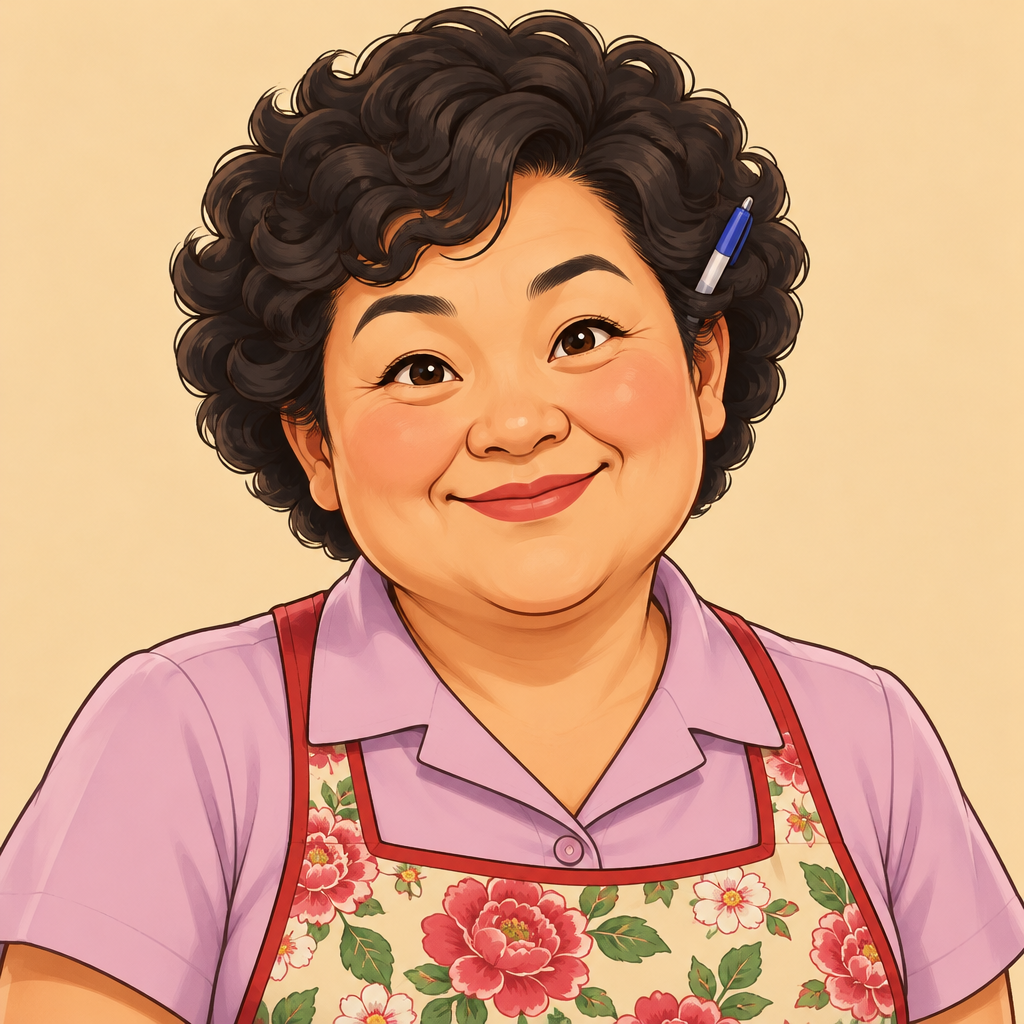 Auntie Lin好喔,這邊請。Sure, this way.
- Maya這道菜會辣嗎?Is this dish spicy?
- Auntie Lin有一點辣,裡面有蛋跟青菜。It's a little spicy, with egg and vegetables inside.
- Maya這有附飲料嗎?Does this come with a drink?
- Auntie Lin有,附一杯豆漿。Yes, it comes with a cup of soy milk.
- Maya裡面有什麼?What's in it?
- Auntie Lin有蛋、青菜,還有辣椒。It has egg, vegetables, and chili.
- After the meal, Maya checks the bill at the counter.
- Maya可以分開結帳嗎?Can we pay separately?
- Café clerk可以,這是你們的帳單。Sure, here's your bill.
- Maya內用的話有服務費嗎?Is there a service charge if I eat in?
- Café clerk沒有服務費。There is no service charge.
- Maya帳單好像算錯了The bill seems wrong.
- Café clerk多算了一杯豆漿。One extra cup of soy milk was charged.
 A-Li我喝了那杯豆漿啊。I drank that cup of soy milk.
Practice — check your café questions
Work through ten short exercises: identify questions, rebuild a line, and choose replies that fit a café bill. Then say the key questions aloud.
Check each explanation, especially when a question is about the dish and when it is about the bill.
0 of 10 done
What does it mean?
What does it mean?
這道菜會辣嗎?
What do you say?
What do you say?
Ask Auntie Lin whether the meal comes with a drink.
Build the line
Build the line
What's in it?
?
Tap the words in order.
Fill the gap
Fill the gap
Is this dish spicy?
這道菜會____嗎?
Match the pairs
Traditional Chinese
這道菜會辣嗎?Drop the English here這有附飲料嗎?Drop the English here裡面有什麼?Drop the English hereEnglish
What did you hear?
What did you hear?
Pick the reply
Café clerk says:
Pick the reply
多算了一杯豆漿。
One extra cup of soy milk was charged.
And you reply with:
What do you say?
What do you say?
You are eating at the café and want to ask about an extra charge.
What do you say?
What do you say?
You are ordering and want to see the menu.
True or false?
True or false?
You have finished eating and want to ask whether you can pay now. This line fits the moment.
Say it — ask and clarify
You play Maya and ask Auntie Lin and the café clerk practical questions. Listen to each cue, then say the matching line aloud.
The bill needs a closer look, but nobody has solved why the extra cup appears.
- Maya starts by asking to see the menu.
- Maya (you)Ask to see the menu.
Ask to see the menu.
可以看一下菜單嗎?
May I see the menu?
0 of 7 said
Recap — what you can say now
| Traditional Chinese | English | Play |
|---|---|---|
| 這道菜會辣嗎? | Is this dish spicy? | |
| 這有附飲料嗎? | Does this come with a drink? | |
| 裡面有什麼? | What's in it? | |
| 可以分開結帳嗎? | Can we pay separately? | |
| 帳單好像算錯了 | The bill seems wrong. | |
| 內用的話有服務費嗎? | Is there a service charge if I eat in? |
Save your progress — it’s free
Keep your place in the course and see which lines you’ve learned.
Want the next lesson in your inbox?
Get the next lesson by email, one a day.
Join the newsletterDaily lesson emails are coming soon. Newsletter subscribers get them first.
Keep practicing with Yak Cards
Review today's café questions in Yak Cards.
Practise checking ingredients and bills so these questions come naturally when you eat out.
Open Yak Cards